 Retro Replay Retro Gaming History, Reviews & Emulation



Retro Replay Review
Gameplay
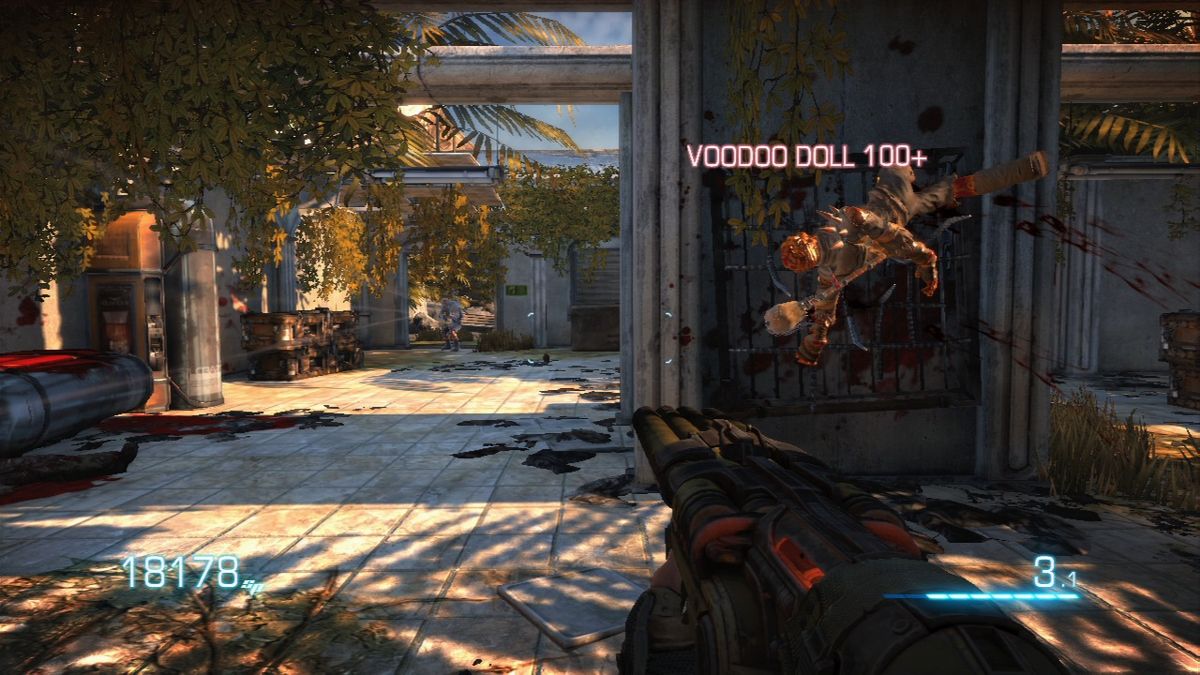
Bulletstorm feels best when you stop treating it like a standard first-person shooter. At first, the instinct is to aim for heads and clear the room. Then you realize every enemy is also an opportunity: boot one into the air, yank another toward you with the energy leash, fire a weapon into the chaos, and look for spikes or other hazards that can turn a kill into a richer skillshot. That shift arrives quickly, and it gives each firefight a rowdy, improvisational pull.
The score system is more than a decorative counter. Skillpoints buy ammunition and dropkit upgrades such as alternate fire modes and larger ammo capacity, so stylish kills feed directly back into what you can do next. Gray’s kick and leash are the stars because they constantly rearrange a fight. The kick can launch foes, slow time, or help control enemies nearby; the leash can pull in enemies and weapons, send groups upward, and interact with certain obstacles. You are repeatedly encouraged to make a mess on purpose.
There is a slight tension in that structure: when combat is clicking, you want to experiment, but checkpoints and the pressure to keep moving can make a failed attempt at a clever setup feel wasteful. Still, the unusual weapons, including a drill gun and bouncing-sphere grenade launcher, give you enough toys to avoid settling into one routine. Echoes is the right extra mode for anyone who gets hooked on the scoring, stripping out cutscenes so you can chase faster, cleaner runs on online leaderboards. Anarchy, meanwhile, turns the skillshot demand into four-player wave survival, with score targets standing between the team and later waves.
Graphics
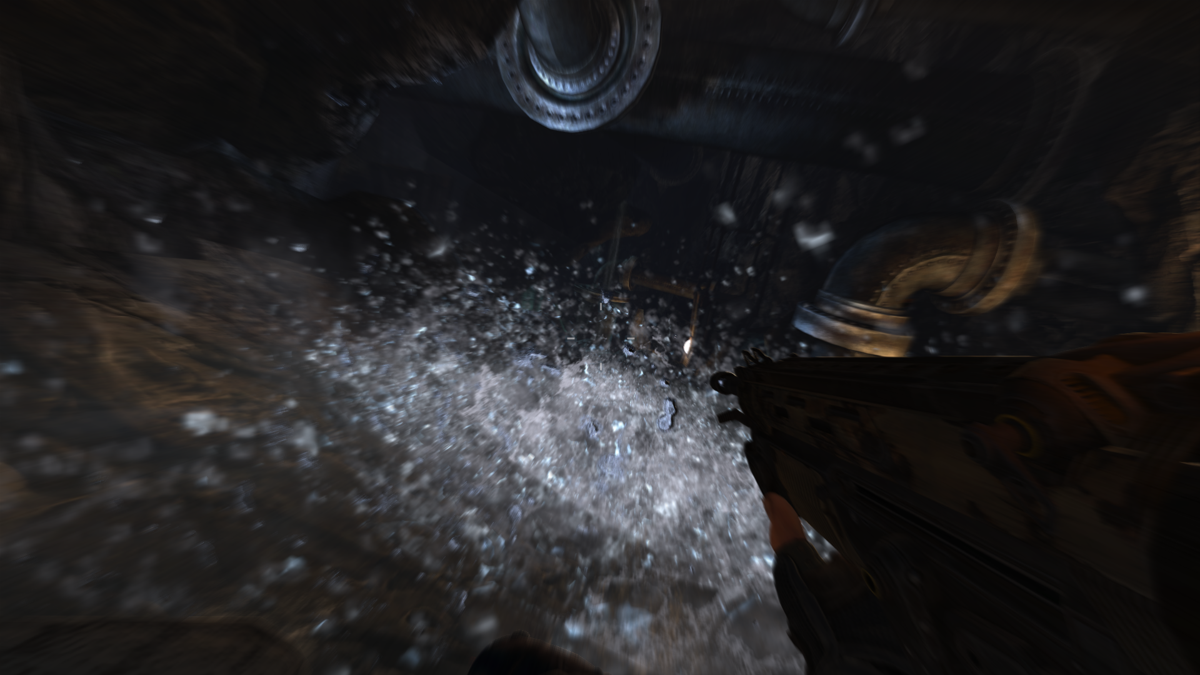
The action stays in a first-person view on Stygia, a planet that was once a resort destination and is now overrun by mutants and lethal surroundings. During damage, blood covers the screen before clearing as Gray recovers, making the immediate aftermath of a mistake hard to ignore.

Story
Gray Hunt is not introduced as a clean-cut savior. He is the captain of a space-pirate crew formed from former members of Dead Echo, an elite army unit that learned its commander, General Serrano, had been using them to erase opposition. That premise gives the profanity-laced aggression of the game a personal edge: Gray is furious, compromised, and carrying the weight of what his unit did.
The plot kicks off when Gray, drunk and bent on revenge, attacks Serrano’s ship, the Ulysses, in what amounts to a suicidal move. Both vessels crash on Stygia, stranding Gray and Ishi amid mutants and a hostile environment. It is a blunt setup, but a useful one: the game does not waste time finding a reason to put its angry antihero in desperate, dangerous situations.
Ishi gives the journey its clearest emotional stake. He survives the crash only after a cyborg transformation, and Gray promises to get him off the planet and to proper medical care. That responsibility sits well beside Gray’s guilt. The revenge thread against Serrano is present, yet the immediate need to protect Ishi gives the story more urgency than a simple hunt for an old commander.
Overall Experience
This is a shooter built around the pleasure of turning a kill into a trick. If you enjoy finding the most efficient route through an arena, Bulletstorm may initially seem almost too eager to reward showing off. Give it a little time. Once the kick, leash, weapons, and hazards start connecting in your head, the score chasing becomes the reason to replay rather than a distraction from the shooting.
The campaign’s direct, checkpoint-based momentum suits the game. You move from fight to fight, with a health system that lets Gray recover once the blood clears from the screen, and the emphasis remains on surviving long enough to produce the next absurd chain of kills. Frustration can crop up when a good plan collapses or when you fall back on plain gunfire, but the game is at its best precisely when it nudges you out of that safe habit.
Come for an aggressive sci-fi campaign and stay if the skillshot loop gets under your skin. The payoff is strongest for you if a leaderboard challenge makes you want one more run, or if you have friends ready to push through Anarchy’s score-gated waves together. Even without that competitive urge, the campaign’s combat has enough personality to make its wildest encounters memorable.


Reviews
There are no reviews yet.