 Retro Replay Retro Gaming History, Reviews & Emulation
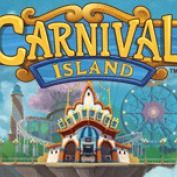
Retro Replay Review
Gameplay
Carnival Island understands the immediate hook of a real carnival game: you know what you are meant to do within seconds, yet landing the perfect shot is just difficult enough to make another attempt tempting. The familiar lineup—ring toss, basketball, coin toss, shooting galleries, and skeeball—makes the first hour easy to settle into. With PlayStation Move as the only control option, you are not pressing buttons to simulate a throw; you are physically aiming and making the motion yourself.
That requirement is also the game’s dividing line. If you have a Move controller set up and enjoy motion-controlled party games, the straightforward challenges give you plenty of reasons to keep sampling the collection. If you want to play seated, use a standard controller, or dig into a more involved arcade game, this is a poor fit from the start. Carnival Island is built around the small physical ritual of taking the controller, lining up a shot, and hoping you do not blow it in front of everyone else.
The 35-game count gives the package useful variety, particularly as the single-player mode unlocks new activities over time. Tickets add a tangible reward to continued play, even if the core rhythm remains deliberately simple: play an attraction, improve your result, earn tickets, and move on. It is a better structure than a disconnected menu of minigames, because there is at least a sense that your successes are restoring access to the carnival.
Multiplayer is where the game has its best chance to become a regular pick. Turn-based modes let a group pass one Move controller around, which is practical for a family or a few friends, while select games support two people playing simultaneously. The competition is not sophisticated, but carnival games do not need to be. A close round of skeeball or a missed final basketball shot can carry an evening more effectively than a complicated ruleset.
Graphics
The most distinct visual touch comes from the hand-animated cutscenes that frame the story of two children reviving an abandoned carnival. They give the solo mode a warmer, more storybook-like flavor than a bare sequence of booths and score screens would have.
The PlayStation Eye photo booth also turns prize-booth toys into augmented-reality props, letting you pose with your collected rewards in pictures. It is a light extra rather than a reason to buy the game, but it fits the playful, souvenir-driven carnival theme.
Story
The story is modest but welcome: two children set out to bring an abandoned carnival back to life. That premise gives the unlock progression a little context and prevents the single-player side from feeling like an entirely random parade of attractions.
Do not come in expecting a dramatic adventure. The hand-animated scenes are there to connect the games and keep the mood cheerful, not to turn Carnival Island into a narrative-heavy experience. Still, the restoration angle is a sensible one; every newly opened game feels like another small piece of the fair returning.
The prize booth extends that sense of accumulation. Tickets earned through play buy toys, and those toys can then appear as photo-booth props. It is a kid-friendly loop, and it makes the rewards feel more personal than a plain high-score list, even though the real motivation is still getting better at the games themselves.
Overall Experience
Carnival Island is a pleasant motion-control diversion with a clear audience: households that still have PlayStation Move hardware and want approachable competition without a long tutorial or a steep learning curve. Its best moments come when you are sharing the controller, comparing scores, and immediately demanding another shot after a near miss.
Playing alone has enough structure to be agreeable, thanks to unlocks, tickets, the prize booth, and the small restoration story. But the individual games are fundamentally quick carnival challenges, so repetition can set in once the novelty of the motions and new attractions fades. You are unlikely to find much depth beyond improving your aim and chasing better outcomes.
That does not make it disposable. Carnival Island has a coherent theme, a generous number of activities, and the good sense to build around games almost anyone can understand. It earns a recommendation as a casual PlayStation 3 party option, especially for younger players and families. For a solo gamer looking for lasting mastery or a richer arcade campaign, it is a middling trip to the midway rather than an essential ticket.


Reviews
There are no reviews yet.