 Retro Replay Retro Gaming History, Reviews & Emulation
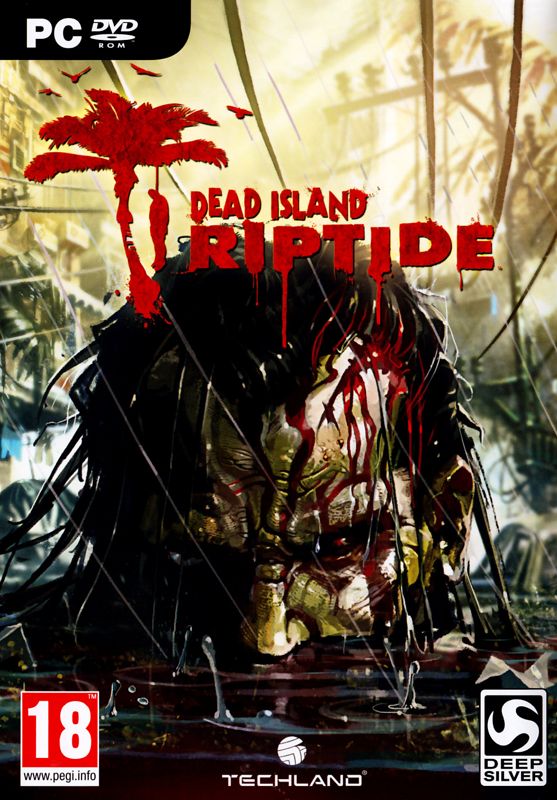
Retro Replay Review
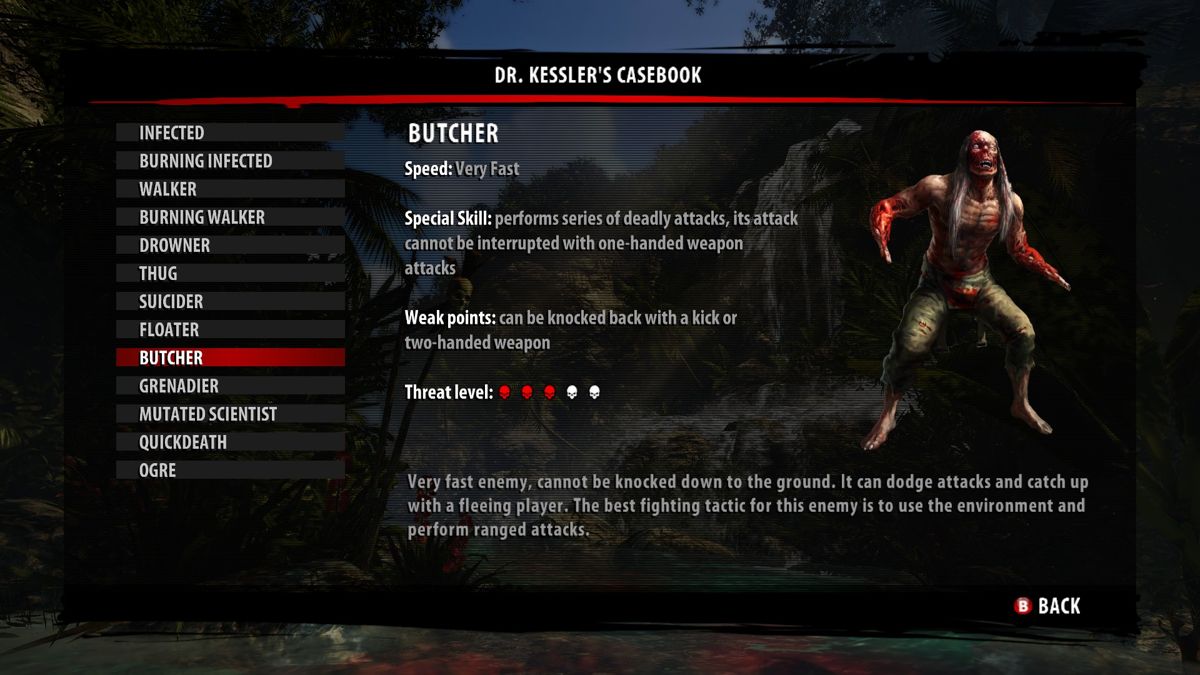
Gameplay
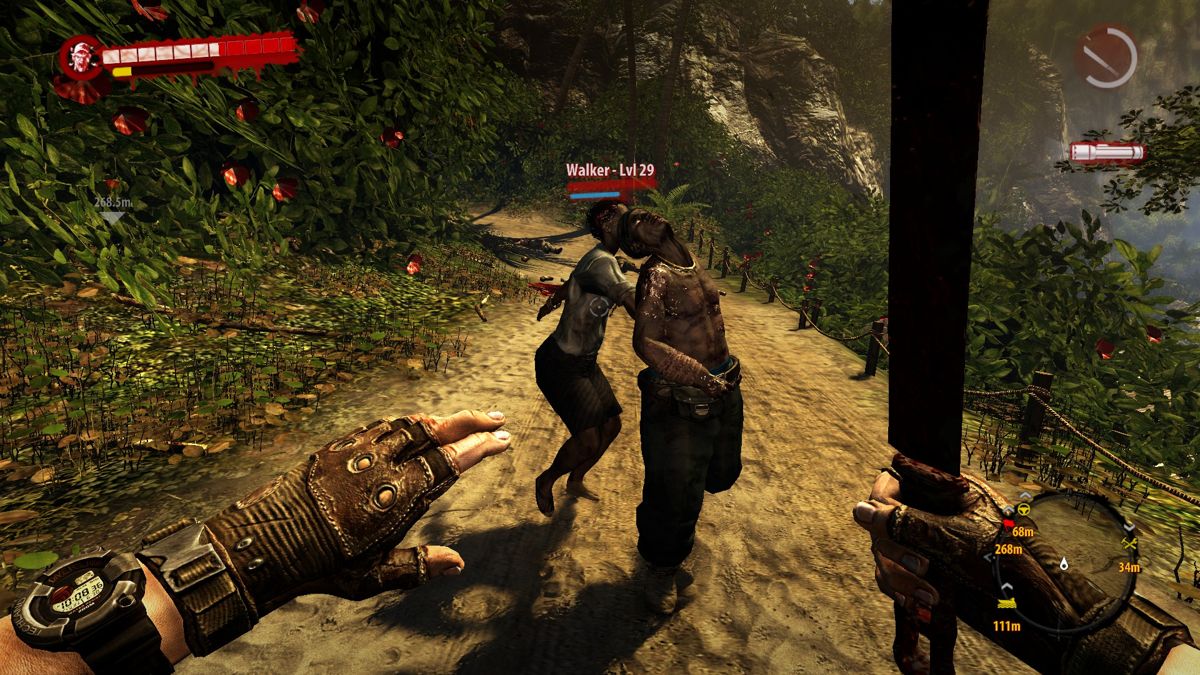
The first hour gets its hooks into you through simple, reliable scavenger-game pleasure. You pick a survivor, find tools and weapons, and start turning junk into something capable of surviving the next encounter. Melee remains central, and the cycle of customizing a weapon, gaining experience, and spending points on combat abilities gives even routine trips outside a useful sense of progress.
Riptide is more flexible than its predecessor because guns arrive early. You can still play like a blunt-force brawler, but firearms let you treat dangerous groups more like a first-person shooter problem. John Morgan is also a welcome option: his powerful kick sounds straightforward, yet it is exactly the kind of close-range tool that can matter when infected crowd your space. Fury attacks add another burst of power when the meter is ready, rewarding you for leaning into combat rather than merely avoiding it.
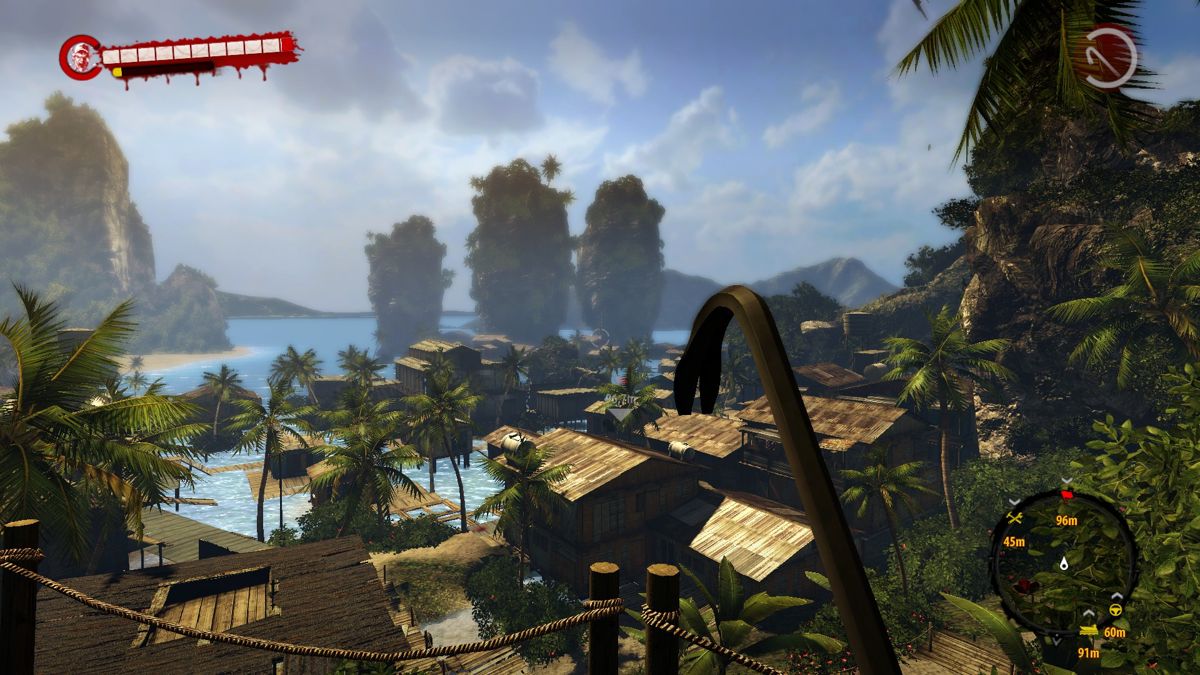
The island is open enough to encourage wandering, whether you are on foot, in a vehicle, or moving through the new water-heavy areas by boat. Towns, cities, jungle, and flooded routes give the trek more variety than one uninterrupted tropical backdrop. The drawback is that much of the questing still comes down to fetching items. Enemies scaling with your character also keeps the pressure steady, but it can blunt the satisfaction of becoming dramatically stronger.
Hub-defense missions are the clearest new change to the usual go-out-and-return loop. Barricading an area and holding it for a set time asks you to think about a location rather than just push forward through it. They do not overhaul the game, but they break up the fetch-work well enough. Bring friends if you can: four-player co-op turns the repeated errands, weapon tinkering, and sudden crowds into shared chaos instead of a solo slog.
Graphics
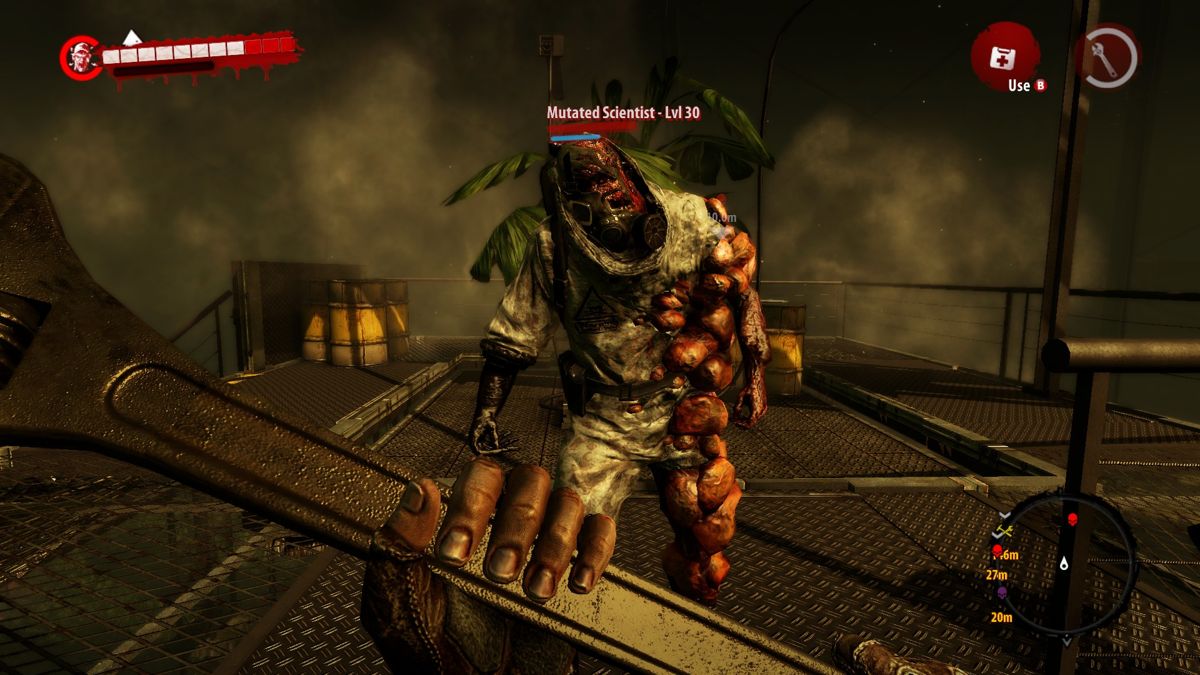
The first-person view carries you through tropical jungle, towns, cities, and broad flooded stretches of Palanai. Boats and waterlogged urban areas give the sequel a noticeably different set of sights from a purely land-based island trek, while the infected remain the constant threat filling those routes.
Story
Riptide begins with the survivors of the first game reaching an Australian Defence Force-controlled aircraft carrier, only for that refuge to be overrun and destroyed. Logan Carter, Sam B, Xian Mei, and Purna are back, and John Morgan joins them as another immune survivor. It is a brisk setup that gets everyone stranded on Palanai with an outbreak already spreading.
The plot keeps one foot in escape drama and one in outbreak investigation. While trying to leave the island, the group becomes involved with research tied to Frank Serpo, Dr. Kessler, and WHO researcher Harlow. That gives the campaign a larger purpose than simply surviving the next attack, even if the moment-to-moment work often routes you back through practical errands.
Returning with a prior survivor can make this feel like a direct continuation rather than a clean reset, since you can begin with a save from the previous game. Newcomers are not locked out, though: the basic stakes are immediate, and the selectable characters make it easy to choose the combat style that sounds most enjoyable. For additional background on the game itself, see Dead Island: Riptide’s history and release information.
Overall Experience
This is a scrappy sequel built for anyone who wanted more of the original’s weapon-upgrading, zombie-smashing loop rather than a radical reset. Its strongest moments come from making a messy situation manageable: selecting a weapon, developing a character build, deciding when to use Fury, and finding a route through flooded territory. The options to fight with blades, firearms, vehicles, and boats keep that core loop from becoming completely stale.
Still, Riptide makes you tolerate a lot of familiar fetch-quest pacing. The leveling system prevents encounters from becoming effortless, which maintains tension, but it also means your upgrades do not always deliver the overpowering payoff you may want from a long RPG-tinged action game. If repetition wore you down in the first game, this sequel is unlikely to reverse that judgment.
At its best with a co-op group, it is easy to recommend as a rough-edged weekend zombie romp. Solo, it is a more conditional pick: you need to enjoy scavenging, incremental upgrades, and combat that asks you to make your own fun between objectives. The added water travel and defense missions are meaningful diversions, not a new foundation. A 6.3 fits: enjoyable, sometimes hectic, and clearly held back by how often its familiar structure shows through.


Reviews
There are no reviews yet.