 Retro Replay Retro Gaming History, Reviews & Emulation
Retro Replay Review
Gameplay
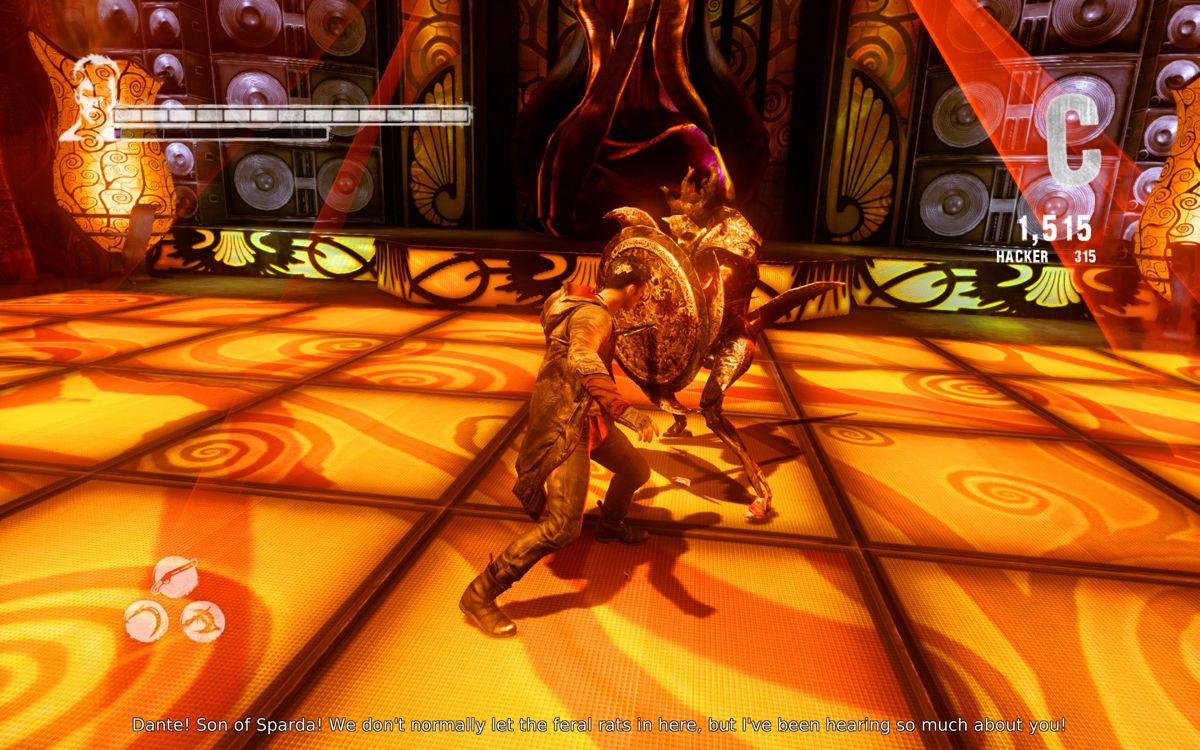
The first hour makes a strong case for this reboot on movement alone. Dante is built to stay in motion: Rebellion handles the dependable close-range work, Ebony and Ivory add ranged pressure, and grapples let you pull enemies in or fling yourself toward them. You are not meant to stand at a safe distance and trade blows. The fun starts when you stop treating each encounter as a series of isolated attacks and begin linking sword strikes, gunfire, dodges, and pulls into one aggressive sequence.
Weapon switching is where DmC finds its rhythm. Angel tools such as Osiris and the shuriken favor speed and reach, while Devil weapons bring the heavy axe and lava fists for more forceful hits. The blue Angel and red Devil split is easy to grasp, and it gives Dante a broad toolset without asking you to memorize an impenetrable command list before the action becomes enjoyable. As more options arrive through armoury unlocks, the combat asks more from your fingers but also becomes far more expressive.
That same structure can be a point of friction. Later enemies that demand the correct Angel or Devil weapon push you toward fast switching, which feels satisfying when you are already in control and restrictive when you are not. The game wants you to improvise within its rules, not ignore them. Devil Trigger is a welcome pressure release after enough power is built, slowing time and giving you a moment to regain command of a crowded fight.
Platforming sections break up the combat with grappling and auto-target firing. They are useful palate cleansers, especially after prolonged brawls, and Limbo City’s shifting spaces give these stretches more character than a simple corridor between arenas. Still, the fighting is the reason to play. If you arrive wanting a precise, high-speed action game and are willing to practice weapon swaps rather than rely on one favorite tool, the payoff is substantial.
Graphics
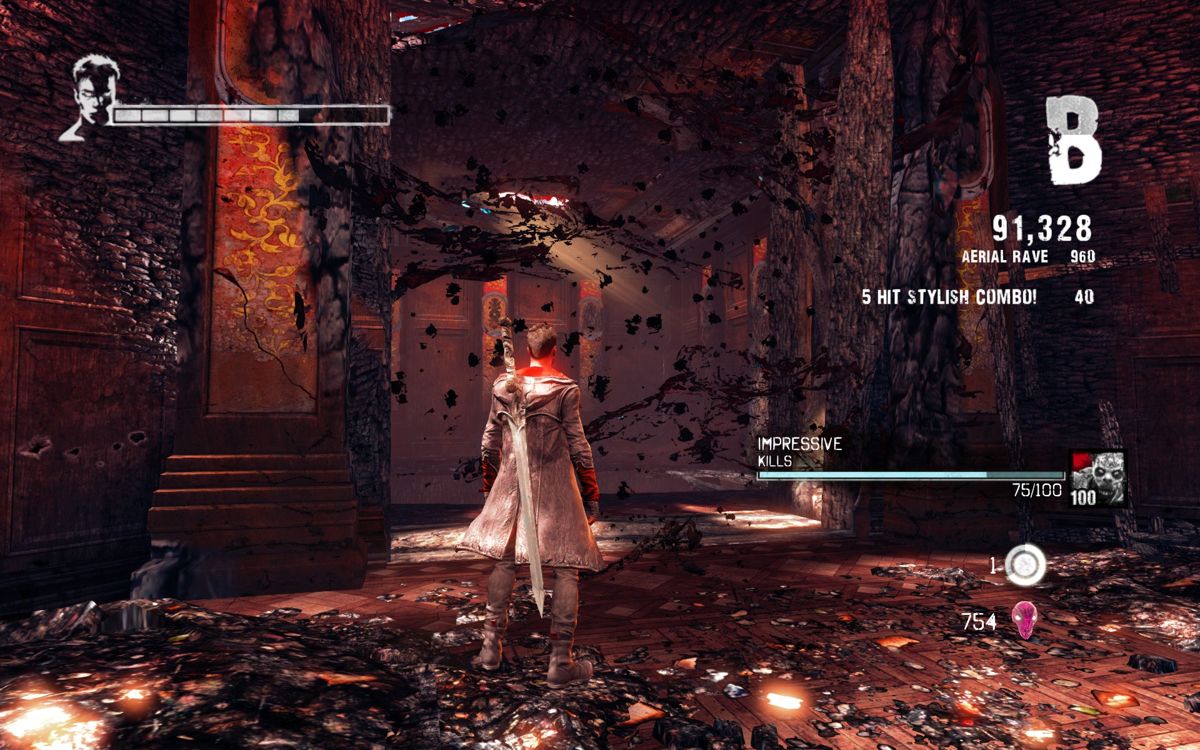
Limbo City trades the classic look of Dante for a dreary, more Western-styled world of demons, warped fantasy spaces, and technological intrusions. The strongest images come from the game bending ordinary modern settings into hostile demon territory, including a trip through the stream of the biased Raptor News and a confrontation tied to a soft-drink company.
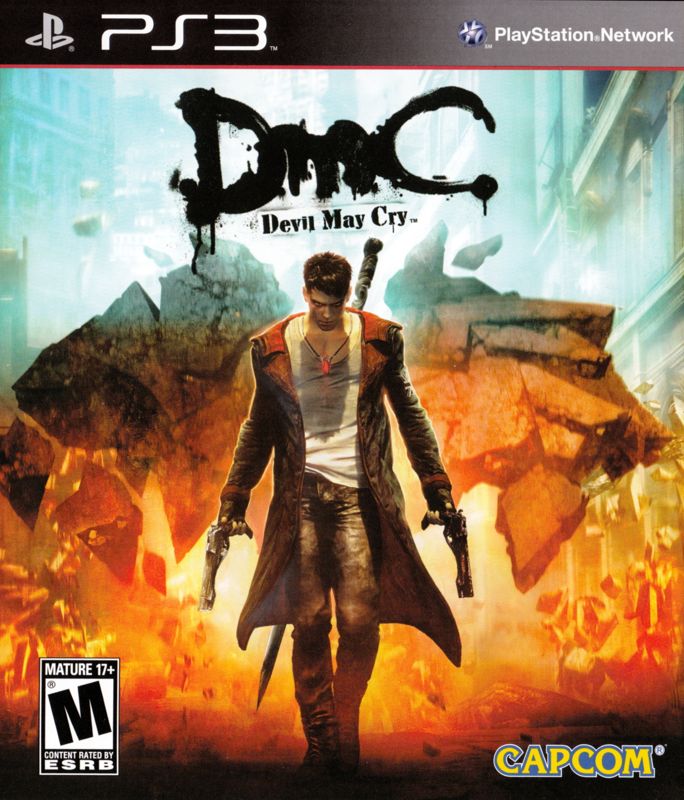
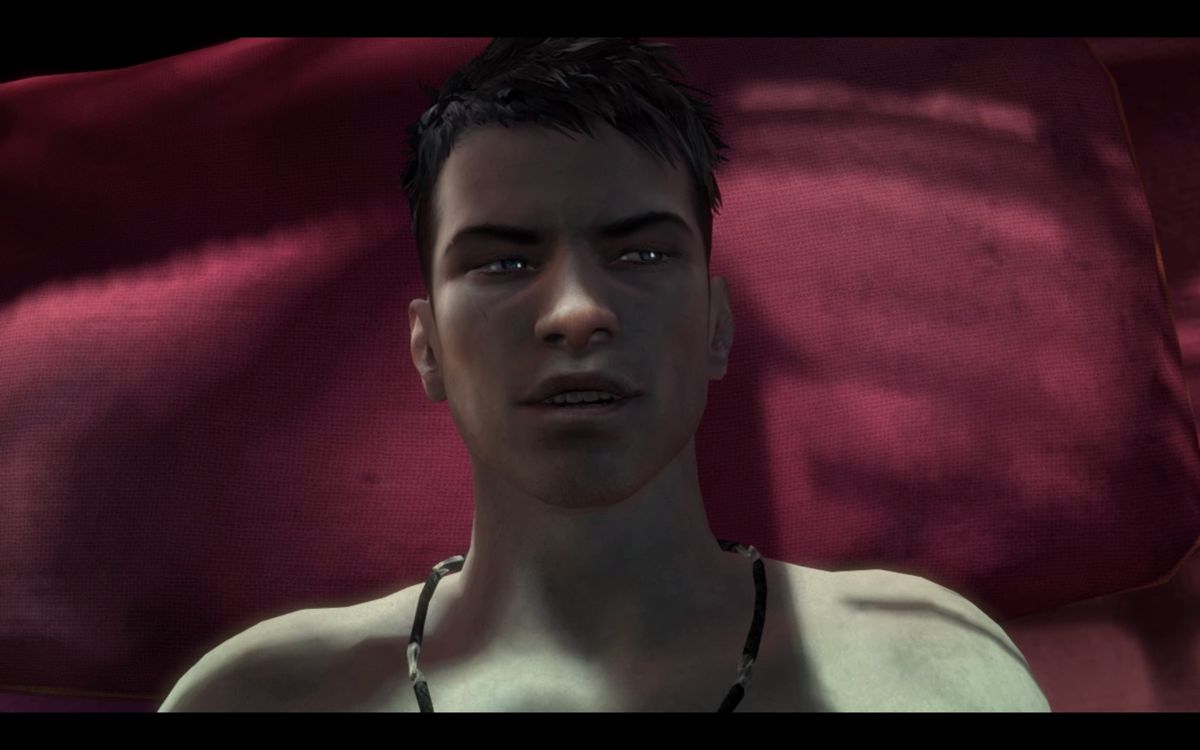
Dante’s dark-haired redesign immediately establishes that this is an alternate take, while the red-and-blue coding on Devil and Angel weapons makes the combat language easy to read in motion. The surreal locations do more than decorate the action; they keep the journey from looking like a string of interchangeable demon arenas.

Story
This Dante is deliberately a different person from the series’ familiar white-haired hero, and DmC does not pretend otherwise. The alternate-universe framing gives Ninja Theory room to pursue a harsher tone: Limbo City is secretly controlled by demons, and Dante is already a target before he understands the full shape of the conflict. Whether that reinvention works for you depends largely on how attached you are to the older interpretation.
Kat serves as Dante’s route into the larger resistance, bringing him to Vergil and The Order, a rogue group trying to wipe out the demons running the city. That setup gives the campaign a clear direction beyond simply hunting monsters. The story steadily widens from Dante’s immediate survival to a family history involving Sparda and Eva, revealing Dante and Vergil as Nephilim able to see and fight the hidden enemy.
The plot’s most memorable touches are its willingness to put demonic control inside familiar systems rather than only ancient fantasy spaces. A news stream and a corporation become part of the threat, matching the reboot’s contemporary, Western-leaning tone. It is a bold interpretation, not a neutral continuation, and that makes it more interesting than a retread even when the new Dante may divide long-time fans.
Overall Experience
DmC: Devil May Cry earns its reputation as a strong action game because it understands momentum. At first you can get by with Rebellion, pistols, and quick dodges. Then the weapon set expands, enemy demands become sharper, and suddenly a fight that once felt like button mashing becomes a small performance of pulls, launches, swaps, and well-timed evasions.
The reboot’s biggest risk is also its clearest strength. It changes Dante’s look, tone, and universe so thoroughly that fans looking for the old character may bounce off before the combat gets a chance to make its case. Give it room to be its own thing, though, and the alternate setting, Kat and Vergil’s resistance, and the demon-corrupted city supply a distinctive frame for the action.
For a deeper look at the game’s background and release history, the DmC: Devil May Cry overview is useful. More importantly, you should play this if the idea of learning a flexible combat system sounds better than coasting through a straightforward brawler. The color-locked encounters occasionally narrow your choices, but the core loop of switching weapons and keeping Dante moving is satisfying enough to make the adjustment worthwhile.


Reviews
There are no reviews yet.