 Retro Replay Retro Gaming History, Reviews & Emulation

Retro Replay Review
Gameplay
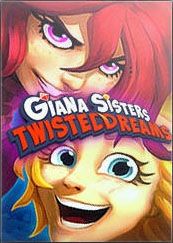
The first few levels make the central idea immediately satisfying. Cute Giana can twirl, slow her fall, and stay aloft, while Punk Giana can bash through weak barriers, reach higher routes, and take out enemies. Switching between them at any time changes the world around you as well as Giana herself, so a platform may reverse course, an obstacle may vanish, or a route that looked impossible may suddenly become the obvious way forward.
That twist button turns ordinary side-scrolling into a constant small conversation with the level design. You are not just timing jumps; you are deciding which version of the world needs to exist at the exact moment you land. It starts to click when you stop treating transformation as an occasional key and begin switching in midair to extend a fall, clear a barrier, or redirect a moving platform. The best stretches feel nimble and clever without becoming overly complicated.
There is a welcome balance between forward momentum and replay value. You collect gems to open subsequent levels, and each stage grades your performance from one to five stars based on factors including gem collection and respawns. That gives completion-minded runs a clear target, but the standard checkpoint system means a single bad jump does not turn every level into a miserable endurance test.
Bosses are a more focused change of pace: you avoid attacks and work out how to land three hits. They fit the game’s trial-and-adjust rhythm, though the larger challenge is usually the platforming itself. If you want real pressure, Hardcore removes checkpoints and forces a complete restart after death; Über-hardcore goes further, returning you to the first level after a single death. Those modes are for players who genuinely enjoy repetition and precision, not a required hurdle for seeing what makes the game work.

Graphics
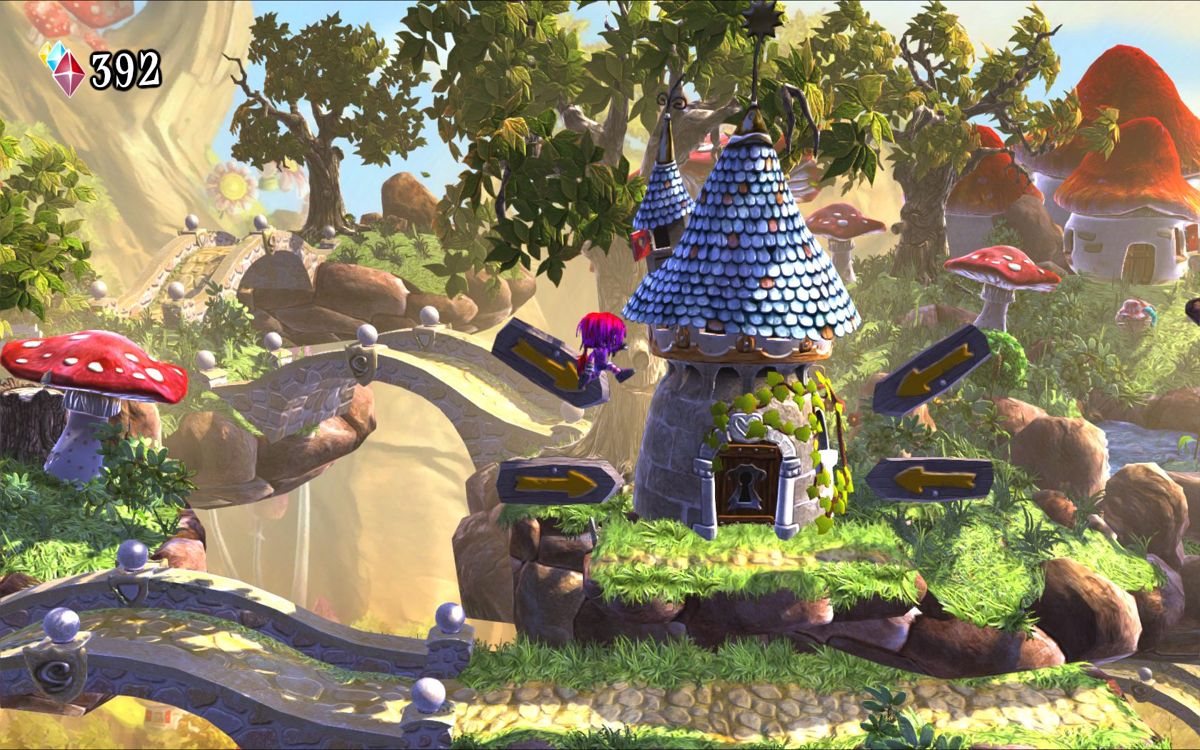
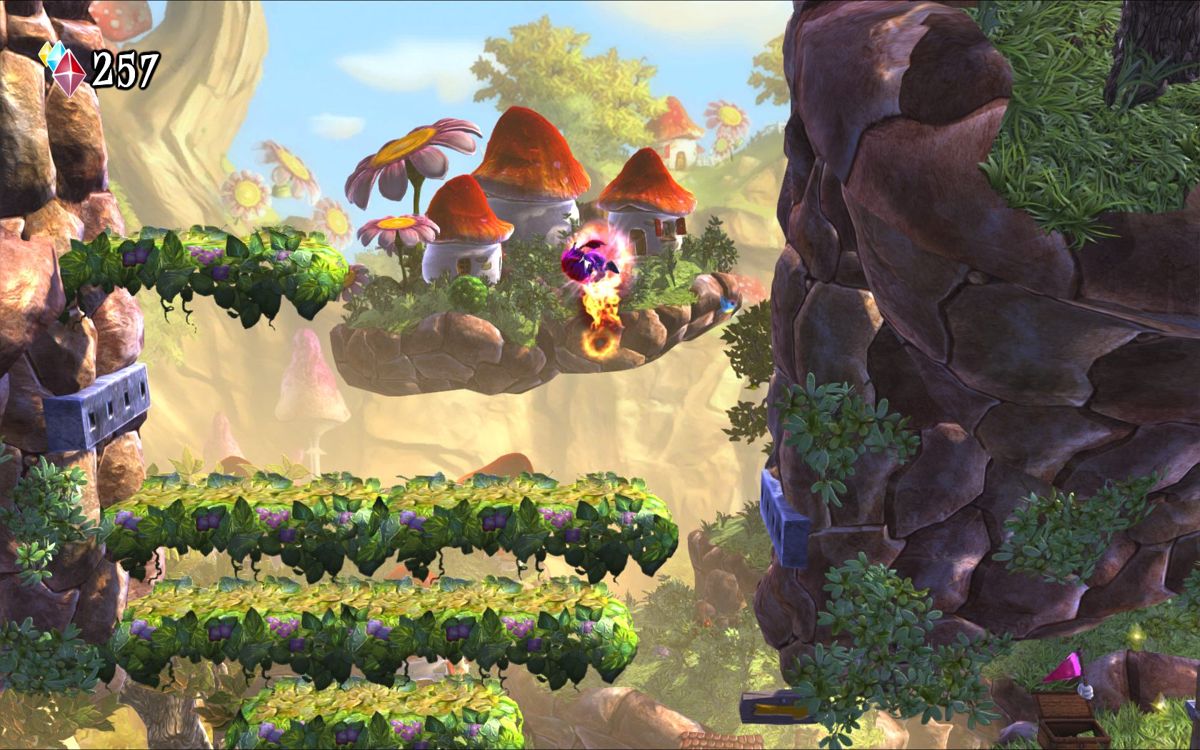
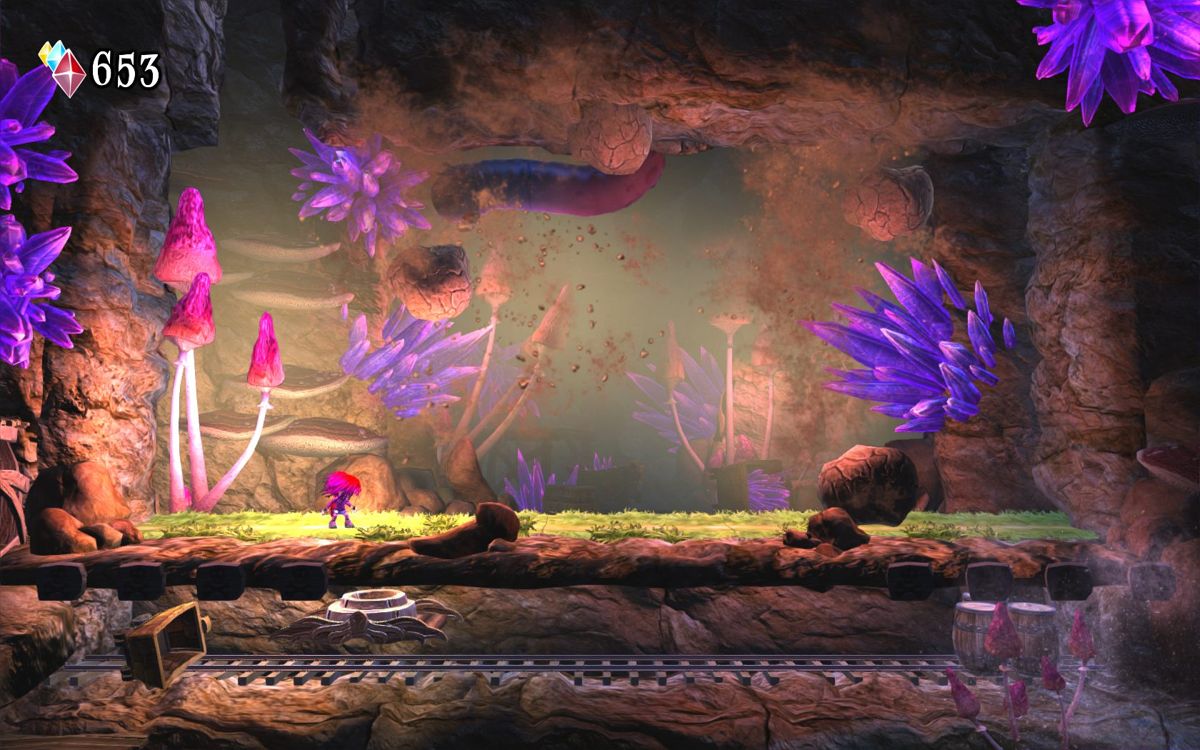
The 2.5D side view makes the transformations easy to read because the surroundings change immediately when Giana twists between dreams. Cute Giana’s peaceful nightmare state and Punk Giana’s more aggressive fairy-dream form give the two movement sets a clear on-screen contrast, while enemies, weak obstacles, and shifting platforms are central parts of the route-reading.
Story
The story is a clean excuse to enter the dream world: Maria disappears through a warp gate, and Giana leaps in before it closes to bring her back. It is direct, functional motivation, and that is the right scale for a game built around quick levels and repeated runs.
The dream-world premise matters most because it explains why the rules can change on command. The switch from Cute Giana’s peaceful attitude and music to Punk Giana’s anger and metal arrangements makes each transformation feel like more than a utility toggle, even when you are mostly thinking about the next platform.
Series history is a small extra rather than a barrier. This follows the original 1987 game and the DS reimagining, and you can look at Giana Sisters DS for that earlier branch of the series. Newcomers can jump straight into Twisted Dreams without needing prior knowledge; the rescue setup is all the context you need. For release and development history, the game’s Wikipedia overview is also useful.
Overall Experience
Giana Sisters: Twisted Dreams earns its place with a transformation mechanic that changes both your abilities and the level geometry, rather than simply repainting the scene. That one idea carries a lot of weight, and the game keeps finding practical ways to make you use it. When a tricky route finally makes sense, it feels like you solved it through movement rather than by stumbling into an answer.
Frustration is most likely to arrive when you chase better star ratings or step into the no-checkpoint modes. The game asks for cleaner execution there, and Hardcore in particular turns every familiar hazard into a serious commitment. Fortunately, the ordinary checkpoint structure keeps the main path approachable enough that you can enjoy the platforming without immediately signing up for its sternest demands.
Give it a chance if you enjoy platformers that reward learning a level’s rhythm and then shaving mistakes from your run. The soundtrack shift between peaceful and metal arrangements adds punch to the two forms, the gem hunt gives levels a reason to revisit, and the extreme modes provide a durable challenge after the first completion. It is not trying to bury you in systems; it is built around one strong idea and uses it well.


Reviews
There are no reviews yet.