 Retro Replay Retro Gaming History, Reviews & Emulation
Retro Replay Review
Gameplay
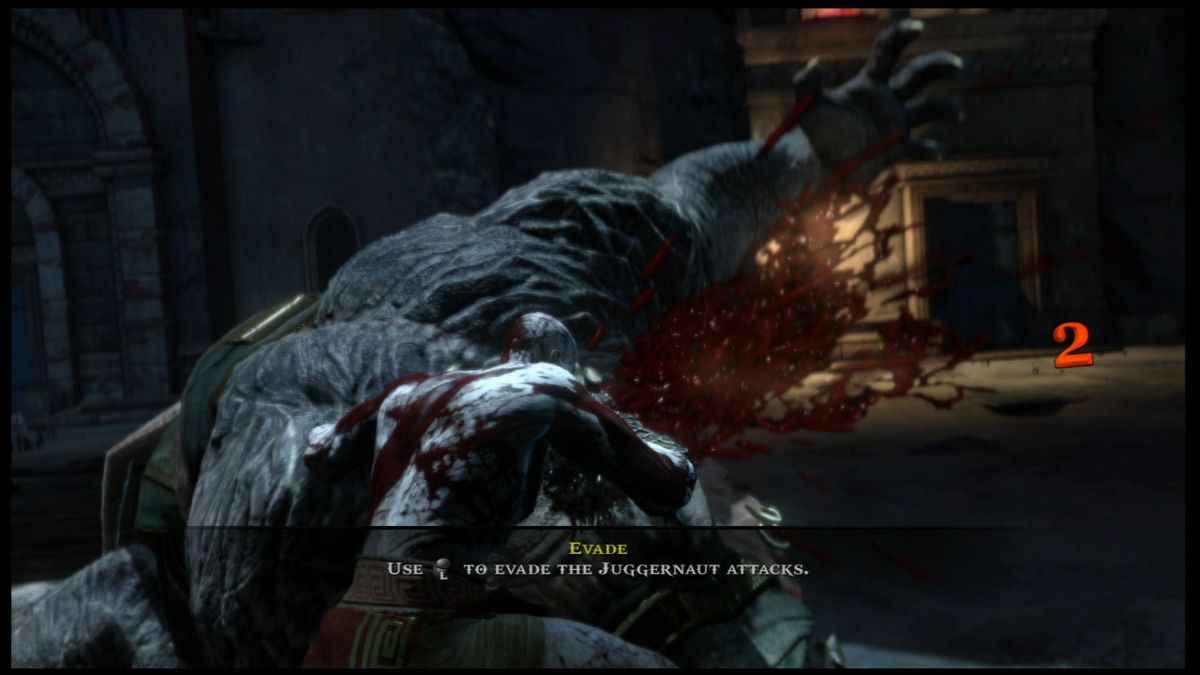
The first hour of Ascension feels comfortingly direct. Kratos has his Blades of Chaos, enemies are eager to surround him, and the game wastes little time reminding you why this series became synonymous with weighty hack-and-slash combat. Attacks build Rage, and when the meter fills, it erupts automatically rather than waiting for a button press. That change makes aggression the whole point: keep attacking to sustain the advantage, but know that taking a hit can cut your burst short.
What makes this entry more than a routine return is the extra equipment layered onto that core. Kratos can pick up World Weapons during combat, giving you temporary alternatives to the chained blades. Four magical disciplines—Fires of Ares, Ice of Poseidon, Lightning of Zeus, and Soul of Hades—add distinct abilities and elemental power to his weapon. It is not a reinvention of God of War’s combat, but it gives you more reasons to adapt than simply repeating the same trusted strings. Ice of Poseidon even has a practical use in letting Kratos breathe underwater.
The relics push the puzzle-solving side a little further. Manipulating time, making a shadow copy, and stripping away guardian-made illusions are useful hooks because they ask you to do more than clear another arena. That said, the game’s familiar mix of combat, traversal, puzzles, and quick-time events remains very much in place. If you were already tired of that structure, Ascension will not convert you. If you enjoy the cadence of a God of War campaign, its additions are enough to make the formula feel busier without losing its force.
Multiplayer is the unusual extra. Before a battle, you align with Ares, Hades, Zeus, or Poseidon, each granting a different ability set, then earn experience to unlock armor, weapons, relics, and magic. Team Favor of the Gods, Match of Champions, Trial of the Gods, and Capture the Flag offer a reasonable spread of competitive modes. It is a curious fit for a series built around a single furious antihero, yet the god allegiance system gives the mode more character than a generic arena brawler.
Graphics
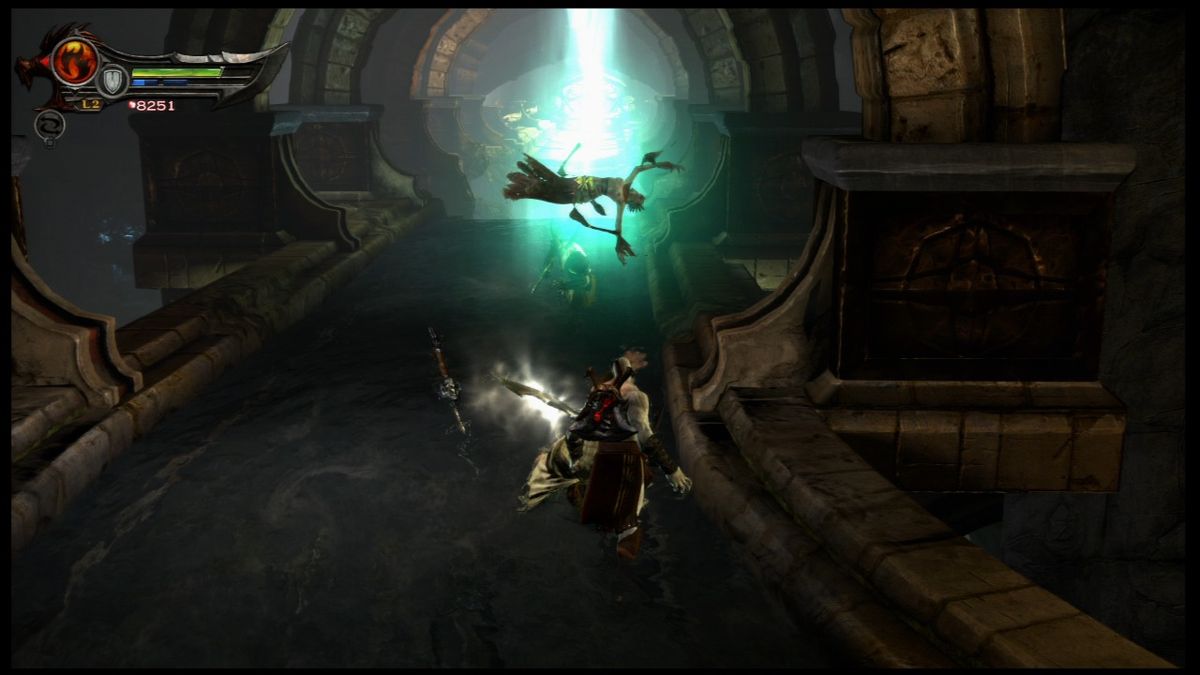
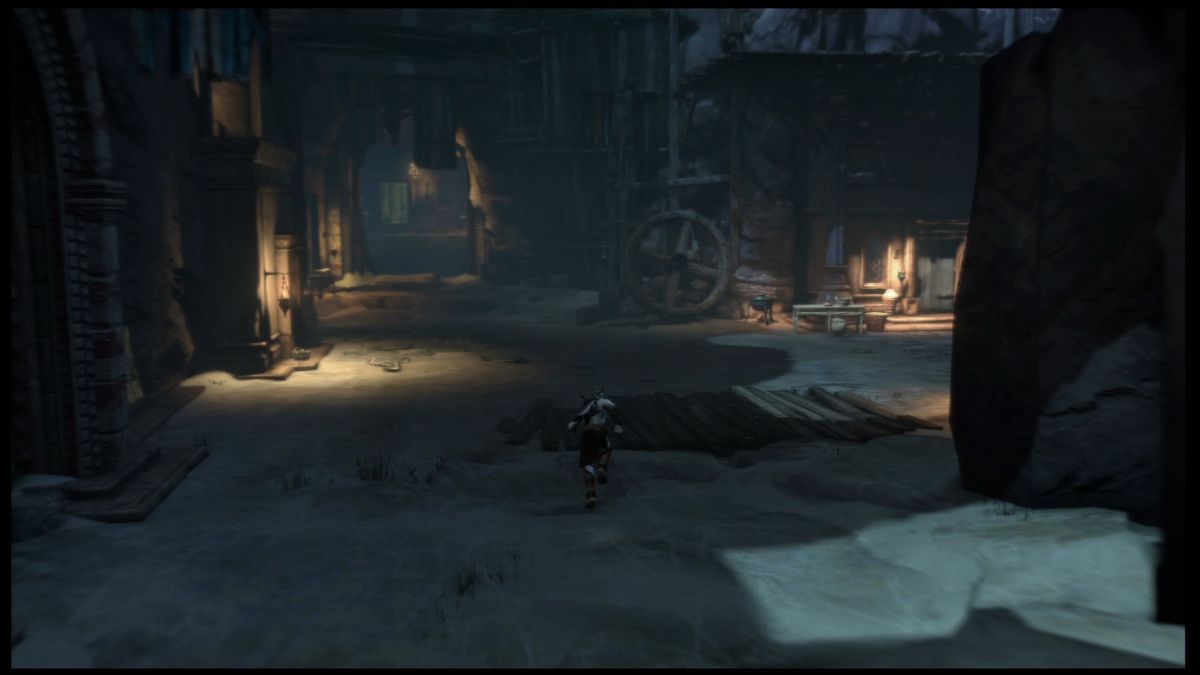
Ascension keeps the series in a third-person view centered tightly on Kratos, his chained blades, and the enemies pressing around him. The elemental disciplines give combat clear visual variety through fire, ice, lightning, and soul-based effects, while the World Weapons break up the familiar silhouette of the Blades of Chaos.
Story
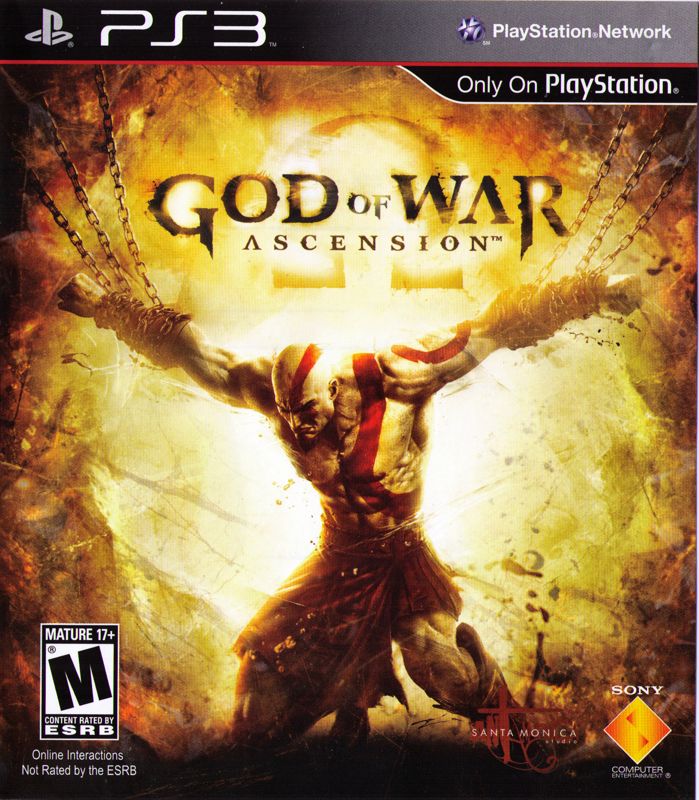
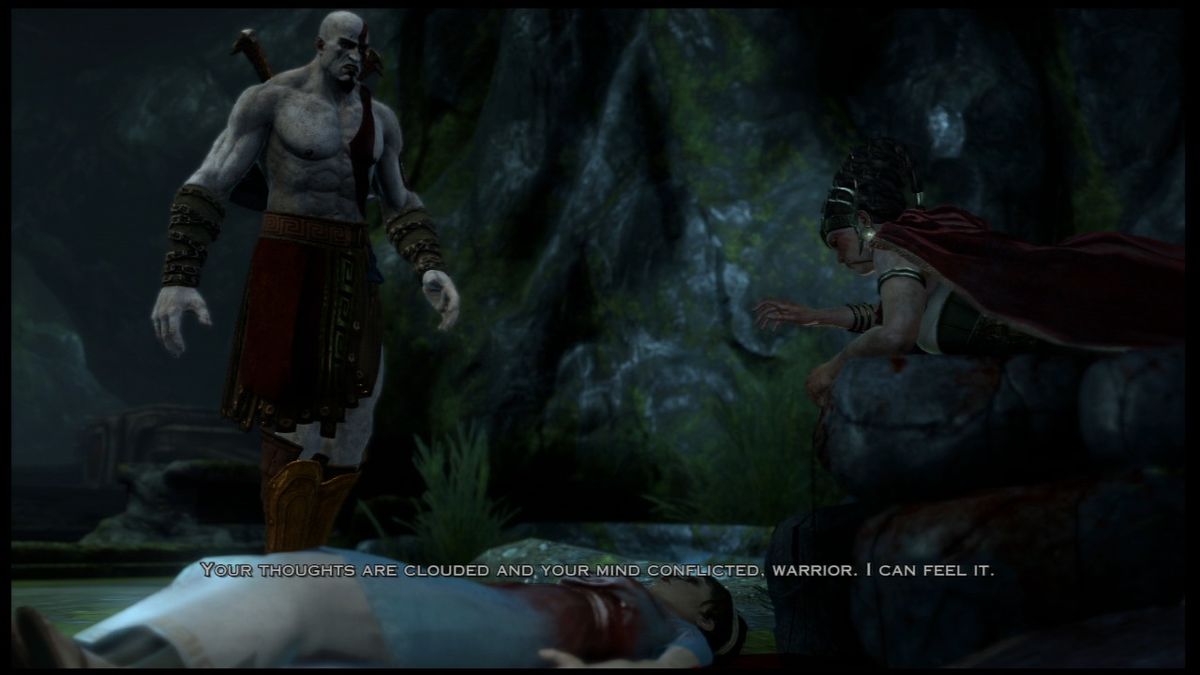
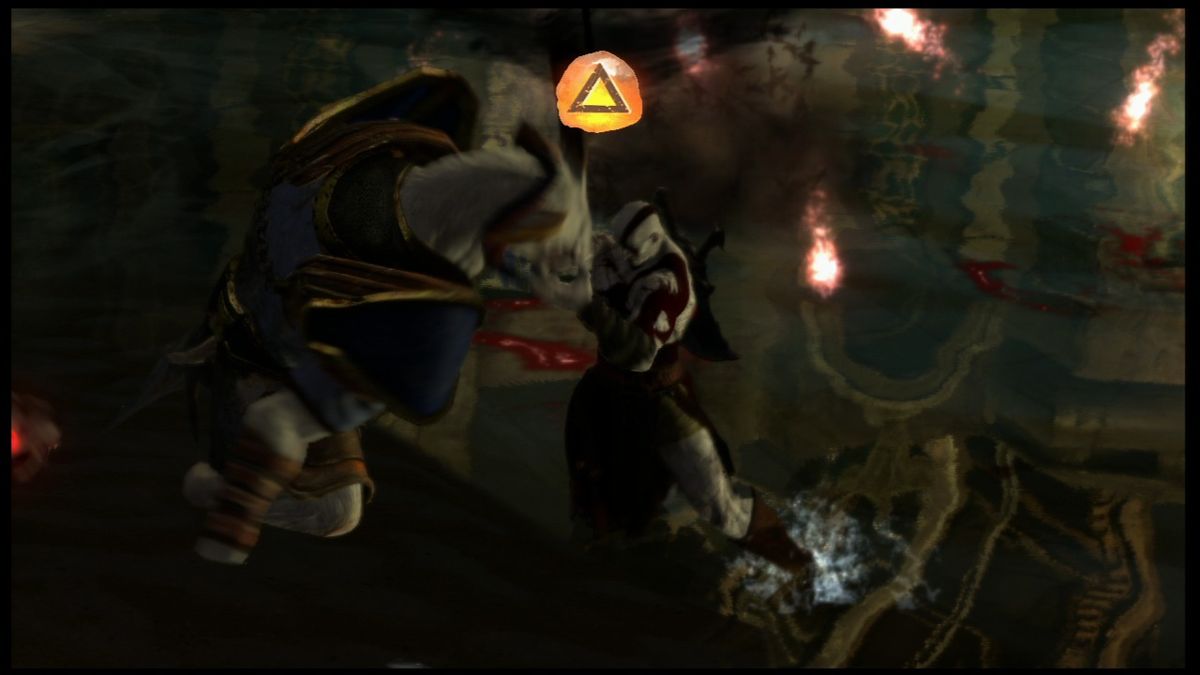
This is a prequel built around Kratos’s break from Ares. After Ares tricks him into killing his family, Kratos abandons his master and breaks their blood oath; Ascension begins with him imprisoned and fighting to escape that bond. It is grim material, and it fits Kratos naturally. You are not getting a gentler or more reflective version of him here.
The problem is inherent to the assignment: this chapter fills in history for a protagonist whose rage and tragedy were already firmly established. The stakes are personal, and the premise gives the campaign a clear engine, but it can feel less essential than the series’ larger defining conflicts. You know what kind of man Kratos becomes, so the story has less room to surprise than a forward-moving sequel.
Still, there is value in seeing the immediate aftermath of his betrayal by Ares. Ascension is most worthwhile as a focused piece of Kratos backstory rather than a dramatic reset for the series. Fans invested in his long-running war with the gods will find enough here to connect the dots; newcomers may understand the basics, but will get more out of starting with the earlier saga collected in the God of War Collection.
Overall Experience
God of War: Ascension is a solid 7.5 kind of sequel-prequel: forceful, polished in its central action, and equipped with enough new combat options to justify another trip through Kratos’s anger. The Blades of Chaos still do most of the heavy lifting, but the World Weapons, disciplines, relics, and altered Rage system make the moment-to-moment fighting more flexible than it first appears.
Frustration sets in mainly if you wanted the series to move somewhere genuinely new. The campaign leans on a structure the franchise had already made familiar, and its backstory focus cannot carry the same sense of discovery as the earlier games. The multiplayer is an ambitious bonus, not the reason to buy in, though its four god allegiances and progression give it a real identity.
Give Ascension a chance if you want more of the classic PlayStation 3-era God of War style and enjoy experimenting with a broadened set of tools in combat. Skip it only if your patience for quick-time events and another Kratos origin-era detour is already exhausted. For more background on this particular chapter, its game history and release information is useful, but the on-pad verdict is simpler: this is a worthwhile, nonessential stop in Kratos’s saga.


Reviews
There are no reviews yet.