 Retro Replay Retro Gaming History, Reviews & Emulation
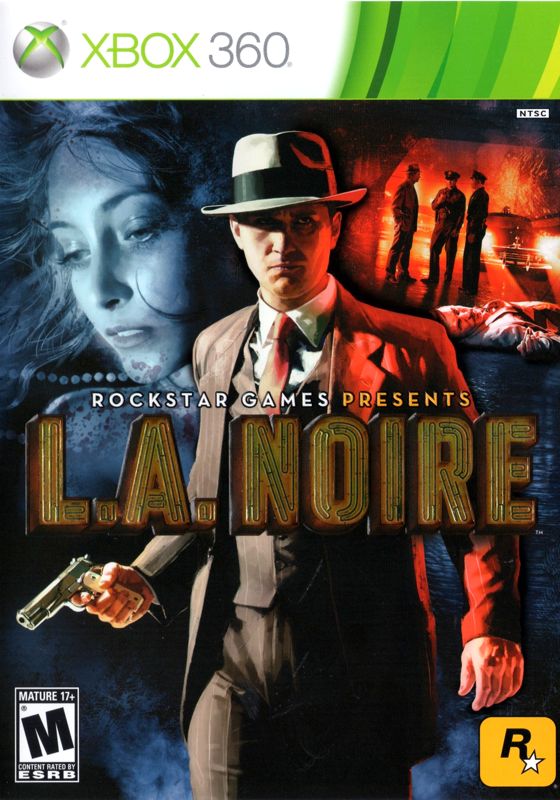

Retro Replay Review
Gameplay
The first hour makes its priorities clear: you are not here to cause trouble in an open city, but to do the painstaking work of a detective. You arrive at a crime scene, comb it for evidence, follow leads, and try to turn a collection of small details into a convincing case. It is a wonderfully specific fantasy, and L.A. Noire earns a lot of goodwill simply by committing to it.
Interrogations are where the game becomes either gripping or exasperating. You weigh a suspect’s voice and facial behavior, then choose Truth, Doubt, or Lie. A twitch, a glance away, or an evasive tone can matter as much as the evidence in your notebook. When your instinct is right, it feels like you have genuinely cornered someone. When it is wrong, the leap from what you noticed to which response the game expects can feel uncomfortably sharp.
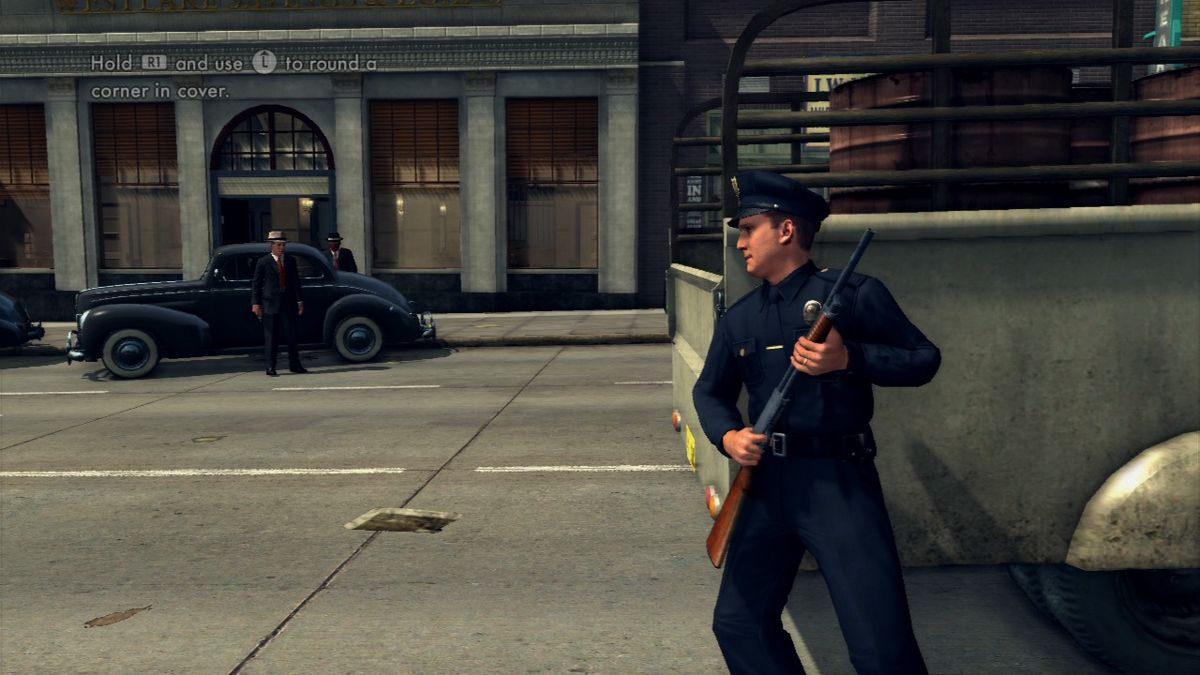
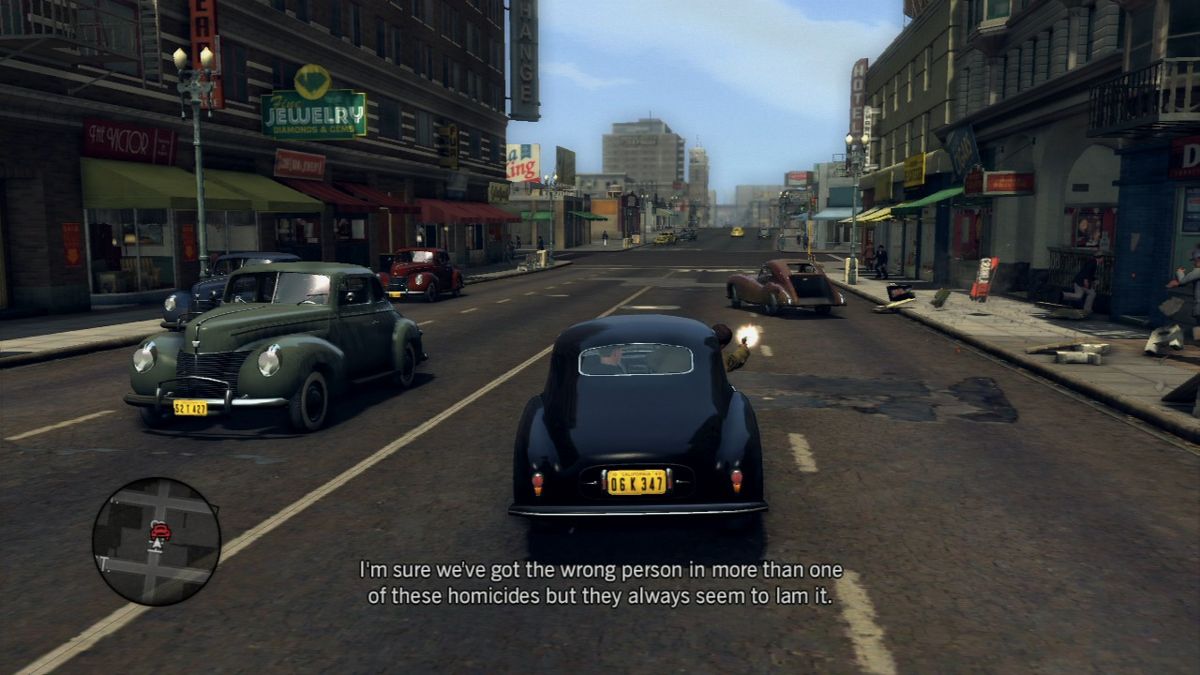
Cases usually run around an hour, which gives the game a brisk, episodic shape. You can choose the order in which to pursue some leads, while dispatch calls offer optional side investigations. Chases on foot and by car, plus contained gunfights, break up the slower stretches without turning the game into an unrestricted action sandbox. That restraint fits the role: Cole Phelps is an officer building cases, not a free-roaming criminal.
There are useful safeguards, including replayable action sequences and intuition points that can eliminate conversation options. Still, repeated bad interpretations can force a full case replay if the investigation cannot move forward. That consequence gives interrogations weight, but it also means L.A. Noire asks for patience. Treat each conversation like a puzzle rather than a performance test, and the investigation starts to click.

Graphics
The standout images are the faces. MotionScan capture gives witnesses and suspects unusually detailed expressions, and the close conversational framing makes you study their eyes, mouths, and nervous tics for clues. Because those expressions feed directly into interrogation choices, the facial work is more than decorative.
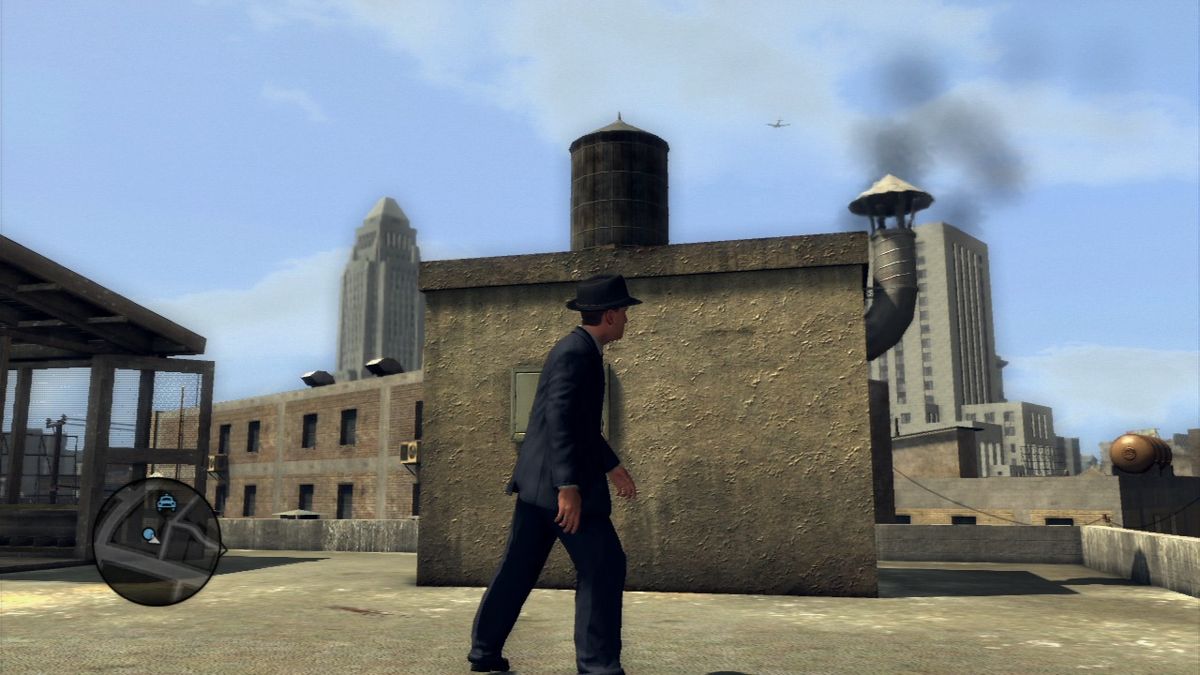
Third-person trips through 1947 Los Angeles and the case locations give the game room to shift from streets and cars to murder scenes and interview rooms. Long cinematic sequences keep the focus on the people in each investigation.
Story
L.A. Noire uses 21 largely self-contained cases to tell a broader hard-boiled story. Cole Phelps begins as a patrolman and rises through traffic, homicide, vice, and arson, with each move bringing different partners and places into his working life. That career structure gives the game an easy forward pull: even after one case closes, you want to see what the next desk and partner will demand.
The noir influence is not just a coat of paint. The game spends real time on conversations, accusations, and character development, often through lengthy cinematic scenes. Its recurring characters and Phelps’s Second World War history give the individual mysteries a larger thread, so the cases feel like chapters rather than a loose stack of crimes.
If you want every mystery to move with the speed of a thriller, the slower interviews and scene searches may test you. But the measured pacing is part of why the setting works. L.A. Noire wants you to inhabit the uncertainty of investigation, where evidence can be incomplete and a confident answer can still be the wrong one.
Overall Experience
L.A. Noire remains a distinctive detective game because it trusts observation to carry so much of the experience. Searching for clues is satisfying, but reading people is the real hook. You are asked to pay attention in a way many action games do not require, then live with the consequences of your judgment.
Its rough edge is the interrogation logic. Facial cues and evidence do not always make the intended choice feel obvious, and the threat of replaying a stalled case can turn a compelling deduction into frustration. The action sequences help with pacing, though they are supporting acts rather than the reason to play.
For anyone drawn to noir mysteries, period police drama, and games willing to move at the pace of a case file, this is easy to recommend. Its best moments make you feel sharp for noticing one small lie; its worst moments make you question whether the game explained that lie clearly enough. The payoff is worth it, because few games make the basic act of listening across a desk feel so tense.


Reviews
There are no reviews yet.