 Retro Replay Retro Gaming History, Reviews & Emulation
Retro Replay Review
Gameplay
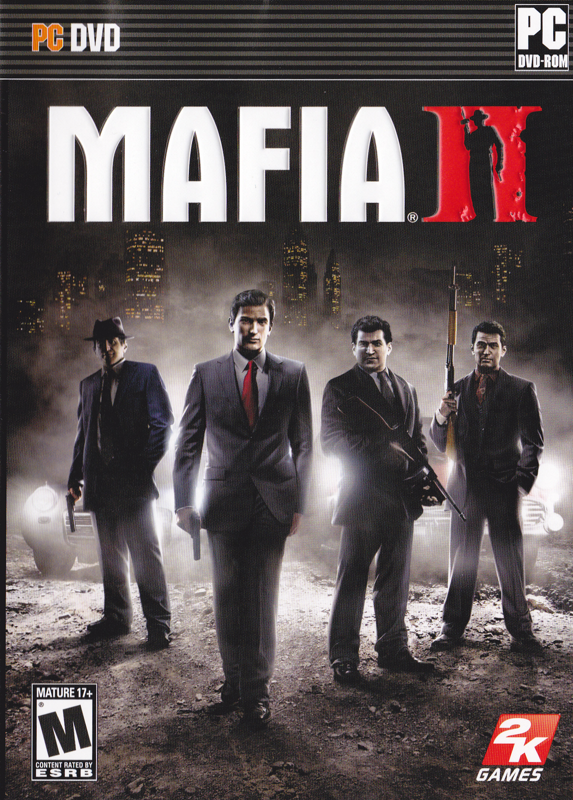
Mafia II starts with a useful bit of friction: Vito is not immediately a made man cruising around with nothing to lose. His path from a failed robbery to army service, then back to debt-ridden Empire Bay, gives the early missions a grounded reason to keep moving. You drive, arrive, handle the problem in front of you, and gradually watch ordinary errands turn into organized-crime work. The chapter structure keeps that momentum tight.
The strongest mechanical choice is the cover-based shooting. Running into the open gets Vito killed quickly, while his health only regenerates after a short pause, so fights reward patience rather than reckless aggression. Lean into cover, take measured shots, and use the Colt 1911, tommy gun, shotgun, MP 40, or M3 when the situation suits it. It is a familiar third-person rhythm, but it fits a game where a careless move should feel costly. Joe and other allies sometimes fighting alongside Vito also give the larger shootouts some welcome backup.
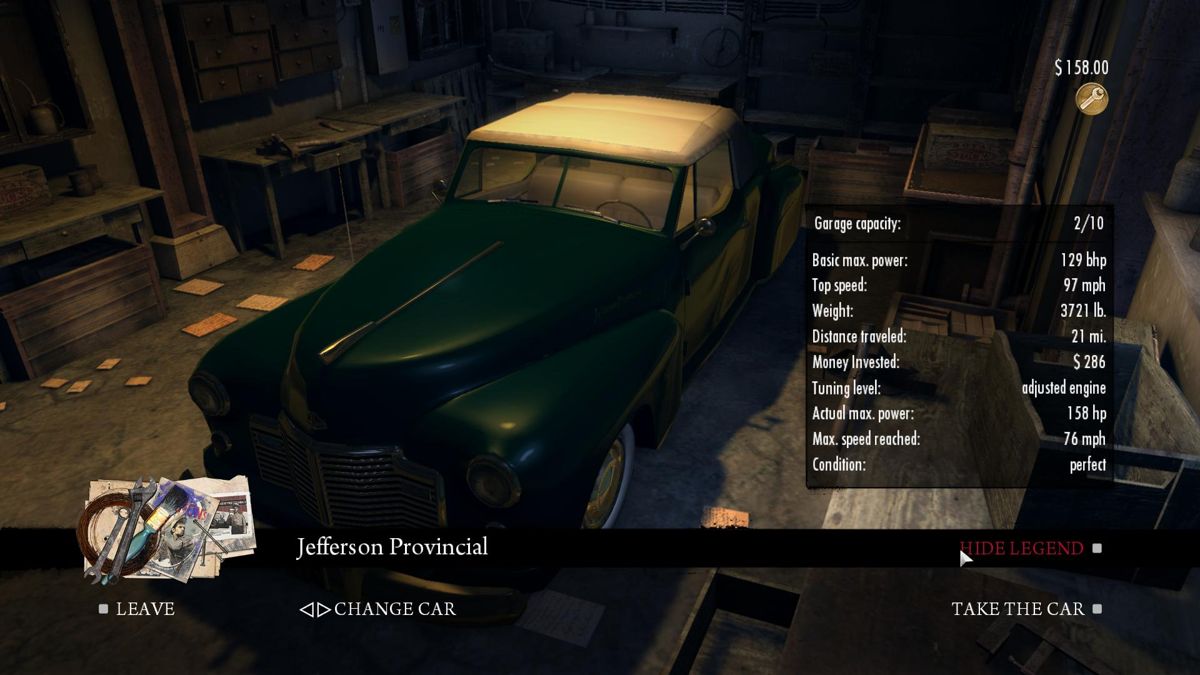
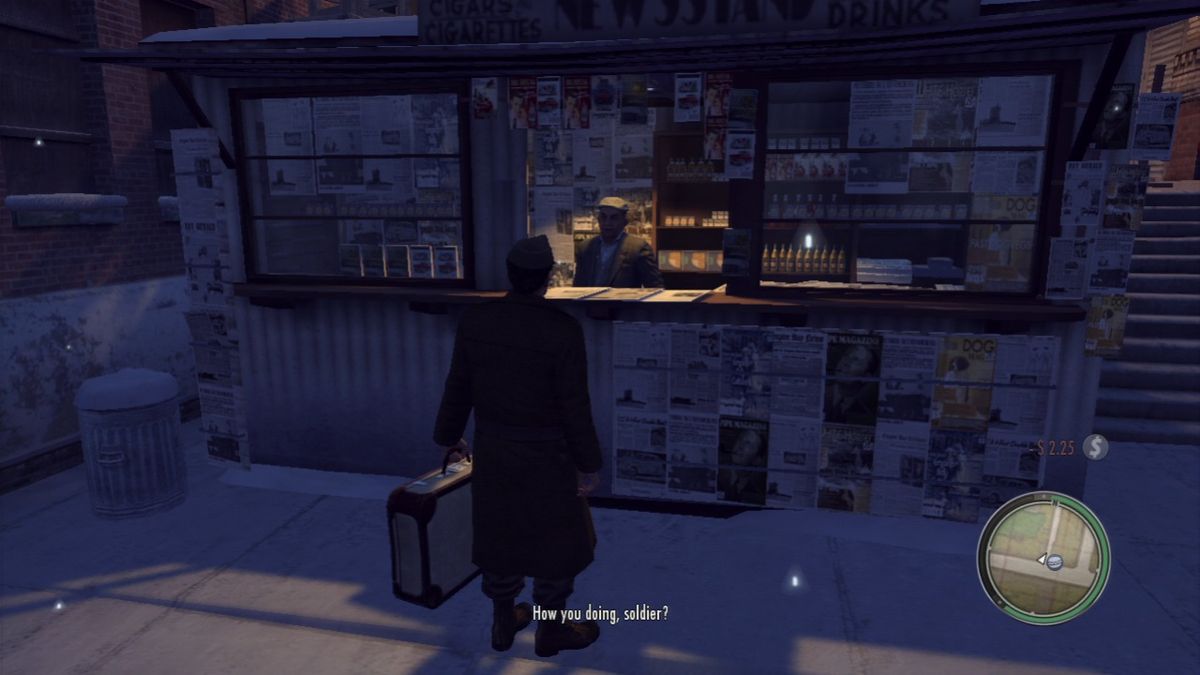
Empire Bay is open enough to drive through or explore on foot, yet it does not ask you to invent your own entertainment for long. Most driving serves the next mission: reaching a destination, stopping for something useful, or taking a different car. That focus is a strength if you want the plot to keep advancing, though it can disappoint anyone hoping for constant car chases or a city built around endless side activity. Police attention matters, too; speeding or violence can land Vito in trouble, and bribing an officer offers a practical way out.
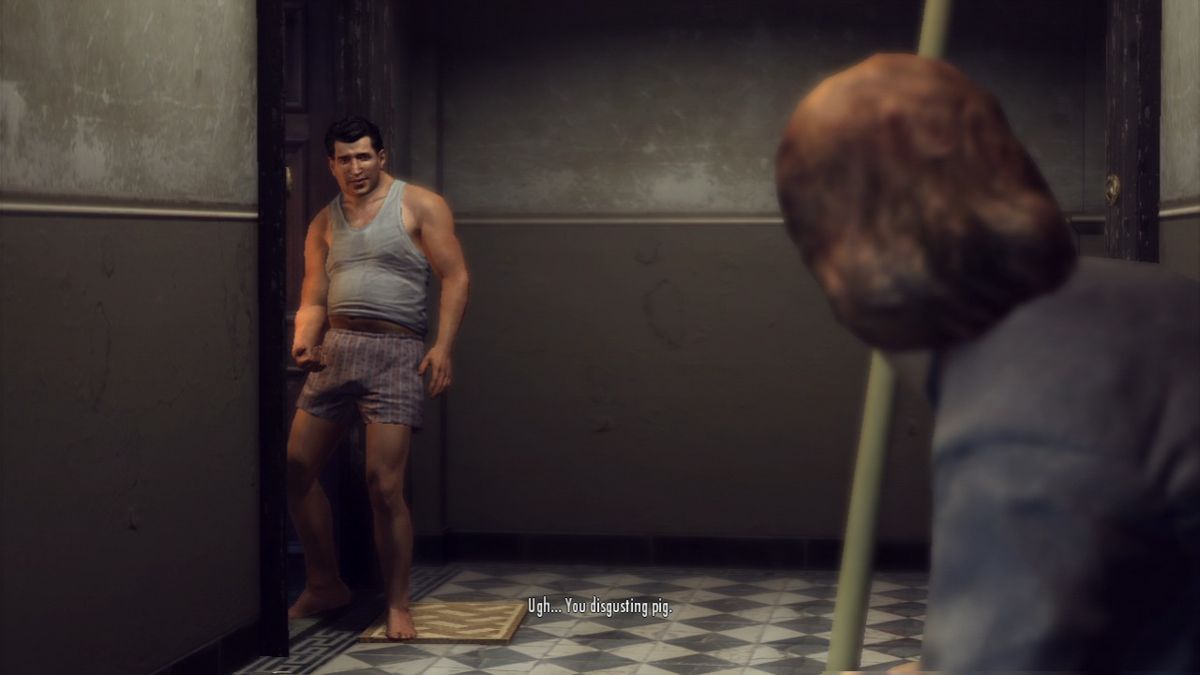
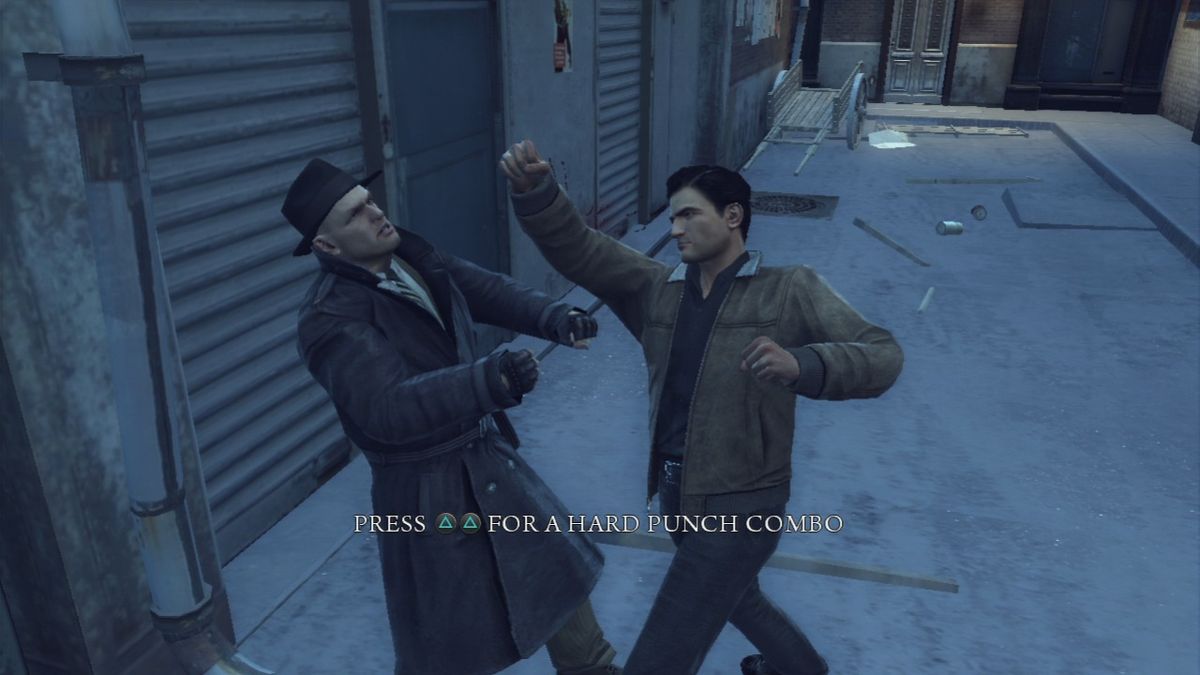
A prison stretch breaks from gunplay with melee-centered brawls, which helps the campaign avoid becoming one long sequence of cover encounters. Interiors also hide vintage Playboy magazines, giving thorough explorers collectibles that unlock erotic photos. Neither element changes the core of Mafia II, but both add texture to a campaign that understands when to briefly change the routine.
Graphics
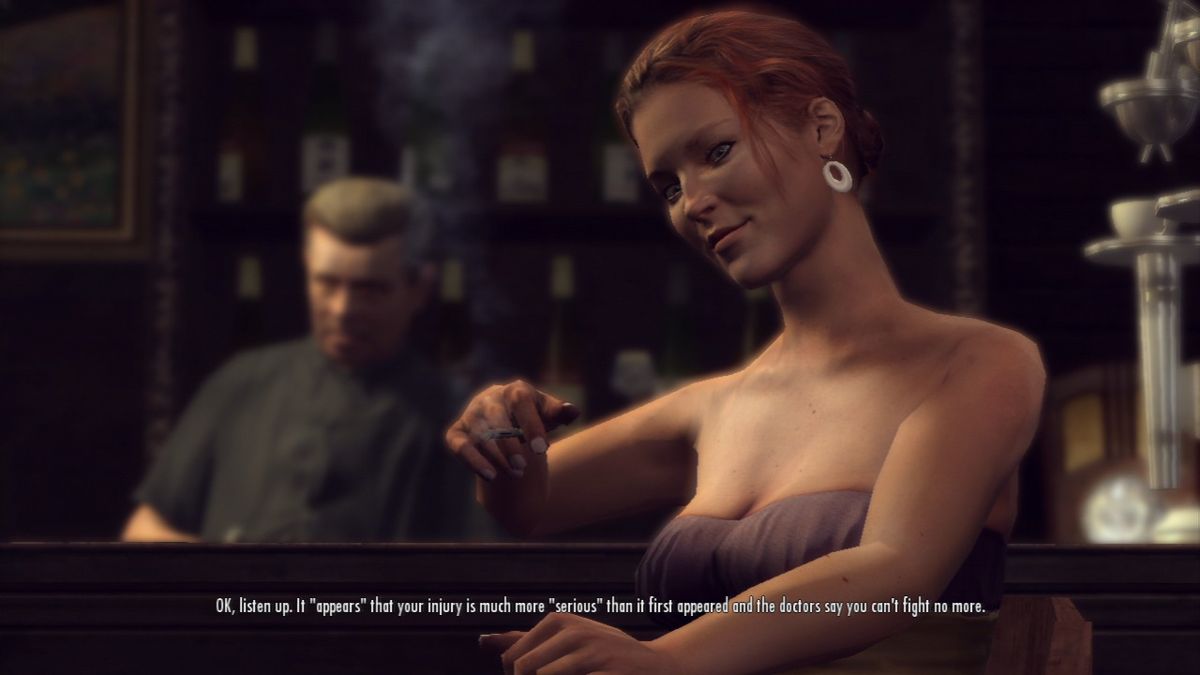
The third-person camera gives you a clear view of Vito when he is moving between cars, streets, and interiors, then tightens the focus on cover positions during shootouts. Empire Bay’s 1940s-to-1950s backdrop, WWII weaponry, and explorable interiors give its crime drama a convincing period frame without pulling attention away from the characters and the next job.
Story
This is where Mafia II earns its name. Vito’s story is not about becoming a criminal because it looks glamorous; money problems and family pressure push him toward Joe’s promise of easy cash. That makes the opening premise immediately understandable, and it gives Vito’s climb into the mafia a more human starting point than a simple power fantasy.
The campaign follows one linear route through separate chapters of Vito’s life. That structure means you are being told a specific gangster story, not assembling one from unrelated city activities. Each episode has room to feel like another escalation, and the game’s interest lies in the accumulating cost of Vito’s choices rather than in offering a clean escape from them.
Joe is central to the pull of it all. He is the friend who opens the door to crime, while Vito’s obligations give him a reason to walk through it. Mafia II also has a few ties to the first Mafia, but it stands on a different protagonist and a later era. You do not need to treat it as a retread; it is a new life story shaped by the same criminal world.
Overall Experience
Mafia II is most satisfying when you meet it on its own terms: a directed crime drama with driving between missions and cover shooting at the center. The first hours make Vito’s desperation clear, then the game lets the consequences build instead of abandoning its premise for aimless sightseeing. That sense of direction is its biggest advantage.
There are limits to that focus. The city is free to roam, but the main missions do most of the meaningful work, and driving has fewer chases and violent confrontations than the earlier Mafia. If you mainly want a huge playground full of distractions, Empire Bay may feel more like a stage for the story than your personal kingdom.
For everyone else, the payoff is worth it. The combination of Vito’s downward path, Joe’s influence, disciplined cover firefights, and period crime atmosphere makes Mafia II a compelling follow-up with a clearer shooting foundation than its predecessor. Give it a chance if you would rather follow a well-paced gangster tale than spend dozens of hours making your own.


Reviews
There are no reviews yet.