 Retro Replay Retro Gaming History, Reviews & Emulation
Retro Replay Review
Gameplay
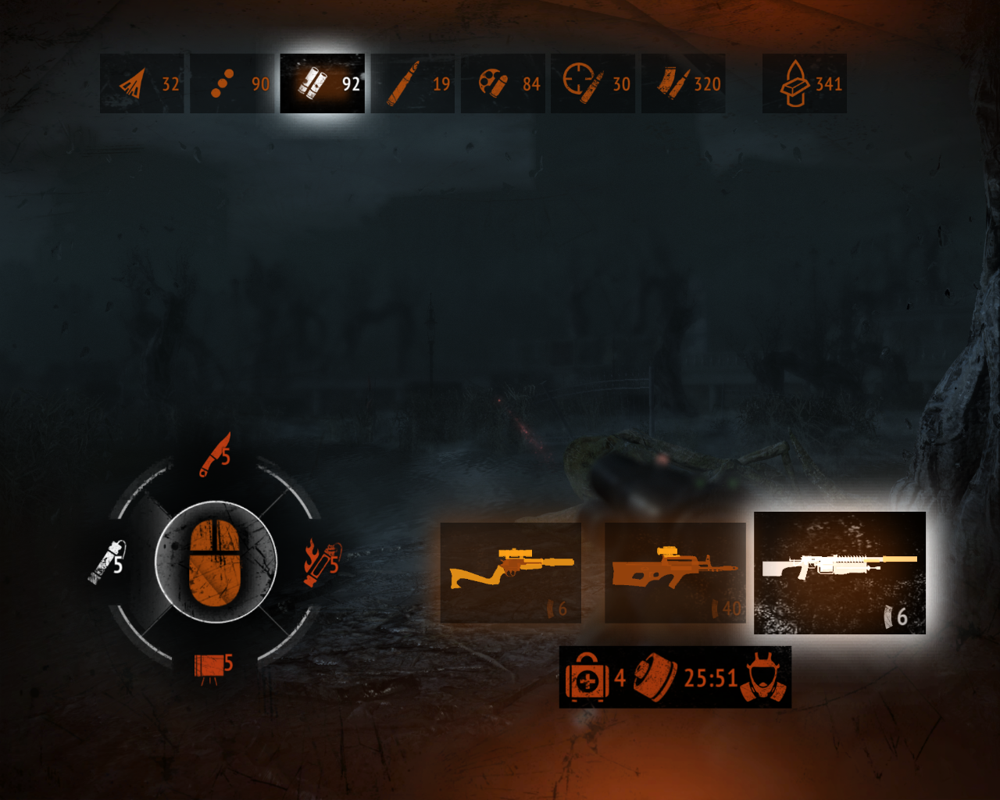
The first hour establishes Metro: Last Light’s best trick: it makes a basic shooter economy feel personal. Artyom can carry three weapons, but ammunition is scarce, and premium bullets double as currency in the Metro. Spray through every encounter and you are not simply wasting pickups; you are spending resources that could matter later. That gives even ordinary combat a nervous edge.
Stealth is where the game is strongest. Against armed human foes, sneaking is not a side activity for a bonus reward; it is usually the sensible answer. You can choose a direct assault or a quieter route, and lethal or non-lethal takedowns give those encounters some welcome moral and practical flexibility. When a plan comes together and you bypass a dangerous group without turning the tunnels into a shooting gallery, Last Light feels far more satisfying than a routine run-and-gun campaign.
Mutants change the rhythm. They are the reason hoarding ammunition can become impossible, and the game does not let you remain comfortably hidden forever. The above-ground sections are particularly stressful: Artyom needs a gas mask, filters must be scavenged from bodies and containers, and a damaged mask becomes an immediate survival problem. Some surface creatures can seize him and drop him from heights, adding a nasty jolt to an already hazardous environment.
That pressure can frustrate you when you enter a difficult sequence short on supplies, but it is also what gives the game its bite. Last Light asks you to pay attention, search carefully, and treat every encounter as a problem rather than a target range. If you want carefree action, its constant resource anxiety may wear thin. If you like shooters that make restraint feel powerful, it clicks quickly.
Graphics
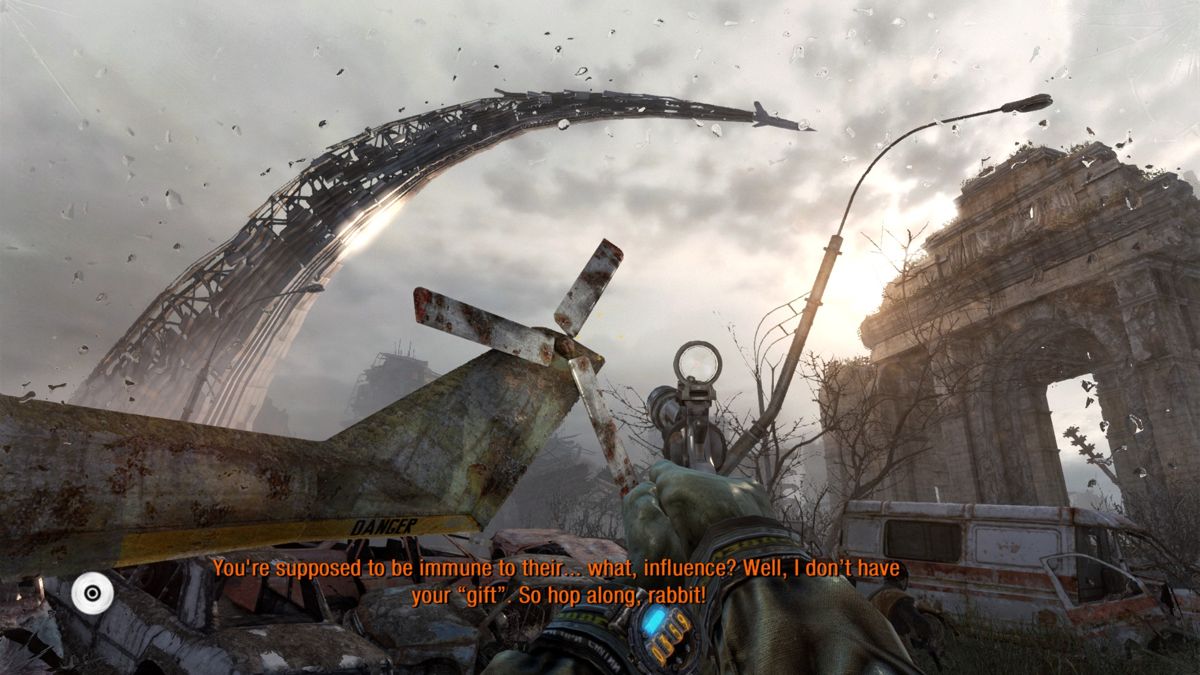
The contrast between cramped Metro tunnels and the poisoned surface gives the game its most memorable imagery. In the tunnels, you move through inhabited stations as well as mutant-infested passages; above ground, Artyom’s gas mask becomes central to the view and its cracking condition is a clear, unnerving reminder that the air itself is an enemy.
The shifting environments also prevent the journey from becoming visually monotonous. Stations belong to different factions or communities, while the surface trades shelter for toxic hazards, exposed ruins, and mutant attacks.
Story
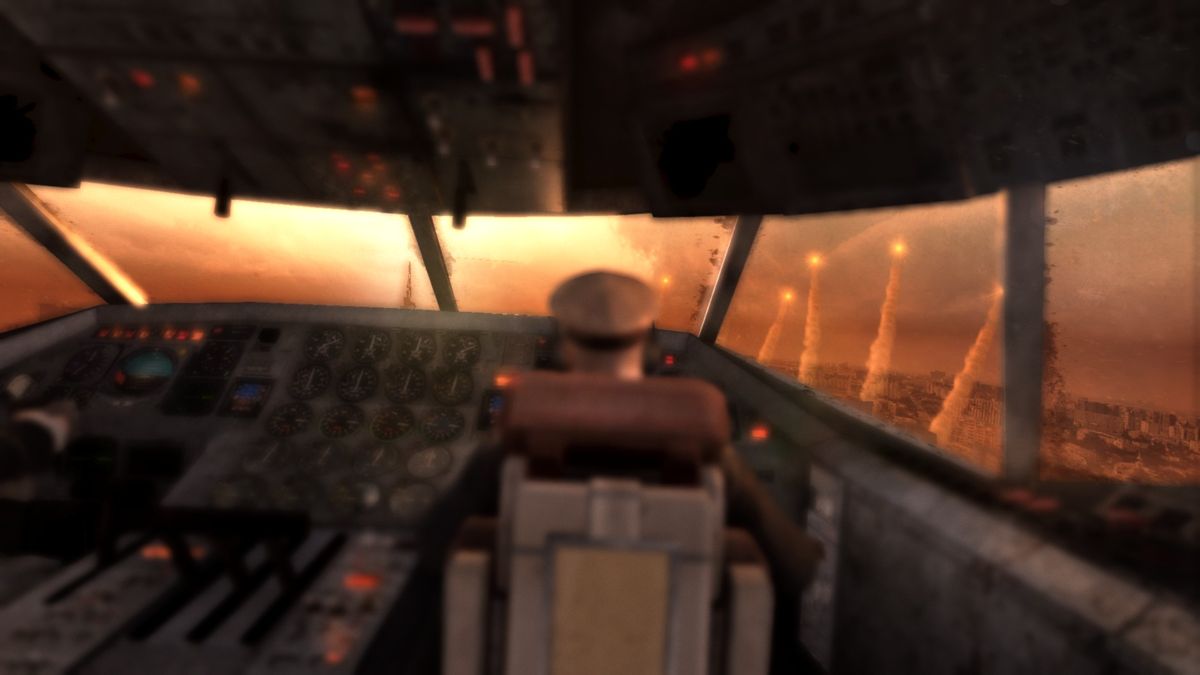
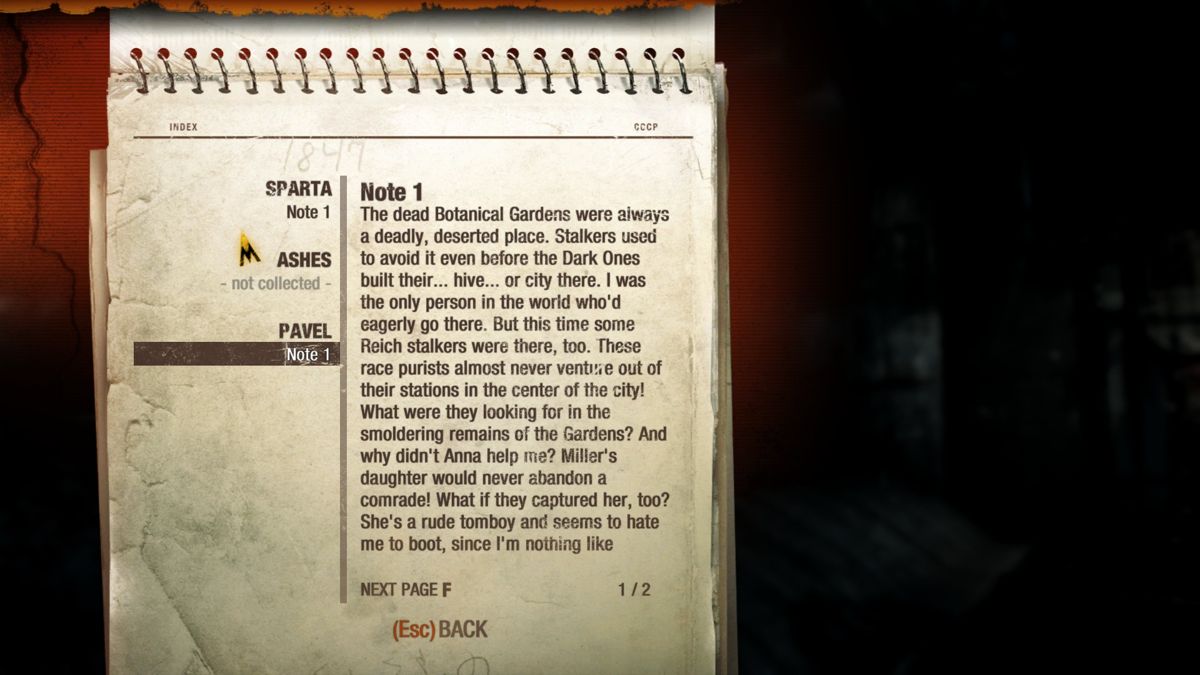
Last Light begins after Artyom’s earlier victory over the Dark Ones, a victory that earned him Ranger status but did not bring peace. Moscow’s survivors remain trapped beneath a nuclear-ravaged city, and the Metro is still torn between mutants and human factions including the Reich and the Reds. It is a strong setup because the supposed heroism of the past is already under question.
The discovery that one Dark One survived the missile strike pushes the story beyond a simple monster hunt. When Artyom meets this survivor and begins to understand that the situation may not be as clear as he believed, the game gives its violence a more interesting context. The Dark Ones are not just another enemy type to clear from a corridor; they are tied to Artyom’s uncertainty about what humanity has done and what it might do next.
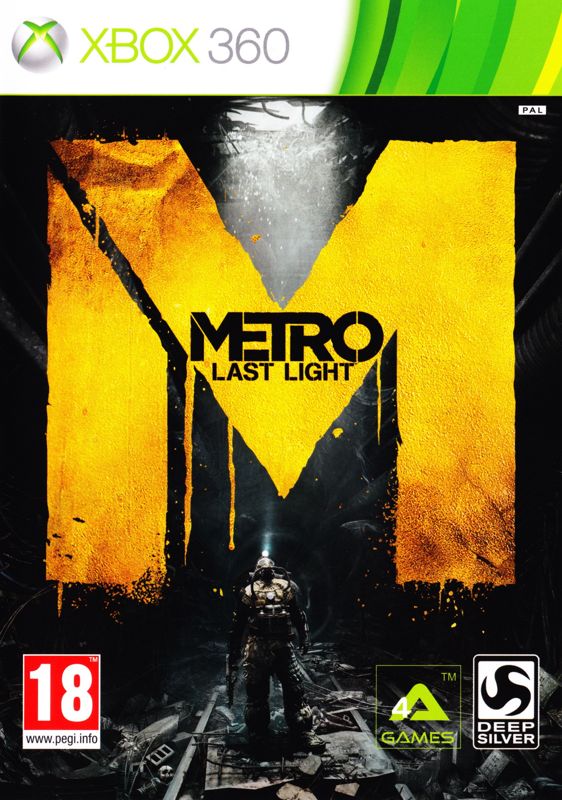
Its connection to Dmitry Glukhovsky’s Metro 2033 and its role as a sequel to Metro 2033 matter because this is a continuation, not a clean slate. You do not need a detached power fantasy to enjoy it. You need to be willing to follow a bleak chapter in which political hatred continues even after civilization has nearly ended.
Overall Experience
Metro: Last Light is at its best when its systems and story point in the same direction. Ammunition is precious, the air can kill you, armed people are often more dangerous than creatures, and choosing stealth over force feels like a believable act of survival rather than a checklist requirement.
It is not a shooter built around nonstop empowerment. The game regularly makes you feel under-equipped, exposed, and uneasy, particularly on the surface. That can make the tougher stretches feel punishing, but the tension has a purpose: survival in this Moscow is never meant to feel clean or comfortable.
Give it a chance if you want a campaign with a strong narrative spine and stealth that genuinely affects how you manage supplies. The payoff is a focused post-apocalyptic shooter that turns scarcity into suspense and uses Artyom’s encounter with the surviving Dark One to complicate a world already poisoned by fear and war.



Reviews
There are no reviews yet.