 Retro Replay Retro Gaming History, Reviews & Emulation
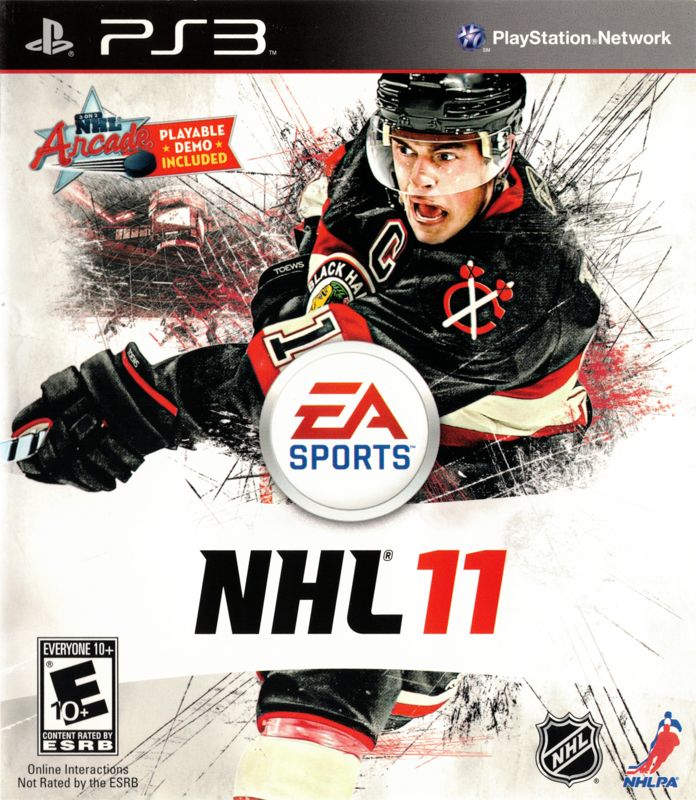
Retro Replay Review
Gameplay
The first few games of NHL 11 feel like hockey has been loosened from its rails. Previous animation-led sports games can make contact feel predetermined; here, the physics-based engine introduces more uncertainty into every battle for the puck. A hit can change the shape of a play rather than merely trigger a familiar sequence, and a broken stick turns an ordinary moment into a problem you have to solve. That unpredictability is the point, and it gives the on-ice action a scrappier, more convincing rhythm.
There is plenty here for returning series regulars to notice. Hip-checks add another physical option, the face-off system receives a refresh, and the numerous gameplay optimizations make this feel broader than one headline engine change. The additions will not magically make every match effortless: a game built around more physical consequence asks you to react to messier situations. But once you stop expecting everything to resolve cleanly, the new approach starts to click.
Hockey Ultimate Team is the mode with the clearest long-term pull. You build an ultimate roster from more than 4,000 collector cards representing players from 10 leagues, which gives your time between games a purpose beyond chasing another quick result. If you enjoy shaping a team as much as controlling one, it is an easy reason to keep coming back. If your ideal hockey game is strictly a fast standalone match, the physics changes remain the bigger draw.
Graphics
The most noticeable on-ice detail is also one of the most useful: sticks can break during play, making the action look and feel less pristine than a tightly animated sports game. Individualized cheering gives the arena response a little more character, even if the real upgrade is what the physical action communicates during a shift.
Story
NHL 11 finds its drama in the sport rather than an authored narrative. Momentum shifts, physical encounters, face-offs, and the immediate consequences of a broken stick supply the small stories of a game. That is exactly where a licensed hockey game should put its energy.
Ultimate Team adds a personal thread by letting you assemble a roster from a vast card pool. Your team composition becomes the reason one session leads into the next, and collecting players from multiple leagues makes that progression feel broader than simply sticking with one fixed lineup.
There is no need for extra narrative decoration when the match itself can create tension. NHL 11 works best when you let its new physicality produce those unscripted turns: a disrupted play, a hard check, or a face-off that matters because the game is close.
Overall Experience
NHL 11 is a strong entry because it changes the feel of the sport rather than merely polishing around it. The physics engine makes hockey more unpredictable, and that unpredictability gives familiar games fresh energy. Not every added feature carries equal weight, but the central change is meaningful enough to justify the edition.
You should give it a chance if you want hockey action with more consequence in the collisions and puck battles, especially if the prior animation-driven approach felt too controlled. The adjustment can frustrate you when a play gets untidy, yet that same roughness is what makes wins feel earned instead of prepackaged.
Hockey Ultimate Team rounds out the package with a substantial collecting and roster-building hook, while the many smaller gameplay revisions keep the core sport from feeling neglected. For additional game-specific history and release context, see this NHL 11 overview. This is not a revolution in every corner, but it is a confident, worthwhile evolution built around a change you can feel from the opening puck drop.


Reviews
There are no reviews yet.