 Retro Replay Retro Gaming History, Reviews & Emulation
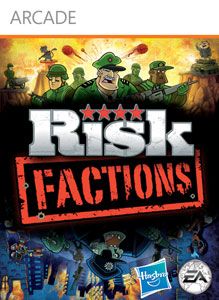
Retro Replay Review
Gameplay
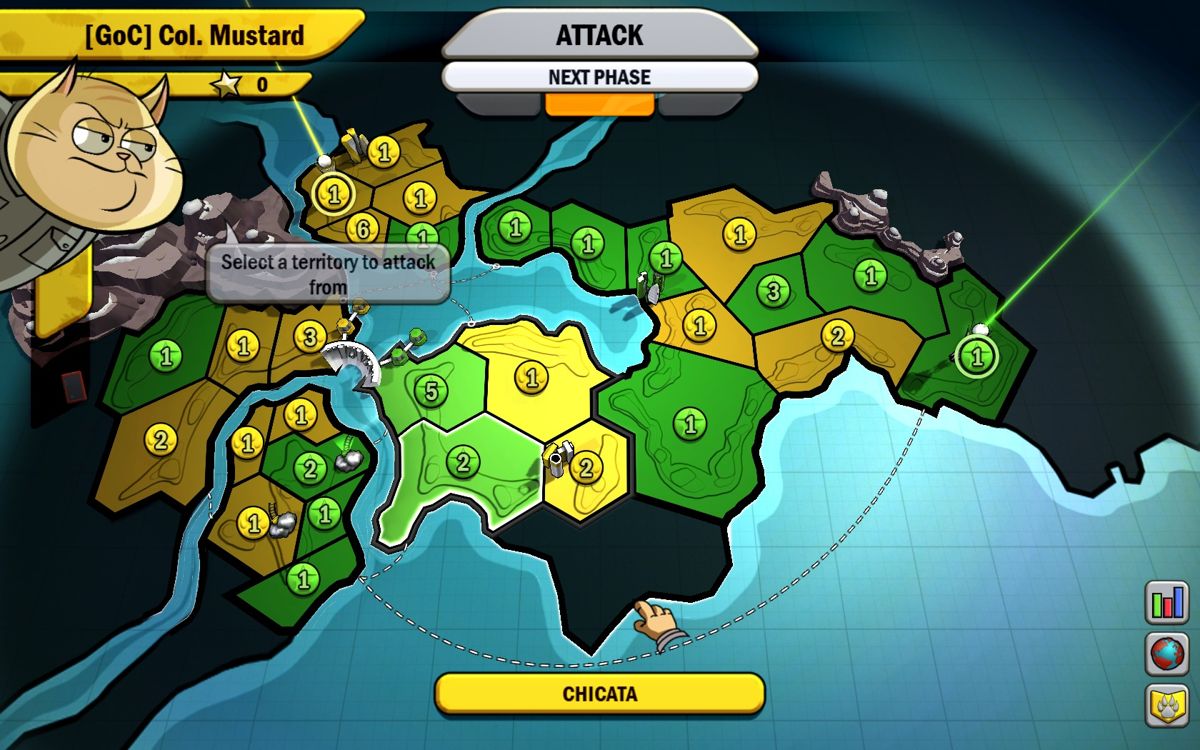
The first hour of Risk: Factions is refreshing because it does not ask you to treat every match as an exhausting campaign to paint the entire world your color. Command Room gives you three objectives to finish while keeping your capital under control, so taking a key territory or grabbing power plants can matter more than bulldozing every opponent. That changes the tempo in a smart way: you have reasons to make decisive attacks, but also reasons to leave a force behind and protect what you already own.
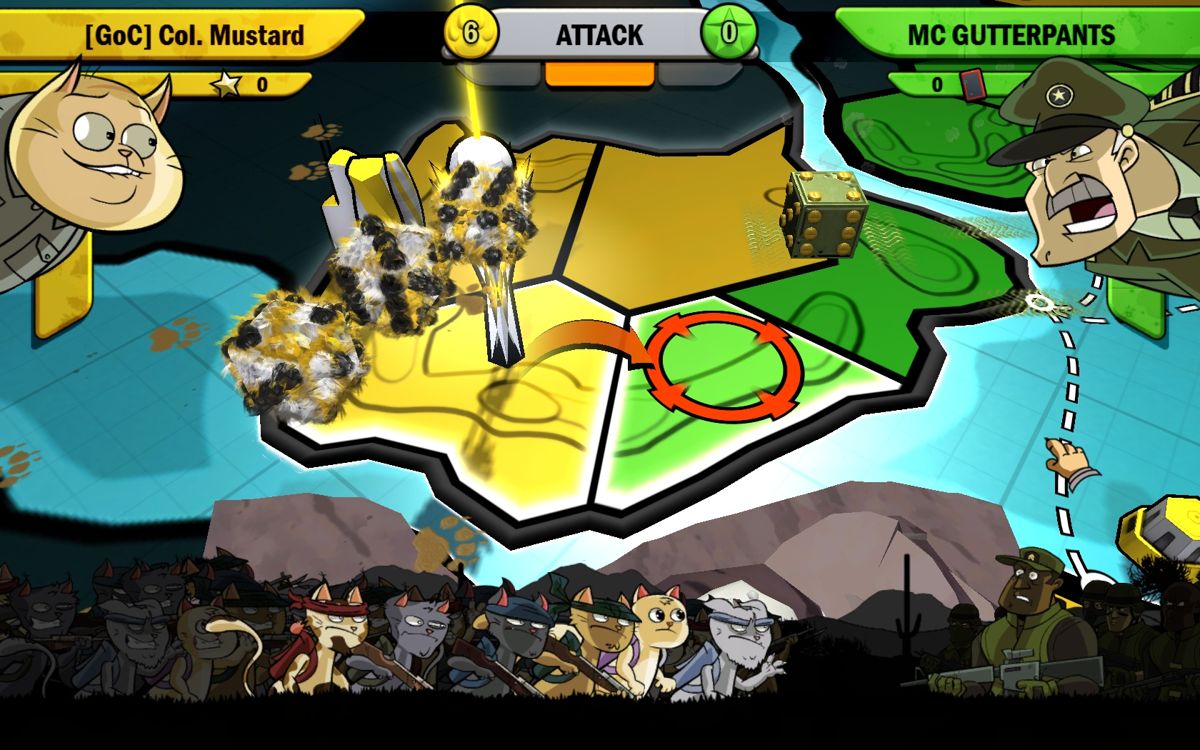
It still feels like Risk at its core. You control territories, build strength, attack neighboring land, and live with the swingy consequences of dice rolls. The streamlined rules help matches move along, while the overkill rule makes a pair or trio of sixes especially dramatic: two sixes remove four units, and three wipe out the opposing force. That can turn a tense battle instantly, which is exciting when you are making the roll and deeply aggravating when your carefully held line vanishes.
The faction abilities add another layer to consider, particularly when a fourth die can tip a fight. Humans, Robots, Cats, Zombies, and Yeti all bring their own leader and ability, making your choice feel more consequential than picking a color on the map. Stars earned from conquered territories replace the board game’s cards and can be traded for troops, but the two-star limit per turn stops a successful offensive from snowballing quite as wildly as it otherwise might.
If you want unfiltered traditional Risk, Classic Risk remains available, and that is important. Command Room is the more inviting mode for a quick strategic contest, but Classic Risk preserves the familiar win condition of conquering the whole map. Local play supports up to four people, while online matches can reach five, so there is room for both a couch session and a larger competitive game.

Graphics
The game’s look is built around the contrast between its five factions and their distinct leaders, with the classic Risk map joined by maps made for Factions. The top-down board-game format keeps the important information where you need it: territory borders, troop strength, and the routes you can attack through.
Story
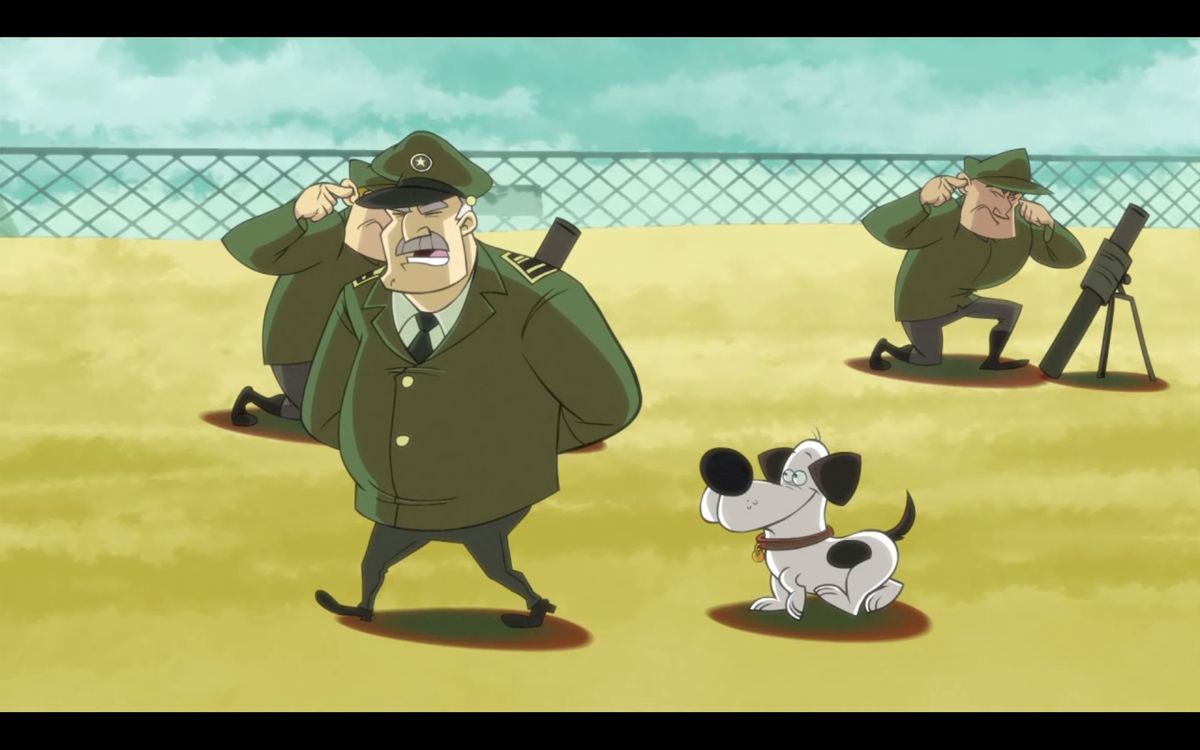
Risk: Factions uses a chapter-based single-player structure rather than asking you to jump straight into disconnected classic matches. There are five chapters, and each unlocks another faction, giving the campaign a clear reason to keep moving forward even when the real focus is on winning the next map.
The more memorable “story” comes from the contest on the board. Command Room objectives create immediate stakes: perhaps a territory needs to fall, perhaps power plants need to be captured, and your capital must still be standing when the job is done. That is a more focused framework than total conquest, because it turns every match into a contest over priorities rather than simple survival.
The five faction choices also give the campaign progression some personality. Humans, Robots, Cats, Zombies, and Yeti are a deliberately broad bunch, and unlocking them chapter by chapter makes changing sides feel like a reward instead of an option dumped in your lap at the start. Do not come here for a detailed narrative; come here for a strategy campaign that gives each board battle a purpose.
Overall Experience
Risk: Factions understands why people enjoy Risk and where they can get tired of it. The dice can still produce cruel reversals, and no amount of streamlining removes the frustration of seeing an attack fail at exactly the wrong moment. But Command Room gives those setbacks a shorter path to recovery because the match is not solely about owning every last territory.
It is strongest with friends, where alliances, grudges, and reckless pushes naturally grow out of the map. The online five-player option and four-player offline support suit that side of Risk well, while co-op offers another way to use the familiar rules. Solo players still have the five-chapter progression and the option to face computer opponents, so this is not merely a multiplayer box.
Give it a chance if you like the push-your-luck battles of Risk but want goals that make a game feel more directed and brisk. Purists can retreat to Classic Risk whenever they want the original conquest marathon. Everyone else may find that the objective-driven mode is the better reason to return: it keeps the territorial maneuvering and dice-fueled drama, then gives you a finish line before the board overstays its welcome.


Reviews
There are no reviews yet.