 Retro Replay Retro Gaming History, Reviews & Emulation
Retro Replay Review
Gameplay
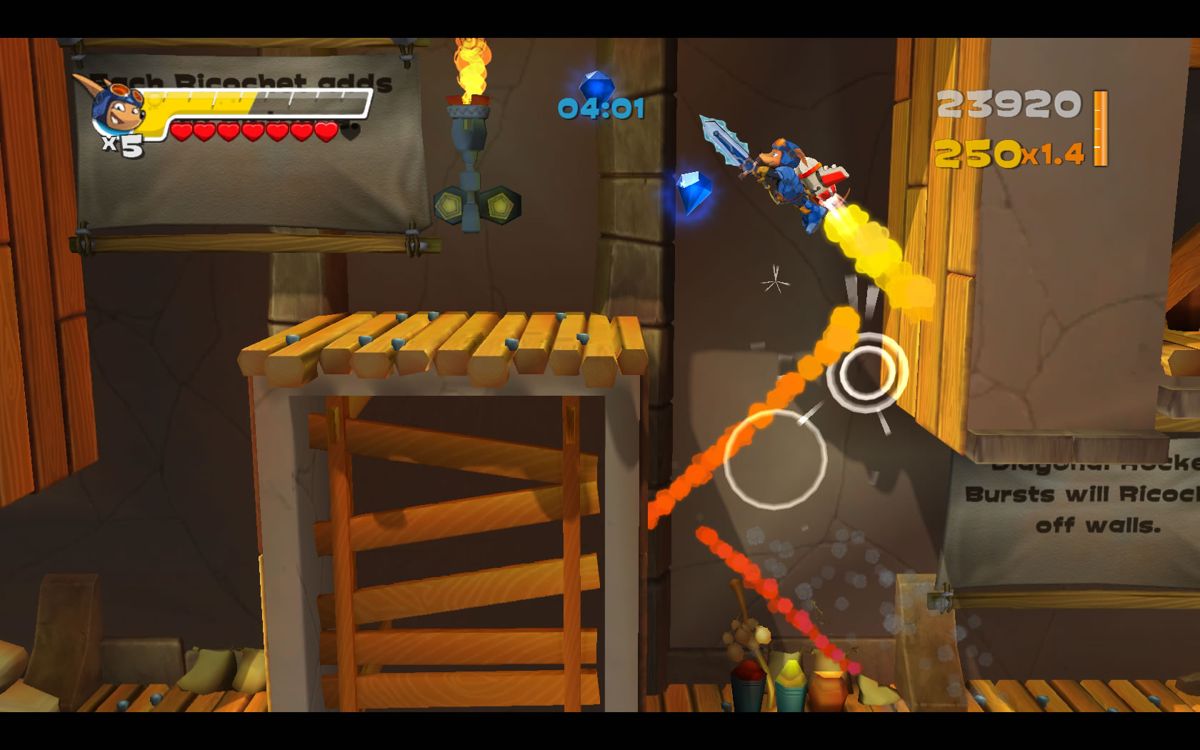
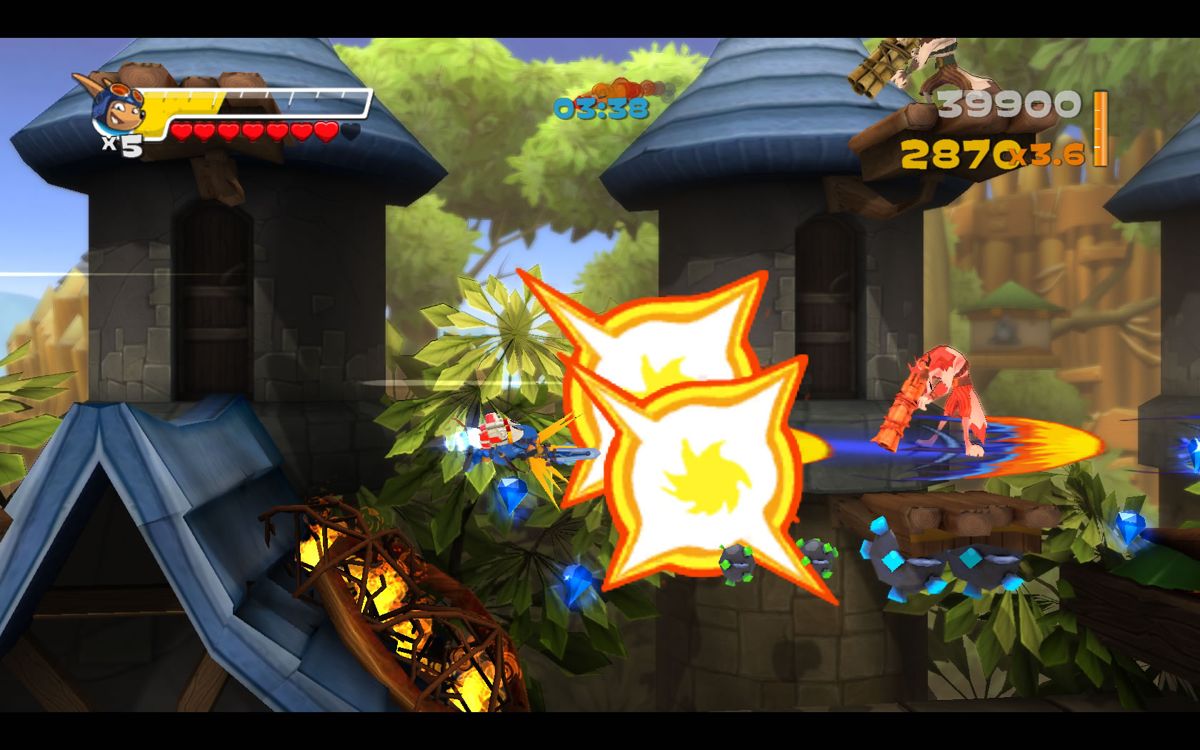
Rocket Knight’s defining idea is that Sparkster’s rocket pack is more than a recovery tool. Directional bursts send him through the air, damage foes and ricochet from walls, turning movement into an attack system. The burst meter prevents those moves from becoming mindless spam, so a successful route has to account for when the next charge will be ready.
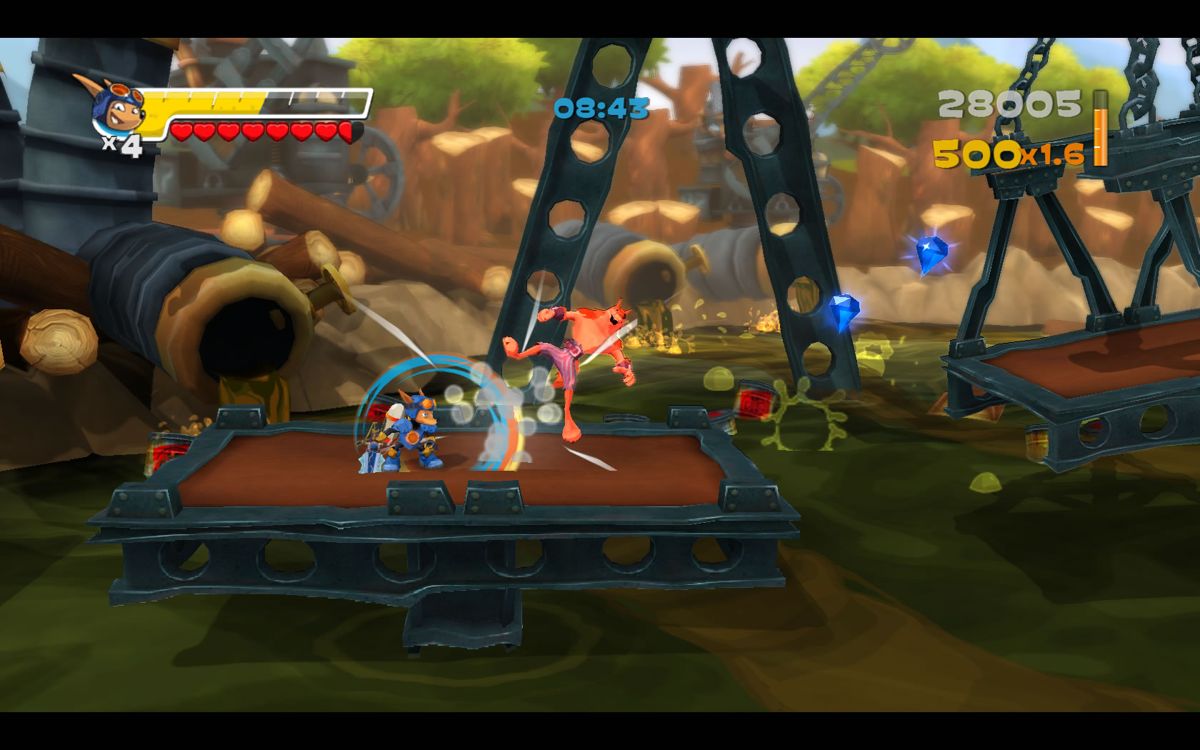
The standard sword attacks support that mobility well. Burst Shot provides a ranged energy bolt, Burst Vortex gives Sparkster a spinning close-range option, and Rail Spin lets rail traversal remain offensive rather than passive. Destructible objects and reflectable projectiles add welcome interaction, while the burst drill makes double-tapped charges useful for opening routes through breakable walls.
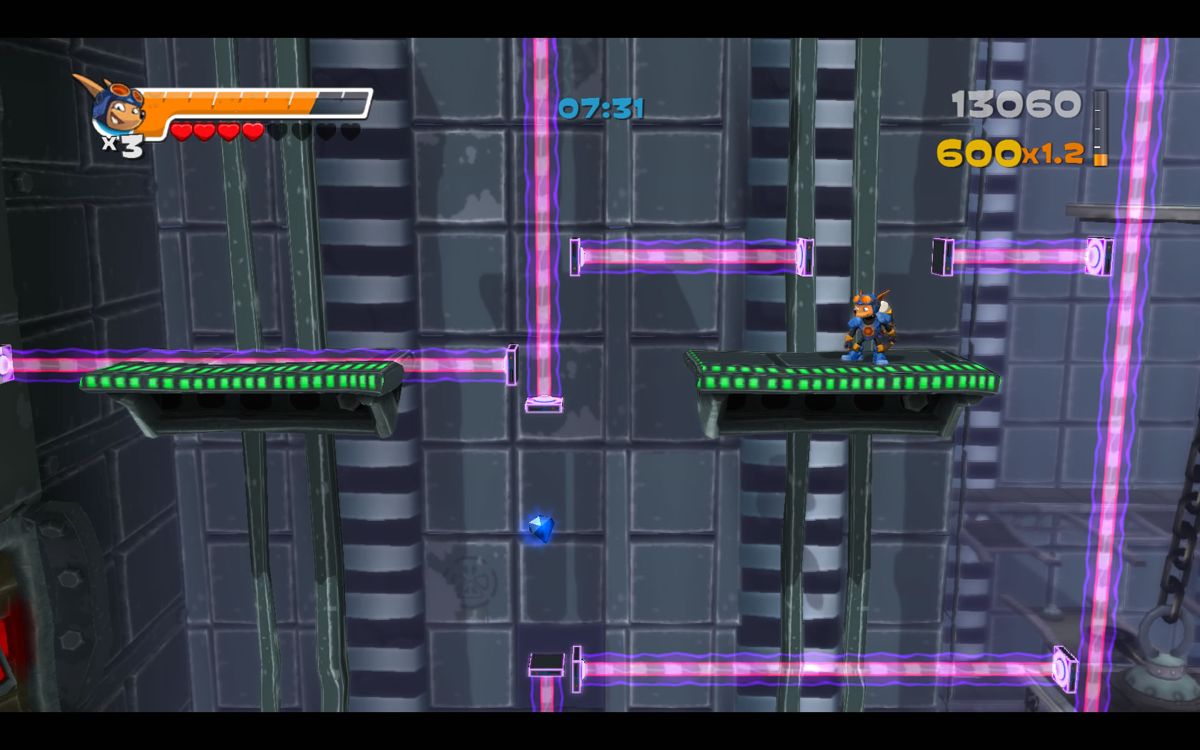
Stage design does not settle for one format. Checkpoint-based platform levels and bosses carry the core campaign, but permanent-flight stages shift the game into a horizontally scrolling shooter. Later platforming places more weight on rapid reactions and precise rocket timing, including a vertically scrolling chasm section. Ice stages offer a particularly stern twist: burst energy must come from power-ups or nearby fire rather than its usual refill, making conservation essential.
Graphics
The 2.5D presentation is a clear visual overhaul for this reboot, framing Sparkster’s side-scrolling action with contemporary depth while retaining the fundamental side-view structure. It suits a game built around sudden launches, wall rebounds and rail movement, giving the action a broader sense of space without abandoning its platform-game identity.
Its themed levels matter visually as well as mechanically. The icy environments are not merely a change of backdrop, since their restricted burst recovery alters how the player approaches hazards and routes. That connection between environment and systems gives the presentation a practical role in the action.
The game also makes room for visual reward beyond the campaign itself. Unlockable looks including Gold Sparkster and Axel’s gear offer a reason to revisit cleared material, especially for players invested in stage scores and completion times. The visual update is therefore tied to replay rather than being a purely cosmetic refresh.
Story
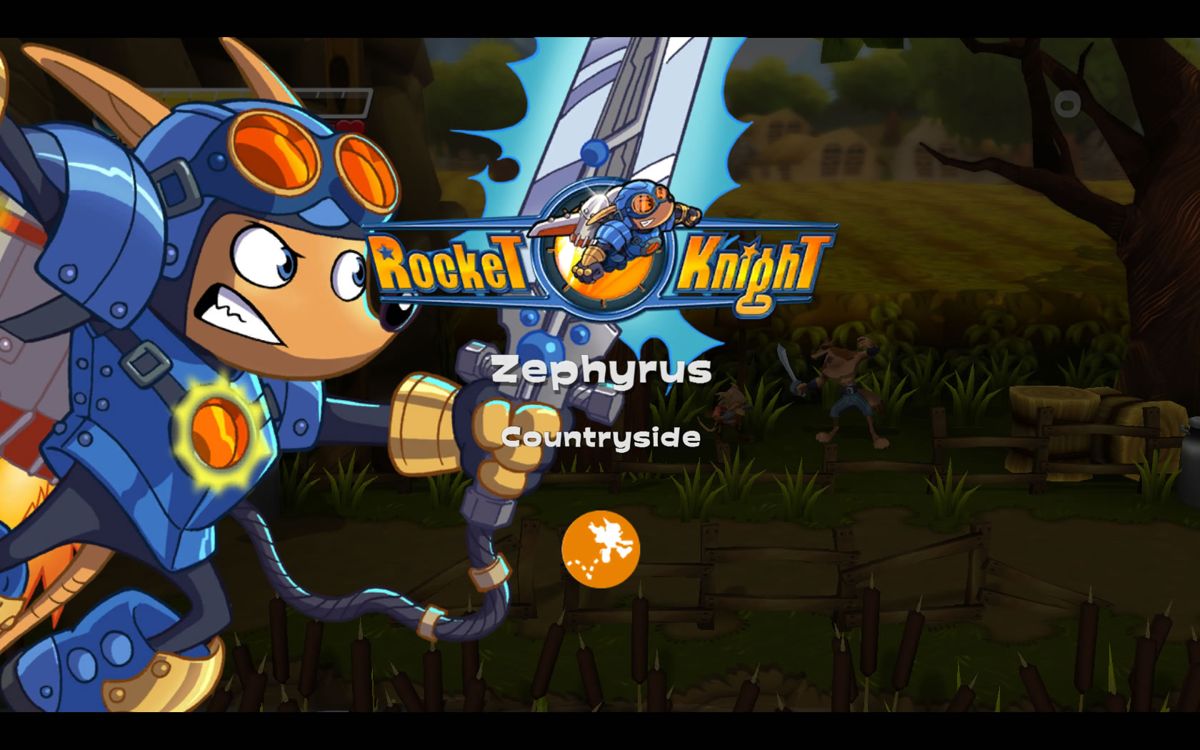
The story returns Sparkster to Ethorn and the kingdom of Zephyrus fifteen years after the earlier conflict. He begins in a deliberately quieter place, living as a farmer with his wife and child, before mountain wolves attack with warships and force the former defender back into action.
There is more tension here than a simple call to duty. Sparkster had been disillusioned after the king allied Zephyrus with the Devotindos of the Pig Empire, a former aggressor. Even so, his commitment to defend the kingdom overrides that disappointment, establishing a hero motivated by responsibility rather than unquestioning loyalty.
Axel’s return gives the campaign a personal antagonistic thread. His attempts to obstruct Sparkster and claim credit for victories provide a recurring rivalry alongside the wider invasion. The setup is direct and suited to an action platformer: it supplies momentum between stages without displacing the focus from movement, combat and bosses.
Overall Experience
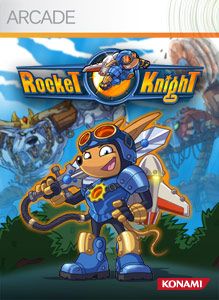
Rocket Knight is best approached as a brisk action-platformer whose rocket mechanics carry most of its appeal. The burst system gives Sparkster an unusually active form of traversal, and its combination of combat, ricochets, drilling and hovering keeps the central move set flexible across changing situations.
Its Arcade structure also supports repeat play. Cleared story stages move into Free Play, while individual-stage and full-mode times and high scores feed global leaderboards. Diamonds, extra lives, health-restoring hearts and limited continues add traditional arcade pressure; exhausting those continues means restarting a level, so consistency matters as much as reaching a checkpoint.
Players who enjoy technical platforming, score pursuit and route refinement should find the strongest reasons to return. Those seeking a relaxed adventure may be less taken with the later emphasis on exact timing, quick reflexes and punishing restarts. Still, the varied shooting and platforming formats ensure that Sparkster’s comeback is built around more than straightforward running and jumping.
If you enjoy this character’s rocket-powered action, compare it with Rocket Knight Adventures.



Reviews
There are no reviews yet.