 Retro Replay Retro Gaming History, Reviews & Emulation
Retro Replay Review
Gameplay
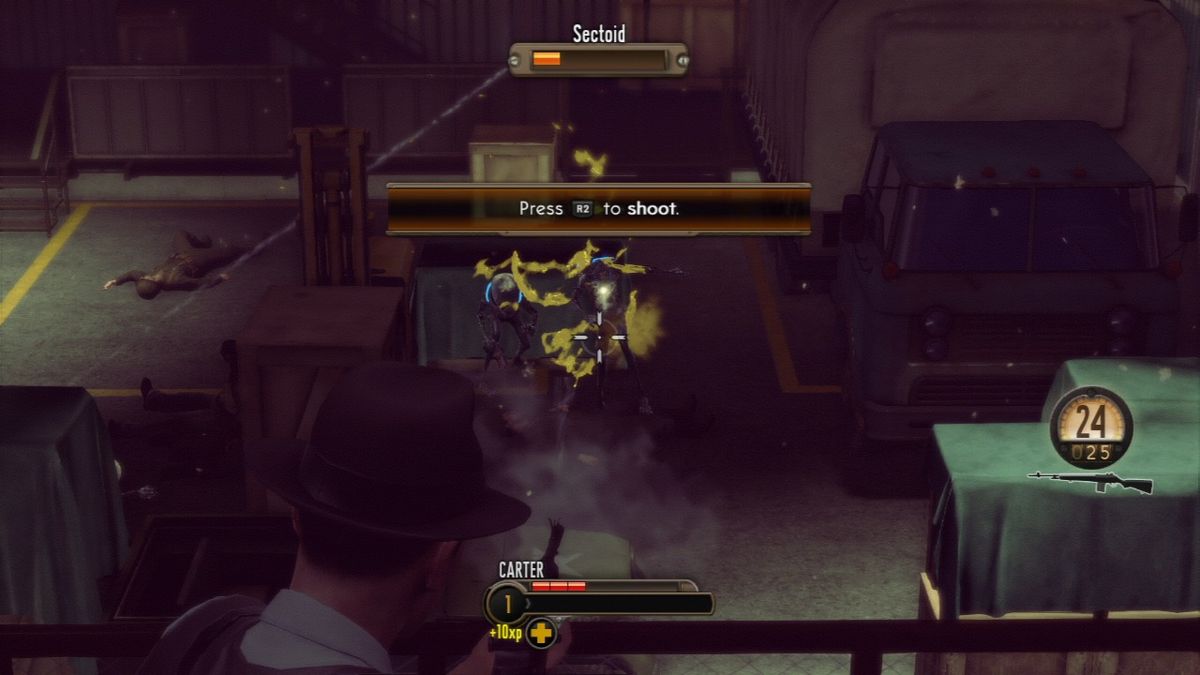
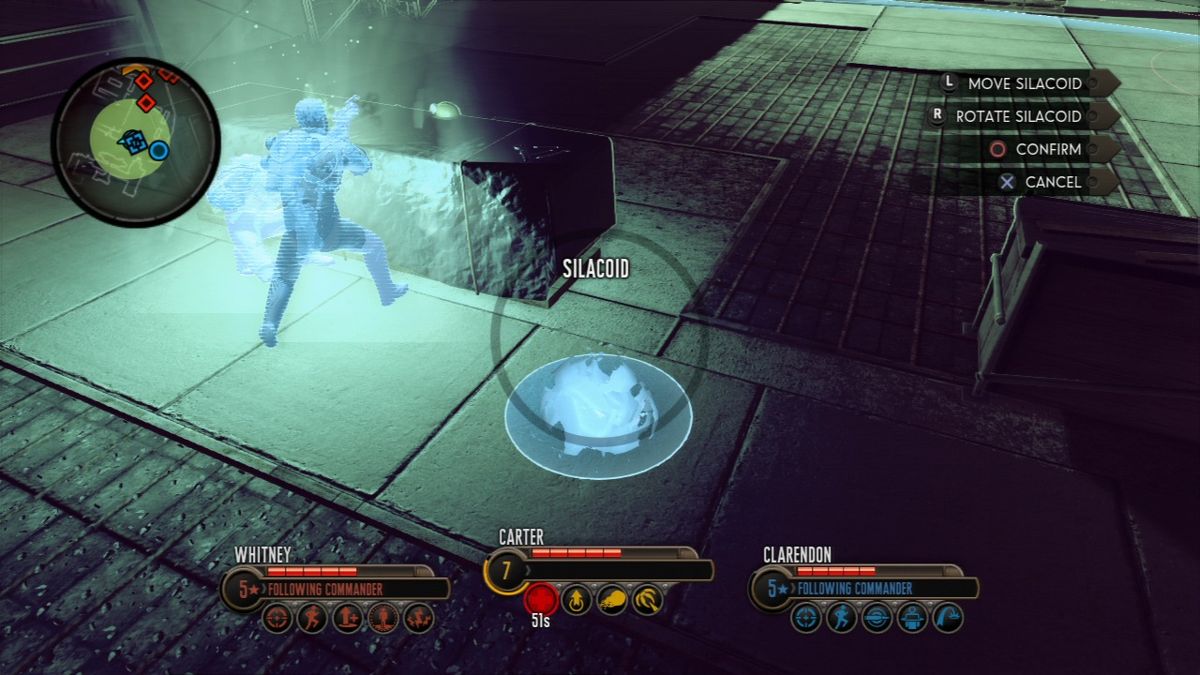
The first few fights ask you to do two jobs at once: shoot from cover as William Carter and keep two squadmates alive with sensible orders. Battle Focus, which slows time while you issue commands, is the reason this mix works as often as it does. You can halt the scramble, send an agent around a flank, trigger an ability, and then return to the shooting with a plan rather than hoping your aim carries the whole encounter.
The squad system has real teeth because agents who die stay dead. That turns revives into urgent priorities and makes careless positioning sting beyond the current checkpoint. Carter can also be downed, forcing you to rely on a surviving teammate for a rescue, so the game is at its best when it makes you watch sightlines and preserve the group instead of charging ahead. If you enjoy pausing to solve a combat problem, the tension is rewarding; if you want a fast, uninterrupted shooter, the command layer can feel like an extra chore.
Agent classes give the three-person team a useful shape. Commandos, snipers, soldiers, and engineers bring weapon specialties and abilities, while upgrades demand choices because many powers exclude one another. Carter’s higher level cap and later alien abilities—summoned allies and mind control among them—give him a stronger progression arc than the rest of the roster. Researching enemy weapons and assigning them out adds another reason to think about the team rather than treat companions as disposable backup.
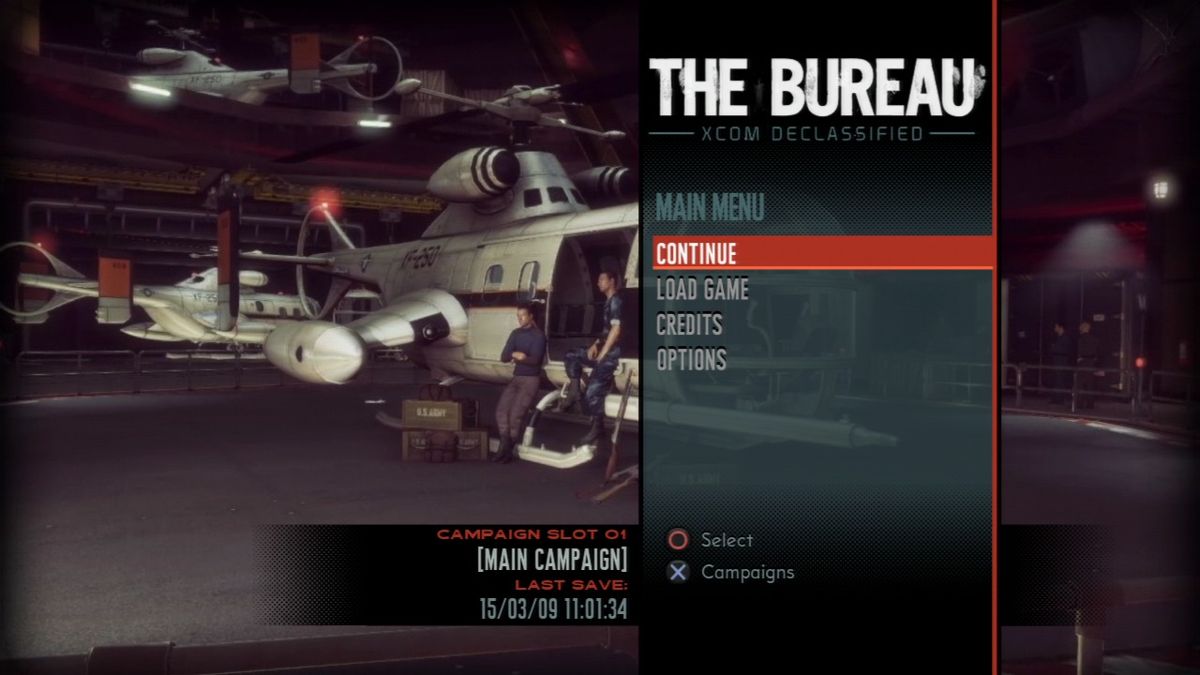
Between missions, the base and mission map slow the pace in a good way. You can talk to staff, pick up small base tasks, review information, pursue optional missions for experience, and send agents on assignments for personnel or technology. None of that replaces the firefights, but it makes the Bureau feel like an operation under pressure. The practical advice is simple: use those side opportunities if permanent losses have thinned your bench, because this is not a campaign that rewards treating every mission as a race to the next story beat.
Graphics
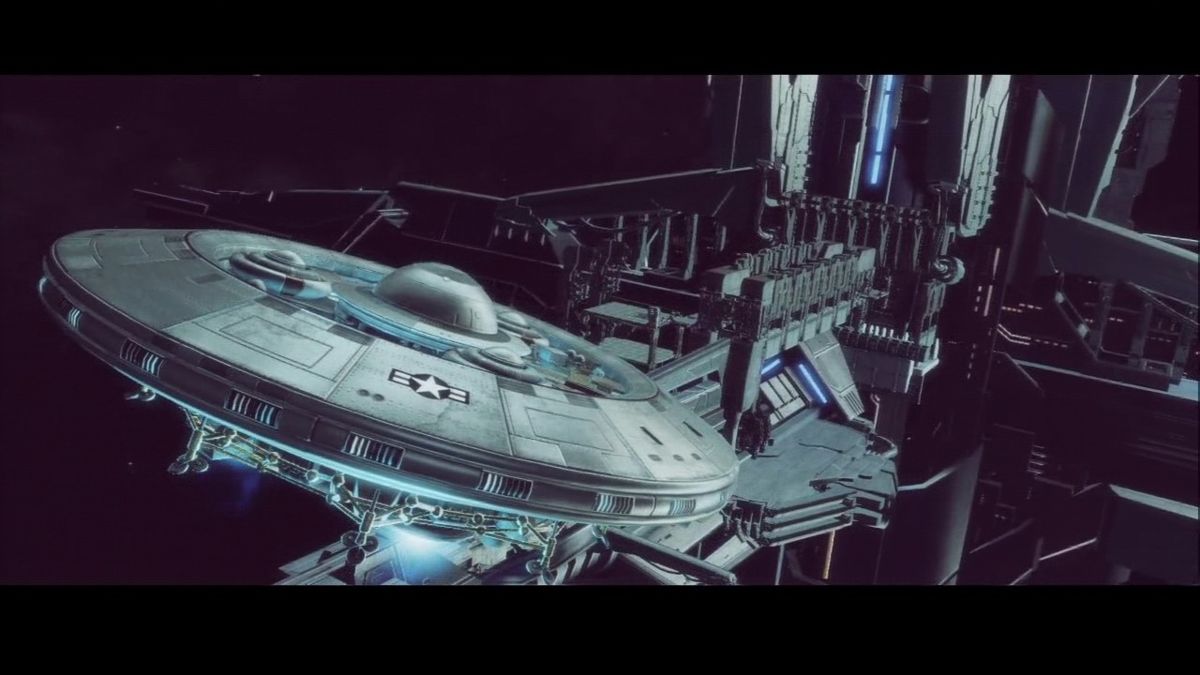
The third-person camera keeps Carter, his two agents, cover positions, and alien attackers in the same frame, which matters when Battle Focus turns a firefight into a quick tactical puzzle. The 1960s backdrop also gives the XCOM base and invasion premise a period-specific angle rather than placing the action in a generic future war.
Story
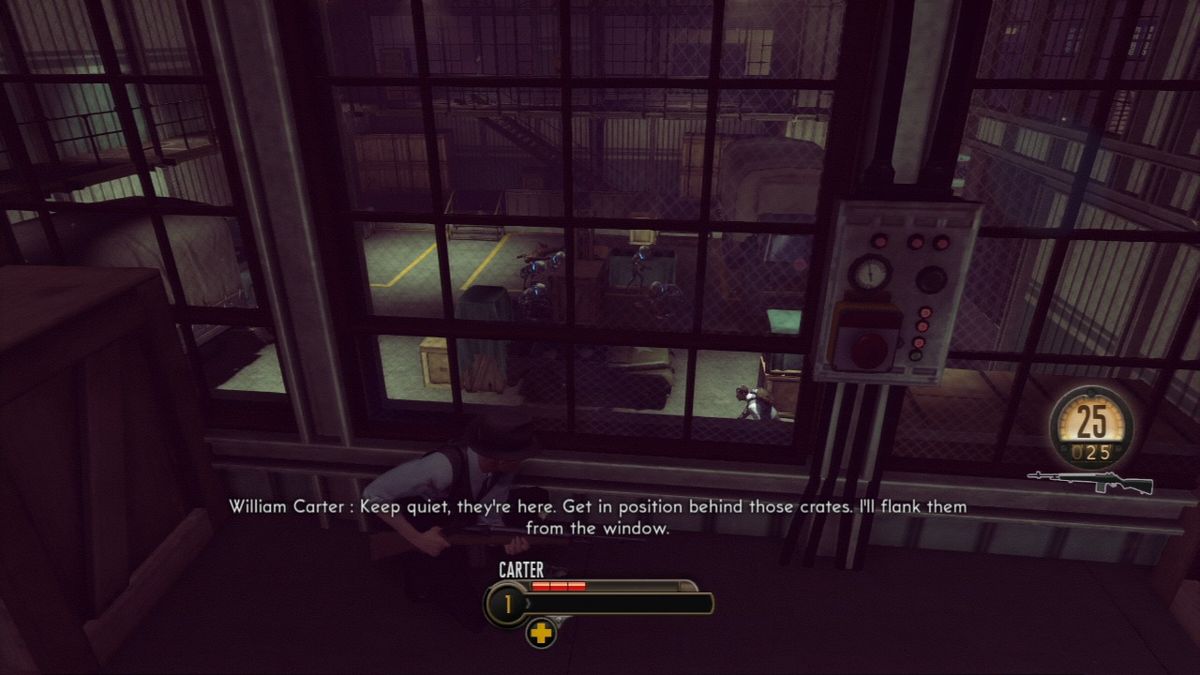
You play William Carter, a formerly successful CIA agent pulled into the Bureau of Operations and Command after he lands in the middle of an alien invasion. That setup gives the campaign a grounded human entry point: Carter is not introduced as a born commander, but as someone recruited into a crisis that has already become much larger than him.
The base is where the story gains breathing room. Conversations can lead to minor sub-quests, and dialogue choices let you lean toward concealing the conspiracy or exposing it. The consequences are described as slight, so do not expect every conversation to radically redirect the campaign, but the choices still fit a story about an organization trying to contain an extraordinary threat.
Optional dialogue questions also let you dig into enemies, research, and current events. That is a welcome complement to a game whose main drama is carried through combat missions: you can take the direct route, or pause long enough to understand more of the Bureau’s work and the invasion it is trying to stop.
Overall Experience
The Bureau: XCOM Declassified is most enjoyable when you meet it halfway. Play it as a cover shooter with tactical pauses, not as a pure squad strategy game and not as a mindless run-and-gun campaign. Its strongest moments come when your own shots, a squad ability, and a carefully placed order all contribute to surviving a fight that could have cost you an experienced agent.
The rougher trade-off is that much of its identity sits between genres. Direct control gives Carter immediate presence, but your companions need direction; permadeath raises the stakes, but the campaign also asks you to manage classes, perks, equipment, and replacements. That blend will frustrate anyone wanting either the cleanest possible shooter flow or the broader strategic control associated with other XCOM games. For patient tactical-shooter fans, though, the compromises are easier to forgive.
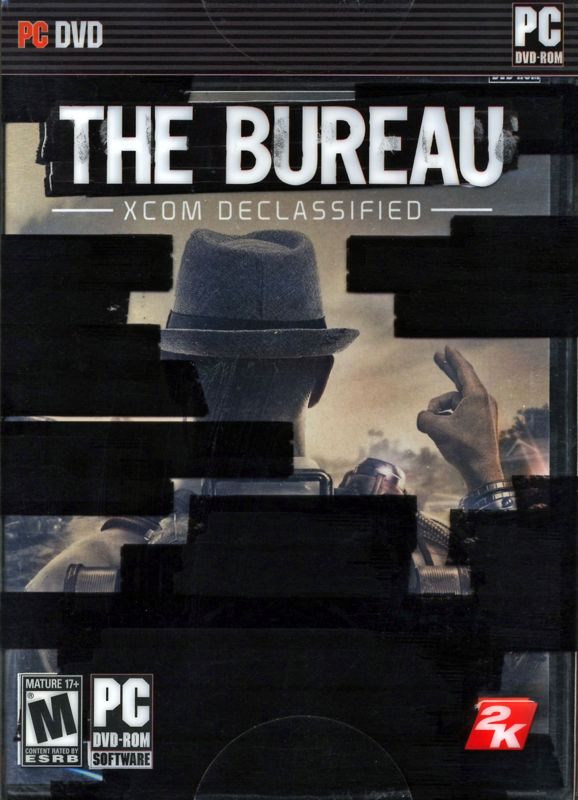
At a 6.9, this is a recommendation with conditions, not a hidden masterpiece. Give it a chance if the idea of a small, vulnerable squad navigating 1960s alien warfare sounds more exciting than familiar, and if you are willing to use Battle Focus constantly rather than regard it as an emergency button. For background on the game’s development and release context, see this overview of The Bureau: XCOM Declassified.


Reviews
There are no reviews yet.