 Retro Replay Retro Gaming History, Reviews & Emulation


Retro Replay Review
Gameplay
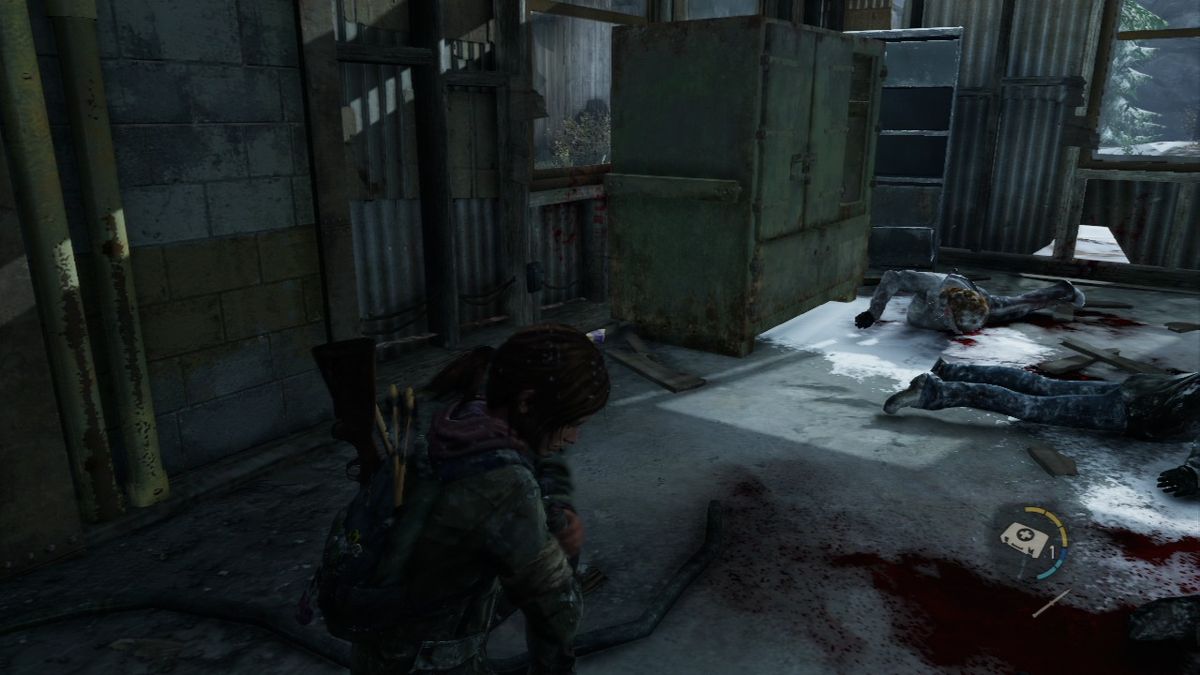
The first hour makes its terms clear: Joel is capable, but never comfortable. Ammunition is scarce, health is precious, and guns begin with sluggish reloads and firing rates. That turns even routine rooms into little tactical problems. You can push forward with pistols, improvised melee weapons, and thrown explosives, but the game is at its sharpest when you crouch in the shadows, study patrols, and save the loud solution for when your plan collapses.
Stealth has a satisfyingly scrappy feel. Joel can use his hearing sense to pick out vague sound-based silhouettes, then circle behind enemies for a chokehold, shiv kill, or another takedown. Bricks and bottles are wonderfully useful because they let you redirect attention or stun a target without spending ammunition. The infected demand different habits, too: blind enemies react to noise, while detection can quickly draw a whole group into the fight. When things go wrong, breaking line of sight and disappearing again is often smarter than trying to be a one-man army.
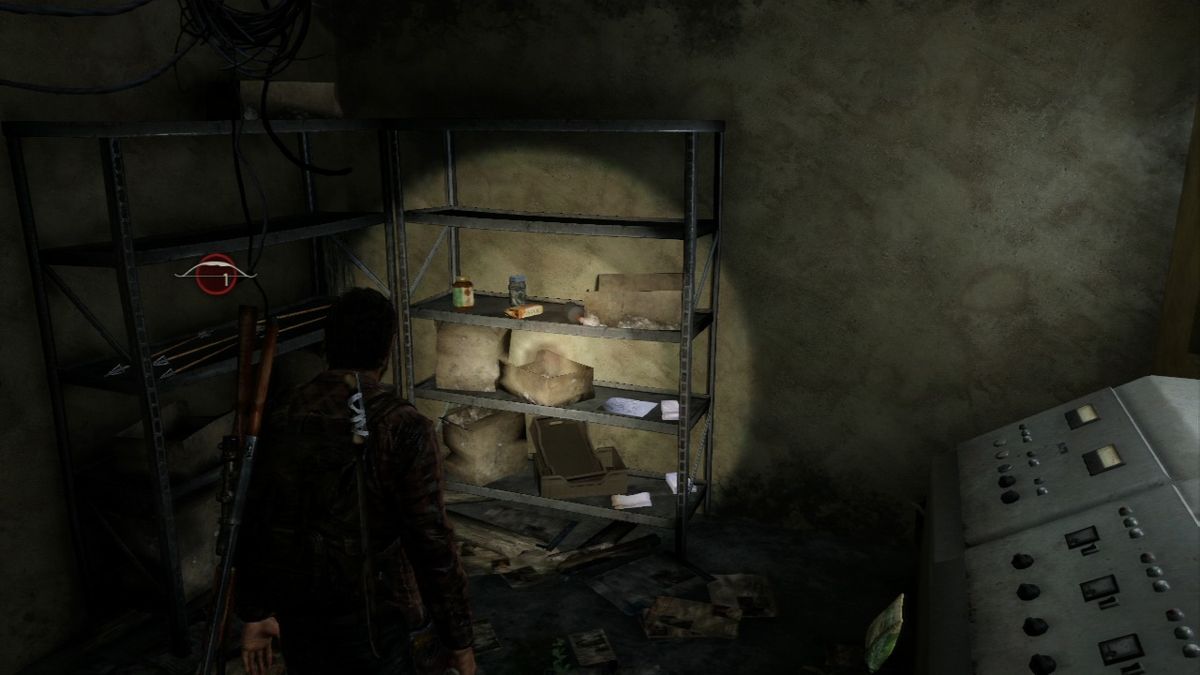
Crafting gives the scavenging real bite. Supplies can become health kits, shivs, Molotov cocktails, smoke bombs, nail bombs, or improved melee weapons, and you rarely have enough materials to make everything you want. Workbench upgrades and character improvements from supplements reward thorough searching without turning the linear route into an open-world checklist. The ladder-and-plank traversal and occasional puzzles are simple, but they pace out the danger well. A few quick-time struggles can feel like abrupt interruptions, yet the overall loop of searching, choosing, and surviving remains tense for the full journey.
Graphics
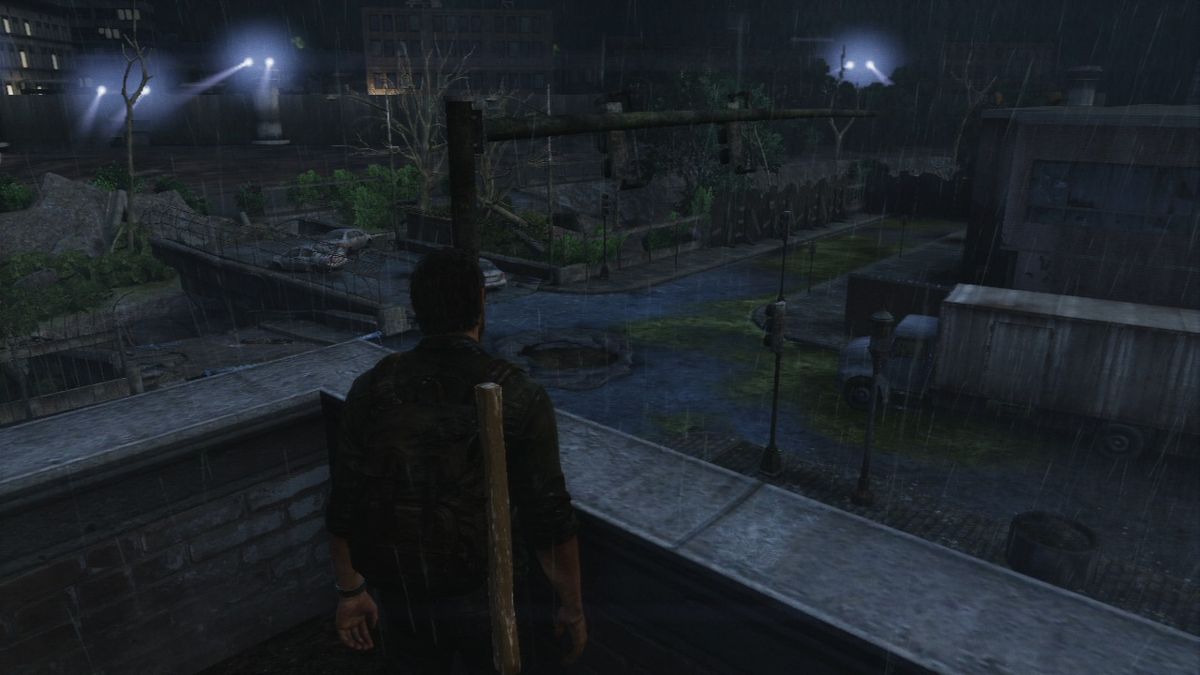
From the third-person camera, you spend much of the game moving through a wrecked Boston of debris and abandoned homes, then out into lush spaces where nature has reclaimed the ruins. The seasonal progression gives the trip a welcome change of scenery as Joel and Ellie move on through Pittsburgh, Colorado, and Salt Lake City.
The enemy roster is easy to distinguish in motion, from human patrols to the different infected types, including Runners, Stalkers, Clickers, Bloaters, and Spore Cadavers. Dark interiors make the flashlight feel useful rather than decorative, and the close camera keeps encounters uncomfortably personal.
Story
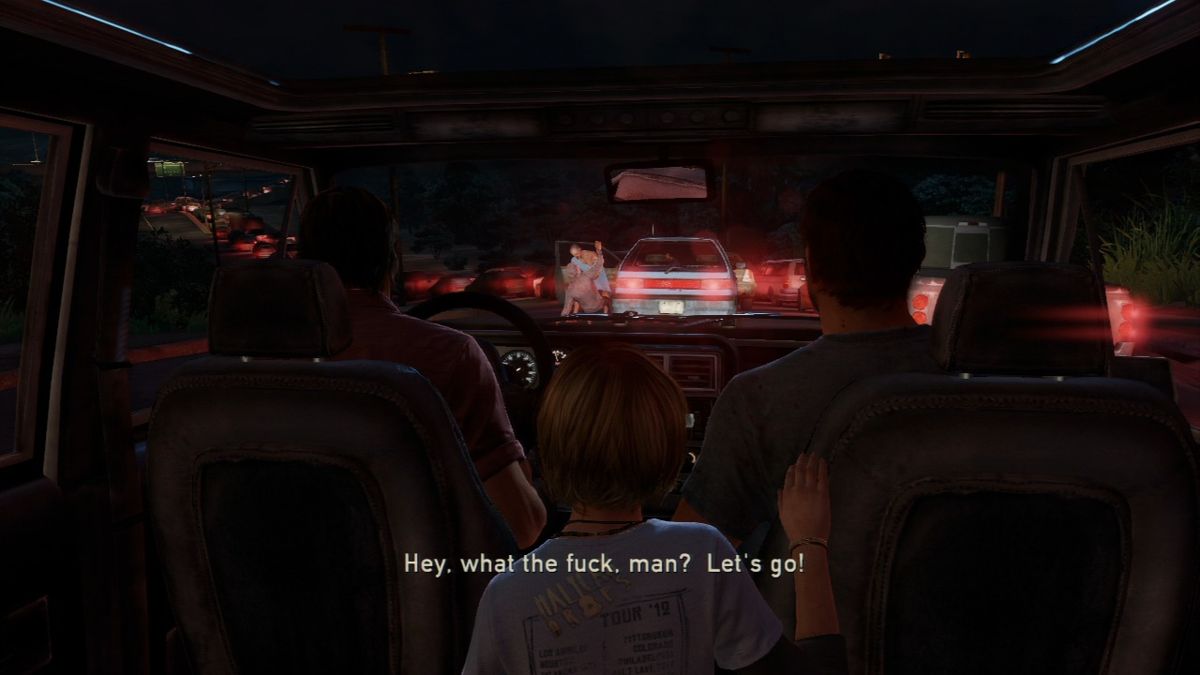
This is a road story built around two people who initially have little reason to trust one another. Joel begins as a smuggler surviving inside a militarized quarantine zone, while Ellie is a 14-year-old girl he and Tess are asked to escort out of the city in exchange for stolen weapons. The larger world—curfews, rationing, resistance fighters, and survivors organized into hostile groups—creates constant friction, but it never distracts from the pair at the center.
What lands is the patience. The game gives Joel and Ellie time to talk while you search buildings and cross ruined streets, then reinforces those moments with cutscenes rather than racing from one dramatic reveal to the next. Over a journey spanning more than a year and five seasons, their relationship changes in ways that make the dangerous stretches matter beyond the immediate goal.
The post-outbreak premise is grim, and the infected are a reliable source of dread, but the human threat is just as important. Military groups, desperate survivors, and the Fireflies make every stop feel unstable. If you want a survival-horror game whose story has room to breathe between confrontations, this is where its reputation is earned.
Overall Experience
The Last of Us works because its systems and its story pull in the same direction. Limited ammunition makes you cautious; careful exploration makes every extra crafting part feel valuable; and Joel’s relative lack of agility keeps the world threatening even when you have weapons in hand. It can be punishing when an enemy catches you at close range, especially against foes capable of killing Joel immediately, but that anxiety is fundamental to the experience rather than empty frustration.
Companions are a notable compromise: Ellie and the other AI partners generally cannot be detected or harmed outside specific sequences. It prevents stealth encounters from becoming chaotic for the wrong reasons, though it can occasionally make their behavior look odd. That is a small blemish on an otherwise disciplined adventure, particularly once later chapters let you control Ellie herself for extended stretches.
The optional Factions mode carries much of the single-player tension into eight-player matches, with limited ammo, gathering, crafting, and a clan-survival frame around Supply Raid and Survivors. It is a worthwhile extra, but Joel and Ellie’s journey is the reason to play. If this version leaves you wanting another series release, the related The Last of Us (Joel Edition) is worth a look; for the current official series page, visit PlayStation’s The Last of Us page. This is a demanding, deeply human survival horror game whose payoff justifies the stress.


Reviews
There are no reviews yet.