 Retro Replay Retro Replay gaming reviews, news, emulation, geek stuff and more!
Retro Replay Review
Gameplay
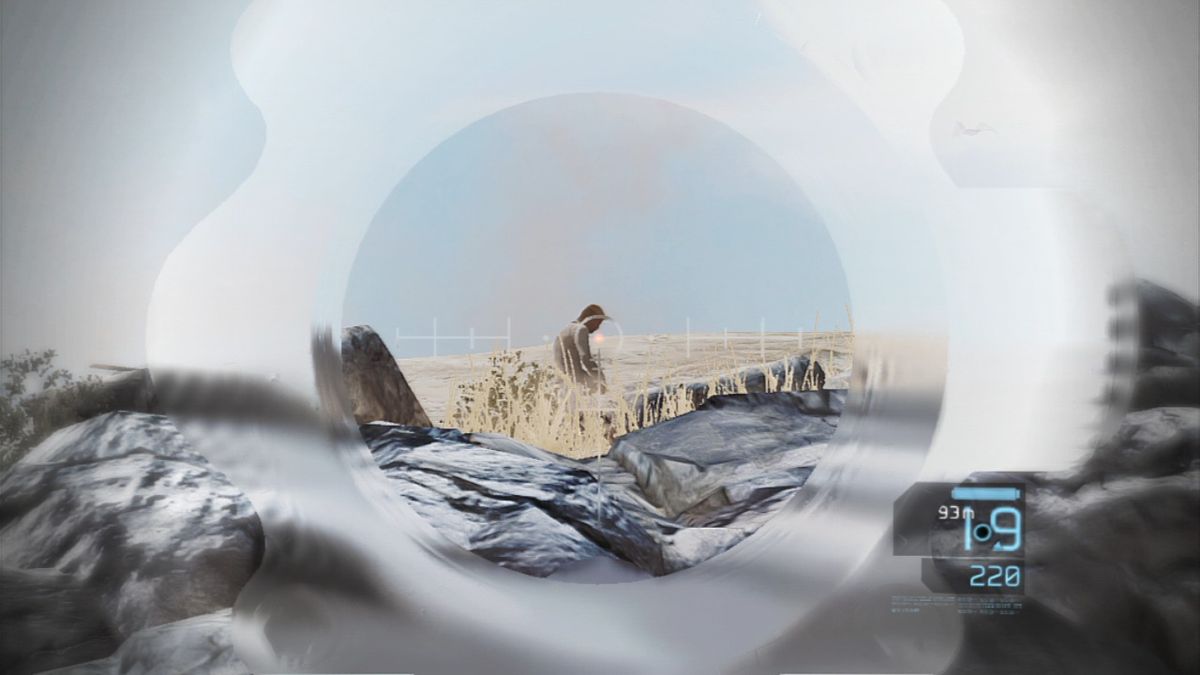
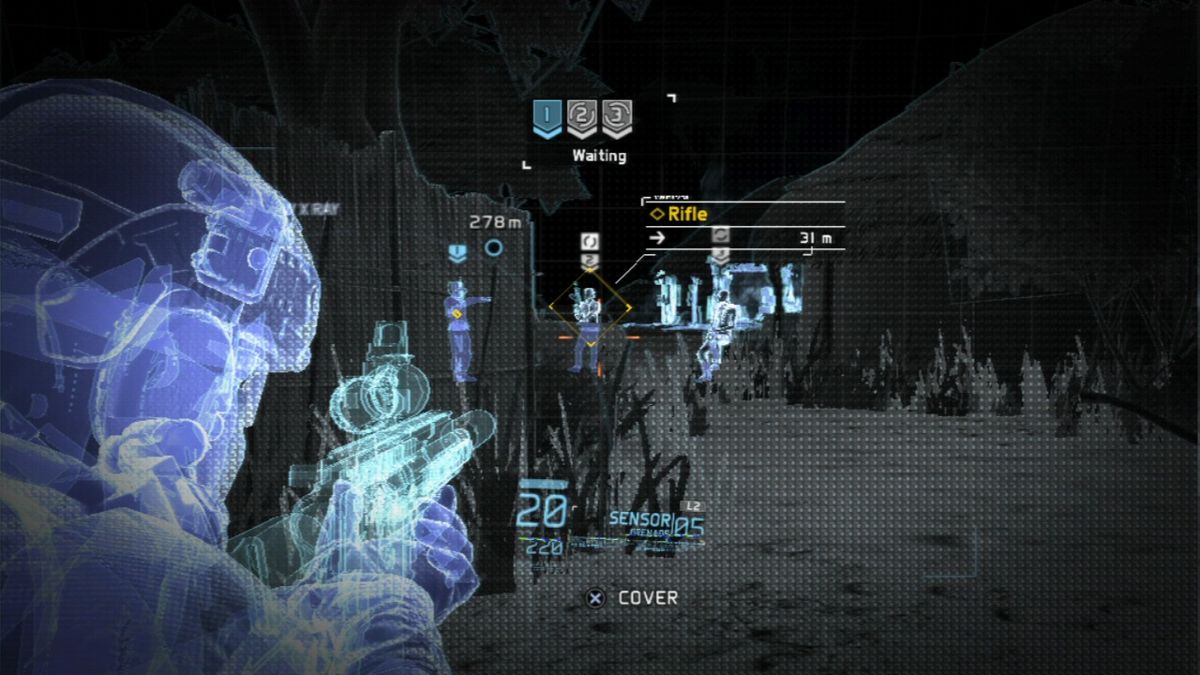
The first hour makes its priorities clear: rushing ahead is usually the fastest way to get pinned behind ruined cover, while patience creates those wonderfully controlled tactical sweeps. You move in third person, snap into first person to aim, scout the space, mark enemies, and line up Sync Shot kills with the rest of Hunter. When four targets drop at once, it delivers the tidy payoff that a squad shooter needs. It feels less like barking orders at a unit and more like setting the conditions for a capable team to do its job.
That distinction will either click with you or grate. The old direct-order style has been replaced by tagging and largely autonomous squadmates. Your partners will not blindly charge after a compromised target, which saves them from some spectacularly stupid deaths, but it also means you cannot micromanage every move. You are guiding the rhythm rather than conducting every action. That makes the game more immediately playable, though longtime fans who want deep squad control may find it streamlined to a fault.
The equipment gives each encounter several useful angles. Adaptive camouflage lets you slip through spaces while moving slowly, but it drops as soon as combat gets serious, so it is a tool for positioning rather than a get-out-of-trouble trick. The metallic-object view helps locate useful material in a busy area, sensor grenades provide information, and the drone can mark enemies from above or disrupt them with a sonic blast. A remote-controlled War Hound changes the pace in one mission, while airstrikes add force when stealth has stopped being an option.
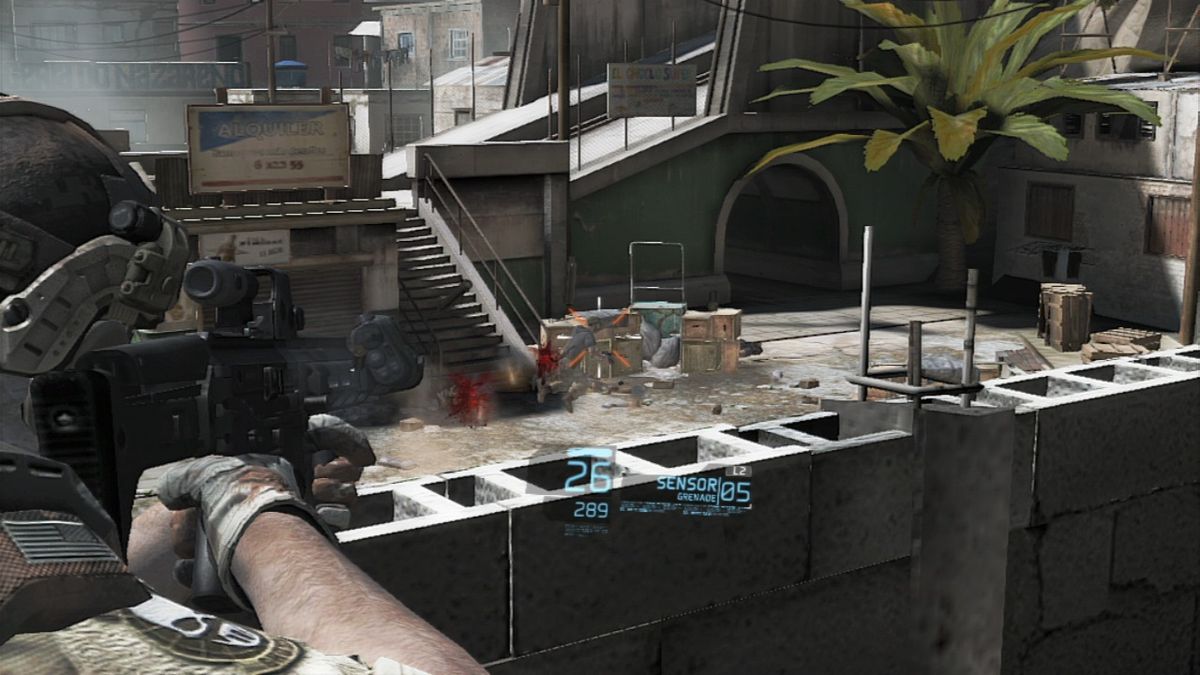
Gunfights have teeth because destructible cover denies you the comfort of sitting in one safe spot. Suppressing fire narrows your field of view and makes precise return shots harder, creating real pressure to relocate rather than trade fire forever. Before missions, the Gunsmith lets you build primary and secondary weapons with attachments and modifications, then test combinations on a firing range. That is more than a cosmetic diversion: experimenting with a setup that suits your aim and preferred engagement distance is part of the fun. The four extra objectives in each mission give you a reason to replay beyond simply chasing a cleaner run.
Co-op fits the campaign naturally, since the central fantasy is already built around four soldiers working in concert. Guerrilla mode turns that coordination toward defending an outpost, while competitive matches offer objective modes that demand more than simple kill-chasing. Conflict shifts objectives after each successful defense; Decoy plays mind games around hidden key objectives; Saboteur makes the bomb carrier slow and lightly armed; and Siege removes respawns, making each push count. The multiplayer suite has more tactical purpose than a standard team-deathmatch add-on.
Graphics
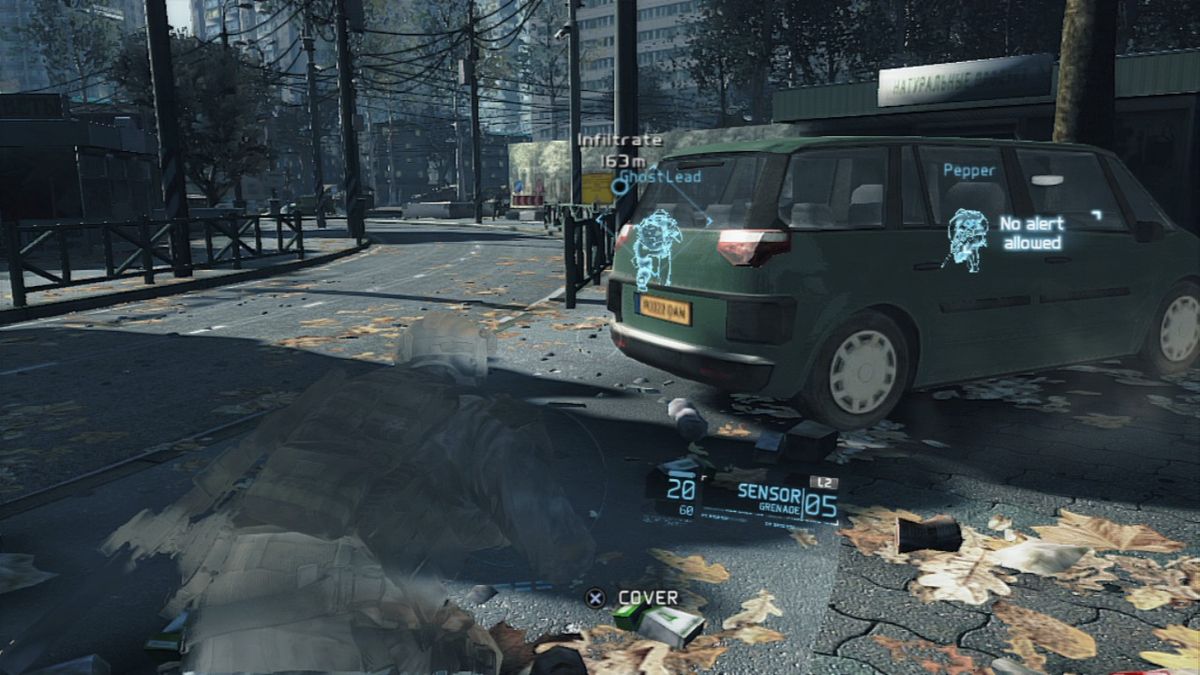
The camera sits behind your Ghost during movement and switches to a first-person sight picture when aiming, a combination that makes cover navigation and deliberate shots easy to parse. Futuristic gear such as adaptive camouflage, the aerial drone, and the bulky War Hound gives the missions a distinctly near-future military look without abandoning the grounded shape of a squad shooter.
Story
The campaign begins with Predator trying to interrupt weapons trafficking in Nicaragua, only for the team to be killed by a dirty bomb. Hunter then takes over the investigation into where that bomb came from. It is a sharp enough opening to put weight behind the mission chain, even if the story’s real function is to move you from one dangerous operation to the next.
The route through Bolivia, Zambia, Nigeria, Pakistan, Norway, and Russia gives the campaign a globe-hopping military-thriller structure. Rather than centering the experience on a single location, it keeps sending Hunter toward another piece of the investigation. That pace works well for a game built around distinct tactical scenarios: you get forward motion without long stretches spent away from the action.
Much of the character texture comes through the team’s chatter. That is a sensible choice for a squad game, because the soldiers are with you during the actual work rather than only appearing between missions. Do not come expecting a sprawling character drama; come for an efficient Tom Clancy-style operation in which the conversation helps make Hunter feel like a unit rather than four silent tools.
Overall Experience
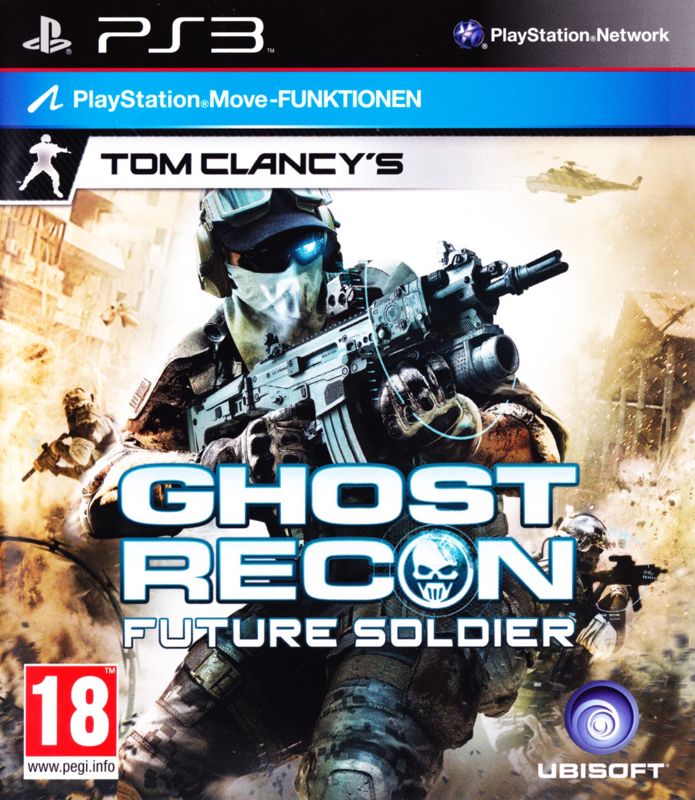
Tom Clancy’s Ghost Recon: Future Soldier earns its 7.6 with a satisfying blend of methodical stealth and responsive cover combat. The strongest moments come from reconnaissance turning into execution: identify the problem, coordinate the takedown, and adapt when a patrol sees through the plan. It is tactical without being punishingly opaque, and futuristic without becoming detached from the feel of a military shooter.
The compromise is clear. If you want exhaustive control over squad positioning, the autonomous AI and tagging-led command structure can feel limiting. If you are willing to take the role of a point soldier who sets priorities rather than issuing constant orders, the flow is much easier to enjoy. Stealth is encouraged, not treated as an all-or-nothing rule, so messy recoveries can still become entertaining firefights.
Give it a chance if you enjoy planning an ambush as much as landing the shots yourself, especially with friends available for co-op. The weapon customization, replay objectives, varied tools, and objective-focused multiplayer give the campaign more staying power than its dozen missions initially suggest. For another take on the series’ tactical ideas, see Tom Clancy’s Ghost Recon: Shadow Wars; for game history and release context, the Future Soldier reference page is useful.


Reviews
There are no reviews yet.