 Retro Replay Retro Gaming History, Reviews & Emulation
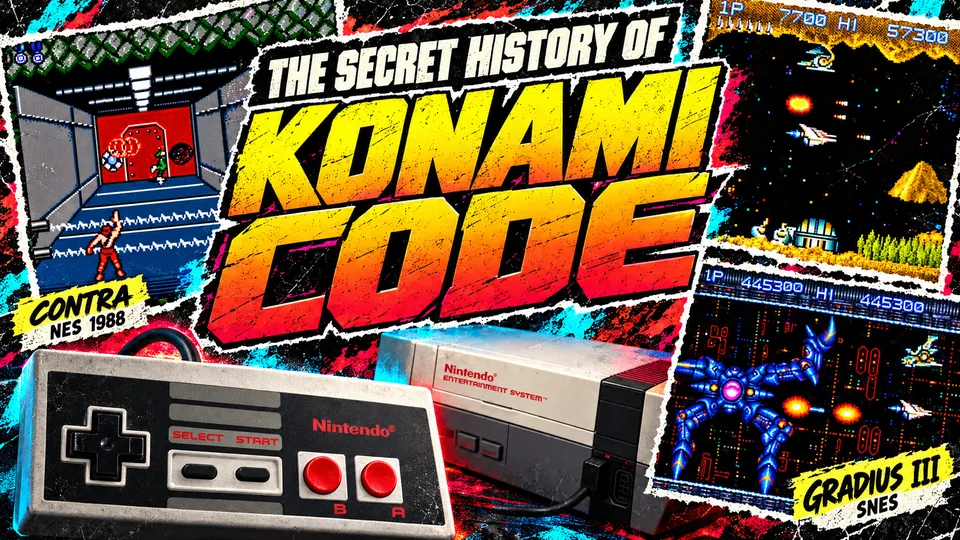
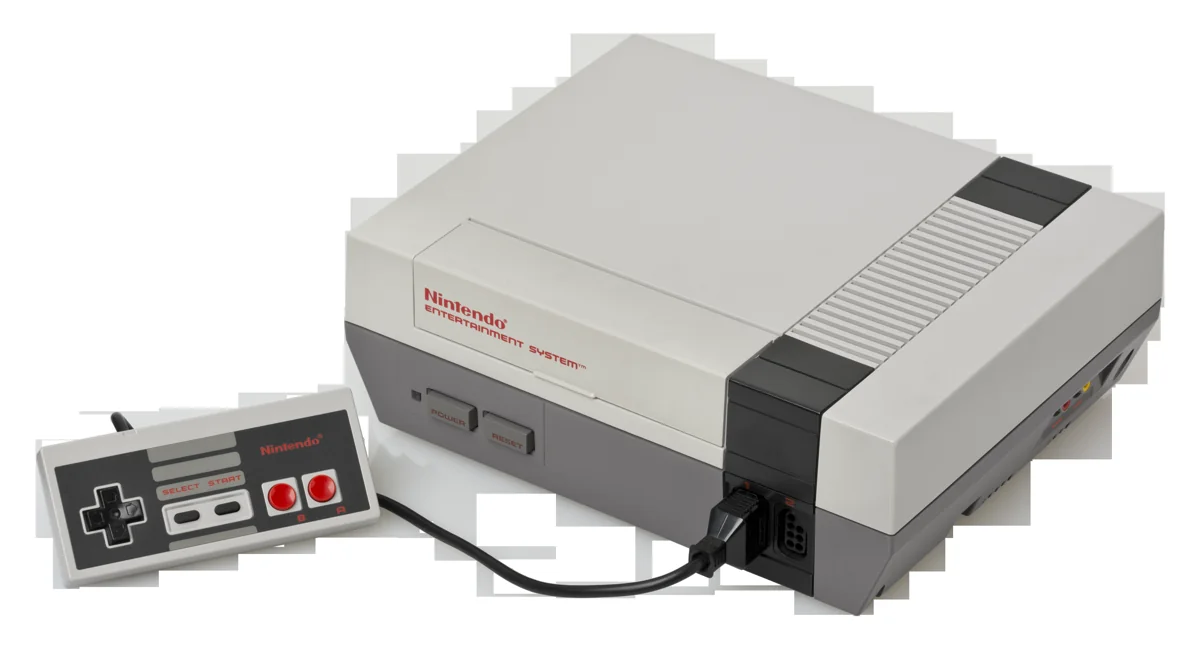
Before the first bullet, before the jungle, before anybody could blame the other player for scrolling the screen too far, there was a little ceremony. Someone picked up the Nintendo controller and pressed Up, Up, Down, Down, Left, Right, Left, Right, B, A. Then Start. If they had done it properly, Contra became a considerably more generous host.
The guns still killed you. The pits still killed you. The alien infestation was unimpressed by your cleverness. But thirty lives bought time to learn the waterfall, argue over the Spread Gun, and discover that the game had much stranger things waiting beyond its opening jungle. A friend who knew those buttons could rescue an entire afternoon.
For plenty of players, that was the “Contra code.” The name made sense: this was where they needed it, where they memorized it, and where they could prove it worked. Its history begins with another game, though, and a programmer who needed a little help himself. Before the sequence became a badge on shirts, a joke on websites, or a secret passage through somebody else’s game, it solved an unglamorous problem at Konami: getting far enough into a difficult shooter to work on it.
1985: a spaceship with expensive habits
Gradius arrived in Japanese arcades in 1985 with a spaceship that could become magnificent. The Vic Viper began as a small craft throwing modest shots into a dangerous universe. Feed it power capsules and it could acquire missiles, a laser, a shield, and glowing companions that followed its path and added their own firepower. A good run transformed a vulnerable speck into a traveling weapons demonstration.

There was a catch, visible along the bottom of the screen. Collecting a capsule moved a selection through the power-up bar. You chose when to cash it in. Take a useful upgrade immediately, or keep collecting toward something better? Speed helped you escape danger, but too much speed made a narrow passage feel like steering a shopping cart down a staircase. The game asked you to build the ship you could actually handle.
Then one collision stripped that investment away. Suddenly the scenery you had been sweeping clean became hostile again. Turrets that barely mattered when you had missiles could pin down a badly equipped replacement ship. Getting back into a rhythm was often harder than keeping one going.
That rise and collapse gave Gradius its bite. You weren’t merely trying to reach the next boss. You were protecting the machine you had spent the last several minutes assembling. The official manual preserved for Nintendo’s NES Classic explains the capsule system plainly enough; the sinking feeling after losing a fully armed ship needs no diagram.
The programmer who couldn’t get through his own assignment
Kazuhisa Hashimoto was one of the people bringing that arcade shooter home. He had joined Konami in 1981, initially working on coin-operated machines. By the time the company was making games for Nintendo’s Famicom—the Japanese counterpart of the NES—small teams were attempting ambitious conversions on much more limited hardware.
In a 2003 conversation, later translated by Siliconera, Hashimoto recalled four people working on the Gradius conversion in less than half a year. He hadn’t played the arcade game much and couldn’t get through it. So he added a command that armed the ship.
“Because I was the one who was going to be using it, I made sure it was easy to remember.”
—Kazuhisa Hashimoto, recalling the code’s creation in the 2003 interview
There is a pleasing lack of ceremony in that explanation. Nobody needed to commission a symbol for a generation. A developer needed to get past the parts that were holding him up. Pausing the game and entering a memorable pattern was a practical way to do it.

The Famicom version went on sale on April 25, 1986, the date Konami uses for the code’s anniversary. The command was still inside. Players could pause, enter it, and resume with a dramatically better-equipped ship. The original arcade Gradius had come first; this home conversion supplied the famous secret.
Later accounts, including GameSpot’s obituary, describe a testing shortcut left in the finished game. The familiar retelling goes further and has Hashimoto simply forgetting to remove it. His own interview gives us the part we can hear directly from him: he made a helpful command, and chose something he could remember.
It was well suited to a controller. Two taps up, two down, then a little left-right shuffle. B before A, despite the way people tended to say the buttons’ names. It was long enough to feel like a secret, patterned enough to survive being passed along without a manual.
The new equipment still couldn’t fly the ship. You could take your spectacular laser straight into a wall. That small humiliation kept the shortcut from swallowing the game: it let you experience what a powerful Vic Viper felt like, then asked you to keep it alive. Soon another Konami game would turn the same sequence into something even more irresistible.
1988: Contra hands you thirty chances
The NES version of Contra hit North America in 1988, following Konami’s 1987 arcade game. Its opening is wonderfully direct. A commando drops into a jungle, soldiers come running, and your thumb gets to work. You can fire in several directions, leap over incoming shots, drop down through platforms, and keep moving. Everything seems designed to make an ordinary controller feel like the controls of a tiny action movie.
The best weapon is easy to understand even if you have never played a shooter. The Spread Gun sprays several bullets in a fan, covering the space where you think an enemy might be. Getting it feels like finding the volume knob. Losing it feels like someone has turned the television off during the good bit.
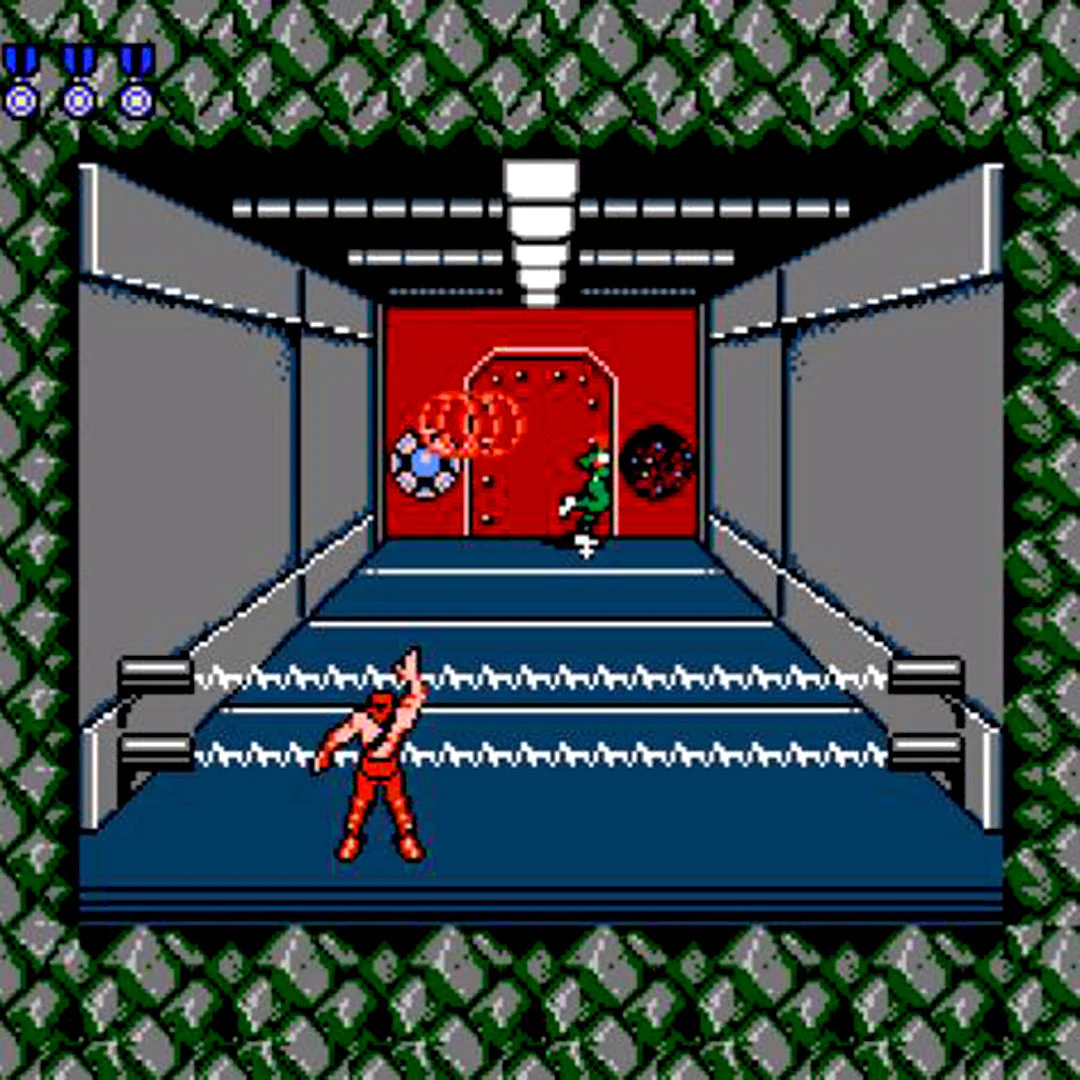
Death comes quickly. A bullet touches your commando and he is gone. No health bar absorbs the mistake. The game mixes straightforward running and shooting with base stages that send you forward into the screen, then changes the scenery again before you can settle. Three starting lives make a poor allowance for sightseeing.
The code changes that allowance to thirty lives in total. It doesn’t give you invincibility or an endless supply. You can burn through all thirty by being sufficiently enthusiastic. But a mistake no longer has to end the attempt just as you are beginning to understand the enemy that caused it.
With two players, the extra lives make room for a different kind of entertainment: two people trying to coordinate while the game keeps tempting one of them to hurry. A shared screen has no patience for a long debate. Sometimes the heroic charge is your partner accidentally making your life harder.
For a household with one new cartridge, thirty chances could reveal more of what it had bought. For somebody trying to finish a rental before it went back, the code offered an appealing alternative to spending the whole weekend becoming intimately acquainted with the first few stages. You could return later and try to beat the game without it. First, you wanted to see the alien.
A secret with a printing press behind it
It is tempting to picture the code traveling entirely through whispered playground instructions. There were also adults putting it into print. The first issue of Nintendo Power, dated July/August 1988, included the Contra command on page 58 of its Classified Information section. The heading was cheerfully unsubtle: “Build up your forces fast!”
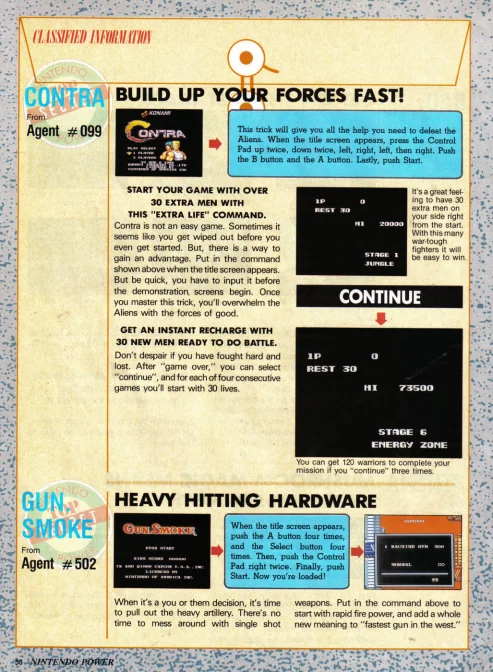
Look at the actual page and the secret loses none of its appeal. Directions and button names sit beside a picture of the game. Someone could copy the sequence onto a scrap of paper, carry it to a friend’s house, and demonstrate it on a different television. A nationally distributed magazine and a handwritten note could be stages of the same journey.
That circulation was part of the pleasure. You had information the game hadn’t offered on its title screen. You could arrive at a friend’s house with something useful. The proof took seconds: enter the command, begin, and inspect the reserve lives. There was no elaborate story to defend when the number appeared.
Years later, in a 2019 Reddit discussion about the code’s appearance in Fortnite, one reader described an old piece of notebook paper sitting beneath the Nintendo. They remembered needing to learn the sequence before the paper disappeared. It is a small player’s recollection rather than a census of the NES generation, but the image is wonderfully familiar: a precious secret stored where an adult might mistake it for rubbish.
Contra made the sequence useful enough to memorize. Magazines made it available. Players made it something you could perform.
The code follows you into the body of a monster
Konami’s North American NES Life Force supplied another excellent reason to remember it. This shooter, released in 1988, sent two spacecraft through a fantastically unpleasant environment. The manual’s story placed the action inside a colossal creature called Zelos. Konami had found a way to make a space shooter look as though somebody’s digestive system was trying to murder you.

The action switched between horizontal and vertical scrolling. In one stretch you were guiding a ship through danger from the side; in another, it felt as if you were pushing upward into the machinery of the beast. Having a second player meant more firepower and another ship competing for safe space.
The familiar title-screen command supplied thirty ships in the North American NES version. Nintendo Power‘s March 1991 issue grouped it with the original Gradius and Contra tricks, making the pattern look like something you could carry between cartridges. Yet the code was already developing a mischievous habit: the same buttons didn’t promise the same present.
On the Game Boy, Teenage Mutant Ninja Turtles: Fall of the Foot Clan used the paused sequence to refill health. The January 1993 magazine rundown identified it as a once-per-game trick. That suited a portable brawler rather well. Four turtles and a dwindling health meter called for a small rescue, not thirty spacecraft.

It also demonstrated how far the command had traveled within Konami. The original problem involved a programmer and a spaceship. Now a child on a car journey could use the same remembered motions to keep a turtle alive.
Super C refuses to honor the old password
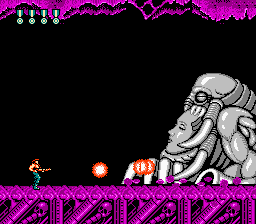
Then the sequel interrupted the ritual. In the North American NES release of Super C, the familiar ten inputs do not supply the old thirty-life reward. A shorter sequence—Right, Left, Down, Up, A, B, Start—gives you ten lives.
The March 1991 issue of Nintendo Power explained that change and noted that the planned thirty-life reward had been reduced to ten. Japan’s Super Contra and other regional releases had their own differences. A friend with the right instructions for another version could still be giving you the wrong instructions for yours.
Super C had plenty to spend those lives on. It retained the urgent running and shooting, then periodically looked down on the action from above. Alien growths invaded its military scenery. The more confidently you pushed forward, the more likely the game was to produce something fleshy, heavily armed, and badly disposed toward visitors.
Knowing the famous code had become the beginning of an investigation. You tried it, listened for a sign, inspected the result, and went looking for the correction. Konami could count on players knowing the pattern well enough to notice when it broke. On the Super Nintendo, it would use that familiarity to set a trap.
1990–1991: Konami knows exactly what you’re going to try
A player carrying the old command into the Super Nintendo version of Gradius III had good reasons to expect a reward. The ship was familiar. The power-up system was familiar. The new graphics made the universe look more lavish, but nobody would mistake it for a welcoming place.
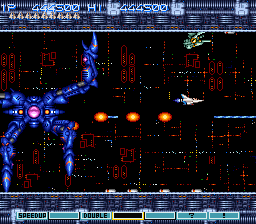
The game reached the Super Famicom in 1990 and the North American Super NES in 1991. Its controller had shoulder buttons marked L and R, perched above the familiar directional pad and the new cluster of face buttons. Konami turned those letters into a joke at the player’s expense.
Pause, enter the old sequence with the directional pad, and resume. Your ship self-destructs.
It is a wonderfully mean punchline. You brought privileged information into a hostile game. The game recognized it and killed you anyway. The error wasn’t that the command had been forgotten; it had been anticipated.
The usable version replaces each directional Left and Right with the controller’s L and R shoulder buttons. Up, Up, Down, Down, L, R, L, R, B, A. Nintendo Power‘s hundredth issue later singled out the trap while looking back over its favorite codes.

It fits a series that has always enjoyed making a powerful ship feel precarious. The SNES can surround you with elaborate enemies and scenery, yet the familiar single collision still ends the good mood. Those enormous stone heads might look almost comical until their projectiles occupy the space where you intended to fly.
The joke also depends on players knowing Konami’s history. An unfamiliar command would merely be obscure. This one could betray you because you trusted it. By the early 1990s, the company had a recognizable tradition to play with.
There was no wizard inside the cartridge
A child could make the command sound almost supernatural. The NES was less impressed. Somebody had written a little routine that recognized the inputs and changed a value. The same computer that was drawing aliens could watch for a particular series of button presses.
The annotated disassembly of the NES version of Contra, reconstructed by preservation researchers, makes the trick unusually tangible. Its input-checking routine compares new button presses against a stored sequence. Reach ten correct inputs and it sets a success flag. Start a game with that flag set and the lives routine supplies twenty-nine reserve lives plus the commando already on screen. That’s your thirty.
Select and Start are excluded from the ten-button comparison. The cartridge itself quietly settles an argument that has survived decades of people reciting the command from memory.
It was also doing something different from a Game Genie plugged into the console. A Game Genie altered the game’s data as it ran; this command was a route the game’s own program recognized. You could discover it with the ordinary controller. For the larger battle over who controlled an NES cartridge, our history of Nintendo’s licensing rules follows the manufacturers and outsiders who fought over that territory.
Other secrets crowded the magazines: passwords, extra continues, hidden stages, sound tests, and strange button combinations particular to one game. The Konami Code had to share its pages. Yet its reusable rhythm gave it an advantage over a string you needed to copy exactly from a guide. Someone could hear “Up, Up, Down, Down” and know where the conversation was going.
The secret learns to dance
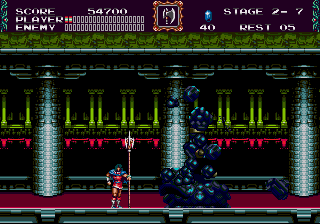
By 1994, the familiar motions had reached Sega hardware and Dracula’s territory. The Genesis game Castlevania: Bloodlines used the title-screen sequence to unlock Expert difficulty, as player-contributed instructions preserve. You could volunteer for a harder journey before earning that option by finishing the game. Anyone who treated the code as a guaranteed plea for mercy was in for a surprise.
The directions could even migrate from your thumbs to your feet. In Konami’s early Dance Dance Revolution releases, the Basic steps for “Make a Jam!” incorporated the Up, Up, Down, Down, Left, Right, Left, Right pattern. A player’s arcade guide identifies the reference. The command had become choreography. You followed the arrows to keep time with a song rather than trying to get around the game.
By the PlayStation 2 era, it could supply a much less cheerful form of assistance. In Metal Gear Solid 3: Snake Eater, released in 2004, Snake’s encounter with the elderly sniper called The End turned the forest into a patient, nerve-racking hunt. The opponent could remain hidden while you wondered whether you had spent the last minute looking in entirely the wrong place.
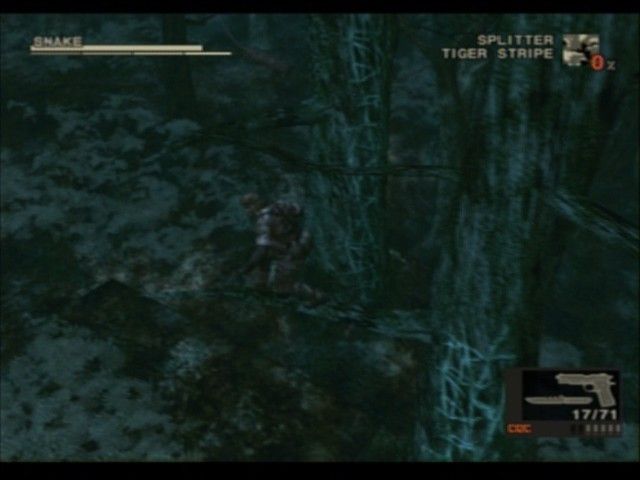
The PS2 version’s player instructions describe a map-screen variation ending in Square and Triangle that reveals The End’s position. The same guide records another use at the opening Konami logo: changing the intro’s credits to recognize its designers. One remembered rhythm could expose a sniper or offer a little extra curtain call to the people who made an opening movie.
By then the sequence could be a helping hand, a difficulty switch, a joke, or a piece of music. Trying it had become its own habit. That habit would follow players away from consoles.
2009–2010: somebody tries it on a website
The controller eventually gave way to a keyboard. On a computer, the arrow keys could carry the directions and the letters B and A could finish the command. A browser needed only a small piece of code to listen for the sequence. The person at the desk needed the old habit of trying it where it probably wouldn’t work.
Web developer George Mandis helped make that joke easy to borrow. In 2009, after seeing coverage of an ESPN website Easter egg, he built a reusable script called Konami JS. He added iPhone gesture support too. In his own account the following year, he described giving people with a little website-building knowledge a way to create “instant shenanigans.”
Newsweek supplied a memorable demonstration in 2010. Enter the code on its front page and the headlines and summaries became zombie news. A respectable publication abruptly appeared to be covering an undead emergency. Mandis posted a screenshot and recognized his script in the machinery behind the gag.
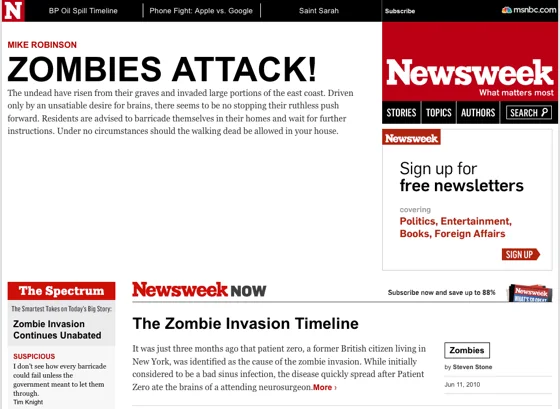
He initially wondered whether somebody would get into trouble. His update relayed a spokesperson’s statement: the programmers had hidden the joke, the rest of the site still worked, and the Easter egg would be removed after everyone had enjoyed it. The zombie apocalypse was to be handled by ordinary site maintenance.
The reward had changed completely. No lives, no laser, no advantage over another player. You typed a familiar sequence and discovered that someone on the other side of the screen knew it too. The surprise lasted seconds. That was enough.
Even a phone could give the code a more practical job. On the Palm Pre, developers used a typed version of the old sequence to expose the Developer Mode switch, as a firsthand Palm Pre setup guide documents. A command born as a developer’s aid had found its way back into a developer’s toolkit, now on a device that fitted in a pocket.
A secret door that sometimes leads to a worse afternoon
By 2012, Disney could put the sequence into Wreck-It Ralph and trust a portion of the audience to recognize the joke. King Candy used it to get into the hidden workings of Sugar Rush. The film’s contemporary coverage picked up the reference. For viewers who had learned the buttons years earlier, the scene offered a little extra pleasure beneath the larger joke about worlds inside arcade machines.
The code suited that fantasy. Real cartridges had rewarded players for trying something the visible game didn’t explain. A movie could turn that experience into a literal entrance behind the scenery. The familiar sequence made a secret control room feel plausible before the film needed to explain it.
Then BioShock Infinite used it to make life harder.
The 2013 shooter normally unlocked its demanding 1999 Mode after completion. Its own manual also mentioned a secret-code route. Launch-period reporting preserved on Steam identified the Konami sequence, with the ending adapted to the platform’s controls.
Instead of cushioning your mistakes, it opened a mode designed to punish them. The code that many people associated with surviving a game could now waive the wait for a harsher challenge. There was a good joke in that reversal, though anyone hoping for thirty spare lives was shopping in the wrong department.
2019: Fortnite goes dark, and the old reflex returns
On October 13, 2019, Fortnite‘s “The End” event left players staring at a black hole. The game’s enormous, noisy world had been replaced by an absence. You could watch, speculate, or impatiently try to make something happen.
Somebody tried the Konami Code.
The reward was a small arcade-style shooting game involving a Durr Burger and incoming pizza slices. GameSpot’s captured PC footage preserves the minigame. It made a wonderfully silly hiding place: while players waited for one of the world’s largest games to return, an old command let them pass the time with something tiny.
“I want to know who these people are that try the konami code everywhere to find this stuff?”
—A reader in the October 14, 2019 Reddit discussion about Fortnite‘s black-hole minigame
A reply in that thread described grown-up children remembering sleepovers and the paper on which they had saved the command. The exchange catches two sides of the joke. One person is astonished that anyone would think to try this. Another finds trying it almost automatic.
A cartridge secret once had to travel between magazines, friends, and televisions. This one spread while the event was still unfolding, with screenshots, clips, and instructions reaching people who had never owned a Nintendo.
2020: remembering the person behind the buttons
Hashimoto died in February 2020, aged sixty-one. Konami publicly paid tribute to the producer who had introduced the code. Players responded by telling stories about the games it had helped them finish.
His career was much larger than ten inputs. The preserved credits follow his work beyond Gradius into later Konami productions. Yet a practical decision on an early home conversion became the thing people around the world could repeat from memory. Game development contains countless small solutions like that. Very few acquire a life on somebody else’s controller.
Remembering him also brings the story back down to human size. He wasn’t a mythical master player leaving clues for less gifted mortals. In his own account, he needed help getting through a difficult game. That is a far more companionable origin for a secret so many people used.
The secret becomes official merchandise—and returns to Contra
Konami was selling the command as a piece of its history by the thirty-fifth anniversary in 2021, pairing merchandise with new arrangements of old game music. An invisible feature inside a cartridge had become something you could wear openly. The company no longer needed a player to discover the message; the arrows advertised themselves.
The games still had room for the old trick. WayForward’s Contra: Operation Galuga, released in 2024, returned to the jungle and the running-and-shooting action. It also brought the sequence into a newer progression system.

Entering it at the opening title sequence unlocks access to the thirty-life perk in the game’s shop, rather than immediately handing you the NES game’s starting stock. A player’s recorded demonstration shows the unlock and its purchase with in-game credits. The official Steam achievement list even rewards entering the code. Konami and WayForward plainly expected players to remember.
There is something funny about seeing an illicit-feeling childhood ritual acknowledged by an achievement and a shop menu. The old cartridge quietly changed a number. The modern game congratulates you for finding the reference. Both rewards make sense in their surroundings, but the contrast is an excellent measure of how far the secret has traveled.
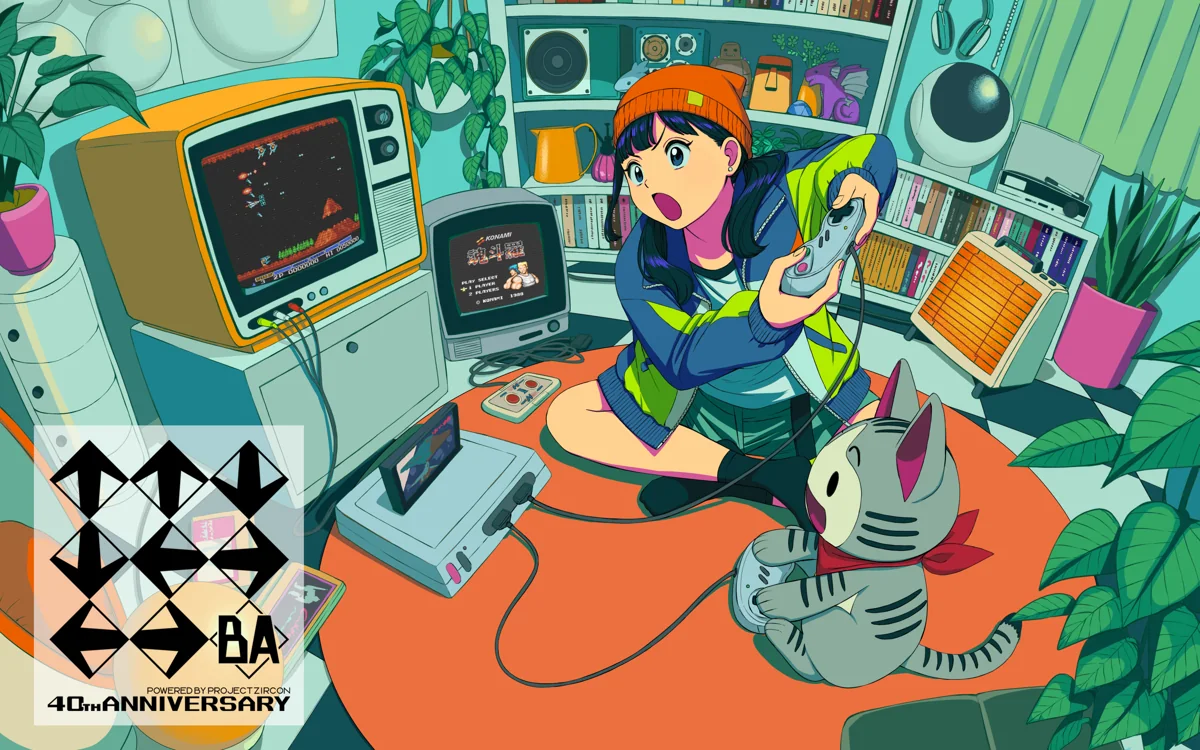
On April 25, 2026, the Famicom command reached forty. Konami’s anniversary announcement tied the occasion to music from six retro games, ninety-eight tracks, and new shirts. Its commemorative artwork put old game screens and controllers in a contemporary room. The little sequence now had several generations of furniture around it.
Try it where the legend started
The cleanest way to understand the fuss is still to play the original games. Mesen, in our emulator database, is a useful place to start with your own NES cartridge dumps. Use the NES versions of Gradius and Contra, check your controller mapping, and remember that the emulator’s physical buttons may not have Nintendo’s labels.
Begin Gradius normally, build a few upgrades, and lose them. Then pause and try the command. You can feel exactly what Hashimoto bought himself: a better chance to move through the game. In Contra, compare the ordinary starting stock with thirty lives. The jungle hasn’t changed, but the amount of time you can spend learning it has.
For a modern commercial route, the Contra Anniversary Collection includes the NES original among its games. Gradius Origins, released in 2025, gathers arcade versions and adds features such as rewind and training support. Those arcade games are a different starting point from the Famicom conversion in which the code first appeared. Choose the home version if you want to reproduce the original discovery.
Rewind and save states now offer conveniences that don’t need to be hidden. A menu can do more for a struggling player than ten secret inputs ever could. Yet knowing where the old door is still adds a small pleasure to opening it.
Hand a controller to somebody who has never played Contra. Let them discover how quickly a bullet ends the attempt. Then show them the sequence. The aliens will remain exactly as unreasonable as before. Your friend will have more time, and you will have something useful to pass along.
More Retro Replay histories
- Nintendo’s licensing rules: the power behind the NES cartridge business
- The Power Glove: another unforgettable NES ritual
- LJN video games: the rainbow, the licenses, and the reputation
Sources and further reading
- Hashimoto’s 2003 interview, translated and published by Siliconera in 2011
- Nintendo’s preserved Gradius manual and the NES Life Force manual
- Nintendo Power, July/August 1988, page 58; March 1991; January 1993; September 1997
- Annotated NES Contra disassembly
- George Mandis on Konami JS and the Newsweek zombie Easter egg
- Captured footage of Fortnite‘s 2019 minigame and the contemporary player discussion
- Konami’s thirty-fifth-anniversary announcement and its fortieth-anniversary announcement