 Retro Replay Retro Gaming History, Reviews & Emulation
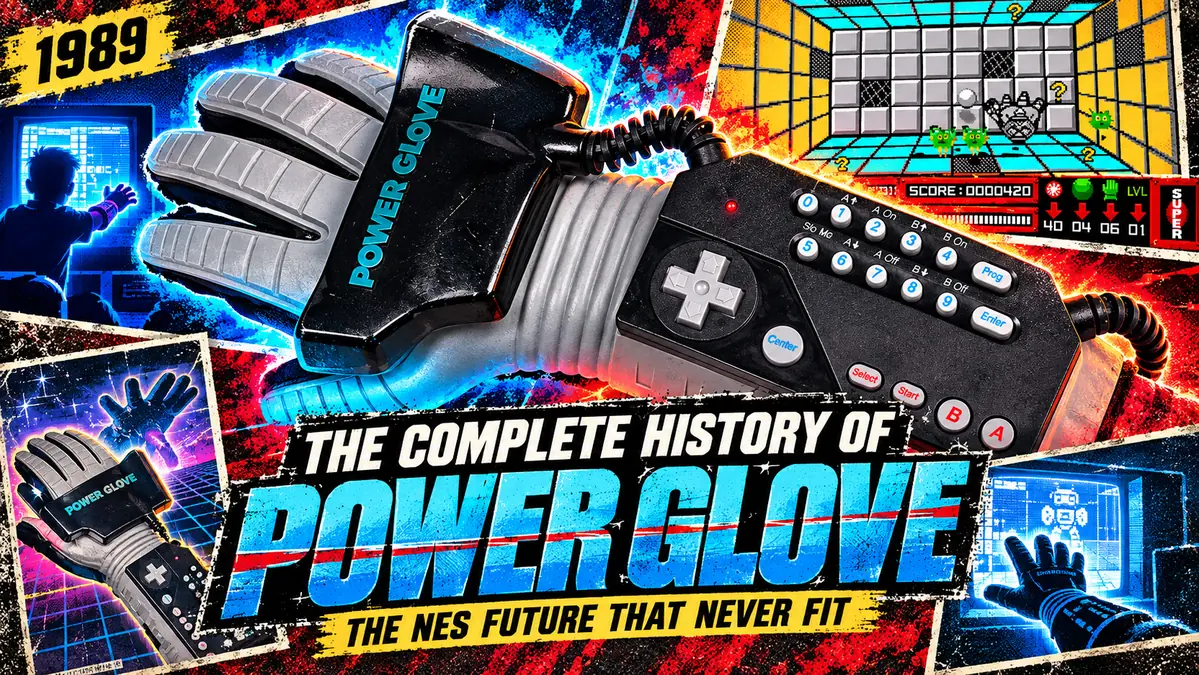
Lucas Barton opens the case as though he is about to show everybody a weapon. Inside is a gray glove, a black wrist console, and the sort of plastic armor a kid in 1989 would happily have worn to school. He puts it on, plays Rad Racer, and delivers the line that outlived almost everything else in The Wizard: “I love the Power Glove. It’s so bad.”
He means bad in the good way. A remarkable number of people who bought one would later use the word in its older sense.
The joke stuck because the glove looked so convincing. It began with a musician who wanted to play an invisible instrument, passed through Atari and the early virtual reality business, and ended up strapped to children trying to make Mario jump. Somewhere along that trip, a device meant to simplify using a computer acquired a formidable instruction book.
On screen, Lucas extends his hand and the car obeys. At home, somebody has to assemble a frame around the television, enter a program, and teach the glove where the hand is resting. The future has arrived. First, move the coffee table.
A glove for an invisible instrument
Thomas Zimmerman came to the idea through music. An inventor fascinated by light, electronics and performance, he wanted to play an instrument without holding the instrument. If a computer could read the bend of a finger, an empty hand could become a musical control. His optical flex sensor patent, filed in 1982, described a way to measure bending by the light passing through a flexible structure. A finger could supply a changing value rather than simply press a switch.
Bend a finger slowly and the sound could change with it. Zimmerman wanted expression from the hand: the small movements a musician makes without thinking about a switch.
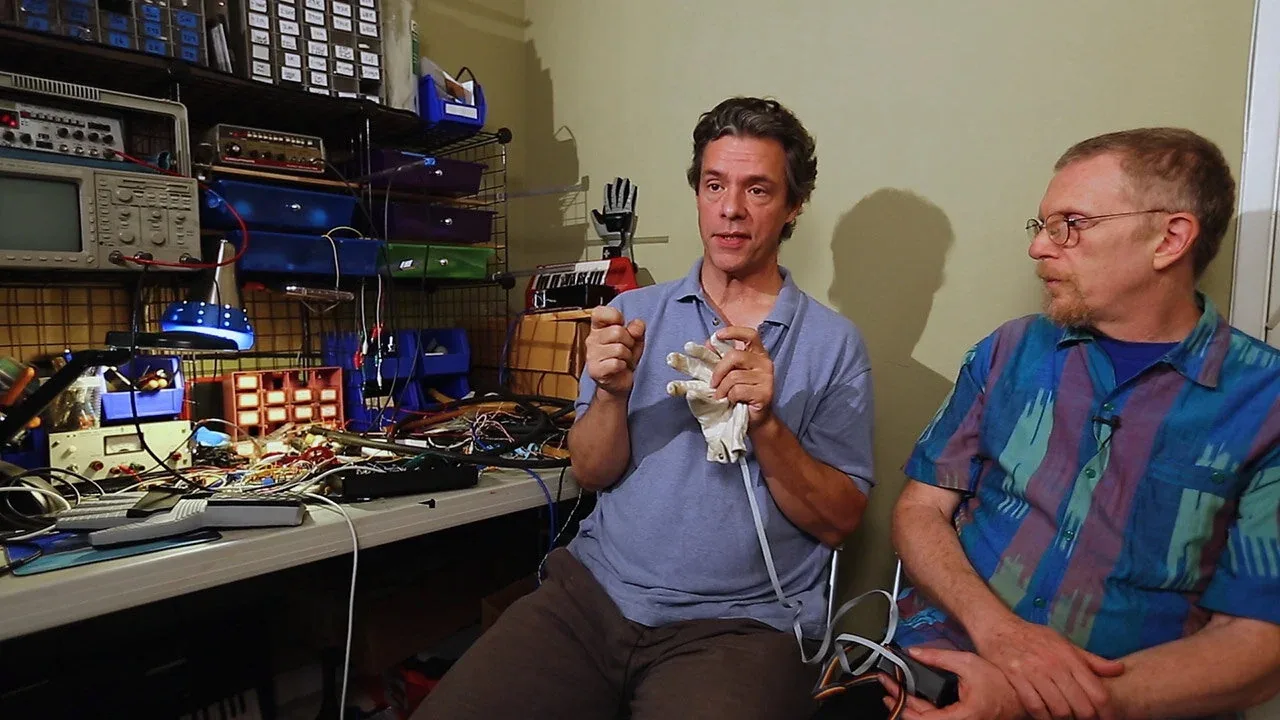
Zimmerman worked at Atari’s research lab from 1982 to 1984. In his ANTIC interview, he recalled turning down Atari’s $10,000 offer for the glove patent after a friend advised him to hold on to it. He later met Jaron Lanier at an electronic music concert; Lanier was interested in replacing a tablet used with a visual programming language. Zimmerman began making gloves for him, then joined VPL Research.
Zimmerman had reached video games by a wonderfully roundabout route. He was trying to make music; children would eventually use his invention to wrestle with Goombas.

Lanier, a musician and cofounder of VPL, helped give the glove a place in early virtual reality. Their joint patent for entering and manipulating computer data describes a hand represented on a screen, gestures that act on virtual objects, and positional tracking. Its examples include a virtual steering wheel. The attraction is easy to understand: see an object, reach toward it, and act on it with a gesture that resembles the action you intended.
Behind the science-fiction costume was a serious invention. Getting it out of the lab meant making it cheap, sturdy, and usable without an engineer standing beside the customer.
A firsthand account from a VPL colleague remembers the small team’s work with NASA and the excitement of making a virtual world feel bodily convincing. Those experiments belonged to a research environment. Somebody knowledgeable could arrange the equipment and choose the demonstration. Bringing that sensation home meant handing the arrangement to the customer.
Mattel wants another way into the game
Christopher Gentile helped carry the idea across that divide. At Abrams/Gentile Entertainment, or AGE, his task was to turn technology into something a company could manufacture, retailers could understand, and families would want. The laboratory glove offered an extraordinarily clear sales picture: an ordinary game player becoming part of the action.
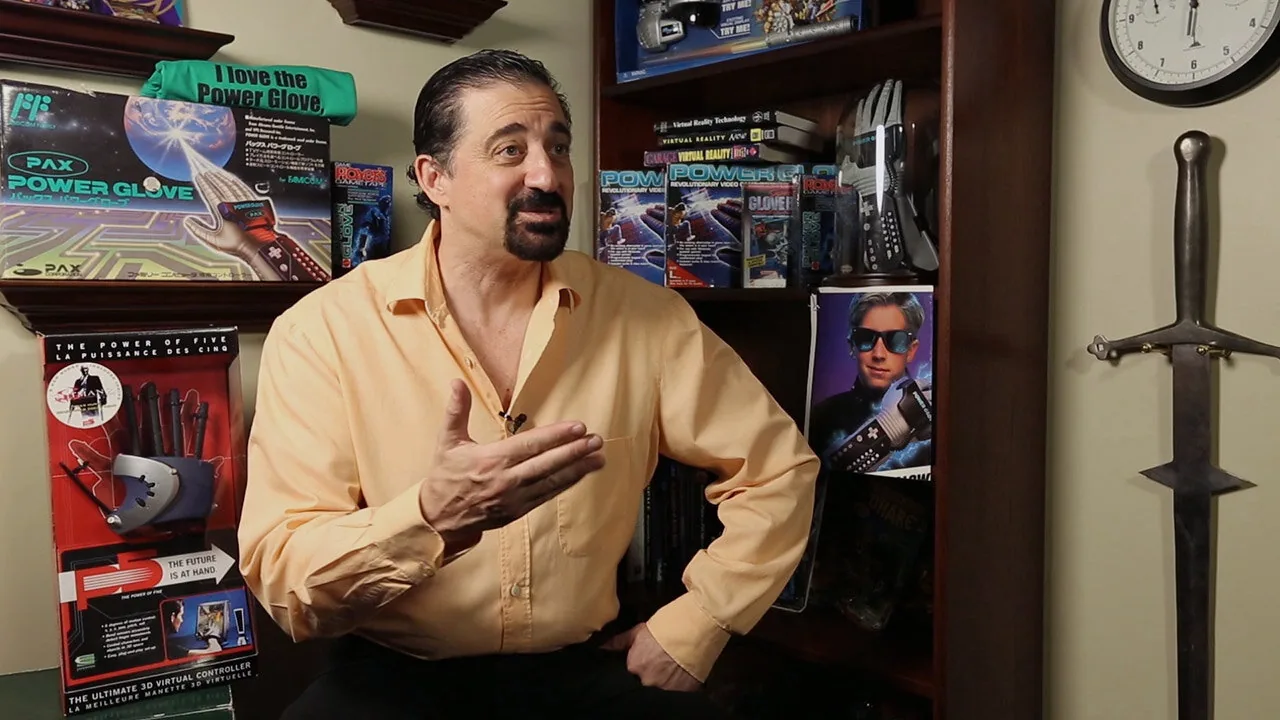
The documentary The Power of Glove follows the invention through the people who built, programmed and sold it. Their interviews catch the excitement of getting a hand onto the screen—and the trouble that began when somebody had to make a game worth playing with it.
For Mattel, an accessory attached to somebody else’s successful console offered a manageable way back into games. Its earlier Intellivision business belonged to the industry that had crashed in the early 1980s. Now the NES was already in homes. Mattel could sell the exciting new part without asking families to replace the machine underneath it. The Powerhouse museum’s surviving 1989 set captures the resulting product: glove, accessories, packaging and instructions, all the pieces needed to turn a gesture into a consumer purchase.
The NES was already full of games built for quick taps on a pad. A glove could send those same commands. That hardly guaranteed that anyone would enjoy sending them with their whole arm.
The television listens to your hand
The glove had to answer two questions at once: where is the hand, and are the fingers open or closed?
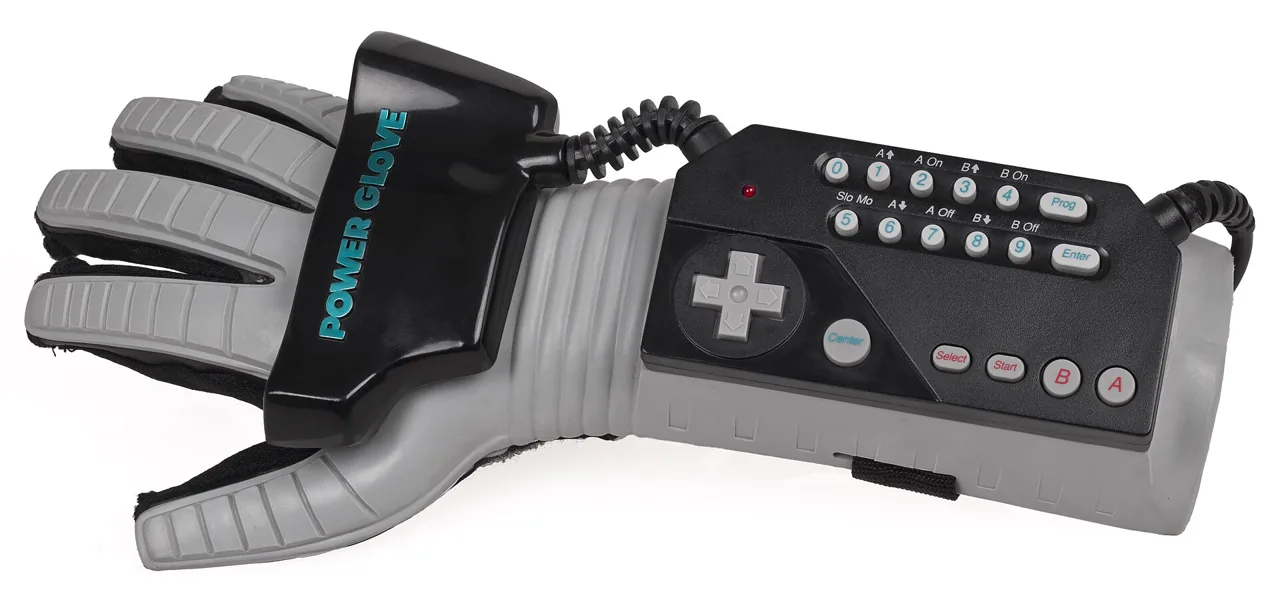
The black unit above the knuckles held two ultrasonic transmitters. Three receivers, arranged around the television in an L-shaped assembly, listened for their signals. Timing those signals let the system estimate the hand’s position. Finger sensors supplied bending information. The Centre for Computing History’s hardware description records the consumer glove’s coarse, four-level finger readings. This was a remarkably compact translation of a moving hand, but it was far from a modern skeletal model of every joint.
The optical sensing used in the laboratory lineage gave way to inexpensive resistive sensors in the retail product. A later controller patent’s discussion of earlier gloves describes the Power Glove’s conductive ink approach and ultrasonic tracking. The change was practical. A consumer accessory had to be made cheaply, repeatedly, and robustly enough to be worn, squeezed and abandoned on a floor.
The television was a convenient place to hang the receivers. They listened to the glove rather than watched the picture, so this was quite different from an NES light gun. Moving the screen could not fix a badly placed sensor frame.
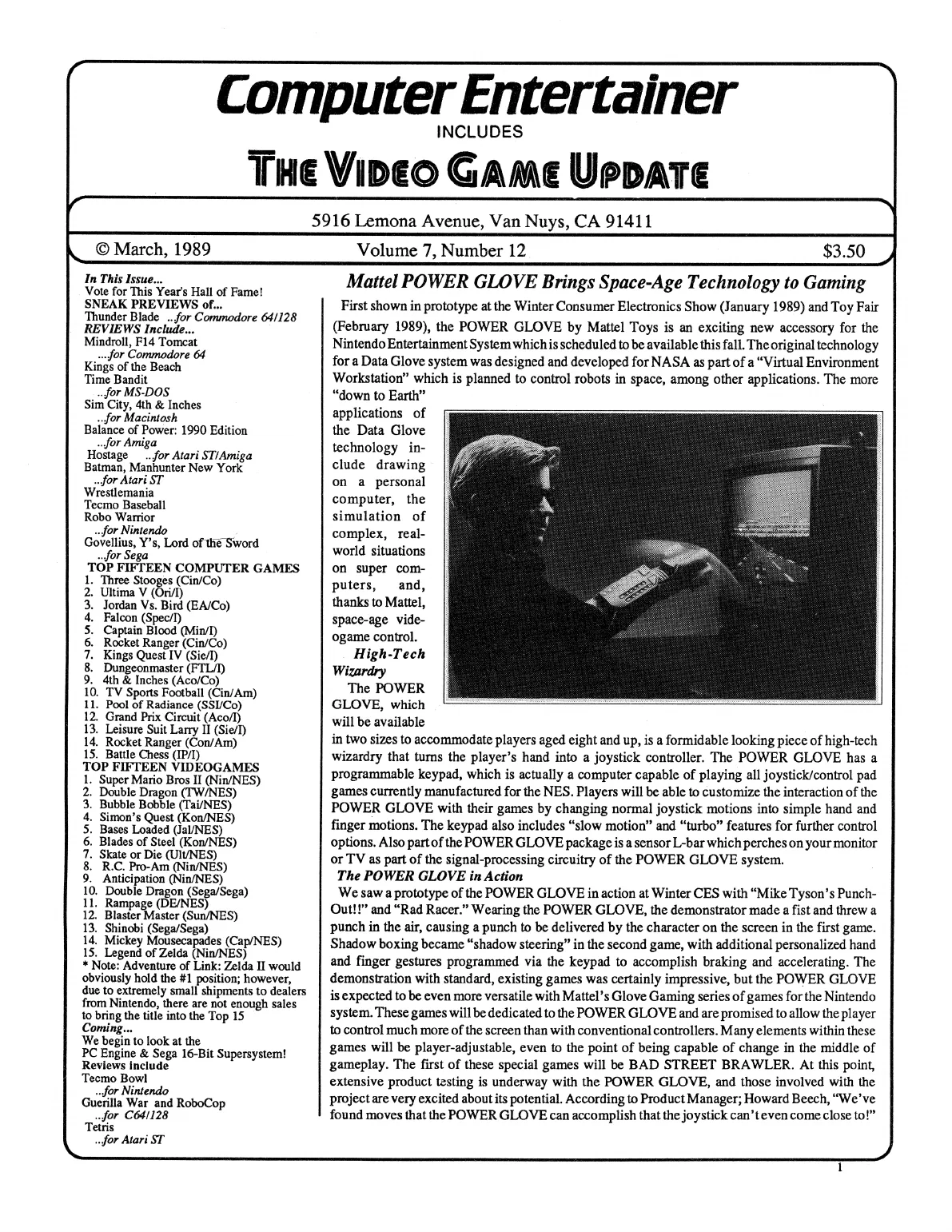
By early 1989, the promise had reached the trade press. Computer Entertainer’s March issue reported on prototypes shown at January’s Consumer Electronics Show and February’s Toy Fair. Its reporter had seen Mike Tyson’s Punch-Out!! and Rad Racer demonstrated and found the results impressive. Mattel planned a fall release, two sizes for players aged eight and up, and special software, beginning with Bad Street Brawler.
At a demonstration, the appeal was obvious. Turn a hand and steer a car. Throw a punch and hit the boxer. You could see why a reporter—or a retailer—would come away excited.
The demonstration and the product
One recollection takes the shine off the trade-show debut. In Jake Rossen’s oral history, a Mattel software engineer describes a CES presentation running on an Amiga, with a child actor pretending to play. It was a performance of the experience Mattel hoped to sell.
A trade-show performance lasts a few minutes. A child might try to play all afternoon, on a television nobody at Mattel had seen, with the sensors balanced on furniture. The product had to survive that less cooperative audience.
Lanier and Gentile also fell out over the money. Lanier said royalties had been withheld; Gentile said the licensed technology needed costly extra development before it could be manufactured. The oral history records both accounts and a settlement. Even the people bringing the glove to market could not agree on how far it had been from ready.
The argument exposed how much work remained between a promising invention and a box on a shelf. A prototype could be coaxed into a good demonstration. Customers would expect the same result every time they switched it on.
The glove’s styling, meanwhile, had solved a different problem brilliantly. It looked expensive. A few sensors sewn onto fabric might have delivered similar information while looking like somebody’s science project. The retail gauntlet gave the purchase a personality: molded fingers, a prominent tracker, and a forearm panel full of commands. Even sitting still, it appeared to be doing something important.
The Nintendo name made the whole proposition easier to recognize. The glove was licensed for the Nintendo Entertainment System, as the original instructions state. Mattel sold the American accessory. Calling it “the Nintendo Power Glove” is natural shorthand; treating it as a controller designed and manufactured by Nintendo loses the actual chain of responsibility.
Mattel could deliver the accessory before delivering its best reason to exist: games that made wearing it worthwhile.
Christmas comes with a calibration routine
Christmas morning meant connecting a glove, a junction box and a receiver frame before the first game. The ordinary pad was ready almost immediately. Of course, the ordinary pad did not make you look like a cyborg.
The instruction book makes centering a central part of the experience. The player establishes a resting position so movement can be judged around it, while opening and closing the hand helps establish the finger range. Its built-in programs assign motions to directions and buttons. Program 14 switches movement control off so the forearm controls can handle tasks such as entering a password. The glove even has a way to retreat into being a controller.
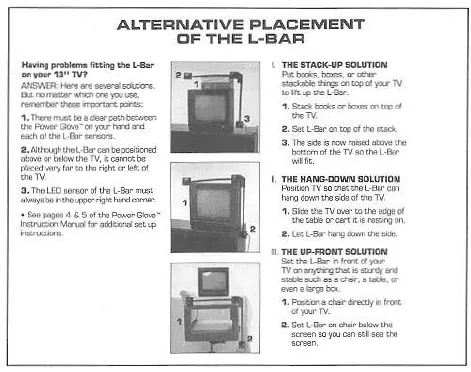
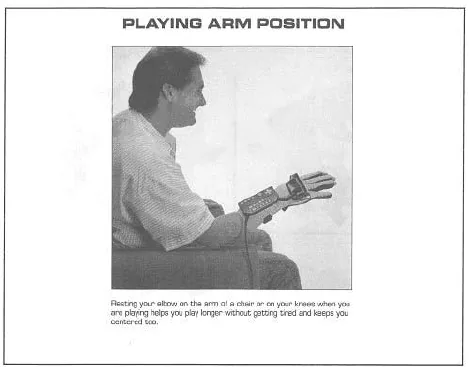
Mattel’s separate Program Guide suggested propping up the receivers with books and boxes. It also showed owners how to rest an elbow on a chair arm or knee. Sensible advice, though a little less glamorous than the advertisements.
A patient owner could treat this as learning an instrument. A child expecting an instant advantage over friends had been given homework. Mattel could package the sensors; it could not package a cooperative living room.
The coolest kid in the room
The Wizard knew how to sell this thing. Lucas opens his case, puts on the glove, and acts as though he has already won. Before he has done much of anything, you want what he has.
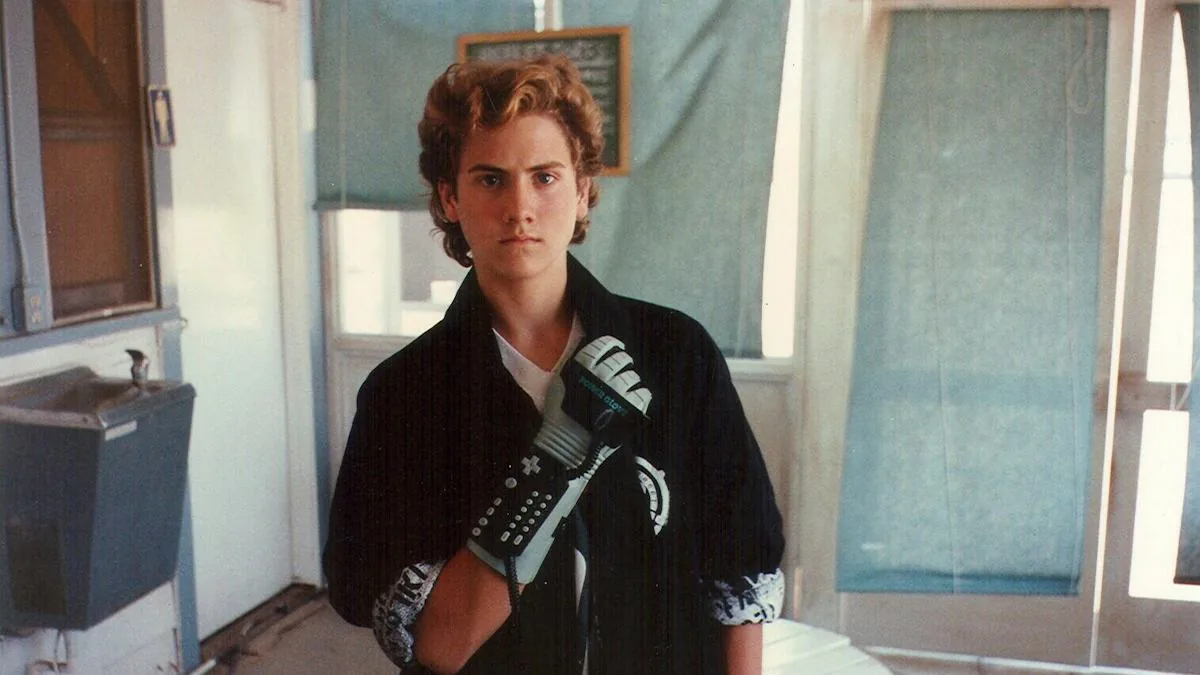
A kid watching the scene did not need to know about ultrasonic tracking. Good players usually looked like everybody else sitting in front of a TV. Lucas looked equipped.
The movie also contains a quiet reality check. Lucas demonstrates Rad Racer with the glove, but the climactic Super Mario Bros. 3 tournament uses ordinary controllers. When the stakes rise, the thumbs take over.
Lucas only has to look magnificent for a moment. A buyer has to live with the glove after the credits.
Steering is easier to imagine than platforming
Rad Racer was an excellent game to put in that moment. The road curls toward the horizon, rival cars sweep past, and a sharp bend asks for a steering correction. A hand held out like part of an imaginary wheel gives the audience a sensible story about what is happening. Turn the hand, turn the car. A race already has a physical action waiting to be imitated.
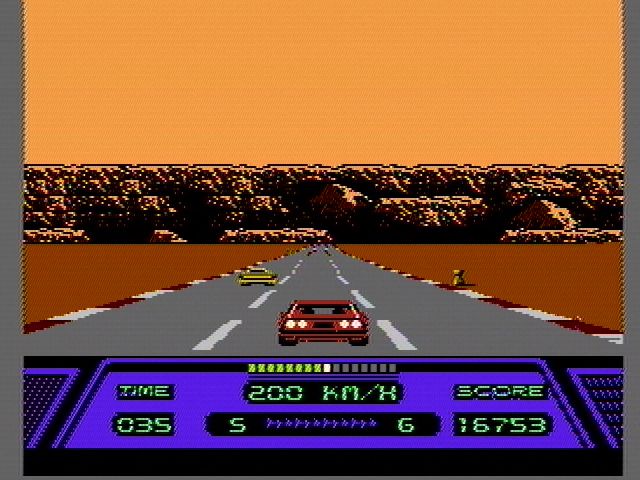
Traffic still demands small corrections. Let your hand drift and the car can follow it into trouble. But steering at least gives the glove an action that makes sense: your movement resembles what the driver is doing.
In a 2025 discussion beneath a Christmas 1989 photograph, one owner remembered having “ok success playing rad racer with it, but that’s pretty much it.” Another remembered enjoying Punch-Out!!. Some households got further than others.
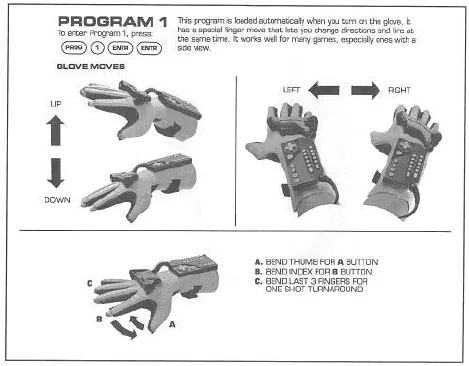
The program diagrams told you which movement meant left, right, A or B. Once the race started, you still had to make those movements quickly enough to stay on the road.
Glass Joe is suddenly a serious opponent
Mike Tyson’s Punch-Out!! offered an even stronger visual pitch. The opponent faces you. Your boxer occupies the foreground. Throw a real punch and the boxer throws one too: the demonstration almost sells itself.
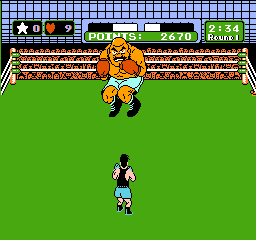
Punch-Out!! soon demands more than punching. Watch the opponent, recognize a tell, dodge, then strike during the opening. A pad lets you do that with tiny thumb movements. The glove turns each exchange into more of a workout.
Miss a command and the opening closes while you sort out your hand. The game has not slowed down to admire your new accessory.
One owner in a 2024 discussion put it neatly: “Glass Joe never seemed so tough.” When the warm-up opponent becomes the ordeal, something has gone wrong before the real fights begin.
Mario is less forgiving still. Running, jumping and correcting a landing happen almost together. By the time you wonder whether the glove recognized a finger bend, the pit has usually settled the question.

Mattel had made something everyone wanted to look at. Mario needed something the player could stop thinking about.
Bad Street Brawler has the badge
The companion game waiting closest to the glove’s launch was Bad Street Brawler. Its NES box carried the Power Glove Gaming Series branding, which made it look like a destination for the new hardware. The underlying game had an older life. Release records trace Beam Software’s brawler to 1987 computer versions, known under names including Bop’N Rumble and Street Hassle, before Mattel’s 1989 NES edition.
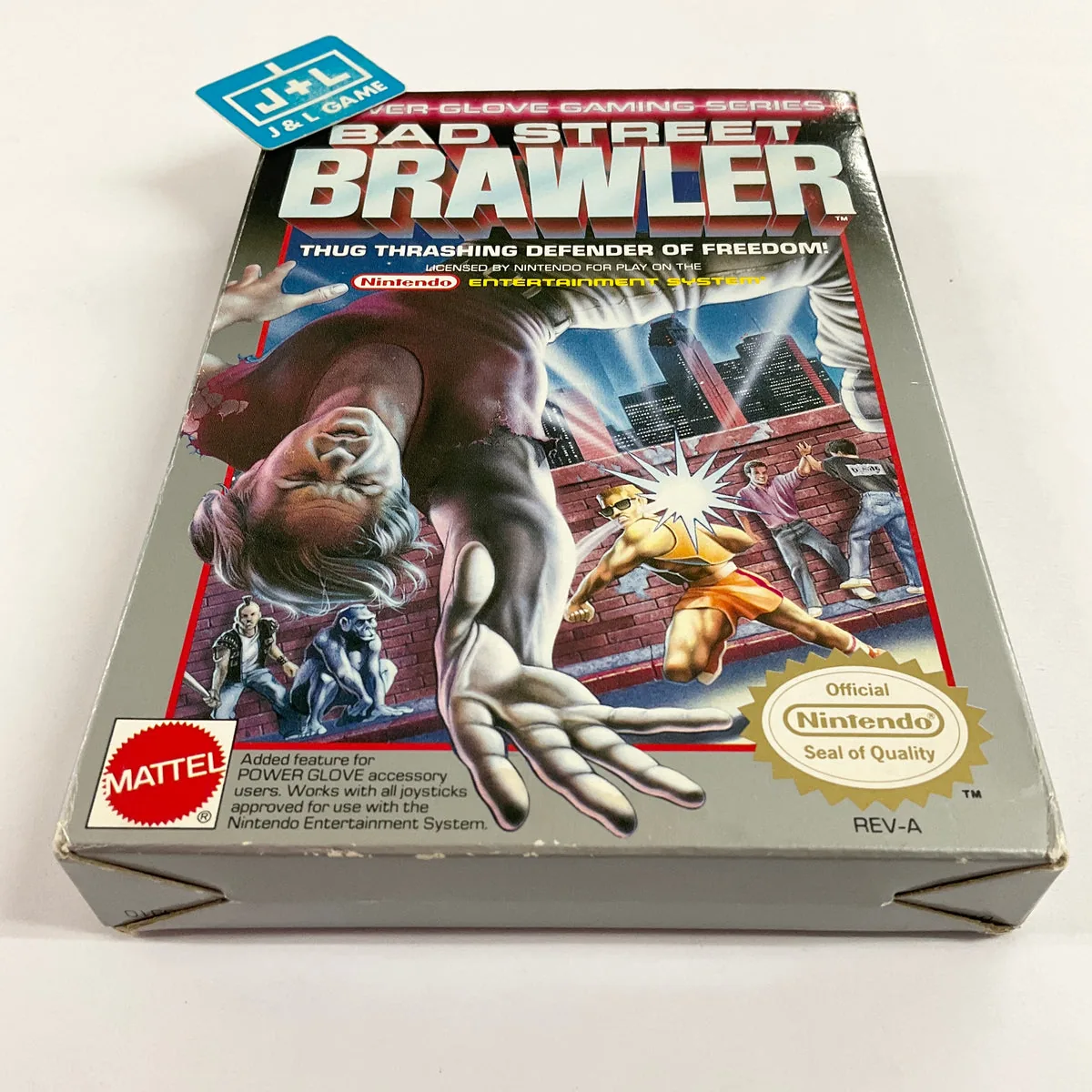
The NES hero is Duke Davis, a former punk rocker turned martial arts vigilante. His city is threatened by thugs and circus renegades. The manual gives him fifteen fighting moves, with three available in each stage, and a practice section to learn the current set before fighting. There are up to fifteen stages. Duke’s repertoire changes as he advances, so knowing a favorite attack does not guarantee you will have it in the next confrontation.
Duke starts each stage by checking his available moves against a practice bag. It is an odd ritual for a supposed master of street fighting, and the glove adds another set of commands to remember.
Duke still walks through a side-on street and performs fixed attacks. Waving an arm cannot make him reach into the scenery or improvise a fight. The player does more moving; Duke does much the same thing.
The cartridge really did support the glove. It just offered little of the experience the hardware seemed to promise. Mattel had a companion game for 1989; the more interesting one was still being made.
Super Glove Ball puts your hand inside
Super Glove Ball, developed by Rare and published by Mattel in October 1990, starts with an image that explains the accessory better than Duke’s punches: a hand floating inside a room.
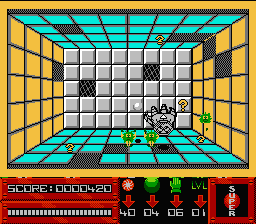
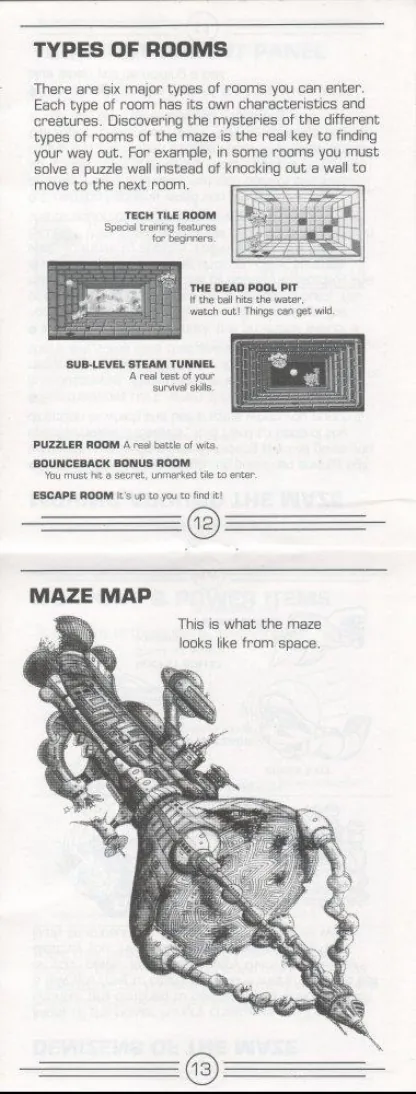
Walls, floor and ceiling recede into a box of tiled surfaces. The hand is yours to move. A ball rebounds around the space and breaks tiles. It resembles a brick-breaking game that has escaped the flat screen and wrapped its playfield around the player. Instead of moving a narrow paddle along one edge, you handle an object inside a room.
The original manual gives the glove a much more expressive job. Close the hand to catch, open it to throw, and turn the wrist to curve a ball. A punch provides another attack. Clearing a wall opens a route through a maze, with different room types, enemies and useful items. A conventional NES pad can also play the game, using button combinations for actions that the glove attempts to embody.
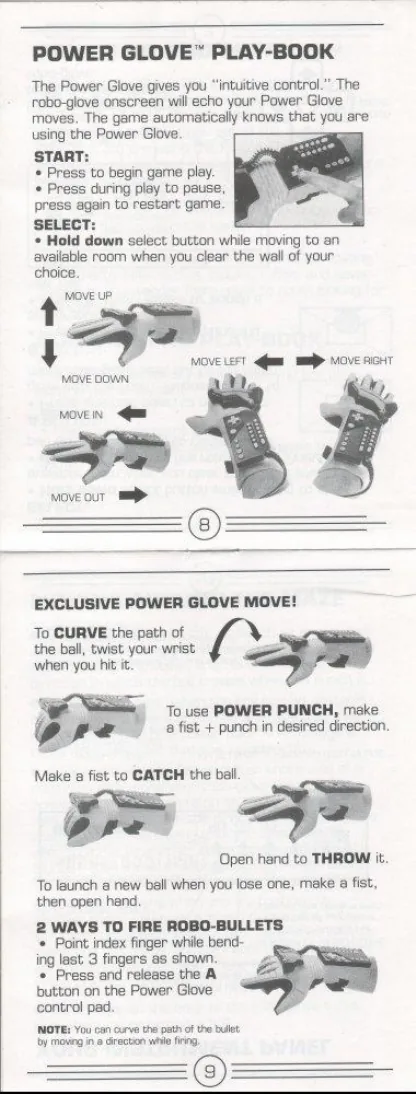
Catching finally gives the hand a sensible job. Close a fist to hold a ball. Open it to throw. You can understand the intention by looking at the screen, without remembering which finger stands for a jump button.
The floating hand also shows you where the game thinks you are. Move it across the room and you can see the response. That feedback makes a difference when your controller is hanging in the air.
A 2015 review using the glove found the catching motion intuitive and the wrist-based curve useful once everything was set up correctly. For this reviewer, Rare had found a reason to wear the accessory.
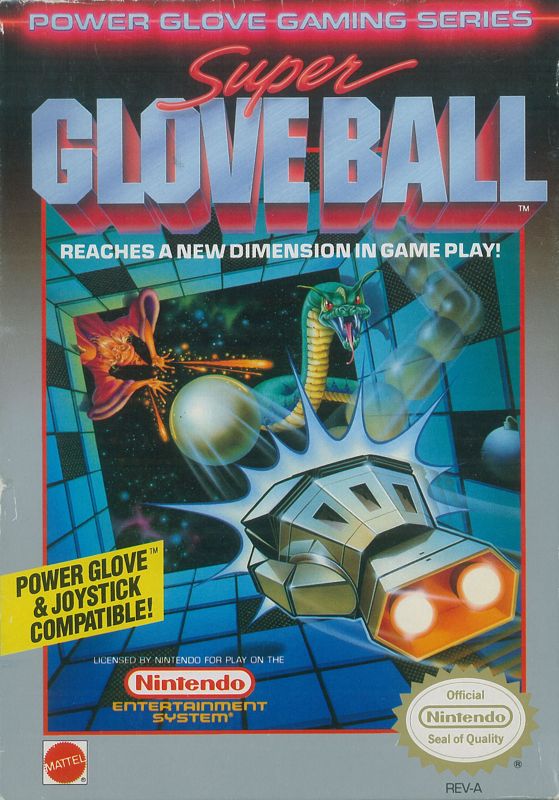
The design has its own problems. A ball traveling through a small simulated room is harder to judge than a ball moving across a flat brick-breaking field. The hand can obscure part of the action. Enemies compete for attention with the rebounding ball. A promising interface does not automatically produce an irresistible game.
Beyond the first room lies a maze. Choosing exits gives the cartridge more to do after the demonstration, although the work remains familiar: another room, another set of tiles, another ball to keep in play.
Later reviews disagree about how much fun survives that routine. GameFAQs reviewer PlasmawarriorX, writing in 2010, used a pad and liked some of the ideas. A Questicle review found the rooms dull. Both played without the glove, a reminder that the cartridge had its own problems to answer for.
Super Glove Ball finally made a case for reaching into the game. Unfortunately, it needed to win back owners who had already put the glove away.
“I loved it… Was it the worst thing? Probably… Did it make me feel bionic and all-powerful? DEFINITELY!”
A player remembering the accessory in a 2025 Christmas-photo discussion. A personal memory, rather than a measure of the hardware’s accuracy.
The games still on the way
Two cartridges were supposed to be the start of a shelf. Promotional material promised more places to use the glove. Increasingly, those places stayed in the advertisements.
The Terror of Tech Town, also called Tektown, proposed a robotic hand exploring technological buildings and solving puzzles. Unseen64 traces it from a 1989 announcement to a video promising a spring 1991 release. Questions remain about some prototype pictures and their connection to an earlier computer project. The game never reached the promised shelf.
Opening doors and handling objects would have given the hand something to do beyond replacing a button. A slower adventure might also have let players find their bearings before asking for another hurried gesture.
Glove Pilot appeared in announcements too. A cockpit seemed a natural destination for the accessory, but it never became a cartridge owners could buy. The promised lineup kept shrinking to the same two games.
The creator interviews also describe an abandoned Turbo Glove: a lighter model with the keypad on a belt. That might have eased the burden on the arm. By then, another glove would have needed to persuade disappointed owners to give the idea a second chance.
Developers wanted an audience before paying to build glove games. Buyers needed games before the glove seemed worth keeping connected. Compatibility with the old library helped sell the first box, then left Mattel struggling to justify the next purchase.
A bestseller can still lose its future
The Power Glove’s sales story is less tidy than its reputation. In the oral history, Gentile claims 1.3 million gloves sold worldwide. A Mattel engineer recalls $80 million in sales against expectations that had risen to $120 million. These are attributed retrospective figures, rather than an audited breakdown of retail sales, returns and profit. They establish why “nobody bought it” is a poor explanation for the failure.
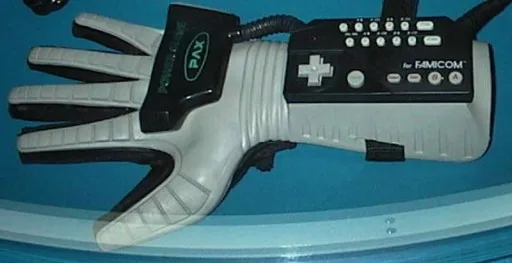
The PAX-branded Famicom version reached Japan and survives in museum collections. Regional sales claims vary enough that adding them together gives a false sense of certainty. A retailer’s order and a glove taken home by a customer are different things.
Whatever the final total, the promised game library failed to grow. Owners could keep enjoying their NES while putting the glove away. The ordinary controller was still beside the television, ready to resume work.
The glove sold excitement. It failed to build a lasting way to play. Those outcomes can coexist, however awkward they look beside a headline calling it a flop.
The closet was not the end
The glove became easier to love once it no longer had to improve every NES game. Hobbyists could choose one job, replace electronics, and tolerate a setup routine that would have ruined Christmas morning.
The short film Playing with Power shows one particularly satisfying adaptation: a stop-motion animator turning the glove into a wireless tool for controlling animation software. The creator’s own account dates that recognition to 2015. New electronics and Bluetooth make it a different working tool. The clever part is the fit between the job and the interface: an animator can stay close to the miniature set rather than constantly travel back to the computer.
For an animator, avoiding another trip from the miniature set to the computer was enough. The glove could succeed at one repeated task without having to conquer the NES library.
The documentary The Power of Glove follows those later experiments alongside the original development. The failed accessory keeps turning up in workshops, performances and collections, looking too interesting to throw away.
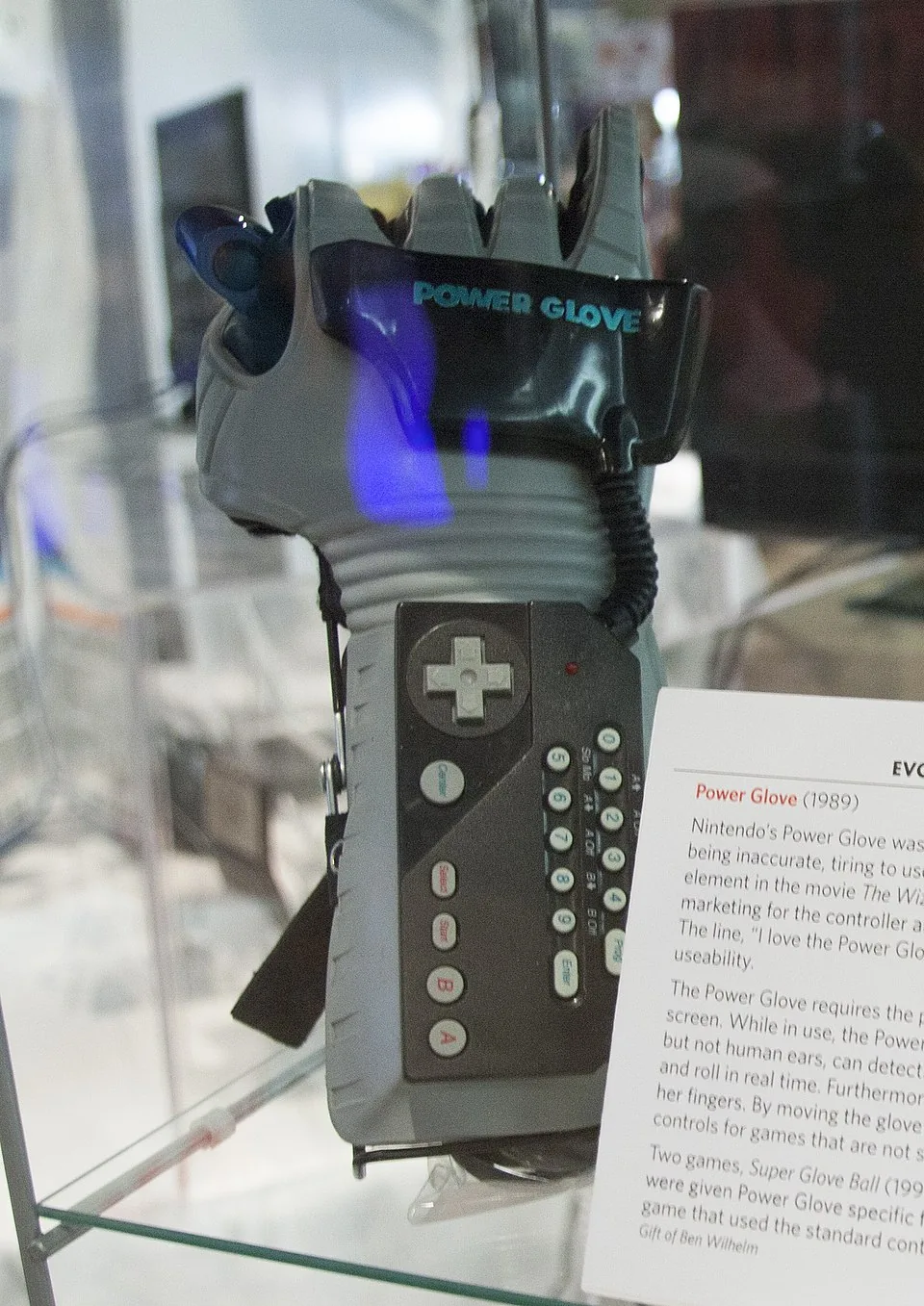
Owners still argue about it. Beneath Nintendo Life’s 2018 retrospective, one commenter insists it did not work; another says careful setup and practice made it work well. Those households were never going to remember the same Christmas.
A photograph has none of those problems. No calibration, no tired arm, no missed jump. The glove can sit in a museum case and do what it always did beautifully: make somebody imagine using it.
The hand that stayed in the picture
The Wii and modern VR make the glove look prophetic. They share its ambition to make bodily movement part of play, but that resemblance should not be mistaken for a straight engineering lineage. Plenty changed in the sensors, software and games along the way.
The glove deserved its reputation for disappointment. It also looked exactly like the future a kid might have drawn in 1989. Few controllers have made such a strong first impression—or had so much trouble getting past it.
Lucas Barton could close the case when the scene was over. The rest of us had to find a place for the sensor bar.
Keep exploring Retro Replay’s histories
- The complete history of the Philips CD-i — another attempt to sell the living room a new kind of interaction.
- The complete history of the Sega CD — hardware excitement, ambitious software and the cost of selling tomorrow.
- The history of LJN video games — licensing, reputation and the games behind a familiar punch line.
- The complete history of FMV video games — when what looked spectacular and what felt good to play pulled in different directions.
Sources and further reading
The reporting links throughout this feature point to the evidence closest to each subject. The main historical records are Zimmerman’s optical sensor patent, the VPL glove interface patent, Zimmerman’s ANTIC interview, Computer Entertainer from March 1989, the Power Glove instructions and supplemental guide, and the manuals for Bad Street Brawler and Super Glove Ball. The Mental Floss oral history preserves differing creator accounts; The Power of Glove provides a longer documentary treatment. Player comments and later reviews illustrate individual experiences rather than establish sales or corporate decisions.




.jpg)