 Retro Replay Retro Gaming History, Reviews & Emulation
Selected using PriceCharting popularity, observed aftermarket activity, and complete-in-box values as collector reference points.
From familiar favorites to hard-to-find releases, these 200 games show why collecting physical retro games remains so compelling. This is Retro Replay’s collector-focused selection, organized by system. It is not a claim that every game outranks every other one.
How we chose the 200
We started with 200 games in the Retro Replay database and used PriceCharting’s sold-listing methodology as context for collector interest. Its complete-in-box definition means the original game, box, and manual. Recent sales and CIB values help explain the hunt, but this list is an editorial selection, not a live price chart or investment forecast.
- Each entry is the physical release for the system named here; versions on other consoles are treated separately.
- We mixed enduring favorites with distinctive, scarcer, or newly rediscovered releases, rather than choosing only the most expensive games.
- Original packaging and manuals matter to collectors, but condition, region, inserts, and completeness can change an individual copy’s value.
- Prices and sales activity move over time. We do not present a precise price, a projected return, or a universal rank across consoles.
- Games appear alphabetically within each system so you can browse them without a false #1–#200 hierarchy.
These are 200 very trending games for both value and entertainment purposes.
Jump to a system: Nintendo Entertainment System · Game Boy · Super Nintendo · PlayStation · Nintendo 64 · Game Boy Color · PlayStation 2 · Game Boy Advance · GameCube · Nintendo DS · Wii · PlayStation 3 · Nintendo 3DS
Nintendo Entertainment System
The NES turned familiar arcade reflexes into longer adventures you could bring home. These cartridges span platforming, action, and exploration, and their original boxes and manuals show how publishers sold new worlds through a few carefully chosen images.
Blaster Master
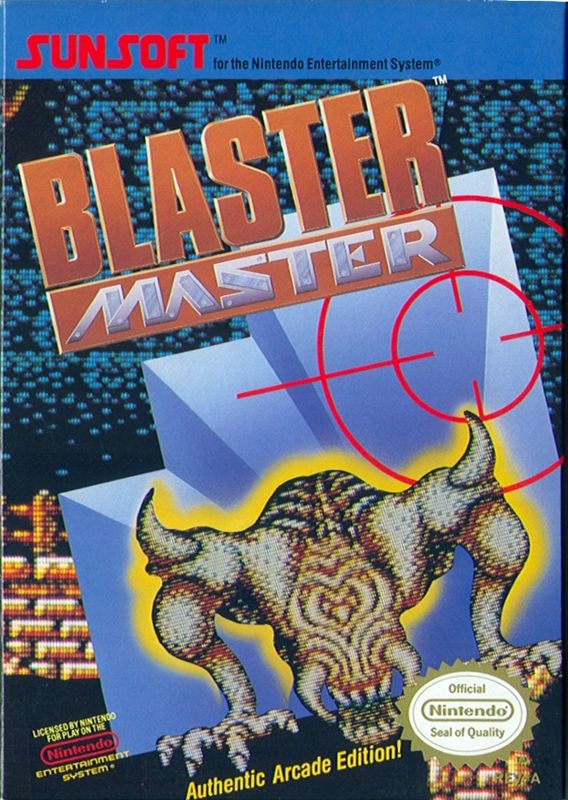
A runaway frog sends Jason underground in a tank called Sophia. Blaster Master alternates between side-scrolling vehicle exploration and on-foot rooms that hide upgrades and bosses.
That switch in perspective gives the journey a sense of scale. The tank makes the world feel huge; stepping outside it makes every corridor suddenly dangerous.
For a collector, this is a strong example of NES ambition beyond short arcade stages. Its unusual structure gives the box and manual a story worth revisiting.

Contra Force
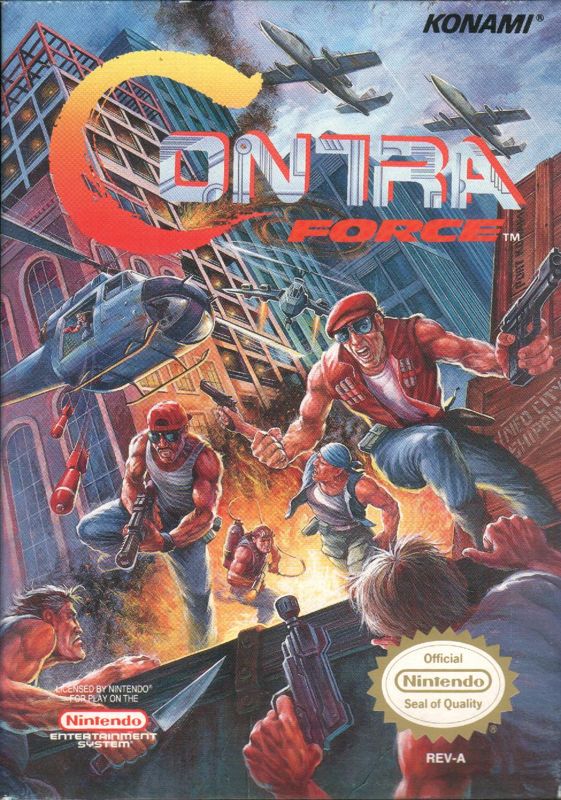
Contra Force trades aliens for a city under siege. Four operatives bring different weapons to a run-and-gun mission that emphasizes teamwork and explosive set pieces.
The character switching and overhead stretches give it a different identity from the original Contra. Its rough edges are part of a late NES experiment with the formula.
It is a talking point on a Konami shelf because it shows how a familiar name could take an unexpected direction. Collect for that history as much as the firefights.
Dragon Warrior III
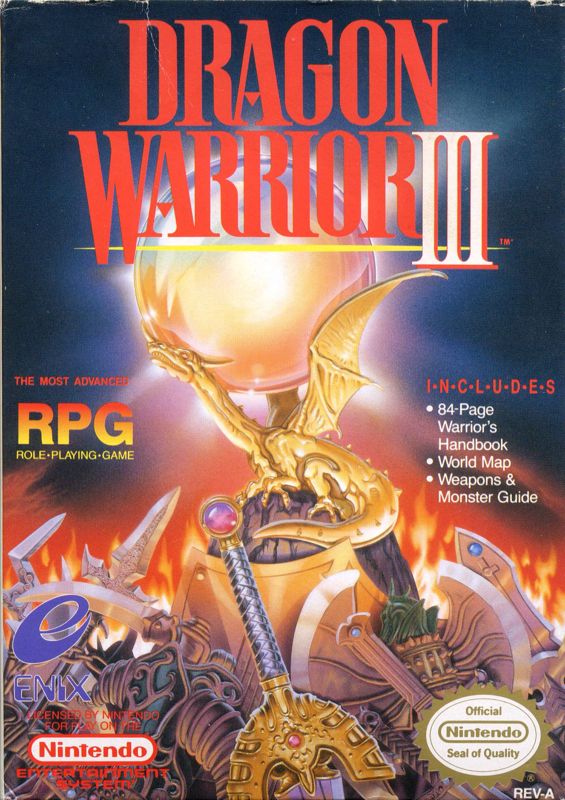
Dragon Warrior III begins as a heroic quest, then lets you shape the party that will carry it. Classes and recruitment make each journey through its towns and dungeons personal.
The world opens gradually, and its larger story rewards patience. Battles are traditional, but the freedom to build a team gives every hard encounter a practical edge.
A complete copy represents the era when console role-playing worlds were becoming sprawling adventures. The map and manual are especially meaningful companions to a game about exploration.

Dragon Warrior IV

Dragon Warrior IV tells its story in chapters, letting different heroes take the lead before their paths meet. That structure turns a large cast into people you actually know.
The shift from one viewpoint to another changes the rhythm of the adventure. By the time the group unites, its battles carry the weight of several smaller journeys.
Its physical edition is a reminder of how ambitious late NES storytelling could be. The chapter design makes it stand apart even among the system’s celebrated RPGs.

Friday the 13th

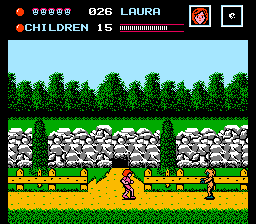
Friday the 13th turns Camp Crystal Lake into a maze of cabins, paths, and sudden attacks. Counselors search for supplies while Jason can appear at the worst moment.
Its map and combat can be cryptic, yet the confusion feeds a real sense of panic. The game asks players to learn the camp while protecting people across it.
This is a collectible for horror fans who enjoy odd adaptations. Its familiar mask and notorious difficulty keep conversations about the NES version alive.
Little Nemo: The Dream Master
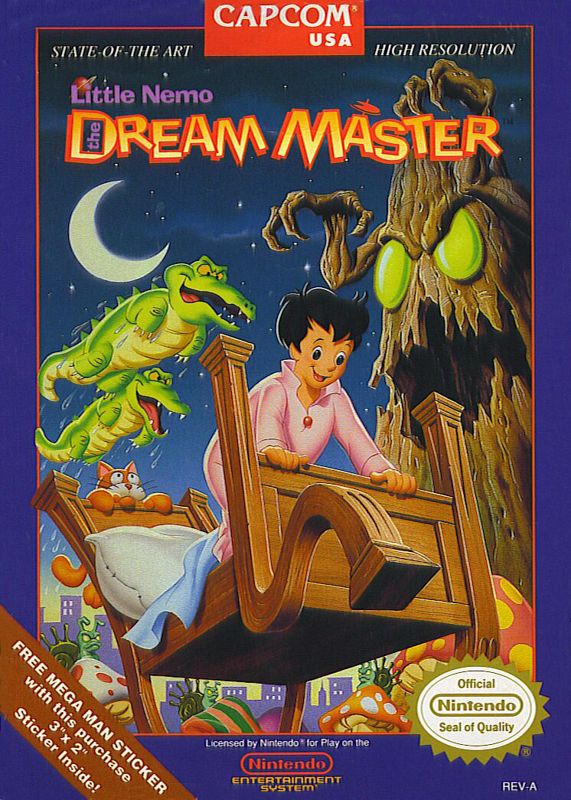
Little Nemo crosses dreamlike stages in search of the Slumberland king. Feeding candy to creatures lets Nemo borrow their abilities and reach places he could not alone.
The changing companions make each level feel like a small puzzle. Its colorful art and strange environments give the platforming a picture-book mood.
On an NES shelf, the game shows Capcom’s talent for turning an unusual license into a lively design. The whimsical cover fits the adventure inside.
Little Samson
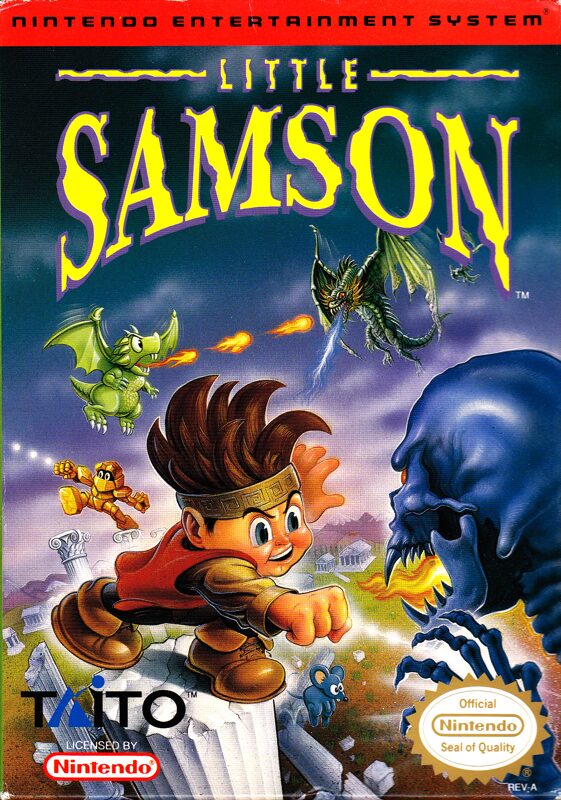
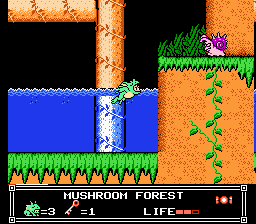
Little Samson lets four heroes share a dangerous quest. Their different movement and combat abilities turn a familiar platform journey into a series of tactical choices.
Climbing, flight, and brute force each solve different problems. Learning when to switch keeps its finely animated stages interesting well beyond a first clear.
Collectors notice it for its limited visibility in the NES catalog, but its reputation rests on the game itself. It is a distinctive late-generation action adventure.
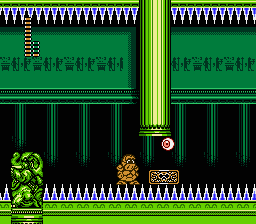
Mega Man 2

Mega Man 2 sharpens the Robot Master formula into a fast loop of stages, bosses, and borrowed weapons. Choosing a route becomes part of the pleasure.
Its music and visual themes make every stage recognizable before the first enemy arrives. The challenge is demanding without losing the urge to try one more time.
This is a cornerstone of a classic NES collection. Its continuing popularity comes from how easily a short session can turn into a full run.

Mega Man 4

Mega Man 4 introduces the chargeable Mega Buster while sending the blue hero through another set of Robot Master stages. The new shot changes combat timing.
Charging for a stronger attack rewards patience, but stage hazards still demand movement. The game feels familiar while quietly changing how players approach a boss.
Collectors who follow the series can see its design evolving here. It is more than another numbered spine in the row.

Mega Man 5

Mega Man 5 keeps the series’ stage-select rhythm while adding a new set of colorful enemies and tools. Its levels are built for repeated runs and quicker decisions.
The pleasure lies in finding a weapon that turns a difficult stretch into a manageable one. The game remains approachable even as its later fortress stages tighten the pressure.
A physical copy connects the series’ early breakthrough to its late NES refinement. It rewards collectors who like seeing how small changes shape a long-running formula.

Mega Man 6

Mega Man 6 sends its hero against Robot Masters from a fictional worldwide tournament. Rush adapters give movement and attacks a fresh twist.
Those transformations open routes and alter the pace of familiar stages. The game has the polish of a team that knew the hardware thoroughly.
As a late NES release, it captures the console after most players had moved on. That timing gives its bright box art and inventive stages particular collector appeal.

Panic Restaurant
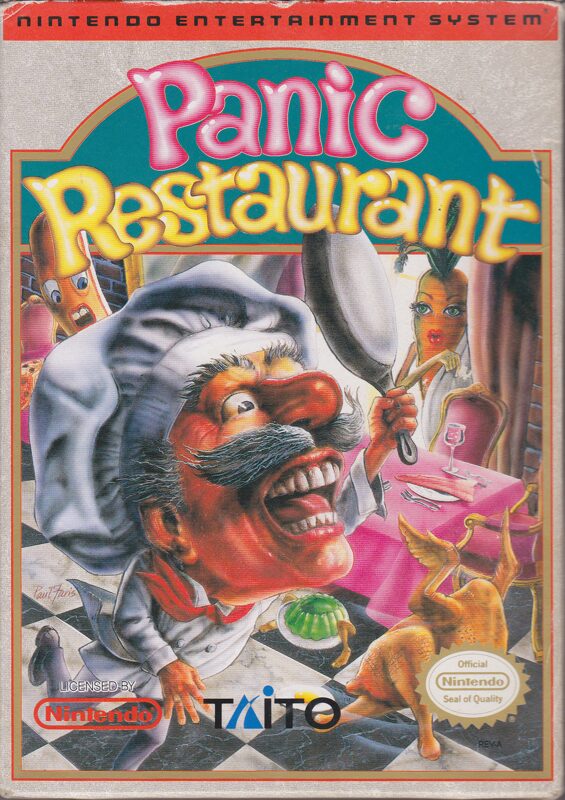
Panic Restaurant makes kitchen chaos into a platform game. Chef Cookie fights through food-themed levels where enemies look as if dinner itself has rebelled.
The joke stays lively because each area finds another visual gag or odd threat. Precise jumps and attacks keep the cartoon premise grounded in real challenge.
It is a memorable shelf piece for collectors who prize personality over franchise size. Few NES games commit so completely to one playful idea.
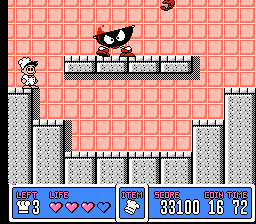
Zelda II: The Adventure of Link
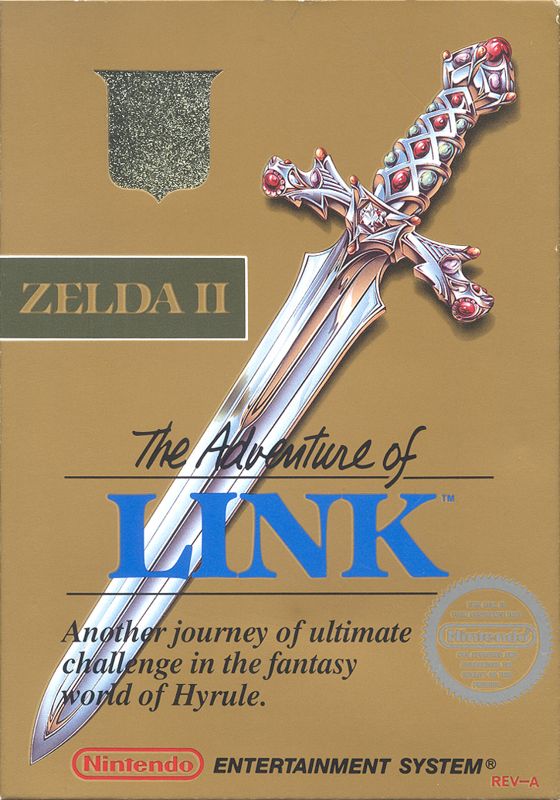
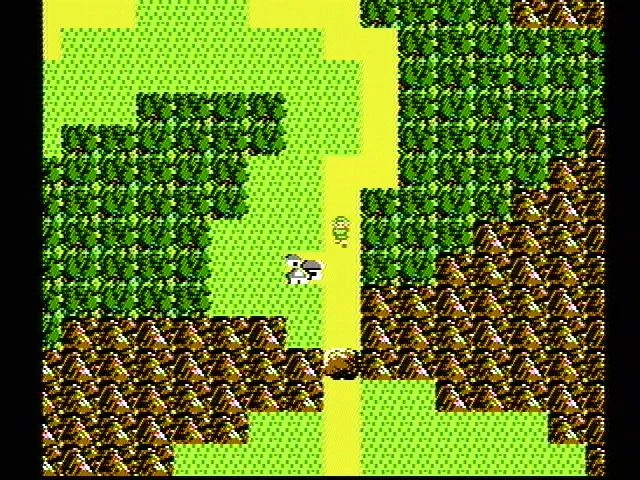
Zelda II sends Link across a wide overworld, then into side-view towns, caves, and palaces. Swordplay and experience points make it a bold series detour.
The combat demands careful spacing, and the final stretch tests what players have learned. Its difficulty can be severe, but mastery feels earned.
For collectors, it records a moment when Zelda’s identity was still open to experimentation. Its unusual design makes it essential to the series’ physical history.
Game Boy
The original Game Boy made a collection portable. Its small screen and durable cartridges encouraged games built around clear silhouettes, memorable music, and the temptation to play one more stage anywhere.
Alleyway

Alleyway hands Mario a paddle and a wall of bricks. Its simple bounce-and-break loop makes an early Game Boy session easy to begin and hard to leave.
As patterns change, positioning matters more than speed. The small screen becomes a tidy puzzle about angles, timing, and keeping the ball alive.
Collectors can see Nintendo establishing the handheld’s pick-up-and-play identity here. It is a modest game with a clear place in Game Boy history.

Amazing Tater
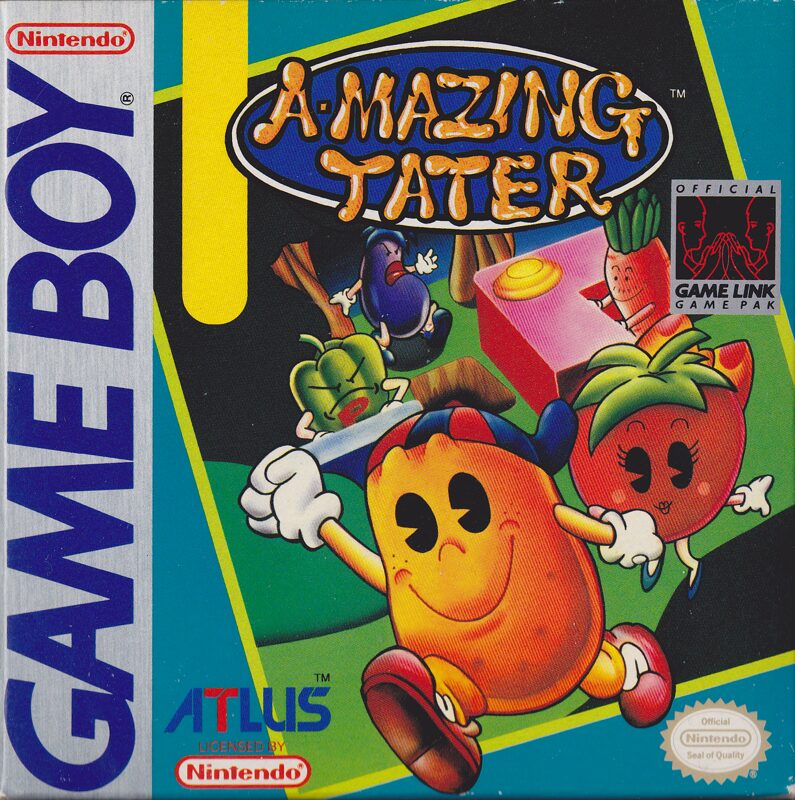
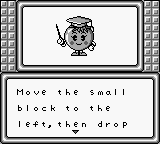
Amazing Tater turns a smiling potato into the star of a demanding maze game. Pushing crates and rotating barriers asks for thought before movement.
Each puzzle becomes a question of sequence: one careless shove can close the route. The monochrome screen keeps attention on the layout rather than decoration.
Its unusual theme and carefully built puzzles make it a distinctive Game Boy discovery. A complete copy captures the charm of a small, odd idea done well.
Batman: The Animated Series

Batman: The Animated Series brings Gotham’s angular cartoon mood to Game Boy. Rooftops, enemies, and gadgets give its side-scrolling stages a recognizable identity.
The Batarang and other tools make Batman feel more resourceful than a standard platform hero. Careful movement matters as much as striking the next thug.
For collectors, the appeal reaches beyond a television license. It is a compact example of how atmosphere can survive the handheld’s limited palette.

Castlevania Legends
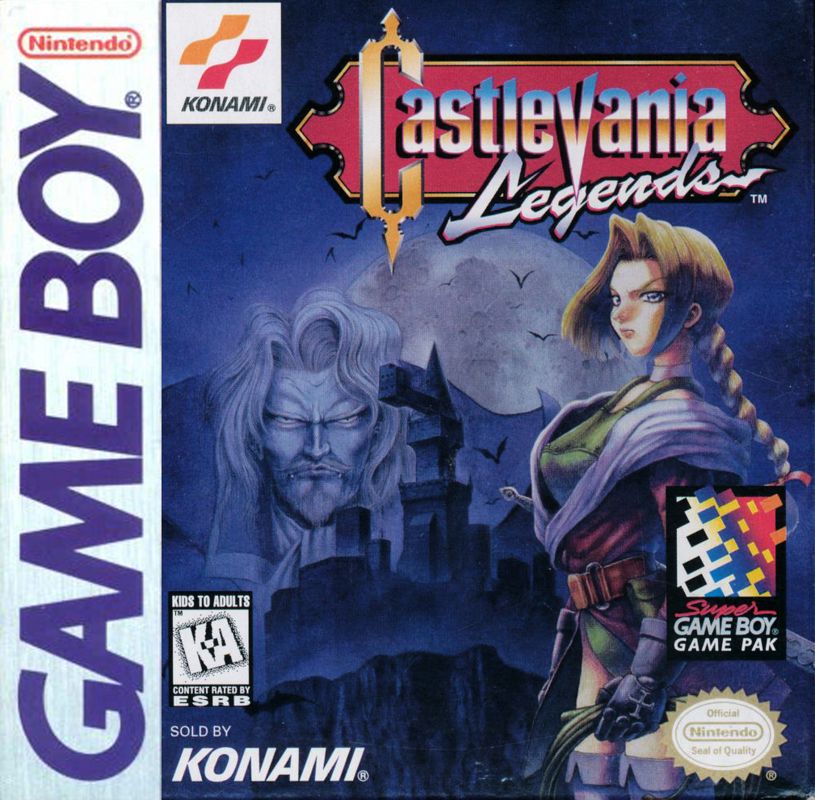
Castlevania Legends follows Sonia Belmont through a portable gothic adventure. Whip strikes and deliberate jumps carry her toward Dracula’s castle.
The pace is slower than the home-console games, making each platform and enemy placement feel consequential. Its heroine gives the series an unusual viewpoint.
It is worth knowing as part of Castlevania’s changing history, including ideas later stories set aside. The physical cart preserves a distinctive handheld chapter.

Donkey Kong

Donkey Kong begins with the arcade stages everyone recognizes, then opens into a much larger puzzle-platform journey. Mario must think as often as he jumps.
Switches, keys, handstands, and moving platforms give the rescue a delightful sense of invention. Each short stage introduces a fresh idea before it grows stale.
The Game Boy release is a landmark portable reinterpretation, not a reduced arcade copy. It belongs in collections built around Nintendo’s best reinventions.

Donkey Kong Land
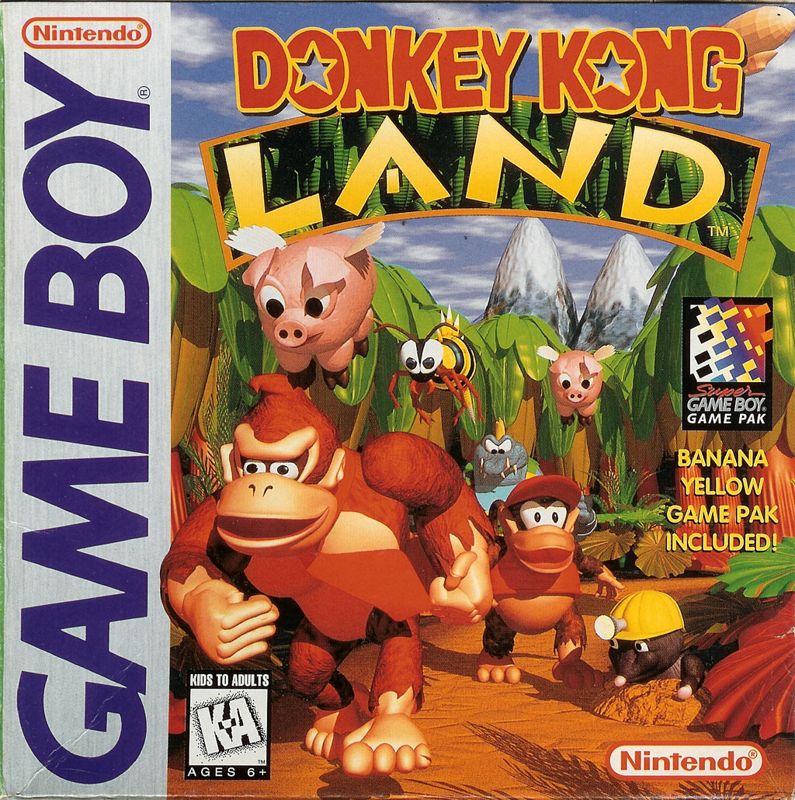
Donkey Kong Land brings barrel blasts and jungle hazards to an original Game Boy route. Donkey and Diddy keep the rhythm of the larger console adventures.
Its dense backgrounds can challenge the small screen, but the level ideas and music carry a genuine handheld personality. Short bursts suit the format well.
A physical copy captures Nintendo’s early attempt to bring a major console spectacle into a pocket. It remains a recognizable blue-cart companion to the series.
Donkey Kong Land 2
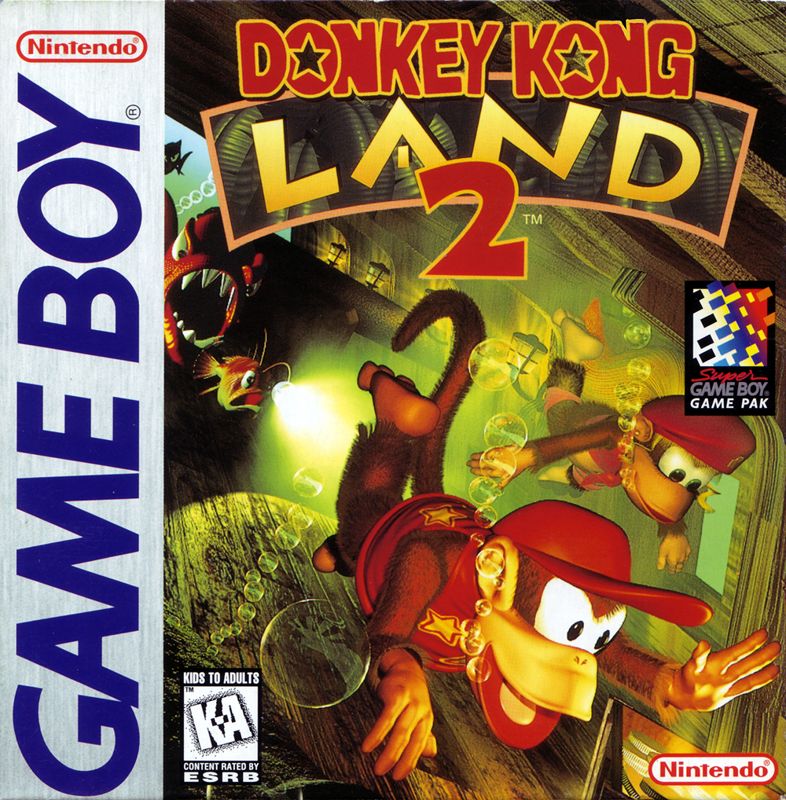
Donkey Kong Land 2 follows Diddy and Dixie through shipwrecks, swamps, and Kremling territory. Dixie’s hovering hair changes how risky jumps feel.
The adventure borrows the mood of the SNES sequel while compressing it into handheld stages. Its best stretches still invite careful exploration for secrets.
Collectors who enjoy comparing versions will find a revealing portable adaptation here. The cartridge shows how much character Rare could squeeze onto Game Boy.
Kid Dracula
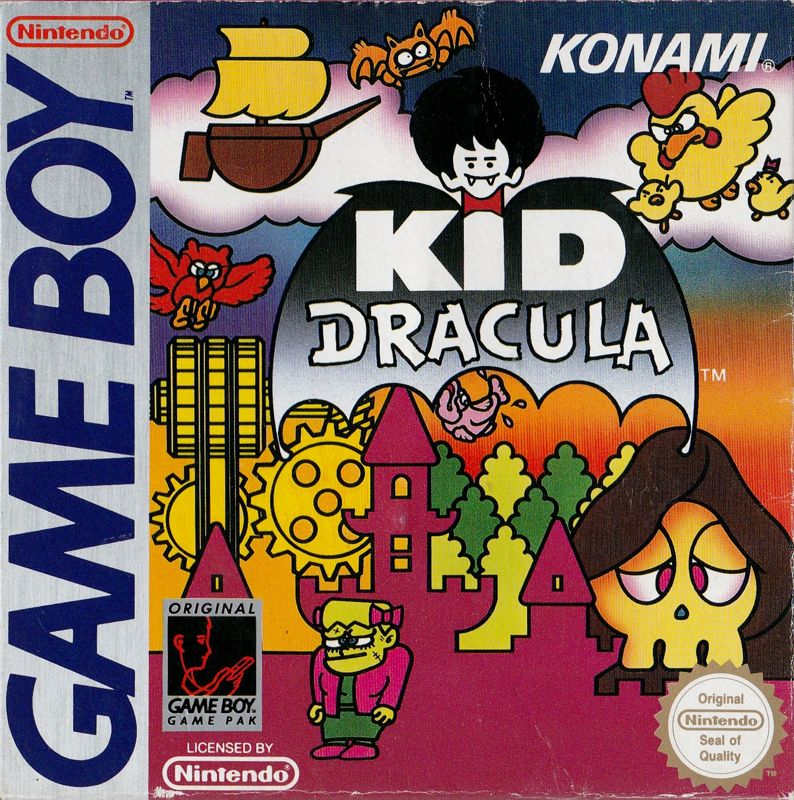
Kid Dracula turns Castlevania’s family of monsters into a playful comedy. Its tiny vampire hero travels through stages full of jokes and strange enemies.
Magic abilities add variety to the platforming, and the game keeps finding ways to undercut the series’ usual solemn tone. It is cheerful without being effortless.
Its distinctive character and humor make it a memorable Game Boy find. This is a collector’s reminder that Konami could parody its own legacy with affection.
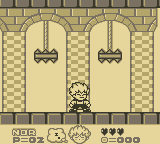
Kid Icarus: Of Myths and Monsters

Pit returns in Kid Icarus: Of Myths and Monsters for another ascent through mythic territory. Vertical stages, enemies, and upgrades give the portable quest momentum.
The Game Boy format suits its gradual climb. Learning enemy behavior and preserving health turn each stretch upward into a small test of nerve.
As a rare handheld chapter for the series, it rewards collectors interested in what Nintendo tried between larger releases. Its mythic world has its own quiet appeal.

Mole Mania

Mole Mania makes digging the solution to almost everything. Muddy Mole moves above and below puzzle boards while searching for his kidnapped family.
Switching layers reveals routes that are invisible from the surface. It is a clever spatial game disguised by an especially friendly character and simple controls.
Collectors should know it for its design rather than its obscurity. A complete copy celebrates one of the Game Boy’s most inventive original puzzlers.

Operation C
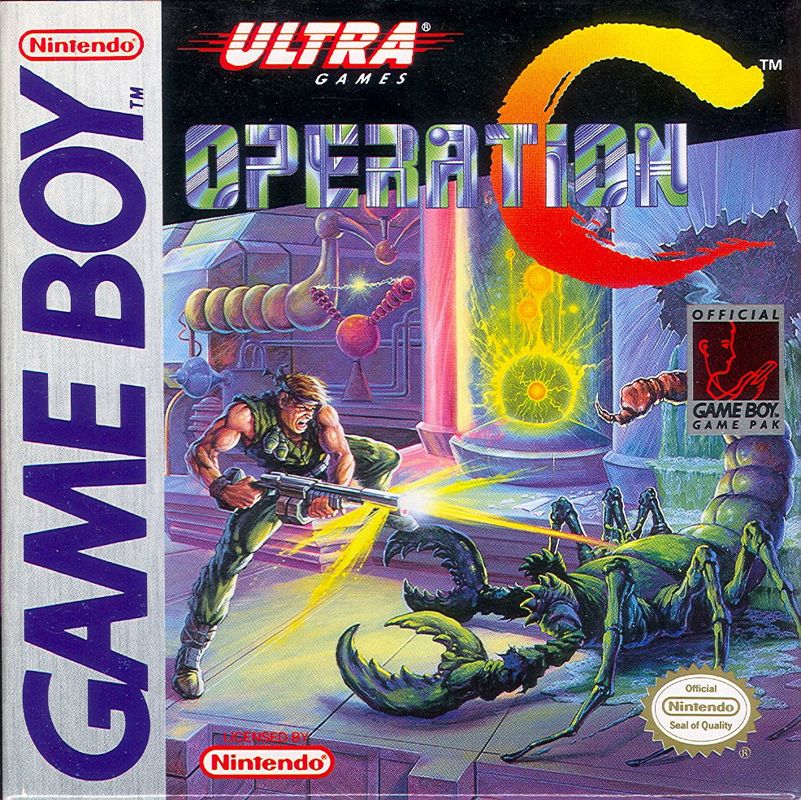
Operation C compresses Contra’s run-and-gun intensity into five portable missions. Weapon pickups and waves of enemies keep the action moving quickly.
Side-view stages alternate with overhead attacks, giving the small cartridge more variety than its premise suggests. Survival depends on memorizing where danger enters.
It is a compact piece of Konami action history. Collectors of the series can see how its core rhythm survived the move to a monochrome handheld.

Super Mario Land
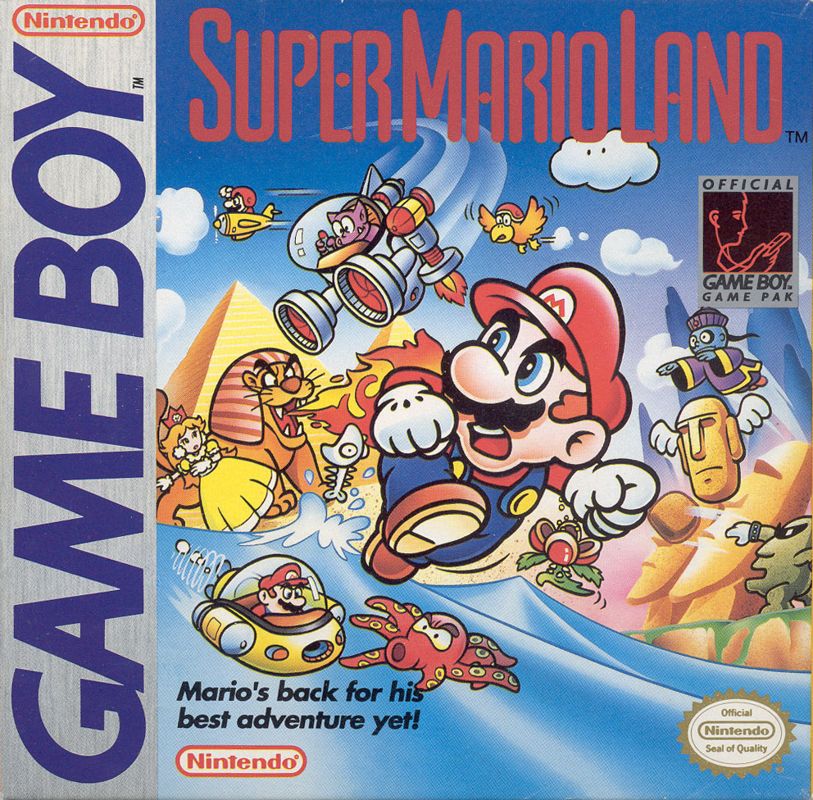
Super Mario Land sends Mario into Sarasaland, a place of unfamiliar creatures, tiny vehicles, and strange bosses. It feels connected to the series but confidently different.
Its brief stages make clever use of the Game Boy’s limits. The airplane and submarine sequences break the platforming rhythm before the journey can feel routine.
This cart represents the handheld’s earliest identity: familiar hero, new ideas, portable scale. It remains a natural starting point for a Game Boy collection.

Wario Land II

Wario Land II makes its greedy hero almost impossible to defeat. Instead of simple failure, enemies transform Wario and create new puzzle possibilities.
That design invites experiments. A hit that looks disastrous may be exactly what opens a route or reveals hidden treasure.
For collectors, this is a playful example of Nintendo rethinking platform-game punishment. Its branching paths reward more than one trip through the cartridge.

Wario Land: Super Mario Land 3
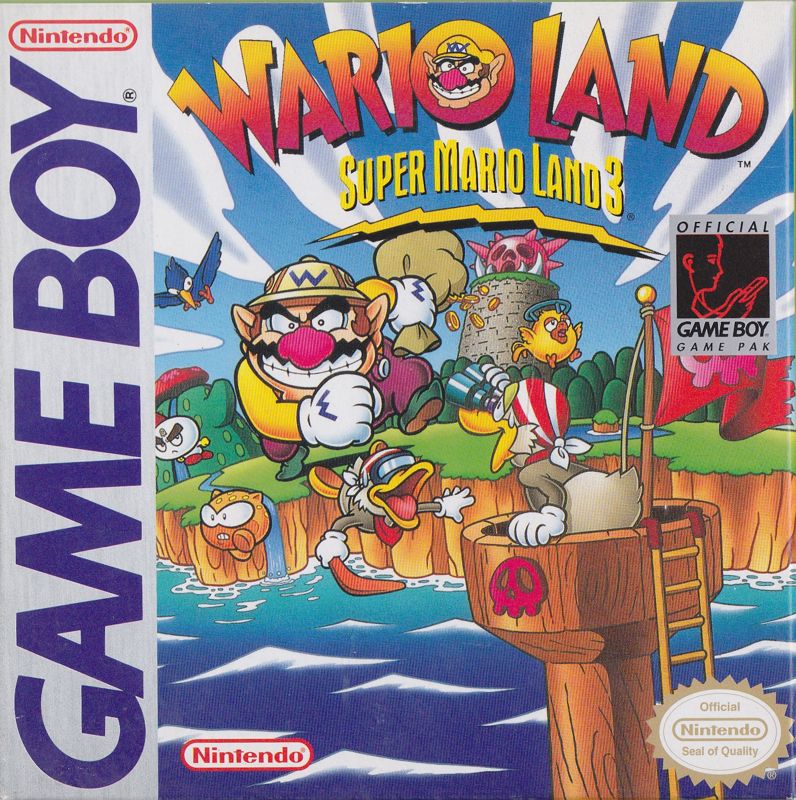
Wario Land gives Mario’s rival his own treasure hunt. Shoulder charges, hats, and secret exits make its levels about greed and discovery.
Wario’s heavier movement changes the feel of every jump. The game rewards exploring suspicious corners rather than racing straight to the end.
The first Wario Land is a strong collectible because it records a successful character transformation. Its strange hero soon became a series of his own.

Super Nintendo
On the Super Nintendo, larger worlds and expressive pixel art made the package as inviting as the cartridge. This group moves between enduring Nintendo staples, inventive action games, and role-playing journeys.
Final Fantasy: Mystic Quest

Final Fantasy: Mystic Quest opens a fantasy journey with clear battles and a welcoming pace. Benjamin sets out to restore crystals across a series of distinct regions.
Its direct design makes it an approachable first RPG, while dungeon tools add small action puzzles to the route. The music has more force than its reputation suggests.
Collectors can use it to tell a fuller story of the genre’s arrival in North America. Its accessibility was a deliberate choice, and that history matters.

Final Fight 3
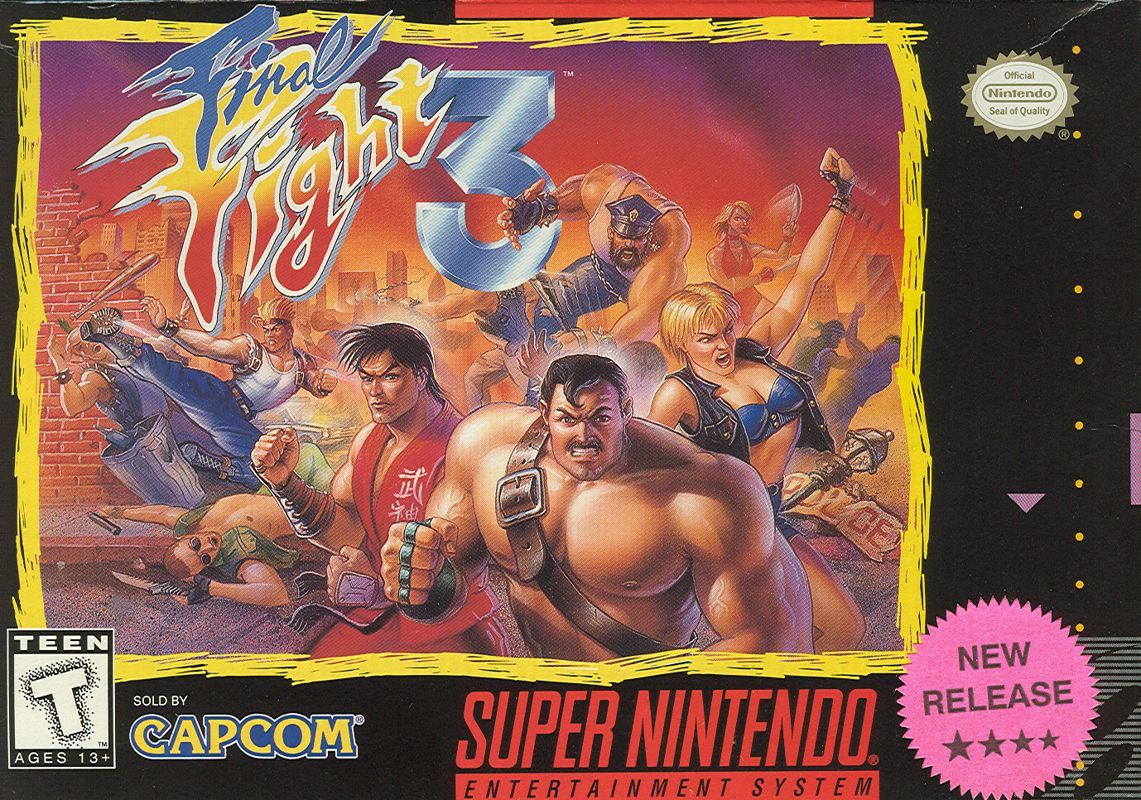
Final Fight 3 brings Haggar and Guy back to Metro City alongside Lucia and Dean. The streets remain crowded, but the fighters have more moves and options.
Branching routes and cooperative play give repeat runs a reason to differ. The combat feels like a late SNES team refining a familiar arcade formula.
For brawler collectors, this sequel shows how much depth could be added to a simple street fight. It has its own identity beyond the original.
Hagane: The Final Conflict
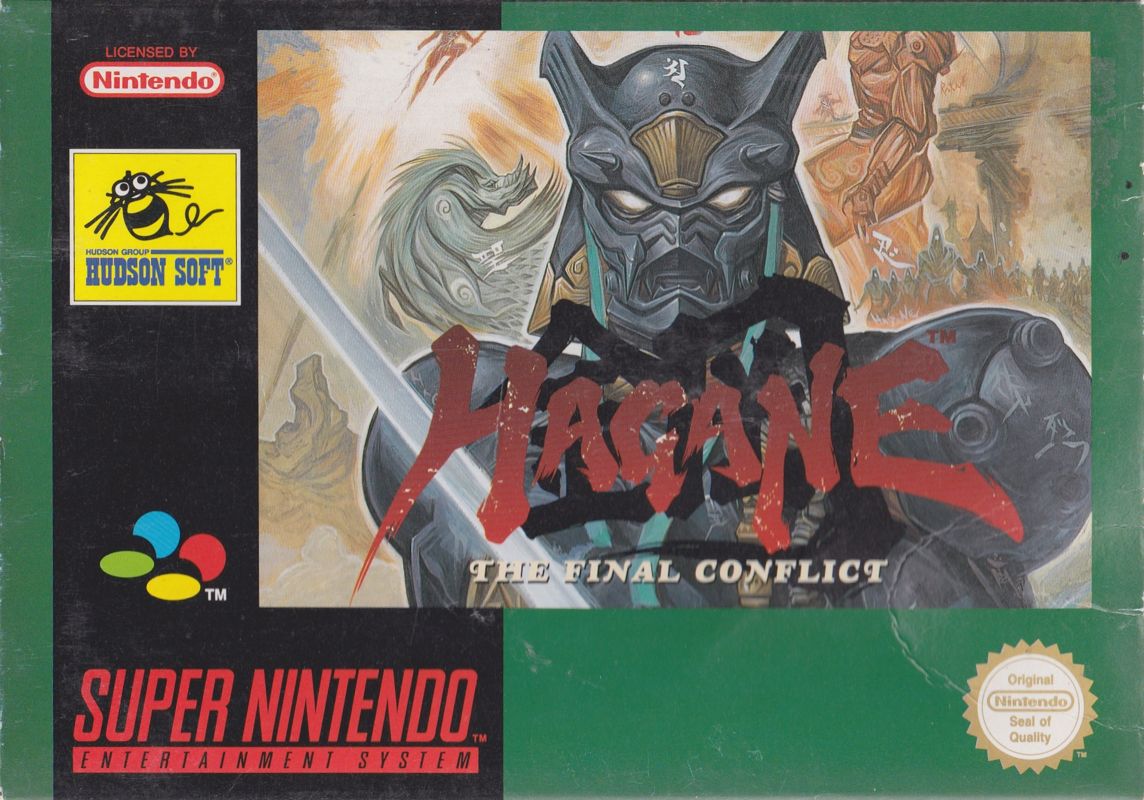
Hagane sends a cybernetic ninja through hostile stages with blades, projectiles, and acrobatics. Its metallic world makes every encounter feel sharp and dangerous.
The moveset is broad, but survival requires discipline. Learning when to jump, attack, or use a special technique turns its difficulty into a skill test.
Collectors know it as a striking late-generation action game. Its reputation is strongest when the cartridge is played, not merely displayed.
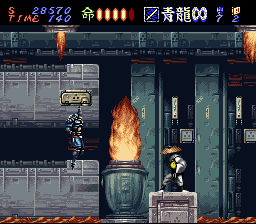
Mario Paint

Mario Paint turns the television into a drawing board, music studio, and animation desk. The SNES Mouse makes its creative tools feel different from a normal game.
The appeal is open-ended. A picture, a short tune, or a strange animated scene can become the whole evening’s project.
A complete copy is especially satisfying because the mouse and accessories are part of the experience. It represents Nintendo’s playful idea of what a console could do.

Mega Man Soccer
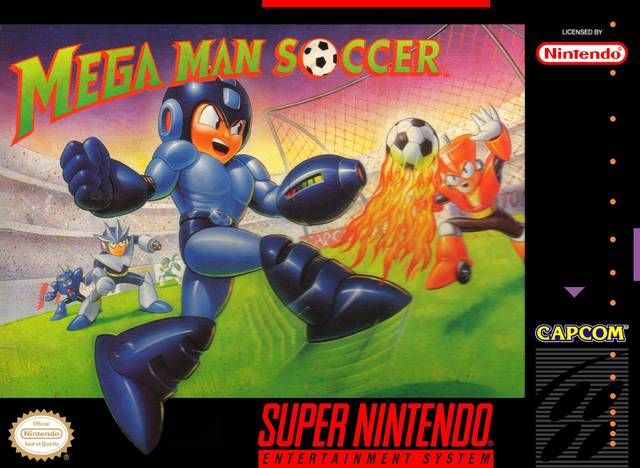
Mega Man Soccer sends Robot Masters onto a field instead of into stage-select battles. Their special abilities give ordinary passes and shots a comic-book twist.
The game is more curious experiment than polished sports simulation. Its fun comes from recognizing characters in an unexpected competition.
For collectors, it is an unusual branch of a familiar series. The box makes an immediate conversation starter on a Mega Man shelf.

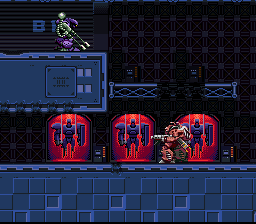
Metal Warriors
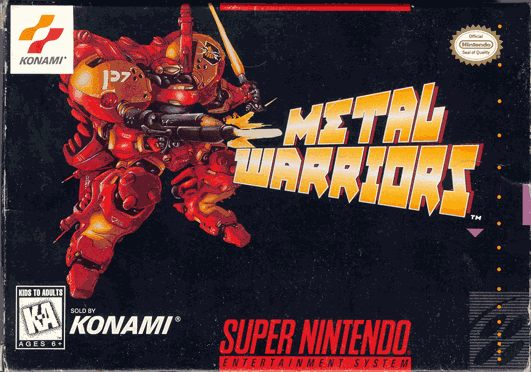
Metal Warriors puts pilots inside powerful machines for missions that mix combat and movement. The ability to leave a damaged mech changes how players read a battlefield.
Different machines have distinct strengths, and the two-player battles can become wonderfully chaotic. The game makes its large robots feel both powerful and vulnerable.
It belongs in a collection of inventive SNES action games. Its mechanical variety is more interesting than a simple rarity story.
Secret of Evermore

Secret of Evermore sends a boy and his dog through worlds shaped by pop-culture imagination. Their bond gives the action RPG a playful heart.
The dog’s changing forms and the alchemy system make preparation part of the adventure. Each region has a different mood and set of ingredients to discover.
For collectors, it offers a distinct American-made companion to the era’s Japanese RPGs. Its odd humor and unusual systems still deserve attention.

Secret of Mana

Secret of Mana combines real-time combat with a party adventure that friends can share. A young hero, a girl, and a sprite travel across a richly colored world.
The ring menus keep spells and equipment close to the action. Multiplayer turns a long fantasy quest into a shared memory rather than a solo obligation.
Its physical edition is a cornerstone of SNES collecting because play, music, and artwork reinforce one another. It remains inviting even after decades.

Soul Blazer

Soul Blazer begins in a world emptied of life. Clearing monster lairs gradually returns townspeople, animals, and places to the map.
That visible restoration gives each battle a purpose beyond experience points. The action is straightforward, but the recovering world creates an emotional reward.
Collectors interested in the SNES’s stranger action RPGs should know it. The cart holds a quietly memorable idea: progress that makes a place feel alive again.

Uniracers
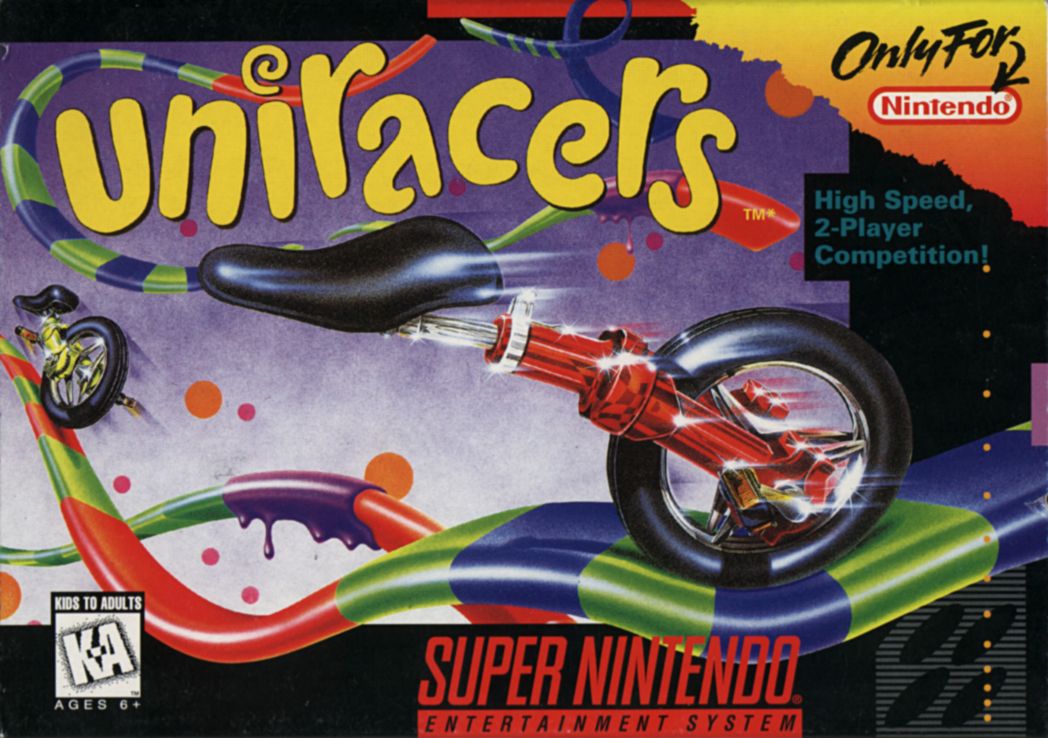
Uniracers races self-propelled unicycles through twisting tracks at startling speed. Tricks matter because style can feed momentum as much as simple pedaling.
Its abstract courses demand quick reading and exact timing. A close race becomes a blur of jumps, flips, and split-second recoveries.
The game’s unusual look and premise make it stand apart from mascot platformers. It is a lively collectible for players who prize pure movement.
X-Men: Mutant Apocalypse

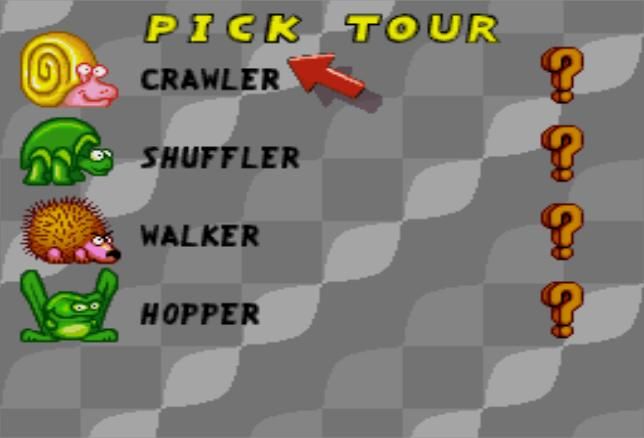
X-Men: Mutant Apocalypse gives five mutants separate missions before bringing them into a larger fight. Each hero’s powers change how a stage is approached.
The challenge is learning their strengths: Wolverine’s close combat, Cyclops’s range, or a teammate’s mobility. Capcom’s animation gives the action weight.
For collectors of comic games, this is a strong example of a license shaped into varied play. Its roster makes the physical package feel like an ensemble piece.

PlayStation
The first PlayStation brought cinematic ambition to the CD shelf. Jewel cases could hold strange experiments beside blockbuster series, making this one of the richest systems to explore as a collector.
Ape Escape
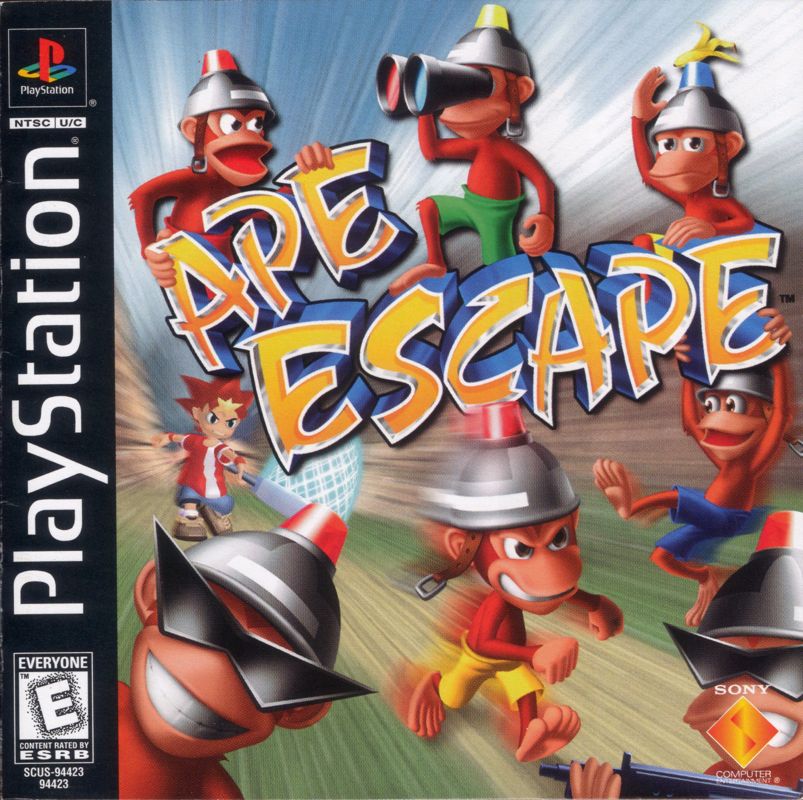
Ape Escape sends Spike through time to capture helmet-wearing monkeys. The dual-analog controls make moving and swinging gadgets feel central to the chase.
Each creature has a habit to exploit, turning collection into a series of small comic puzzles. New tools open earlier areas in surprising ways.
A physical copy marks an important moment for the PlayStation controller. The game made analog sticks part of its personality, not merely an option.

Brave Fencer Musashi
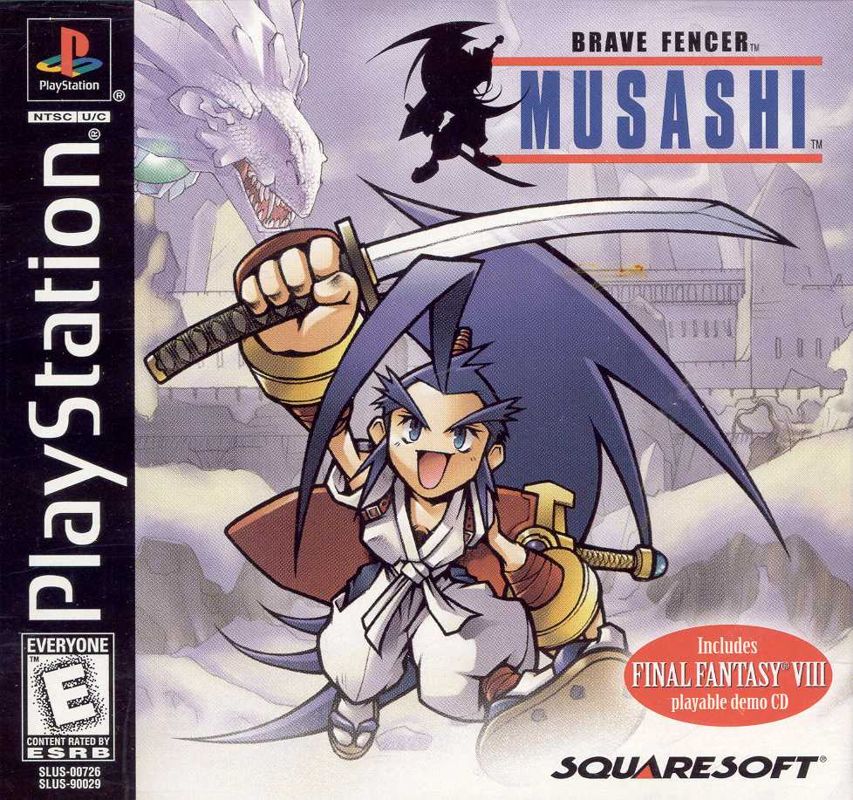
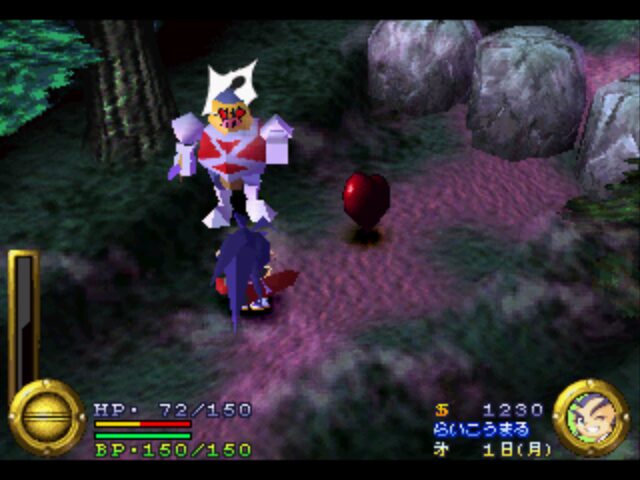
Brave Fencer Musashi mixes action combat with a playful fantasy town. Its young hero borrows enemy abilities while searching for a way to stop an invading empire.
Day-and-night routines make the world feel inhabited. A rescued villager can change the town as much as a victory in the next dungeon.
For collectors, its humor and Square-era experimentation distinguish it from the company’s grander RPGs. The disc feels like a spirited detour.
Castlevania Chronicles
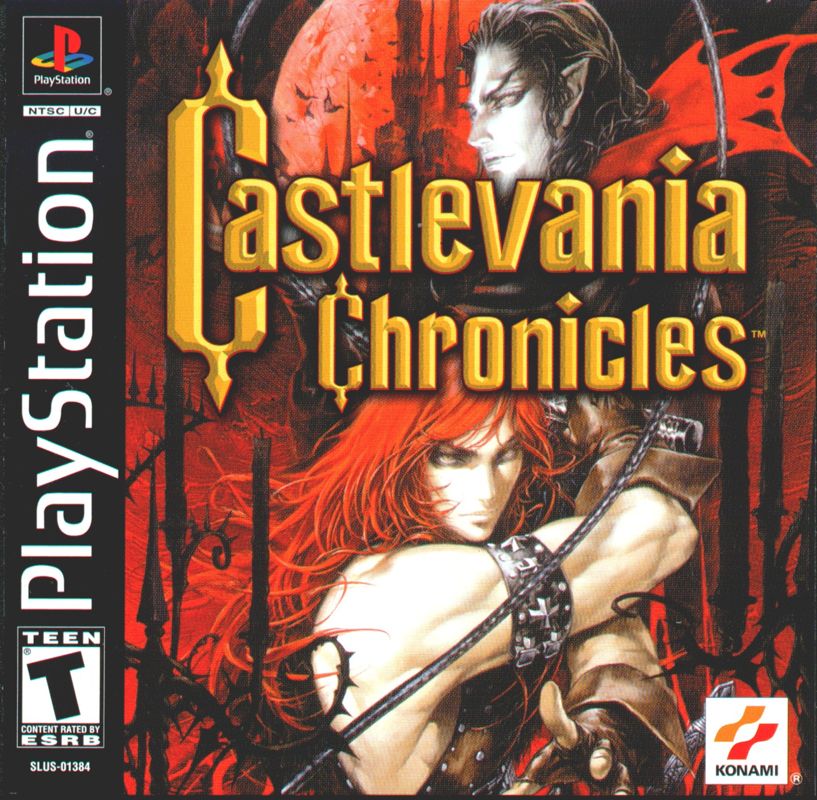
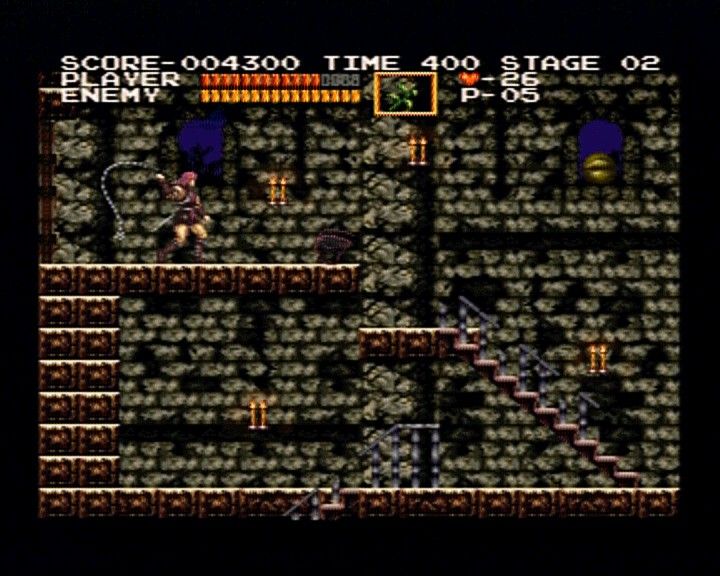
Castlevania Chronicles brings Simon Belmont’s demanding adventure to PlayStation. The whip, stairs, and carefully placed monsters favor measured action over haste.
Its arranged and original modes let players compare different presentations of the same gothic gauntlet. The music gives each version a strong pulse.
A complete copy is a useful piece of Castlevania history. It preserves an older design at a moment when the series was also moving toward exploration.
Castlevania: Symphony of the Night

Castlevania: Symphony of the Night lets Alucard wander a castle that keeps opening outward. Weapons, spells, and movement abilities turn the map into a long invitation.
Its detailed rooms reward detours, while the soundtrack gives each corridor a distinct mood. Discovery becomes as satisfying as defeating a boss.
This is a defining PlayStation collectible for players who value influential design. A physical copy anchors the shift toward the exploratory style so many games followed.

Clock Tower
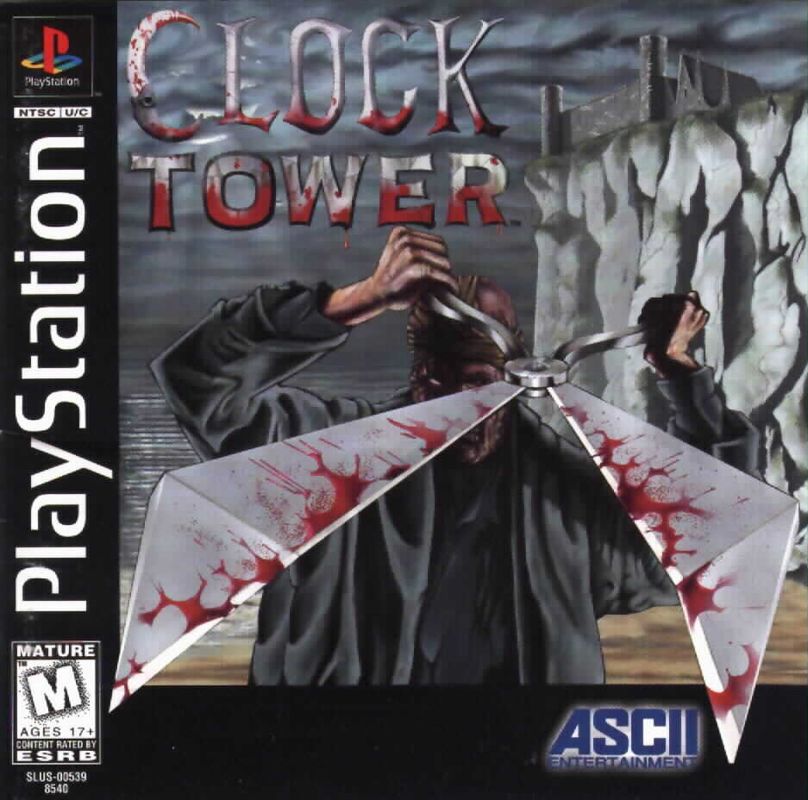
Clock Tower makes fleeing and hiding more important than fighting. Scissorman can interrupt an ordinary room and turn navigation into instant panic.
The point-and-click controls can feel deliberate, but that slowness reinforces Jennifer’s vulnerability. Branching outcomes give the mystery reasons to revisit it.
Collectors of survival horror should know its different kind of fear. The jewel case holds a game where helplessness is a deliberate design choice.
Digimon World

Digimon World makes raising one partner the center of a sprawling digital adventure. Feeding, training, and caring for it shape what creature it becomes.
The routines can be demanding, yet they give the relationship a texture unlike a standard party RPG. Exploring the island reveals new recruits for its town.
For collectors, it captures Digimon’s virtual-pet roots in a larger PlayStation world. Its systems reward curiosity and patience.

Dino Crisis 2
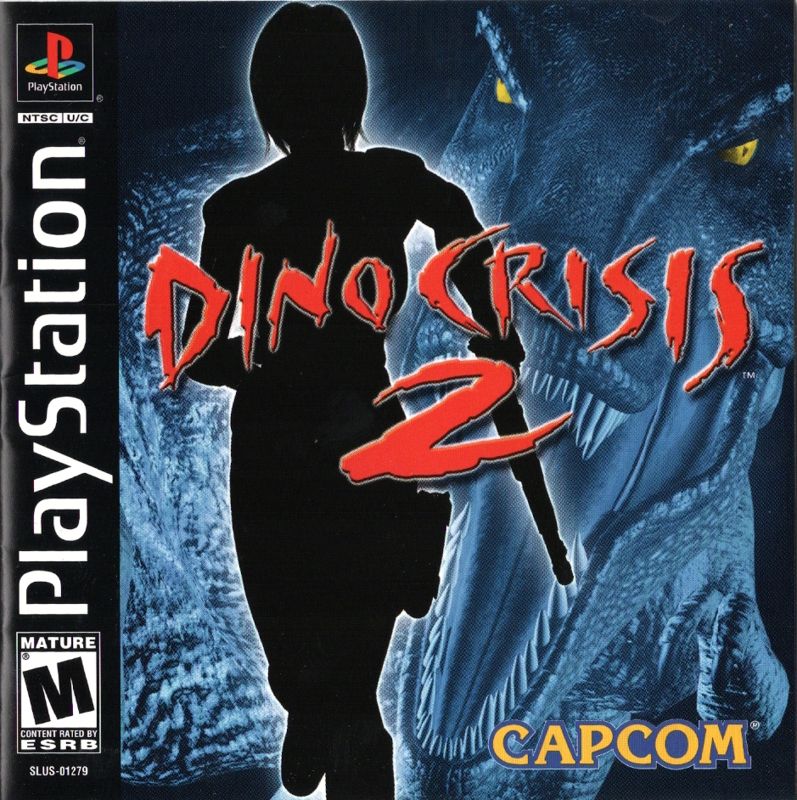
Dino Crisis 2 trades the first game’s slower tension for a faster dinosaur assault. Regina and Dylan move through hostile areas with a growing arsenal.
Combos and weapon upgrades encourage decisive action. The shift in pace makes the sequel feel like an arcade answer to its predecessor.
A physical copy is useful for tracing survival horror’s many directions. This disc chose speed and spectacle without losing its prehistoric danger.

Einhänder

Einhänder puts a lunar fighter into a dense horizontal shooter. Its mechanical arm grabs enemy weapons, making every formation a possible source of new firepower.
The industrial scenery and relentless bosses give each stage weight. Weapon management adds a tactical layer to the familiar dodge-and-shoot rhythm.
Collectors of Square’s less expected PlayStation work should know it. The disc shows the publisher taking a sharp, stylish turn into arcade action.

Klonoa: Door to Phantomile

Klonoa: Door to Phantomile moves through a dream world of curved paths and bright characters. Grabbing enemies lets Klonoa jump farther or throw them ahead.
The 2.5D presentation makes familiar platform movement feel theatrical. Its gentle tone grows more emotional as the story reveals what dreams can cost.
For collectors, it is a distinctive PlayStation platformer with a lasting character. The physical edition captures the series at its beginning.

Legend of Legaia

Legend of Legaia follows three heroes through a world choked by a mysterious mist. Reviving Genesis Trees gradually returns hope to threatened towns.
Its combat uses directional inputs to discover Arts, making a turn-based fight feel unusually hands-on. Experimenting with combinations is part of the journey.
Collectors of PlayStation RPGs should know its inventive battle system. The disc rewards players who want a fantasy quest with a different rhythm.
Lucky Luke
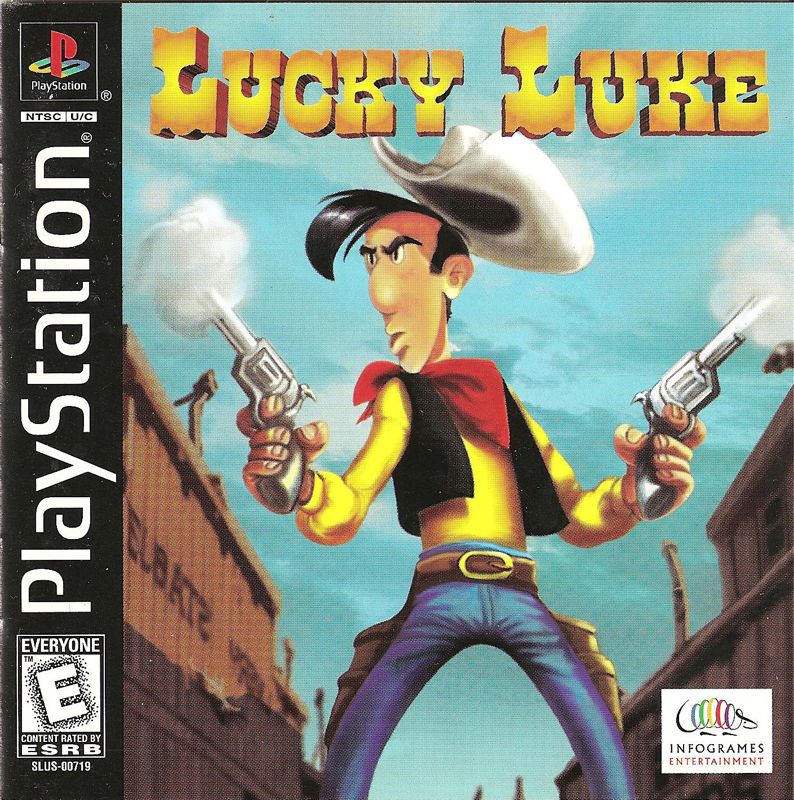
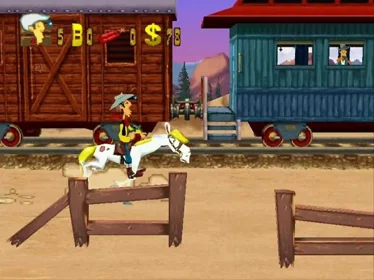
Lucky Luke translates the Franco-Belgian comic cowboy into a bright PlayStation adventure. The Dalton brothers give the wandering hero familiar trouble to chase.
Its frontier scenes mix platform action with small puzzles and visual jokes. The appeal lies in inhabiting the comic’s playful Western world.
A physical copy is a reminder of the PlayStation’s broad international catalog. It is especially interesting for collectors of comic adaptations.
MediEvil
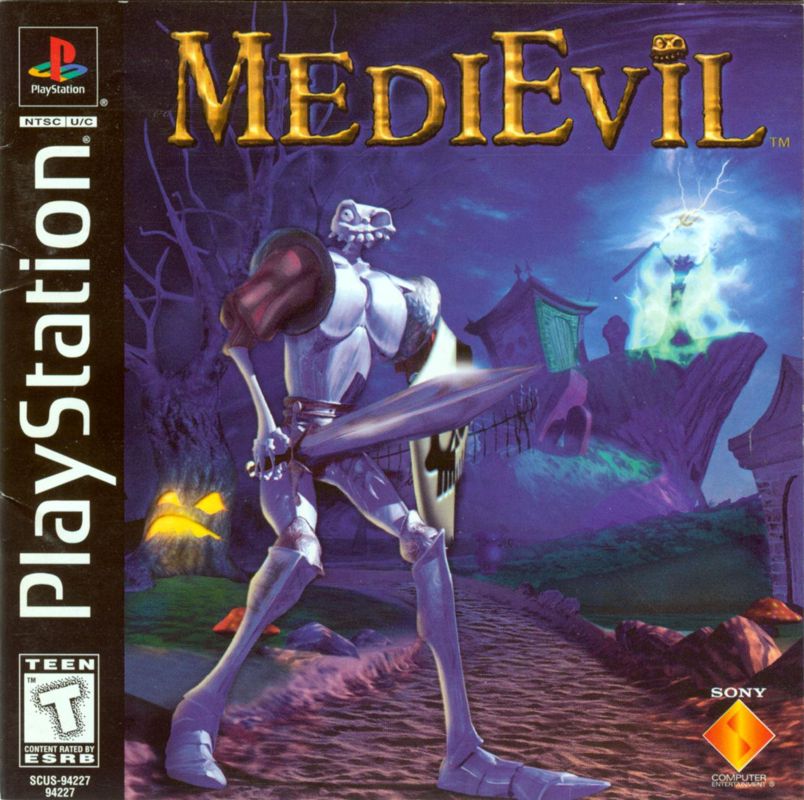
MediEvil resurrects Sir Daniel Fortesque for a crooked fairy-tale battle against Zarok. Its graveyards and villages balance spooky imagery with broad humor.
Dan’s clumsy heroism is part of the charm. Weapons and secret chalices give players reasons to comb through each haunted stage.
For collectors, the game’s distinctive silhouette and cover art make it hard to confuse with another action adventure. It is PlayStation personality in a jewel case.

Mega Man Legends 2
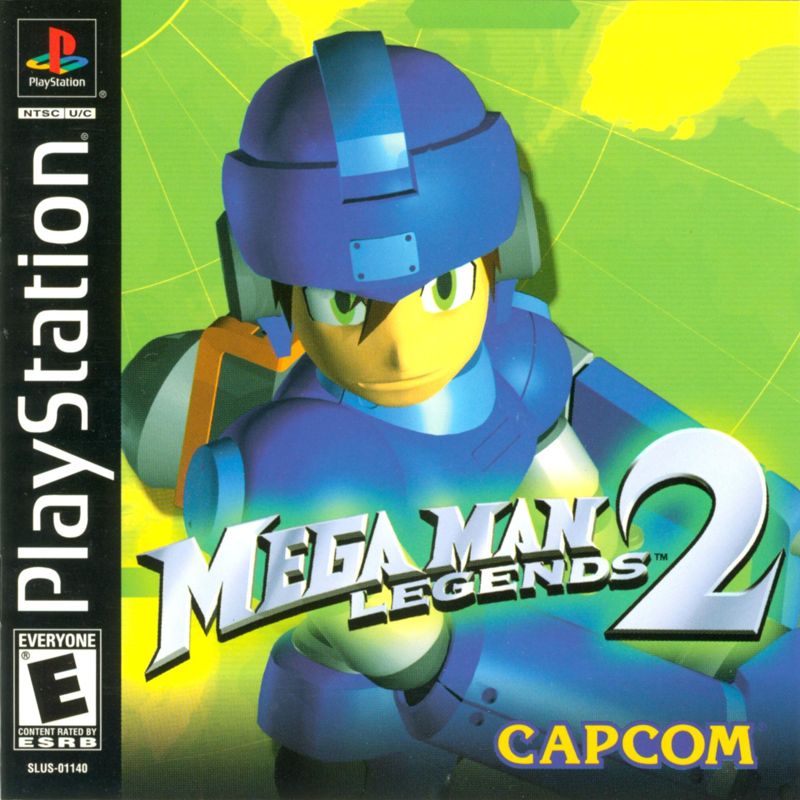
Mega Man Legends 2 sends Mega Man Volnutt across islands and ruins in search of the Mother Lode. Exploration gives the series’ familiar shooting a larger world.
Roll’s upgrades and the changing dungeons reward preparation. The cast brings warmth to a story that gradually becomes more mysterious.
A complete copy belongs to the PlayStation’s adventurous 3D years. It shows Mega Man thriving outside his usual side-scrolling stages.
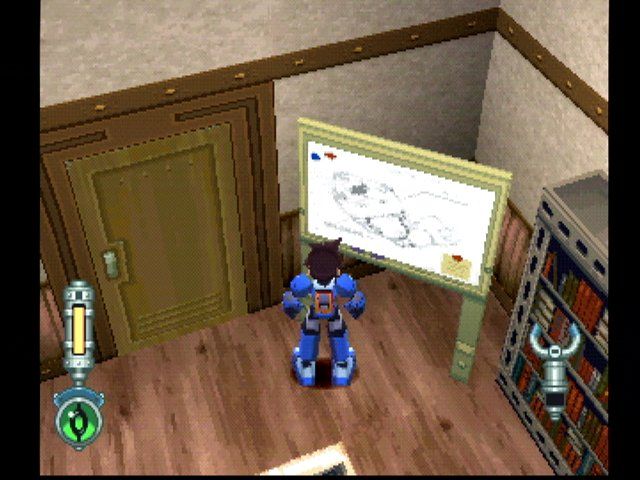
PaRappa the Rapper

PaRappa the Rapper turns everyday disasters into call-and-response songs. The paper-thin cast gives each lesson a look unlike anything else on PlayStation.
Timing button presses is simple to explain and hard to master. The joy comes from hearing a performance recover after nearly falling apart.
Collectors should know it as a landmark rhythm game and a design original. Its physical edition captures a moment when new genres felt possible.

Parasite Eve

Parasite Eve begins with a terrifying opera performance and follows Aya Brea through a mutated New York. Its horror story unfolds with RPG systems close behind.
Positioning during battles adds motion to the strategy, while the city’s museums and streets give the science-fiction plot an unusual setting.
A physical copy highlights Square’s willingness to experiment in the PlayStation era. It is a collectible where music, atmosphere, and mechanics all matter.

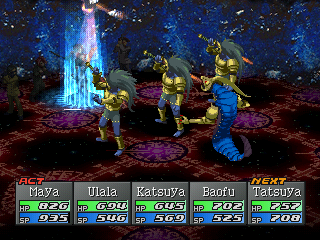
Persona 2: Eternal Punishment

Persona 2: Eternal Punishment follows journalist Maya Amano through a city where rumors can become real. Its adult cast gives the mystery a distinct voice.
Negotiating with demons and building Personas create a deep role-playing loop. The plot rewards attention to people and the stories they tell.
For collectors, this release represents an important early English-language Persona chapter. Its physical edition carries a dense, singular urban RPG.
Resident Evil
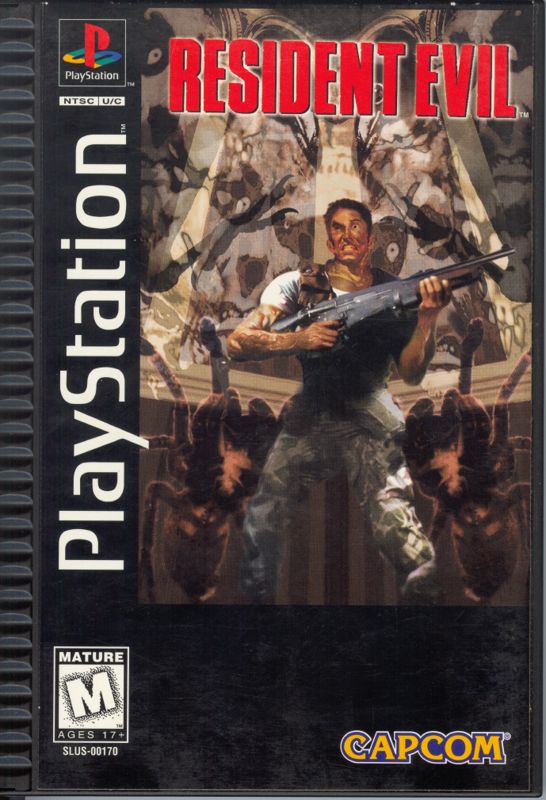
Resident Evil traps Jill or Chris inside a mansion full of locked doors, scarce supplies, and terrible surprises. Every new room is a decision.
Choosing what to carry and when to save makes ordinary exploration tense. Its awkward dialogue became famous, but the underlying design is exacting.
A complete copy is central to any PlayStation horror shelf. It preserves the moment survival horror became a recognizable console language.

Resident Evil 2
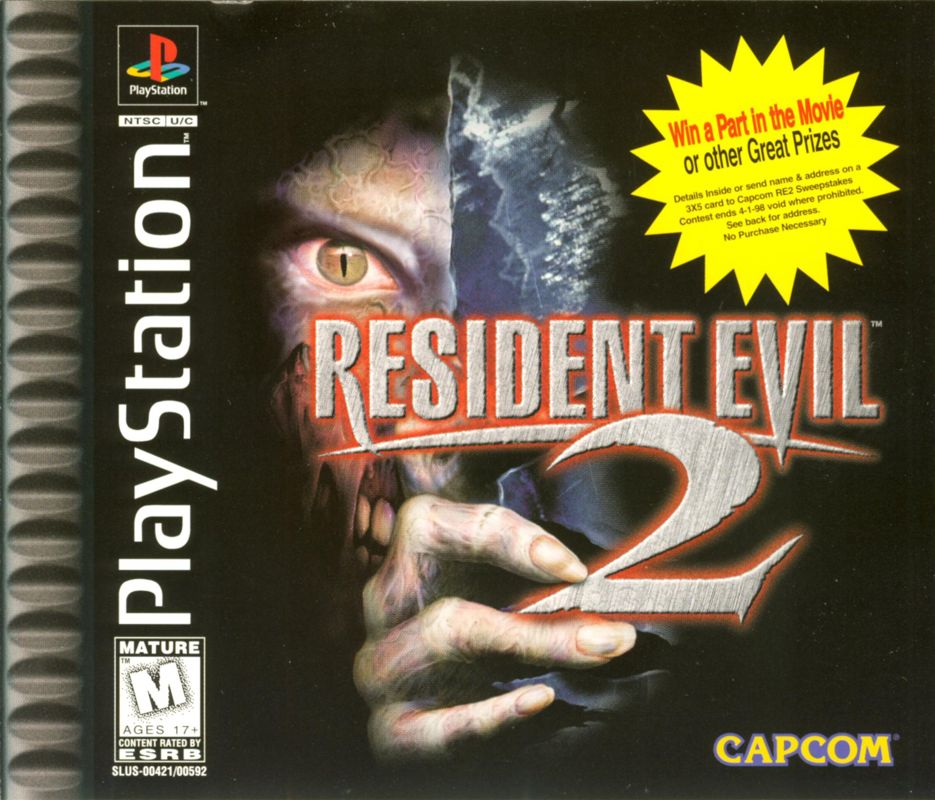
Resident Evil 2 moves the terror into a ruined Raccoon City. Leon and Claire find different routes through a police station full of secrets.
The two-character structure gives repeat play purpose. Familiar rooms change meaning when a new perspective or threat appears.
For collectors, it is a defining sequel with a strong physical-era identity. The discs invite players to compare stories, not just finish one campaign.
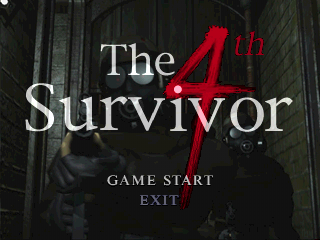
Resident Evil: Survivor

Resident Evil: Survivor brings the series into a first-person view on an isolated island. Zombies and Umbrella’s experiments become threats you face head-on.
The change in perspective makes it a strange relative of the main games. Its shorter, more direct encounters trade some mansion tension for immediacy.
Collectors of Resident Evil’s side paths should know it. The disc reveals how broadly Capcom tested the franchise’s boundaries on PlayStation.

Silent Hill

Silent Hill sends Harry Mason through a fog-covered town in search of his daughter. A radio crackles before unseen creatures close in.
Exploration and puzzles make the town feel like a place with its own logic. Industrial sound and visual uncertainty do more than a sudden jump scare.
For collectors, it is a landmark of psychological horror. The original PlayStation presentation remains inseparable from the atmosphere it created.
Suikoden II

Suikoden II begins with two friends caught in war and expands into a political epic. Recruiting allies gives its conflict a human scale.
The headquarters grows with every new face, while battles shift between intimate turns and larger confrontations. Friendship and betrayal keep the story grounded.
A physical copy is a prized RPG artifact because the game rewards deep attention. Its enormous cast makes every return feel like meeting an old community.

Tail Concerto

Tail Concerto puts canine officer Waffle Ryebread in a small police mech. He pursues the Black Cat Gang through a warm world of floating islands.
The clumsy charm of catching enemies matters as much as the action. Its anime presentation makes each location feel like a chapter in a light adventure.
Collectors should know it for its unusual tone and world, not only its scarcity. The physical edition preserves a distinctive early CyberConnect creation.

The Misadventures of Tron Bonne

The Misadventures of Tron Bonne lets a former villain lead her own comic caper. Tron commands Servbots through missions to rescue her family.
Action, puzzles, and light management keep the adventure changing shape. The Servbots’ antics give the whole game a mischievous pulse.
A complete copy is a standout Mega Man Legends companion. Its appeal comes from the personality of a side character allowed to become the star.
Vagrant Story
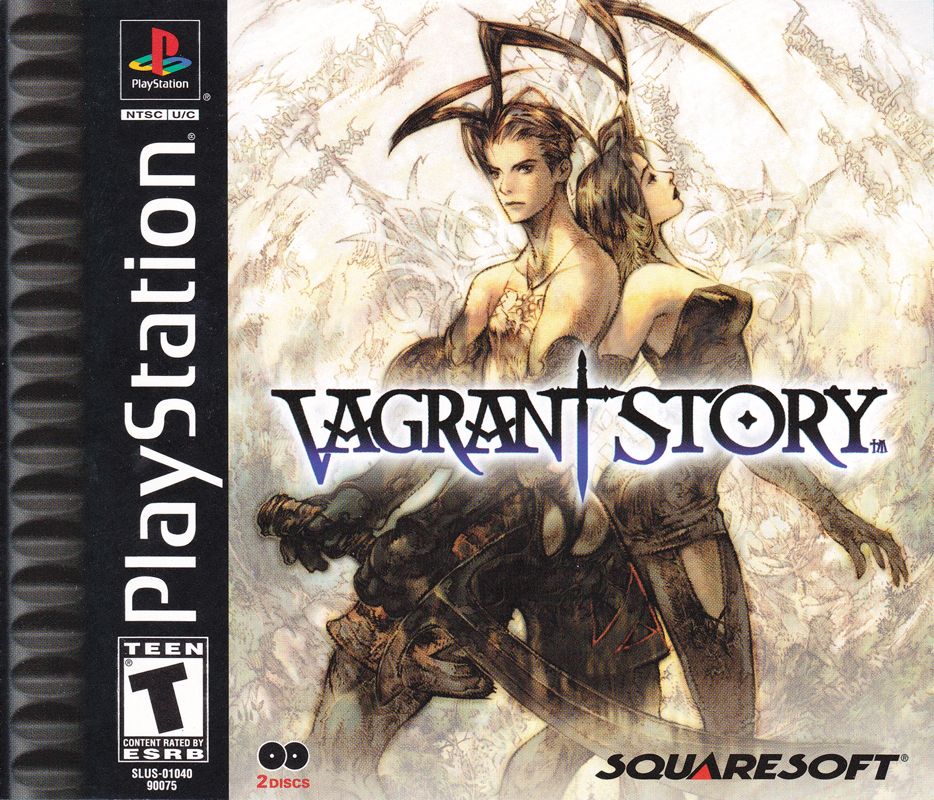
Vagrant Story follows Ashley Riot into Leá Monde, a ruined city packed with conspiracies and dangerous creatures. Every chamber feels deliberately staged.
Weapon crafting and body-targeting combat ask for patience. Its dramatic camera work gives a solitary dungeon journey unusual cinematic force.
Collectors of ambitious PlayStation RPGs should know this one for its singular design. The disc feels like an entire dark fantasy novel compressed into play.

Valkyrie Profile

Valkyrie Profile sends Lenneth to gather fallen heroes before a final divine battle. Each recruit arrives with a life story worth hearing.
Its side-view exploration and timed party attacks give the RPG a unique cadence. The looming deadline turns choices about training into meaningful tradeoffs.
For collectors, its physical release represents one of the PlayStation’s most distinctive RPG experiments. Myth, character, and mechanics are tightly connected.

Wild Arms
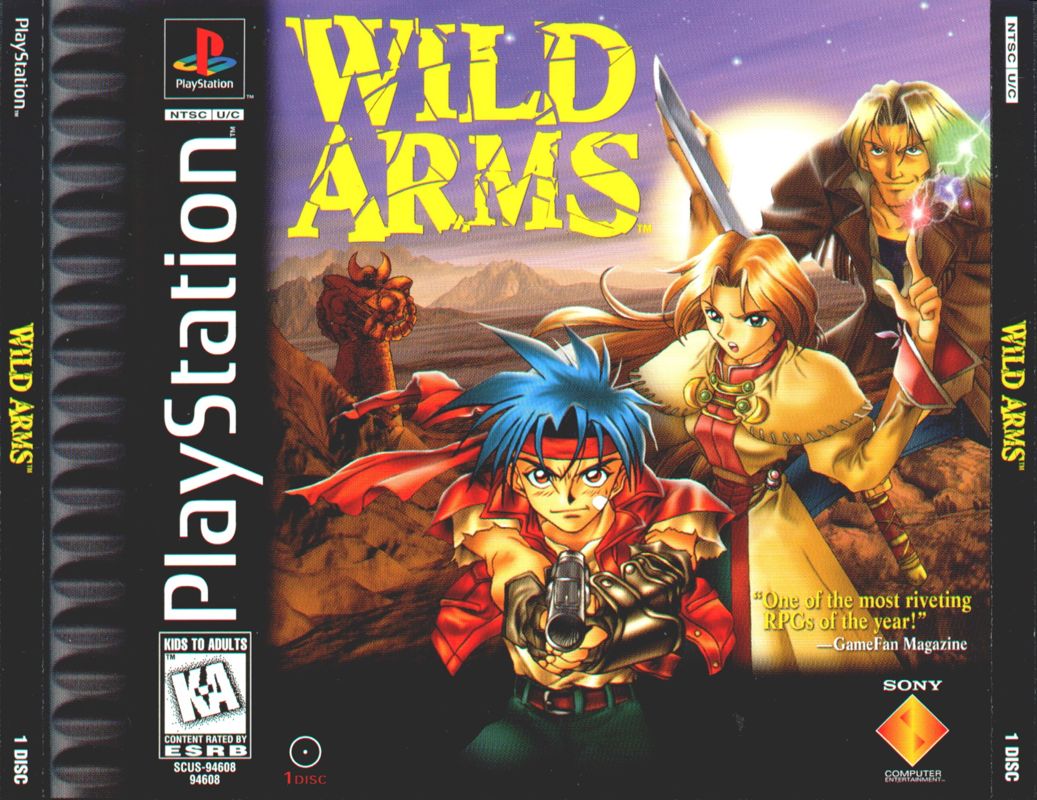
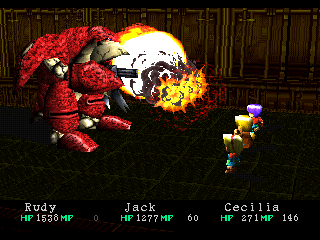
Wild Arms mixes frontier imagery with ancient machines and a classic fantasy party. Rudy, Jack, and Cecilia each bring different tools to exploration.
Those tools make dungeons more than corridors between battles. Music and dusty towns give Filgaia an atmosphere unlike most console RPG kingdoms.
A complete copy is a strong representative of early PlayStation role-playing. Its hybrid world makes the physical edition memorable on a crowded shelf.
Xenogears

Xenogears begins with Fei and a village disaster, then reaches toward war, ancient history, and giant machines. Its ambitions grow far beyond the opening.
On-foot battles and Gear combat give the journey two scales. The story’s philosophical interests make its long dialogue central rather than incidental.
Collectors should know it as a defining example of PlayStation-era narrative ambition. Its physical edition invites a slow, thoughtful return.
Nintendo 64
The Nintendo 64 is remembered for 3D discovery, four-player afternoons, and cartridges that could still surprise late in the console’s life. Its range here includes household names and harder-to-find detours.
Banjo-Kazooie
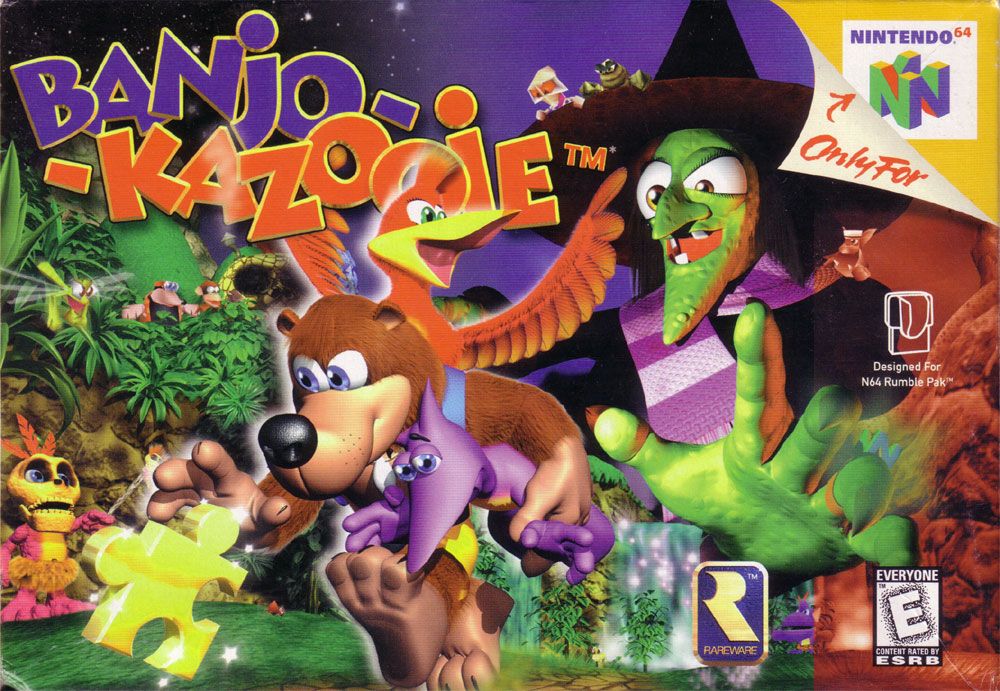
Banjo-Kazooie sends a bear and bird through worlds packed with puzzles, jokes, and hidden collectibles. Each new move changes how an old area can be explored.
Its playful dialogue and musical levels make searching feel like meeting characters rather than ticking boxes. The duo’s movement remains a pleasure to learn.
For collectors, the cartridge captures Rare’s colorful 3D platforming at full confidence. It is a natural centerpiece of a Nintendo 64 shelf.

Banjo-Tooie
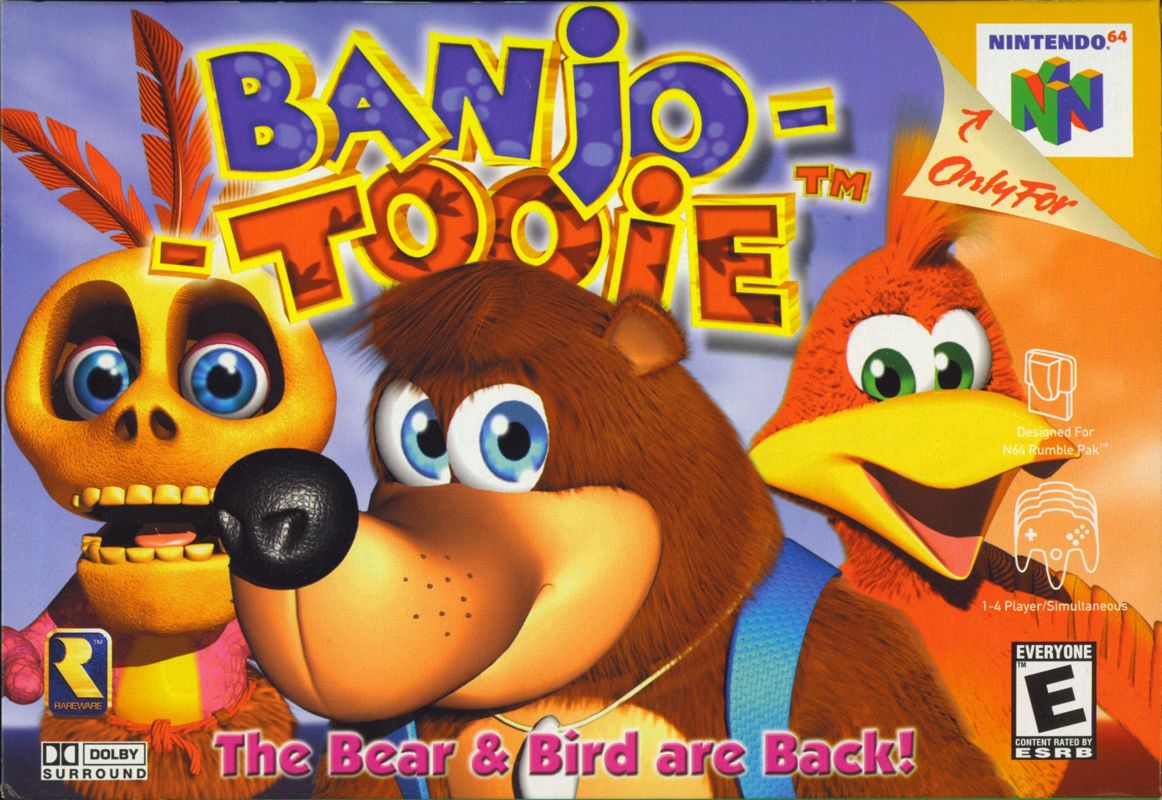
Banjo-Tooie expands the duo’s adventure into larger, more connected worlds. Abilities learned in one place can solve a mystery somewhere far away.
The scale asks for patience and memory, while the humor keeps the long hunt light. Its interconnected design feels bolder than a simple sequel.
A physical copy lets collectors follow how Rare stretched the collectathon form. The game rewards players willing to live in its world.

Bomberman 64

Bomberman 64 moves bomb puzzles into 3D spaces with slopes, switches, and bosses. A simple explosive tool becomes a way to reshape each room.
The campaign asks for thoughtful placement, while multiplayer keeps the series’ immediate social appeal. Both modes feel different from the flat-grid classics.
Collectors should know it as a genuine reinvention, not merely Bomberman with polygons. The cartridge reflects an era of adventurous 3D transitions.

Castlevania: Legacy of Darkness
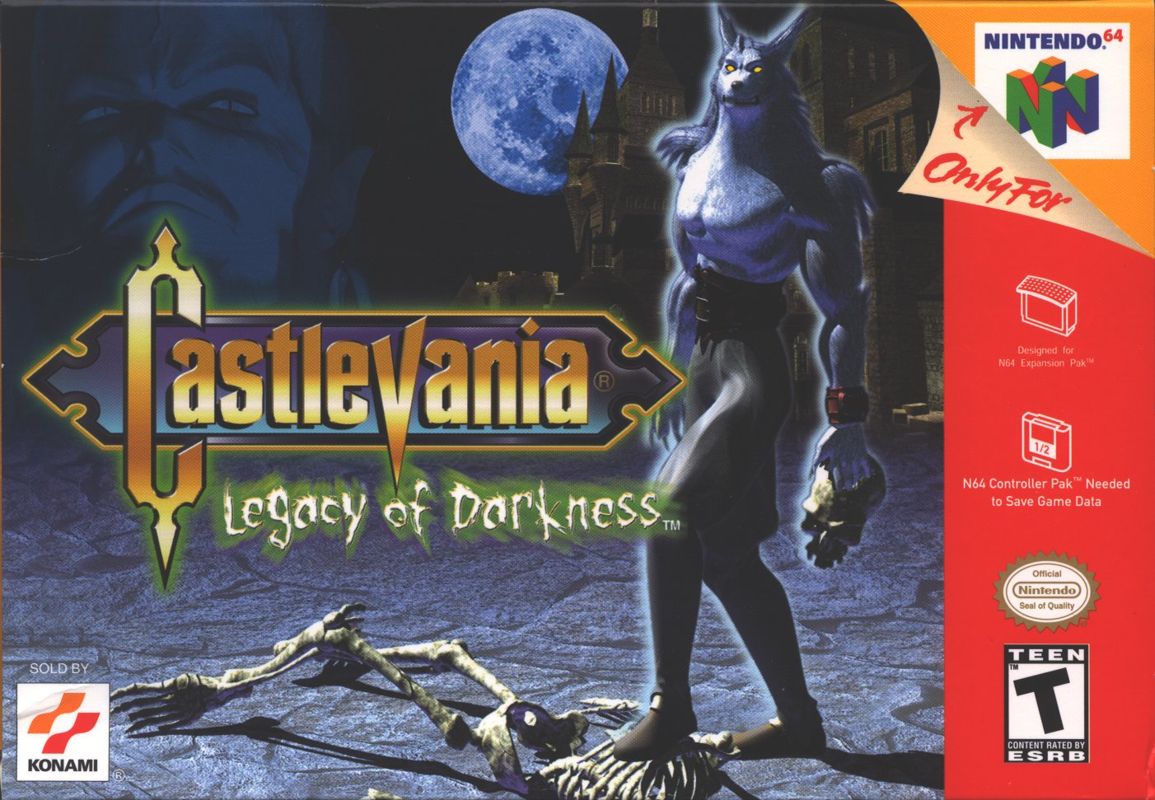
Castlevania: Legacy of Darkness returns to Dracula’s 3D castle with multiple characters and paths. Its gothic setting gives exploration a harsh, lonely mood.
Camera and controls can demand patience, but the expanded adventure offers more ways to see its haunted world than the earlier Nintendo 64 entry.
For collectors, it documents Castlevania’s willingness to test unfamiliar dimensions. The physical release is a distinctive, imperfect part of the series’ history.
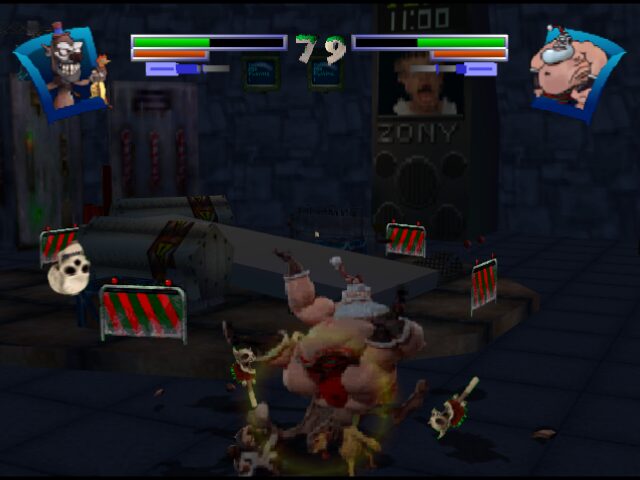
Clay Fighter: Sculptor’s Cut
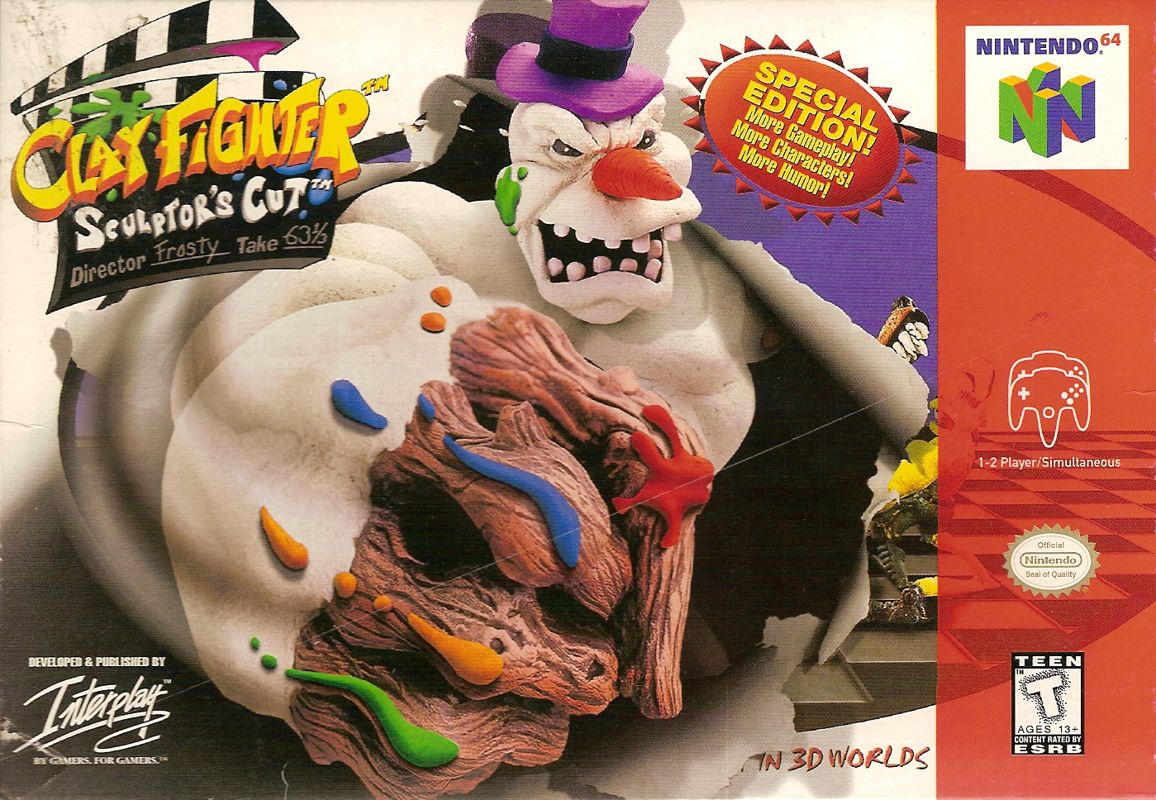
Clay Fighter: Sculptor’s Cut turns sculpted oddballs into a loud one-on-one brawl. Its roster and jokes push the series’ peculiar stop-motion look further.
Learning special moves reveals a real fighting game under the parody. The humor is divisive, but the physical edition has an unmistakable identity.
Collectors should approach it as a curious version with its own release story and content. Its reputation makes it a conversation piece beyond the matches.
Diddy Kong Racing
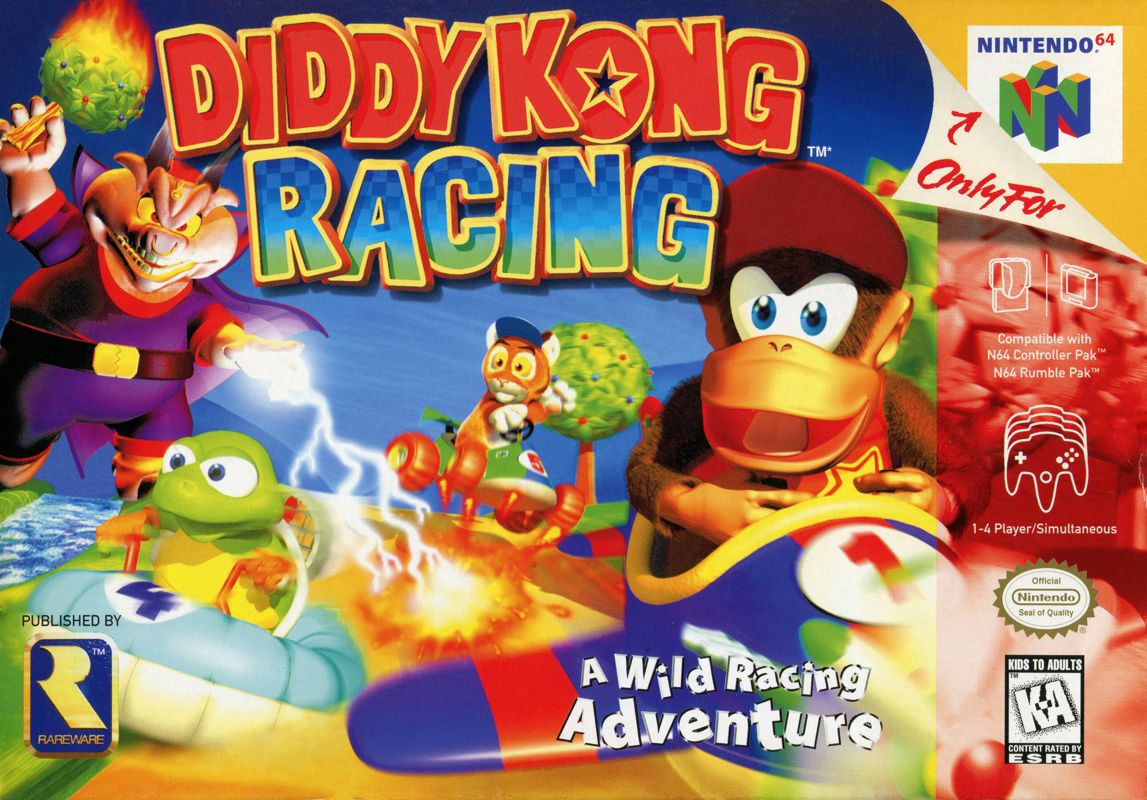
Diddy Kong Racing turns kart racing into a journey across an island. Cars, hovercraft, and planes make each track a different driving problem.
The adventure structure gives victories a purpose beyond a cup trophy. Hidden routes and boss races encourage practice with every vehicle.
For collectors, it is one of the Nintendo 64’s strongest multiplayer-era cartridges. Its blend of racing and exploration remains distinct.
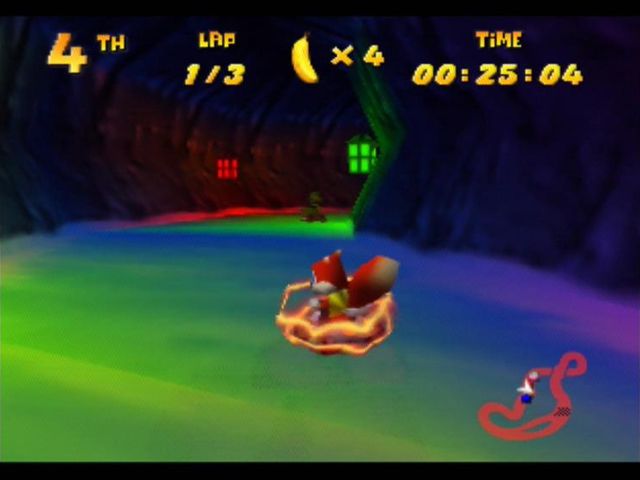
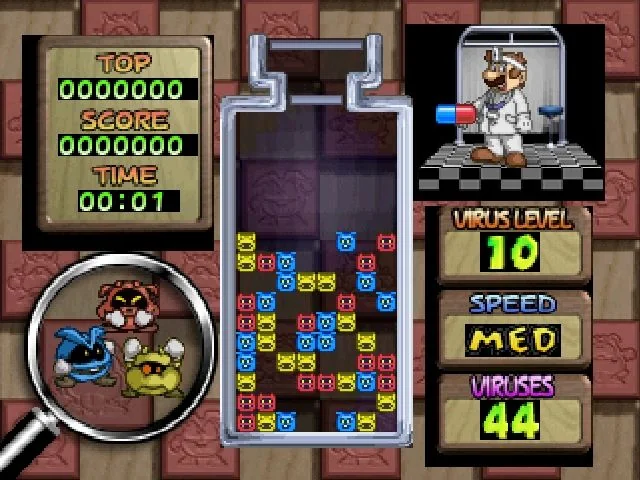
Dr. Mario 64

Dr. Mario 64 asks players to clear viruses by matching pill colors. The rules are simple, but a crowded bottle becomes a fast test of planning.
Story and multiplayer modes give the puzzle loop different moods. A clever drop can turn a losing board into a chain reaction.
Collectors of Nintendo’s puzzle history should know this home-console edition. It keeps the familiar formula lively for a room full of friends.
Duke Nukem 64

Duke Nukem 64 brings the swaggering shooter to Nintendo’s cartridge hardware. Its altered levels and weapons make this more than a direct copy.
Exploration and secret hunting remain central amid the explosions. The console version shows how a PC phenomenon was reshaped for a different audience.
For collectors, this specific edition is the story. Comparing it with other versions reveals the compromises and inventions of late-1990s ports.

F-Zero X
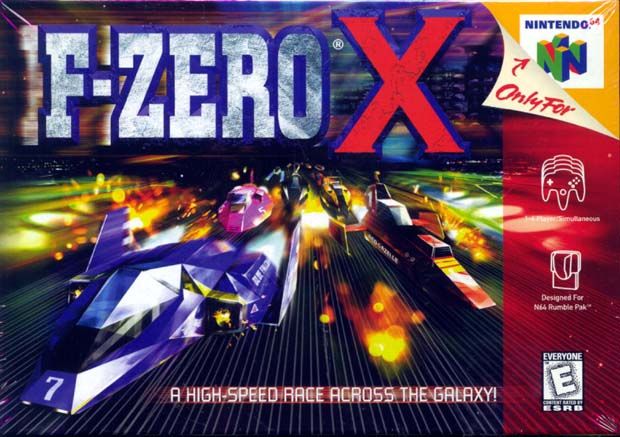
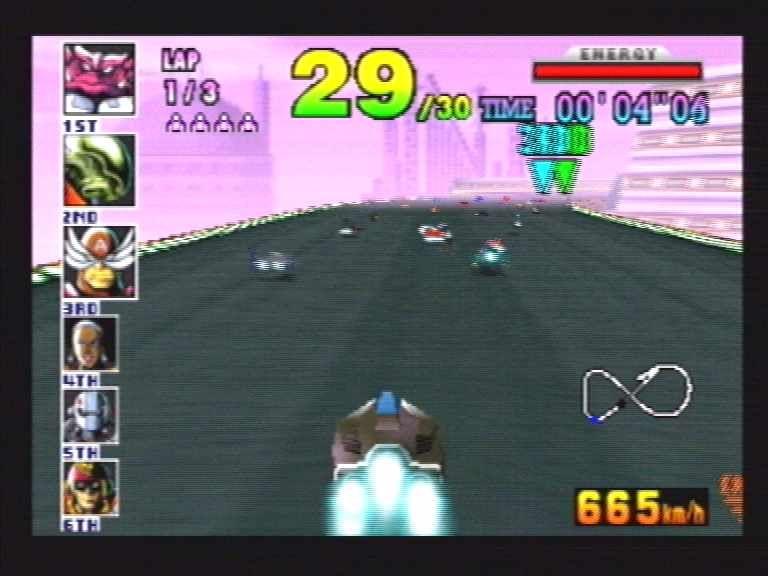
F-Zero X races futuristic machines along twisting courses at tremendous speed. Choosing a craft means choosing how much control to trade for raw pace.
Its smooth motion makes every turn readable even when the track looks impossible. Multiplayer and demanding cups give skilled players room to improve.
A cartridge belongs on a racing shelf for the sensation of speed alone. It is a Nintendo 64 technical feat with lasting play value.
Harvest Moon 64
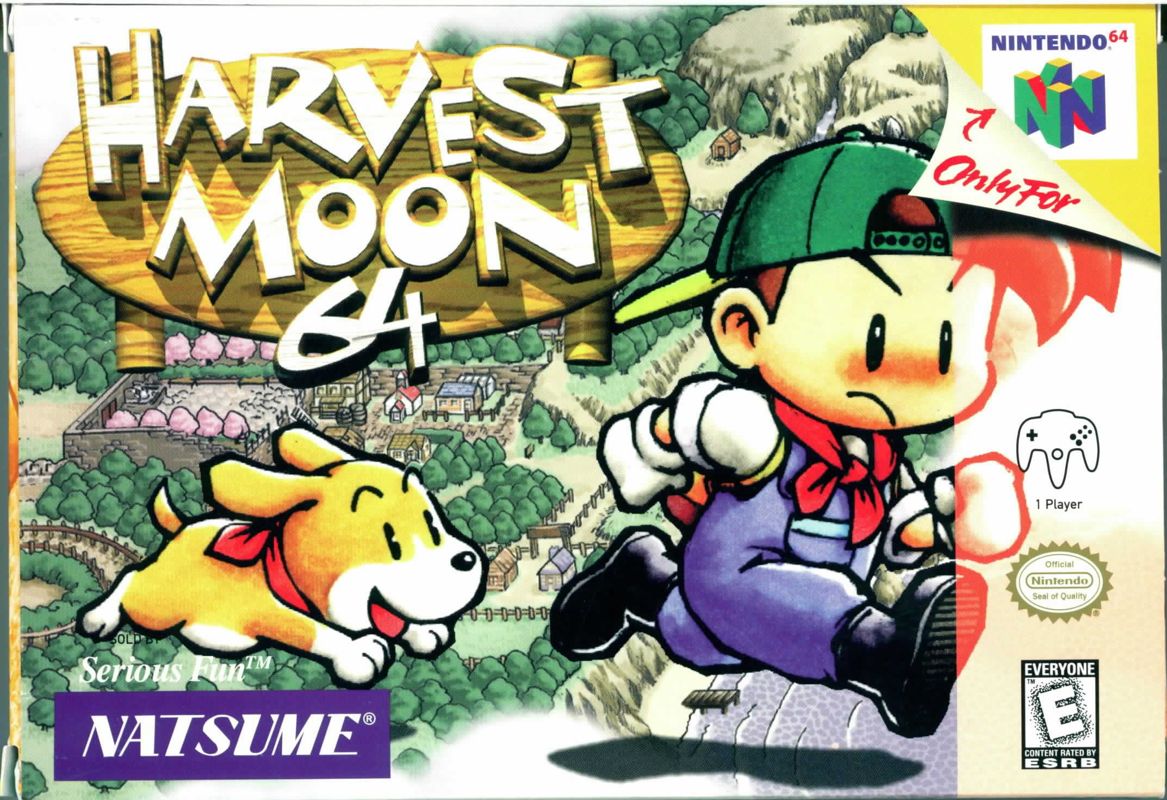
Harvest Moon 64 asks players to restore a farm through daily work and village friendships. Crops, animals, and relationships share the same limited calendar.
The seasons give small decisions weight. Missing a festival or tending an animal can feel as important as earning money.
For collectors, it represents a gentler side of the console. A physical copy invites a return to the routines that make its village memorable.

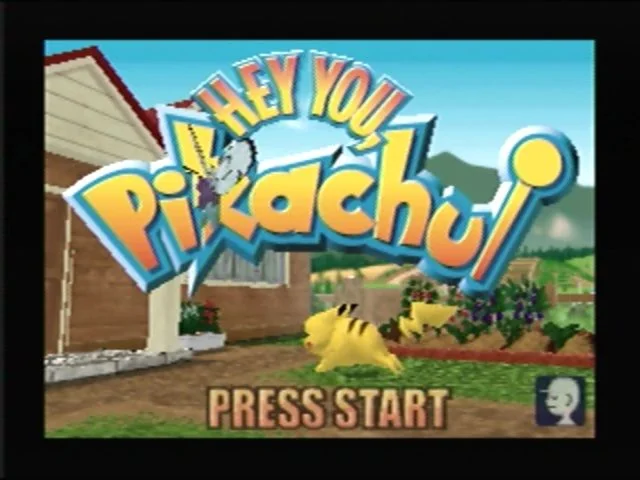
Hey You, Pikachu!
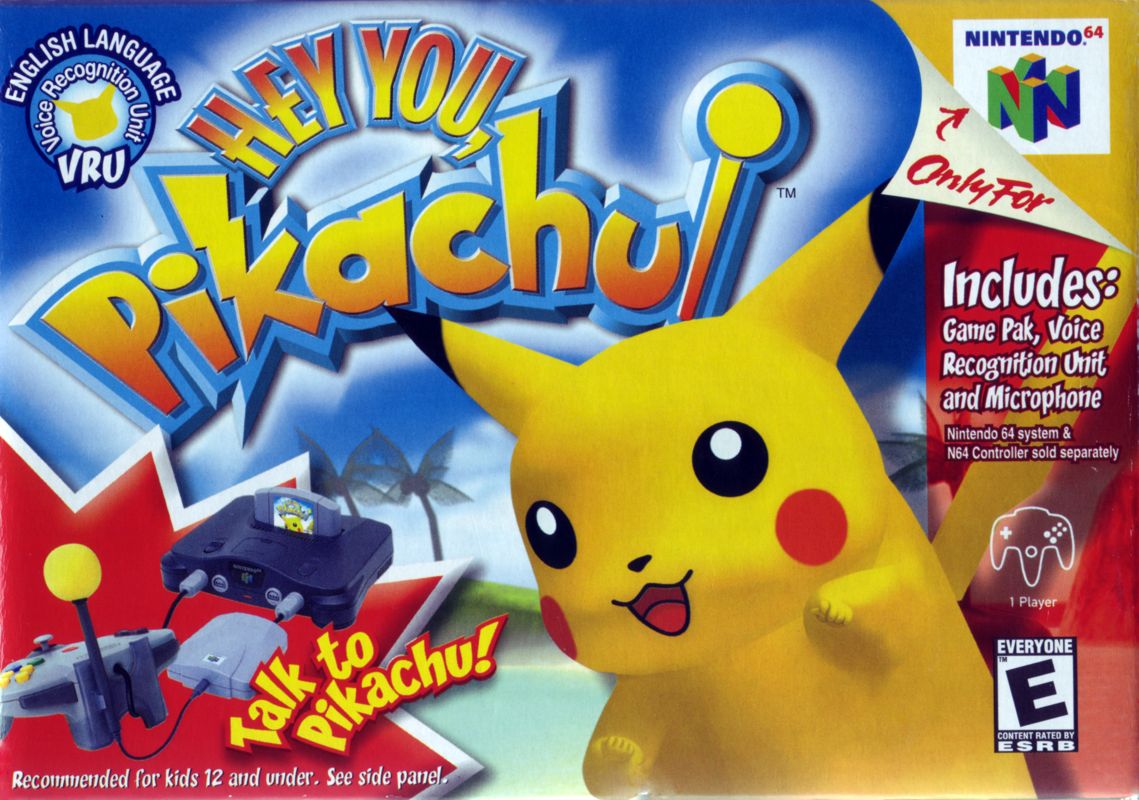
Hey You, Pikachu! lets players speak to a Pokémon through a dedicated microphone. The charm comes from trying to make a digital companion understand.
Its voice recognition is imperfect, and that unpredictability is part of the period experience. Tasks become little conversations with a mischievous creature.
A complete copy matters because the microphone and Voice Recognition Unit are central, not optional extras. It is a distinctive hardware collectible.
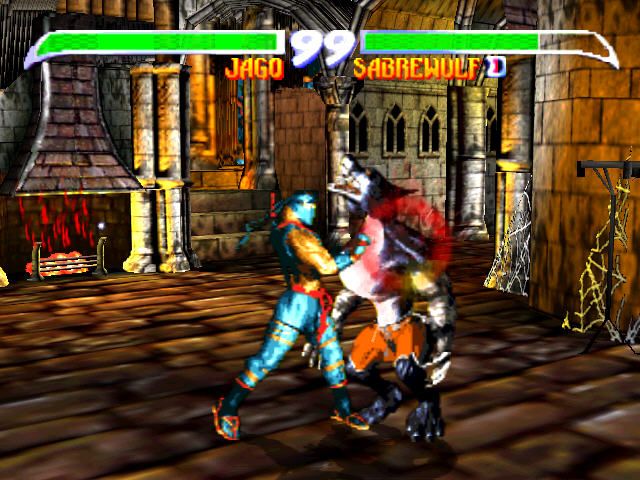
Killer Instinct Gold
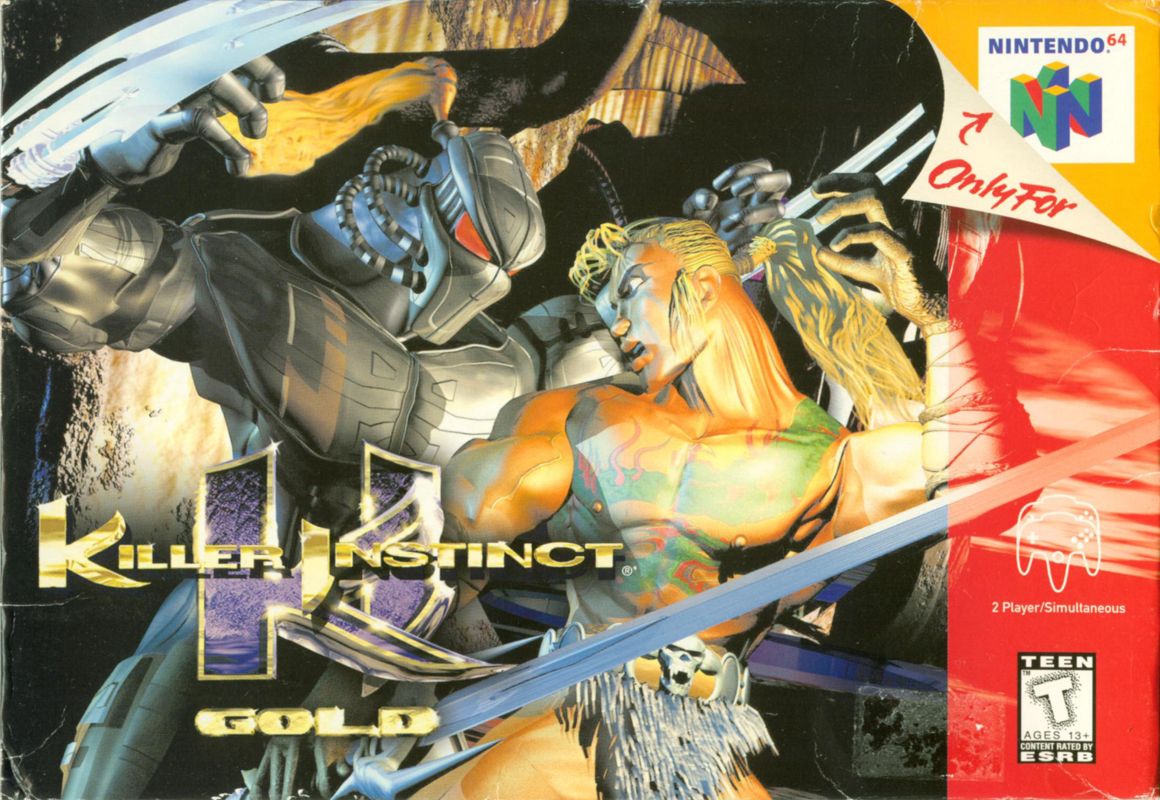
Killer Instinct Gold brings rapid combos and bold fighters to Nintendo 64. Its arcade roots are visible in every dramatic hit and character entrance.
Practice reveals the timing beneath the spectacle. Matches reward players who learn when to start, extend, and break a combo.
For collectors of 1990s fighters, this cartridge preserves Rare’s own aggressive style. It stands apart from both Street Fighter and Mortal Kombat.
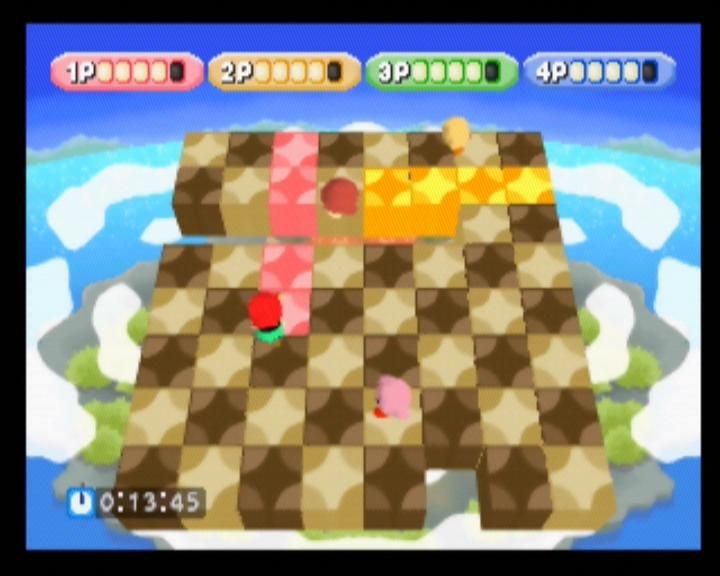
Kirby 64: The Crystal Shards

Kirby 64 lets the pink hero combine two copied powers into surprising new attacks. Its side-scrolling route moves through bright, polygonal worlds.
Testing combinations becomes the real discovery. A familiar enemy can provide the missing half of a power that changes an entire stage.
Collectors should know it for that inventive system and gentle visual charm. It is Kirby’s distinctive answer to the Nintendo 64 era.
Mario Golf

Mario Golf makes a round on the course friendly without removing the skill of aiming and reading wind. Each character gives the swing a different feel.
Its modes encourage both quiet solo improvement and lively competition. A difficult putt can become the night’s most dramatic moment.
For collectors, it is a strong example of Nintendo turning a sport into a welcoming party game. The cartridge remains easy to share.
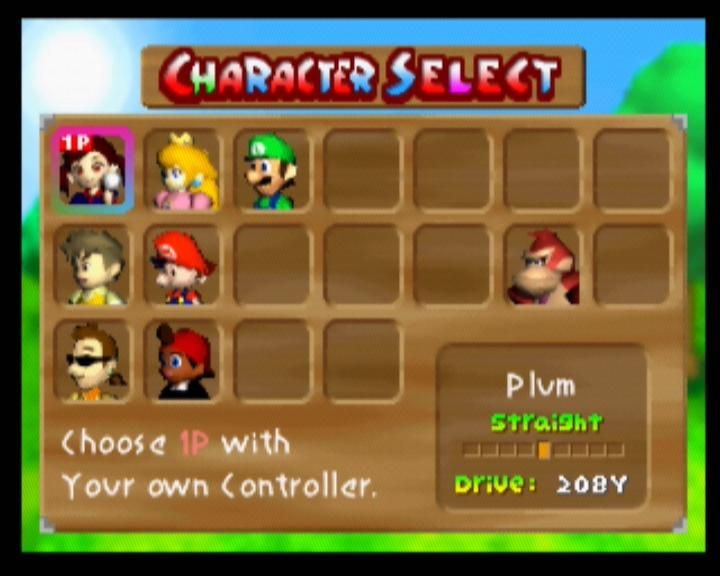
Mario Kart 64

Mario Kart 64 fills its tracks with shortcuts, hazards, and the promise of a last-lap reversal. Four-player races are the heart of its reputation.
Learning a corner matters, but a shell can rewrite a perfect plan. That mix of skill and chaos made the game a living-room fixture.
A physical copy is a memory machine for local multiplayer. It remains one of the most instantly recognizable Nintendo 64 cartridges.
Mario Party
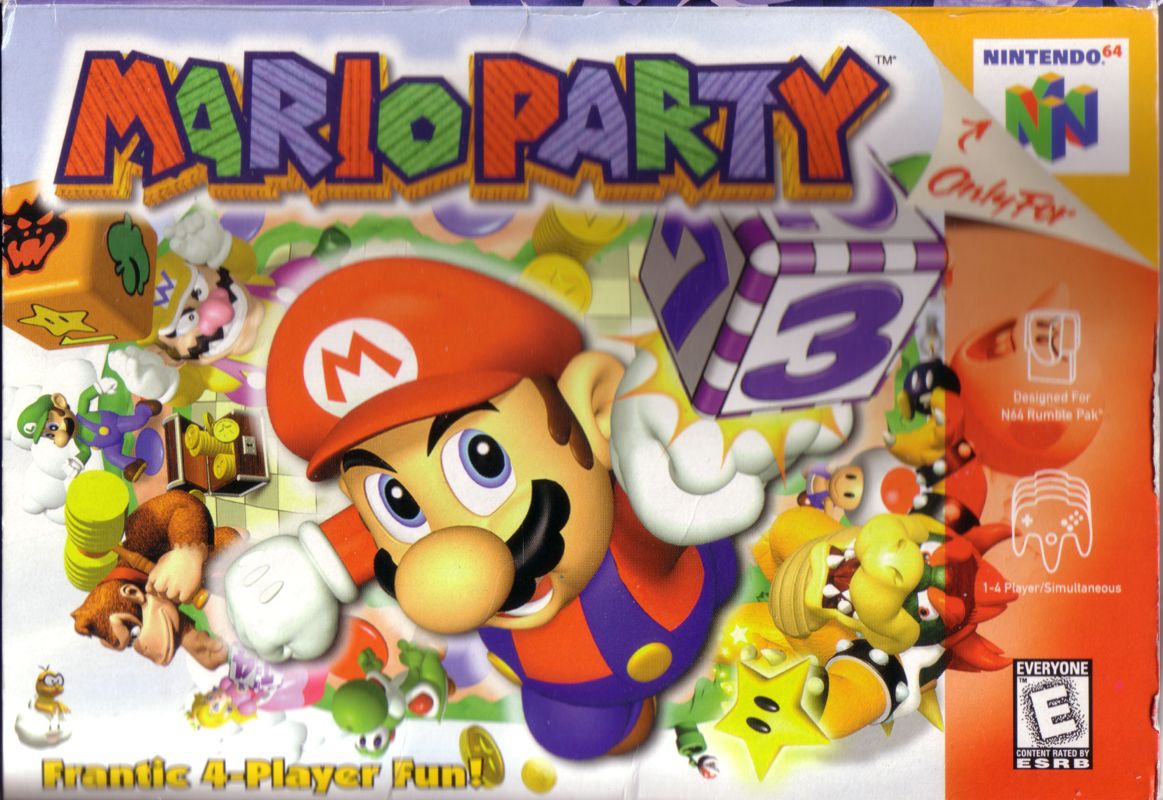
Mario Party turns a board game into a contest of stars, coins, and quick minigames. Every turn can change the leader.
Its early formula is rougher than later sequels, but that unpredictability gives it energy. Friends remember the betrayals as much as the victories.
Collectors can see the birth of a long-running party series here. The original cartridge captures a particular kind of couch competition.

Mario Party 2

Mario Party 2 dresses its boards in Western, horror, and space themes. Costumes make each familiar character part of the setting.
The minigames sharpen the original’s social chaos, while items add more ways to plan or spoil a rival’s route.
For collectors, it is a sequel that makes the party concept more confident. Its themed worlds give the physical edition a clear personality.

Mario Party 3

Mario Party 3 adds new boards, items, and a dedicated duel mode. A single match can swing between strategy and absurd luck.
The one-on-one battles change the series’ social rhythm. Its large minigame selection keeps repeat gatherings from feeling identical.
As the final Nintendo 64 entry, it shows the formula at its most elaborate on the system. Collectors can compare a full three-game progression.
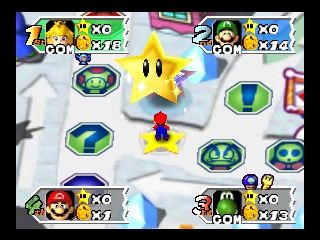
Mario Tennis
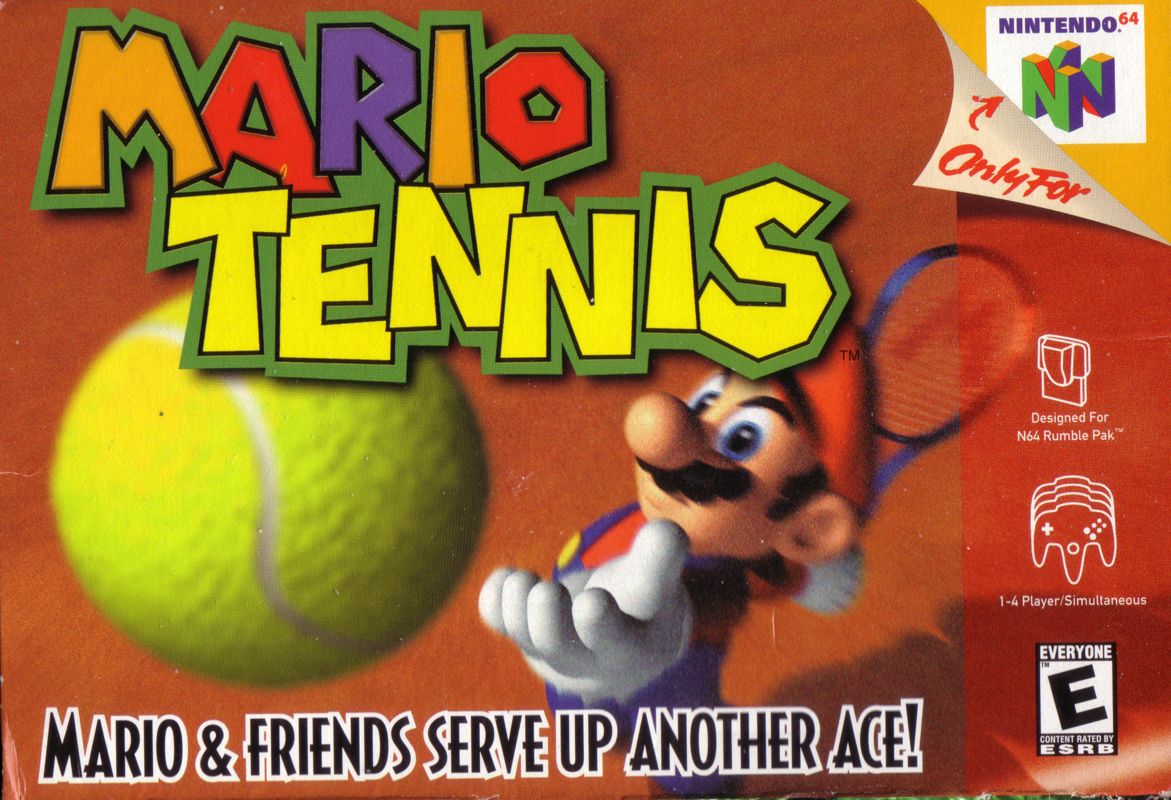
Mario Tennis makes the fundamentals of a rally readable and satisfying. Character differences matter without overwhelming a newcomer.
Singles and doubles create different pressure, while trickier modes give practiced players a reason to stay. The ball’s movement always feels central.
For collectors, it is a sports cartridge with enduring local appeal. It turns a simple controller handoff into a real contest.
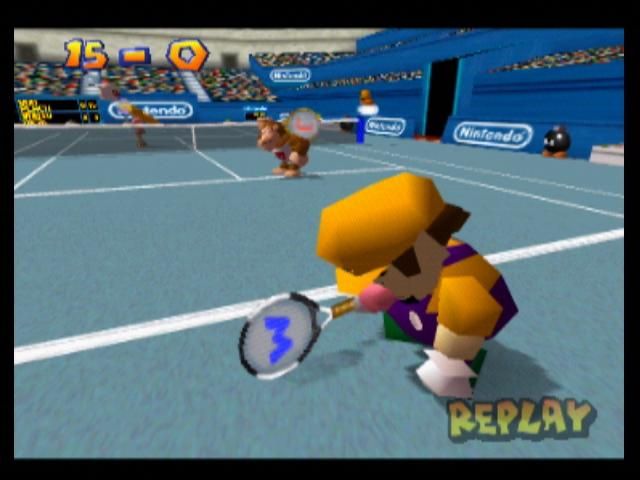
Mischief Makers
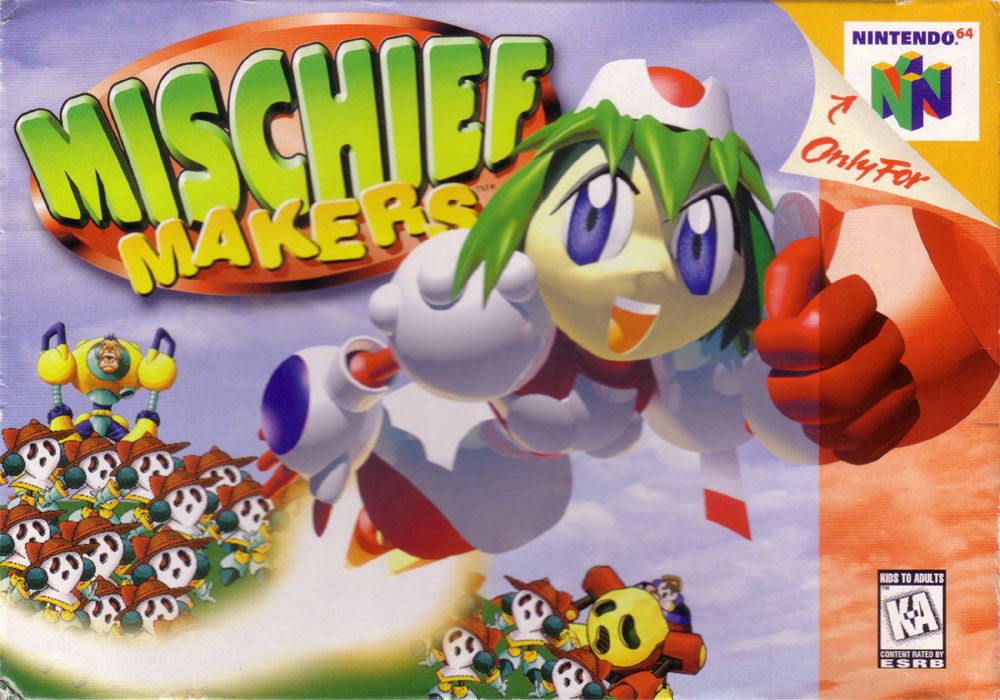
Mischief Makers lets robot heroine Marina grab, shake, and throw almost everything she meets. That verb set drives both puzzles and boss fights.
Its 2D sprites and strange characters stand out on a console famous for polygons. Each stage tries a new joke or mechanical twist.
Collectors should know it as Treasure’s unmistakable Nintendo 64 experiment. The game rewards anyone willing to shake first and ask questions later.
Ogre Battle 64: Person of Lordly Caliber

Ogre Battle 64 follows Magnus through a war where military victories can complicate moral choices. Building units matters as much as placing them on a map.
Classes, formations, and branching outcomes make the campaign feel personal. It rewards commanders who think beyond the next battle.
A physical copy represents one of the console’s deepest strategy experiences. Its long-form design is an unusual counterpoint to the N64’s party-game reputation.

Paper Mario
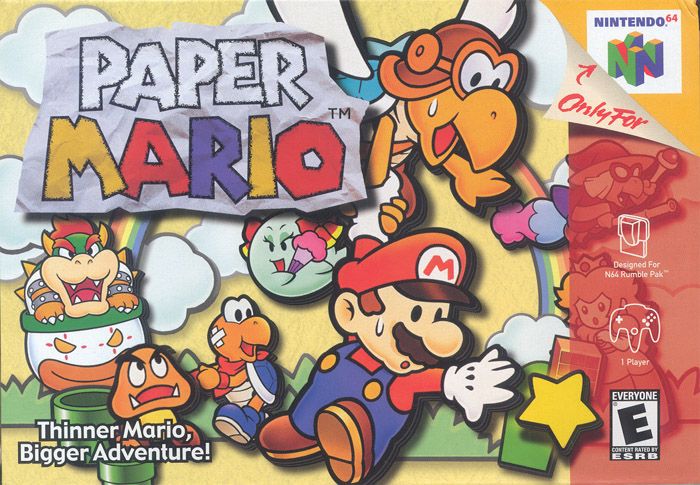
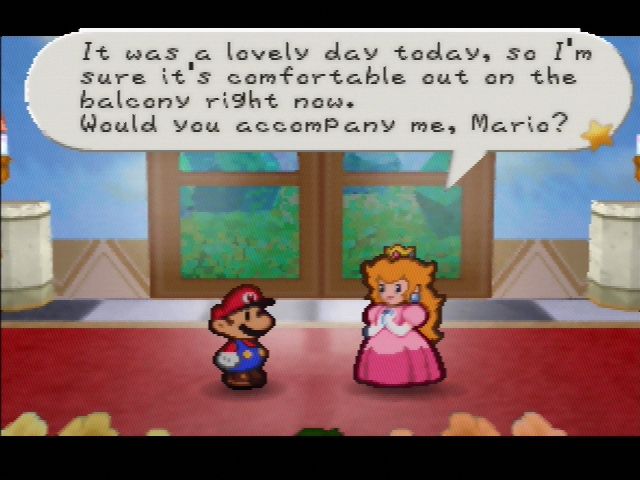
Paper Mario gives its cast a storybook look and a turn-based adventure full of comic timing. Partners change how Mario fights and explores.
Timed button presses make battles lively without hiding their strategy. Each chapter adds a new place and a new companion worth remembering.
Collectors can see Nintendo finding a fresh RPG voice here. The cartridge’s paper world still feels inviting from the first page.
Perfect Dark
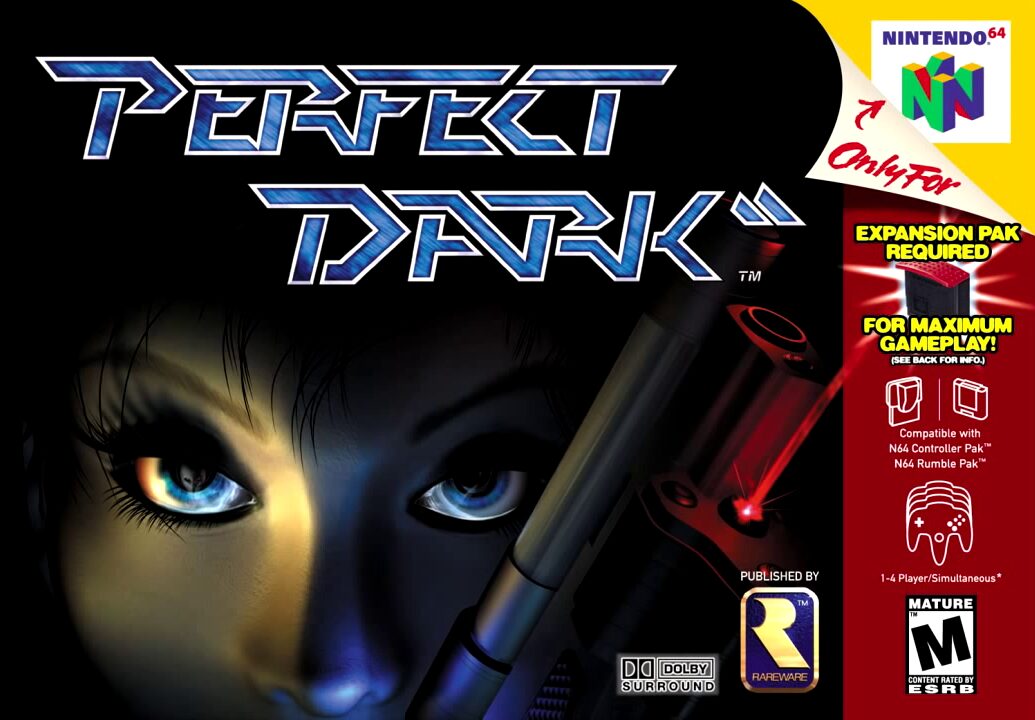
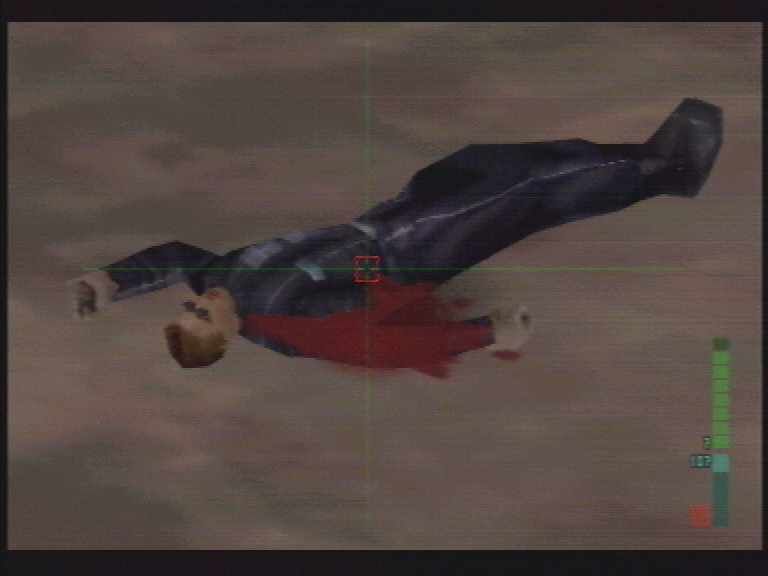
Perfect Dark sends Joanna Dark into a spy thriller of alien secrets and corporate intrigue. Its missions reward observation as well as quick aim.
Gadgets, alternate objectives, and multiplayer modes make the cartridge unusually dense. Replaying a stage can reveal an entirely new challenge.
For collectors, it captures Rare pushing the Nintendo 64 shooter beyond its earlier successes. The physical edition holds remarkable ambition.
Pokémon Snap
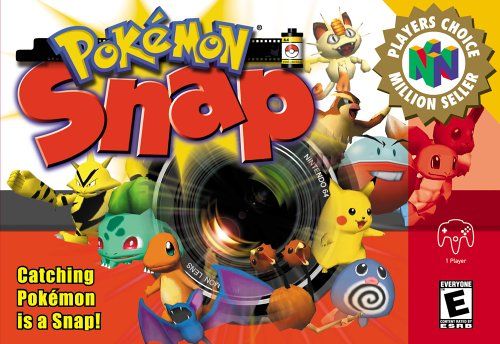
Pokémon Snap puts a camera in the player’s hands instead of a Poké Ball. Finding a creature is only the beginning; coaxing a better pose is the challenge.
Each route hides interactions that can change a photograph. The slower pace makes watching Pokémon behavior a reward in itself.
Collectors should know it for changing the way a popular series could be played. The cartridge turns curiosity into its main mechanic.
Pokémon Stadium
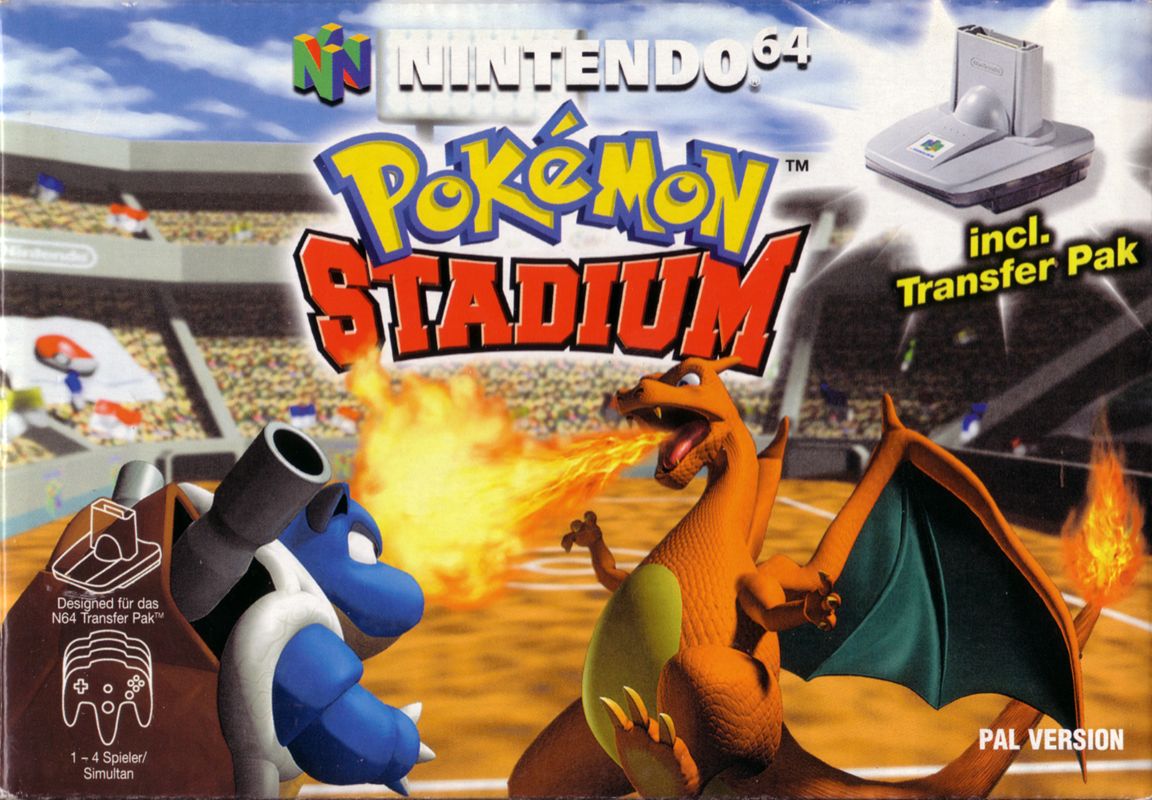
Pokémon Stadium brings familiar handheld creatures into animated 3D battles. Team choices and move knowledge matter when the stadium lights come on.
The Transfer Pak can connect a personal Game Boy team, giving the console battles a history carried from another device.
A complete setup matters to collectors because the accessory deepens the experience. This is a physical-era bridge between handheld and living-room Pokémon.
Quest 64

Quest 64 follows young Brian through a fantasy world built around elemental magic. Its simple story leaves room for exploration and experimentation.
Developing elements changes which spells become useful. The battle spaces ask players to move and position rather than choose from a static menu.
For collectors, it is an important example of the Nintendo 64’s thinner RPG catalog. Its quirks make it worth understanding on its own terms.
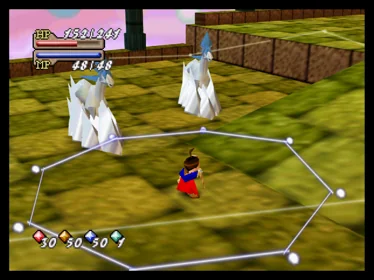
South Park

South Park brings the animated town’s crude jokes and familiar voices into a first-person shooter. Strange enemies make the license instantly recognizable.
The missions lean on the show’s early absurdity, though the play can be uneven. That mixture is part of the cartridge’s period character.
Collectors of television adaptations will find a specific late-1990s moment preserved here. Its appeal is as much cultural as mechanical.
Space Station Silicon Valley

Space Station Silicon Valley lets a tiny robot take control of mechanical animals. Each body offers a new way to move, fight, or solve a room.
The station’s zones become a toy box of creature abilities. Humor and clever puzzle design give the unusual premise real staying power.
For collectors, this is a distinctive 3D platform puzzle game with an identity far from the usual mascots. The cartridge rewards discovery.
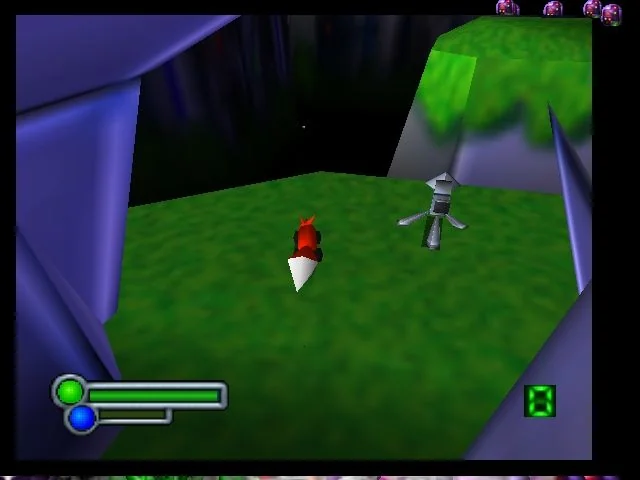
Star Fox 64

Star Fox 64 sends Fox McCloud through branching aerial battles and dramatic boss encounters. Arwing controls make the rush of each mission immediately clear.
A different route can change the campaign, and the Rumble Pak makes hits feel physical. Wingman chatter keeps the spectacle personal.
Collectors should know it as both a strong action game and a hardware moment. Its physical edition captures Nintendo’s confident use of feedback and sound.
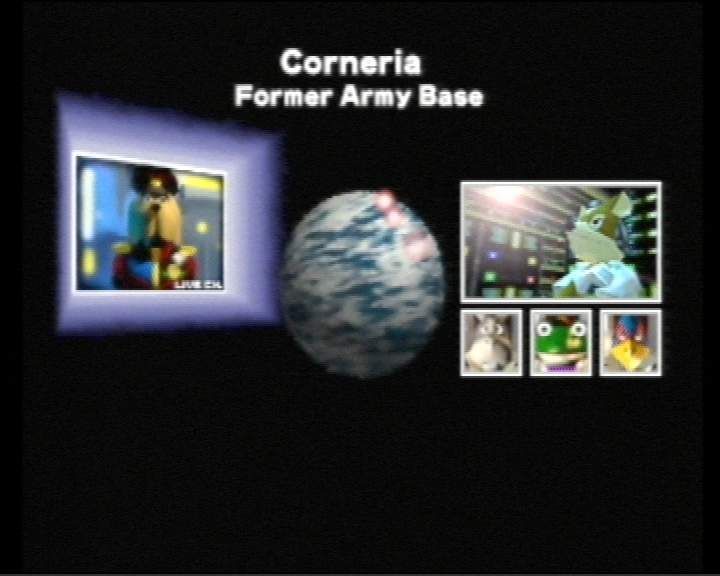
StarCraft 64
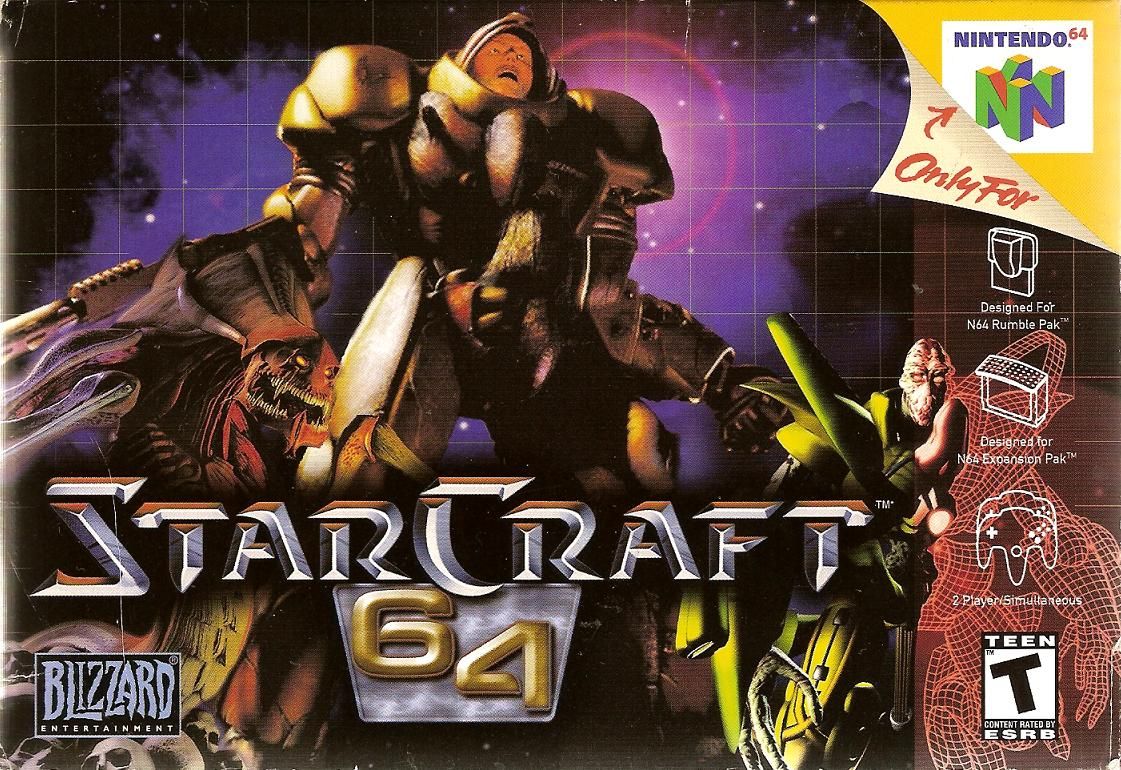
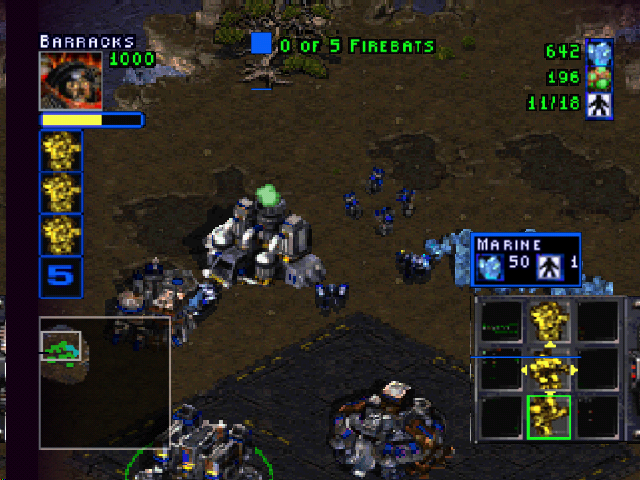
StarCraft 64 moves a sprawling real-time strategy conflict onto a controller. Terran, Zerg, and Protoss campaigns all survive the unusual transition.
Managing units without a mouse is the central challenge. The port’s ambition is clearer when played with its hardware limits in mind.
For collectors, this is a remarkable console adaptation of a PC giant. The cartridge is interesting precisely because it attempted something difficult.
Super Mario 64
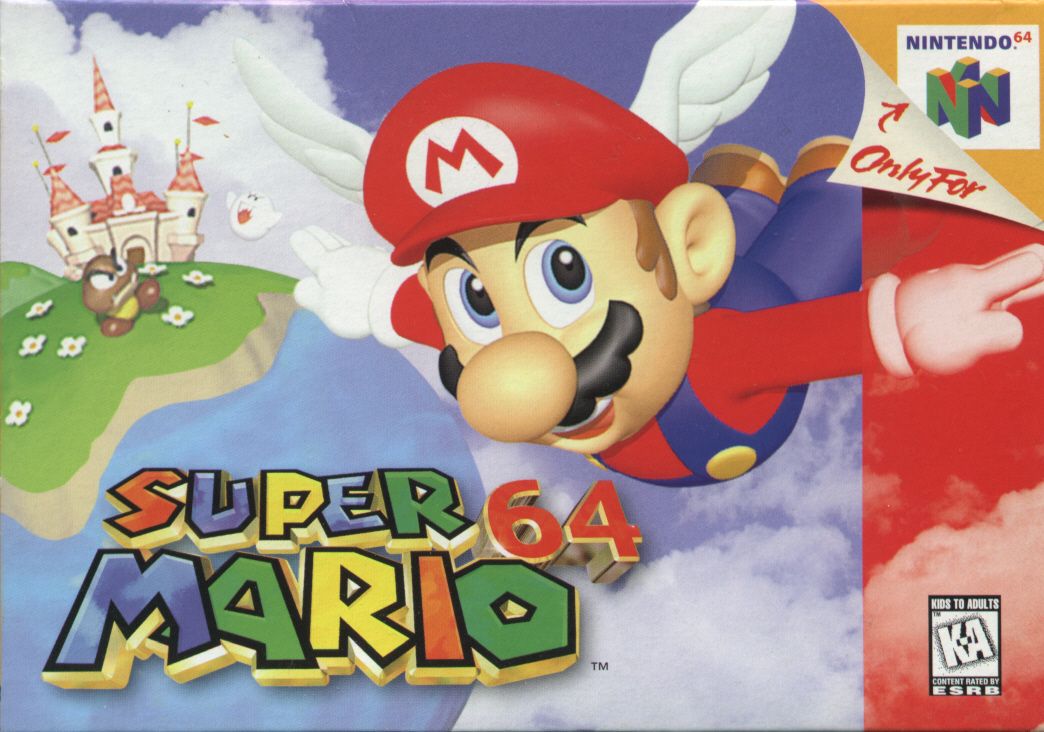
Super Mario 64 opens Peach’s castle into a network of painting worlds. Mario’s jumps, dives, and turns make movement itself the main attraction.
Stars encourage players to reinterpret the same spaces with new goals. A familiar mountain can still hide a route you missed.
A physical copy marks a foundational shift in 3D play. Its influence is enormous, yet the simple act of controlling Mario remains the strongest reason to revisit it.

Super Smash Bros.

Super Smash Bros. turns Nintendo characters into a fast, chaotic fighting party. Damage changes how far a hit can launch an opponent.
Items and stages create stories no tournament plan could predict. Under the chaos, spacing and recovery reward repeated play.
Collectors can see a major series beginning here in compact form. The cartridge’s roster is smaller, but its social spark is already complete.

WWF No Mercy

WWF No Mercy lets players build wrestling rivalries through a deep grappling system and branching championship paths. The ring feels like a place for stories.
Counters, momentum, and character creation keep matches engaging beyond one evening. A favorite wrestler can evolve with every session.
For collectors of sports entertainment, this cartridge remains a benchmark. Its enduring playability explains why it is remembered beyond its television era.

Game Boy Color
Color gave handheld favorites fresh personality while designers kept finding clever uses for a pocket-sized screen. These releases reward a closer look at both the game and its physical presentation.
Bionic Commando: Elite Forces
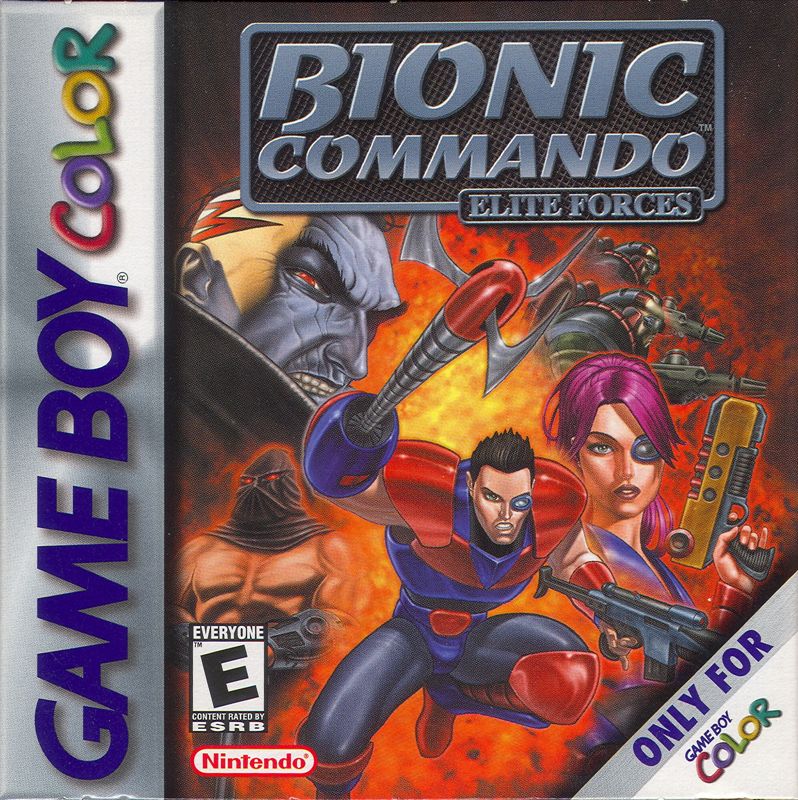
Bionic Commando: Elite Forces brings its famous grappling arm to a colorful handheld mission. Swinging across gaps matters more than jumping, because the hero cannot rely on a conventional leap.
The arm is both a movement tool and a way to control danger. Learning its arc changes how every ledge and enemy position looks.
Collectors of inventive action games should know this portable branch of the series. Its central mechanic still feels unusual among Game Boy Color adventures.
Dragon Warrior Monsters
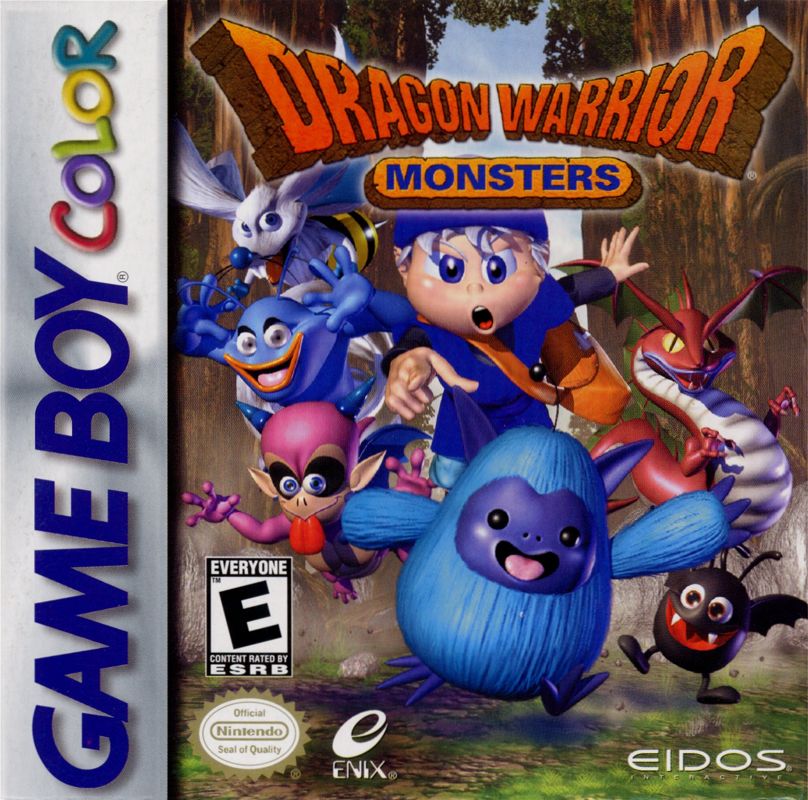
Dragon Warrior Monsters sends Terry into a world built around befriending, training, and breeding creatures. The quest turns every encounter into a possible new team member.
Building a party becomes a long experiment. Different combinations change the skills you can bring into the next dungeon or tournament.
Its cartridge is a key part of monster-raising history on Nintendo handhelds. For a collector, the depth behind its cheerful cover is the draw.
Legend of the River King 2

Legend of the River King 2 trades combat for a patient life beside the water. Catching fish and exploring the landscape give its adventure an unusually calm pulse.
Different locations and seasons change what you can find. Progress depends on paying attention to the environment rather than charging toward a boss.
A complete copy stands out because few handheld games made fishing into such a full world. It invites a slower kind of collecting inside the game itself.

Lufia: The Legend Returns
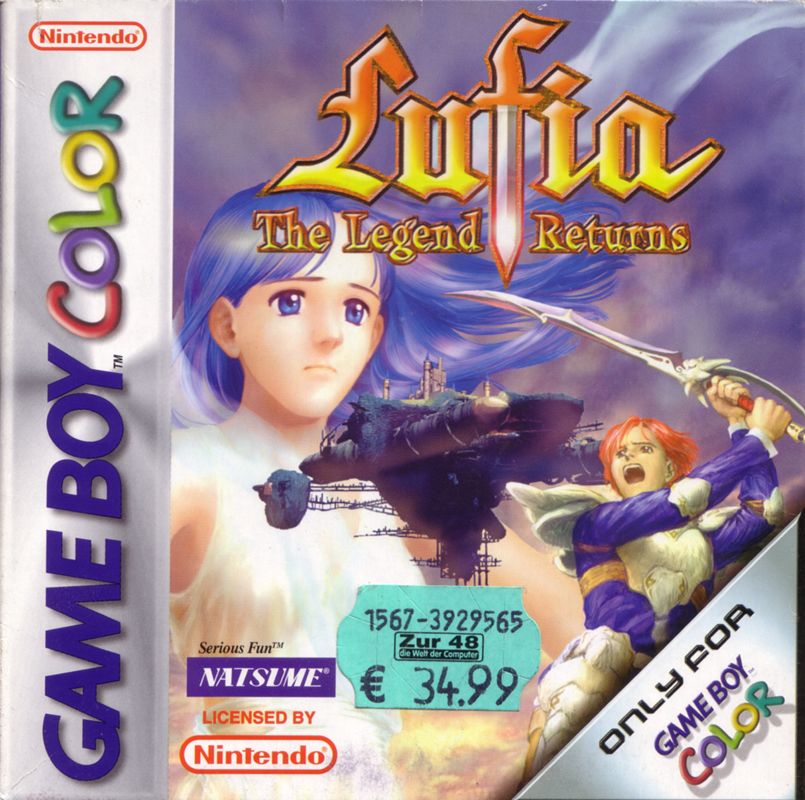
Lufia: The Legend Returns sends a large party through dungeons and turn-based battles on Game Boy Color. Its fantasy journey has more scale than the screen suggests.
Character formation and equipment give encounters tactical weight. Procedural dungeon layouts help keep the long trek from feeling entirely predictable.
For collectors, it is a reminder that substantial RPGs lived on this handheld. The modest cartridge carries a surprisingly broad adventure.
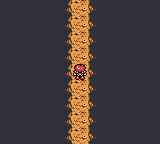
Mega Man Xtreme

Mega Man Xtreme translates dashes, wall climbs, and Maverick fights into compact Game Boy Color stages. X remains quick even on the smaller screen.
Learning where to climb and when to fire matters as much as weapon choice. The familiar series vocabulary becomes a portable challenge with its own rhythm.
It is worth knowing for the way it adapts a fast console series without losing its identity. Collectors can trace Mega Man X’s handheld path from here.

Mega Man Xtreme 2

Mega Man Xtreme 2 returns to Maverick hunting with X and Zero in the spotlight. Their different attacks give repeat runs a practical reason.
The stages mix precise movement with weapon experimentation. Switching heroes changes how a difficult encounter feels rather than merely changing the sprite.
As a sequel, it shows the handheld formula becoming more confident. A physical copy complements the console games while offering its own compact challenge.

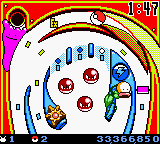
Pokémon Pinball

Pokémon Pinball turns a Poké Ball into the ball on two colorful pinball tables. Hits can start encounters, captures, and evolutions alongside the usual chase for points.
The rumble cartridge gives every collision a tiny physical kick. That unusual hardware detail makes the game feel especially playful in hand.
For collectors, it is both a Pokémon spin-off and a distinctive object. The cartridge itself tells you this is not just another creature adventure.
Pokémon Puzzle Challenge

Pokémon Puzzle Challenge uses rising panels, quick swaps, and chain reactions to make a deceptively tense puzzle game. Familiar Pokémon faces give every match a friendly frame.
The real pleasure is seeing a plan unfold in seconds. A small combo can become a rescue when the board has nearly reached the top.
Its bright box art may suggest a light diversion, but the game rewards serious practice. It belongs in a collection of enduring handheld puzzlers.

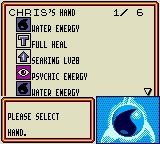
Pokémon Trading Card Game

Pokémon Trading Card Game lets players build decks and challenge clubs inside a cartridge. It recreates the thrill of drawing a needed card without carrying a binder.
Deck construction is the adventure’s real engine. A new card can suggest a strategy and send you back to test it against a rival.
For collectors, the game preserves a specific moment in Pokémon’s card craze. Its physical edition is a collectible about collecting.
R-Type DX

R-Type DX puts the R-9 fighter against the Bydo in tightly designed scrolling stages. The detachable Force pod remains the key to both offense and defense.
Learning where to place that pod turns brutal enemy patterns into solvable problems. The package offers multiple ways to revisit the early games.
It is a strong shelf piece for shooter fans who appreciate design with no wasted motion. The small format hides a demanding arcade lineage.

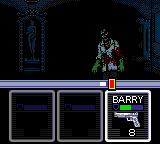
Resident Evil: Gaiden
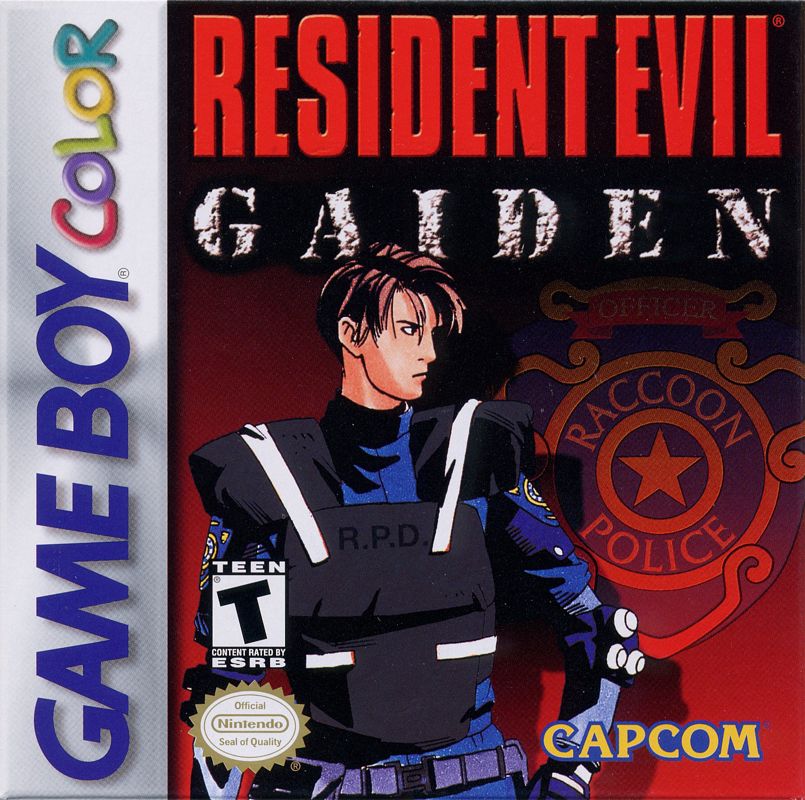
Resident Evil: Gaiden strands familiar heroes on a ship where the series’ usual camera and combat could not simply be copied. Exploration keeps the horror moving.
Its timed battle system is an eccentric solution to the handheld’s limits. The result feels strange, but that strangeness is part of its identity.
Collectors should know it as a bold side path in a major franchise. It reveals how far developers would bend survival horror for Game Boy Color.
Shantae
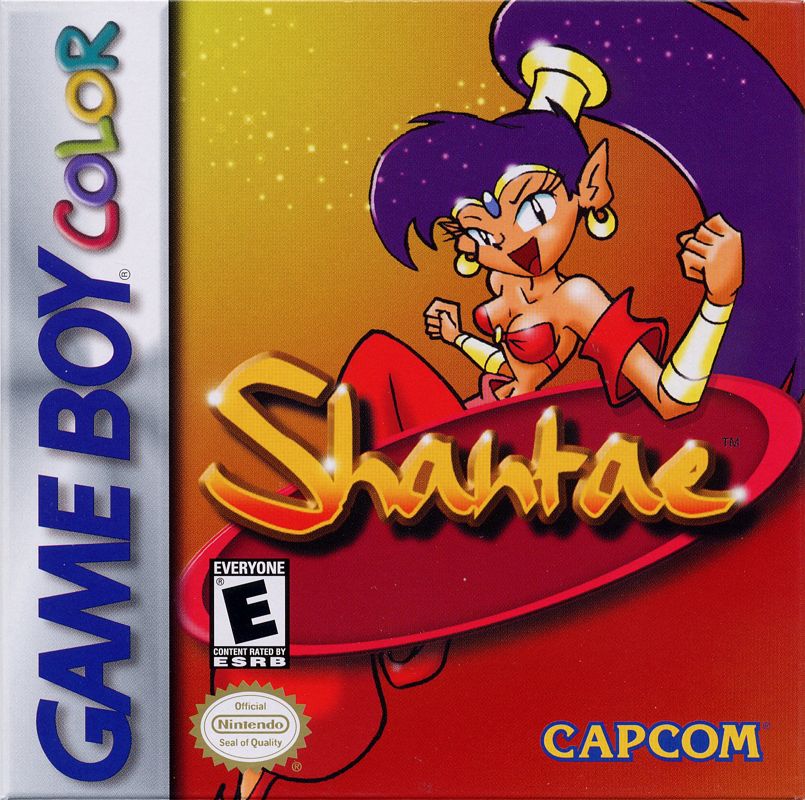
Shantae sets a half-genie loose across a colorful world of towns, caves, and hidden routes. Hair-whip attacks and dances give her adventure its own movement vocabulary.
Transformation abilities open places that once seemed unreachable. Its animation has a warmth that makes exploring an old path again feel rewarding.
The game became a series foundation despite arriving late in the handheld’s life. A complete copy represents a notable original character at her beginning.

Super Mario Bros. Deluxe
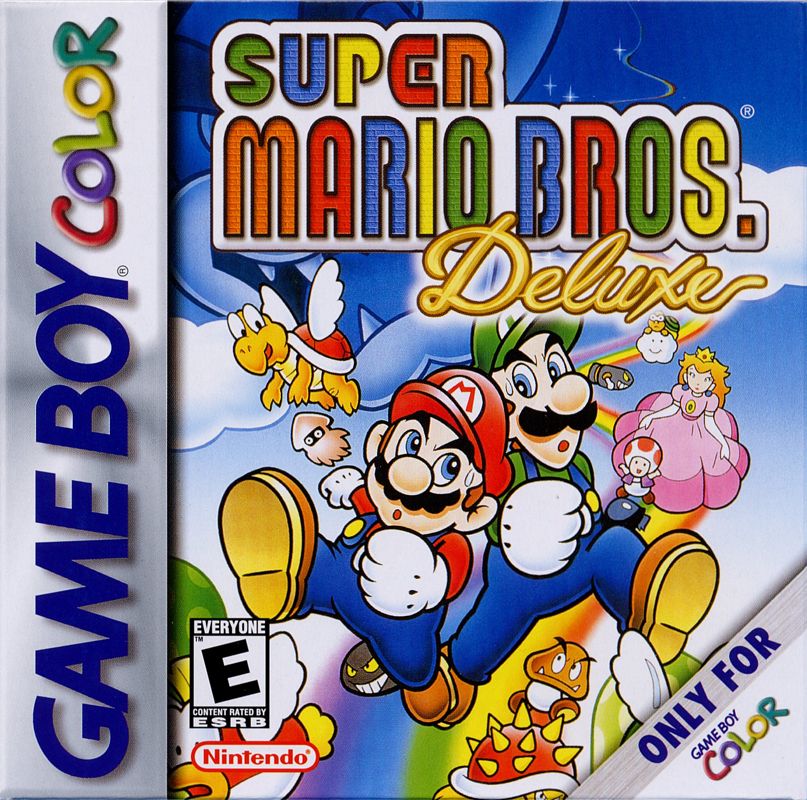
Super Mario Bros. Deluxe brings the original Mushroom Kingdom to Game Boy Color, then surrounds it with extras and new ways to revisit familiar stages.
The narrower view changes how players read a jump, while challenge features ask them to master levels rather than merely finish them.
For collectors, it shows how a classic can become a portable archive. Its bright cartridge-era packaging marks a second life for Mario’s first great platform quest.
Survival Kids
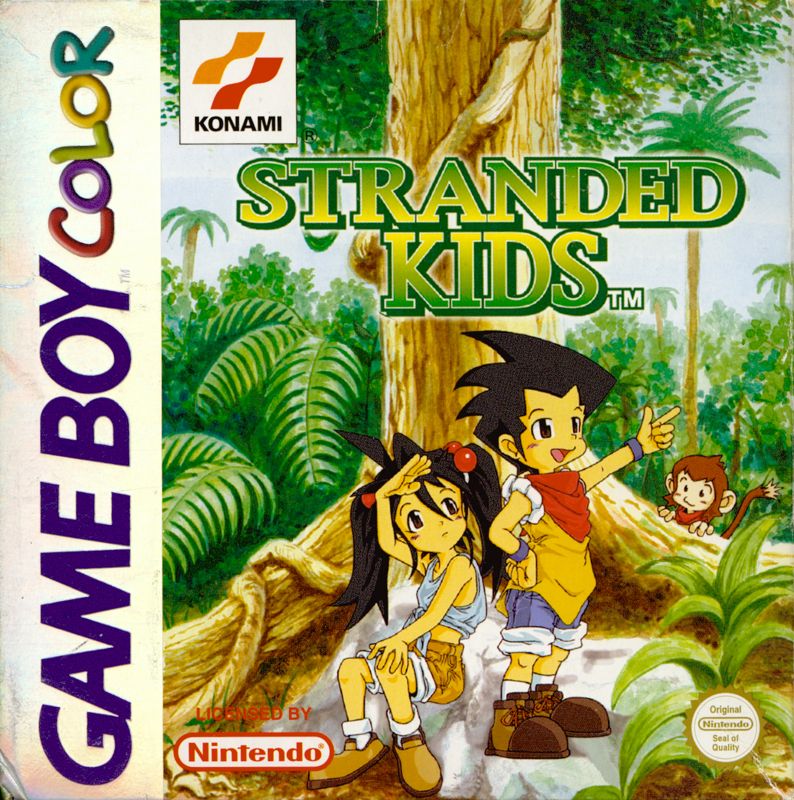
Survival Kids begins with a shipwreck and asks a child to make a life on an isolated island. Food, tools, and exploration all matter.
The island gradually becomes legible as you test resources and routes. Decisions about what to carry can be more urgent than an enemy encounter.
This is a collector’s discovery for anyone interested in early survival systems. Its quiet premise feels surprisingly modern when played today.
Wario Land 3
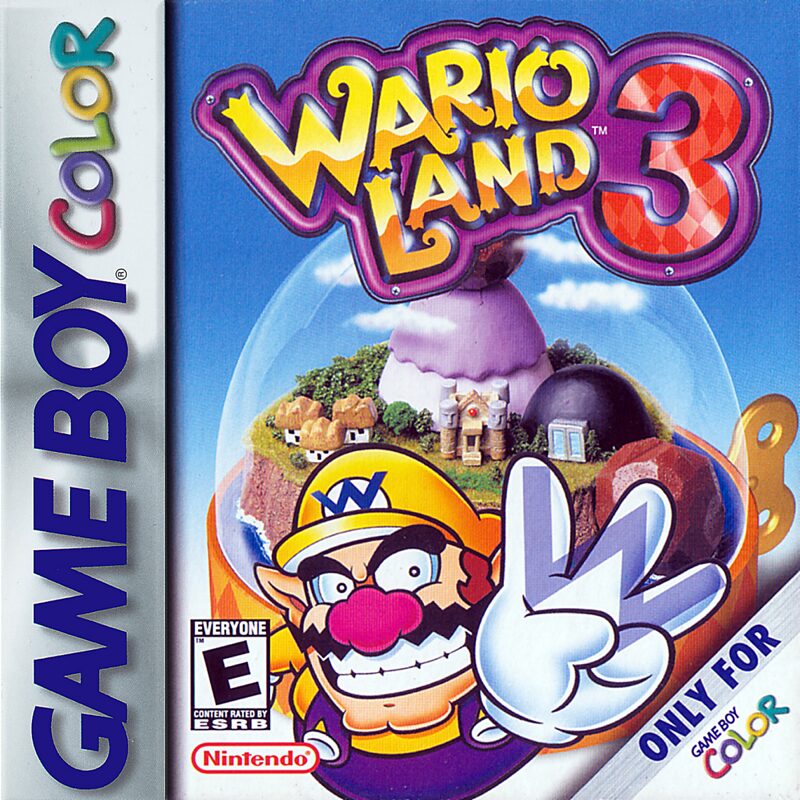
Wario Land 3 traps its hero inside a music box world packed with treasure and blocked paths. Progress depends on revisiting stages with new abilities.
Wario’s inability to die turns hazards into tools. Getting flattened or set alight may reveal a route that careful play would miss.
Collectors can see Nintendo stretching the platform genre here. It is as much a puzzle box as an action game, and rewards patient completion.

Warlocked

Warlocked makes base building and unit commands work on Game Boy Color. Human and Beast campaigns give its tiny battlefields a surprisingly large conflict.
Gathering resources, choosing structures, and moving troops demand quick decisions through a compact interface. The ambition is unmistakable even when the screen feels crowded.
It deserves attention as an unlikely handheld strategy experiment. A physical copy shows how developers challenged assumptions about what this system could host.

Yu-Gi-Oh!: Dark Duel Stories

Yu-Gi-Oh!: Dark Duel Stories turns anime rivalries into a portable card campaign. Building a deck gives each duel a personal plan.
Its rules are distinct from later versions of the trading card game, so learning its logic is part of the experience. Strong draws still feel dramatic.
For collectors, it reflects the franchise’s early handheld boom. The game is most interesting as a snapshot of Yu-Gi-Oh! finding its digital form.

PlayStation 2
The PS2 library stretches from huge mainstream hits to cult curiosities. That breadth makes its shelves especially interesting: familiar logos sit beside games that took years to find their audience.
Clock Tower 3
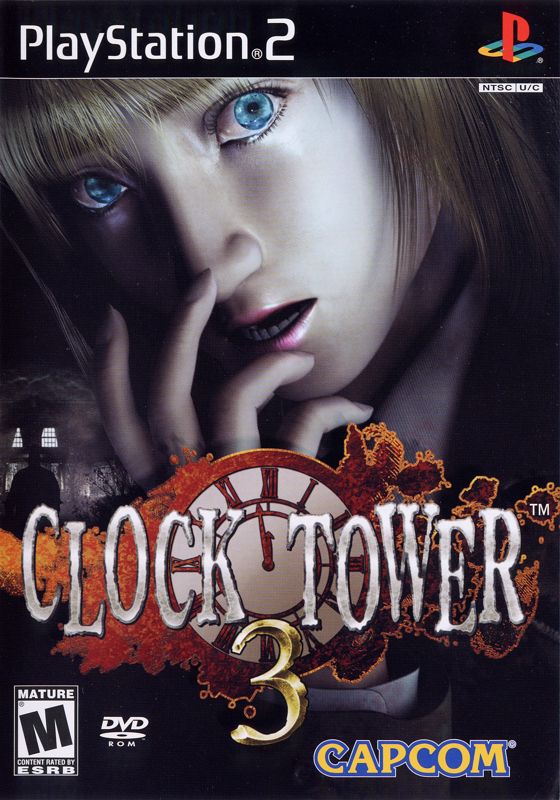
Clock Tower 3 sends Alyssa Hamilton through haunted episodes where killers seem to be everywhere. Flight, hiding, and panic matter more than weapons.
The theatrical direction makes each pursuit feel like a horror film in motion. Solving a puzzle while danger approaches becomes the real test.
Collectors of PS2 horror should know its striking style and unusual structure. It is a bold later chapter for a series built on vulnerability.
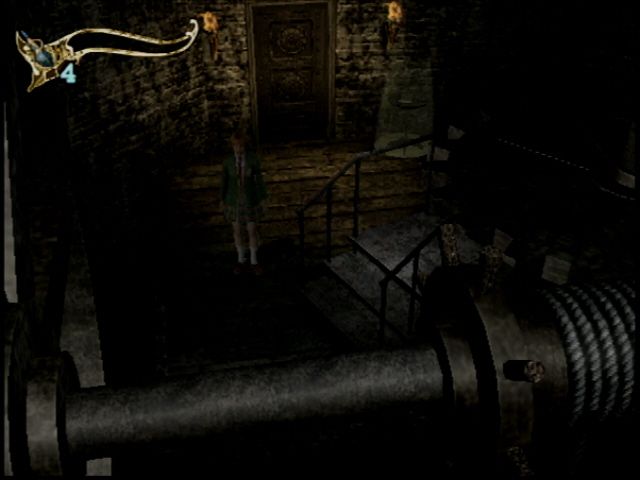
Fatal Frame

Fatal Frame gives Miku Hinasaki a camera as her defense against ghosts. To survive, she must face the thing she fears and wait for the right shot.
The mansion’s silence and ritual history make every corridor uneasy. Combat and looking are the same action, a brilliant source of tension.
For collectors, the original PS2 edition marks the beginning of a distinctive horror series. Its physical copy holds an idea that still feels fresh.

Futurama

Futurama turns the animated show’s crew into a 3D platform adventure. Familiar voices and visual jokes carry the group through a chaotic science-fiction plot.
Different characters change the action’s rhythm. The game can be rough, but its original performances give fans more than a generic licensed shell.
A complete copy is a TV-game curiosity with genuine series personality. It is especially meaningful to collectors of the show’s physical media.

God Hand

God Hand follows Gene into absurdly difficult hand-to-hand fights. Its camera stays close enough to make every dodge and counter feel personal.
Players build attack strings and adjust difficulty through performance. Mastery comes from reading an enemy, not merely finding a stronger weapon.
Collectors should know it as a singular late PS2 action game. Its humor and demanding combat make the disc far more interesting than its reputation alone.
Half-Life

Half-Life brings Gordon Freeman’s Black Mesa disaster to PlayStation 2. The campaign still moves through experiments, military pressure, and increasingly strange corridors.
The console edition reshapes controls and presentation for a television. Its cooperative Decay campaign gives this release a feature with its own identity.
For collectors, the PS2 disc is a useful version study of a PC landmark. It shows how an influential shooter crossed hardware boundaries.

Haunting Ground
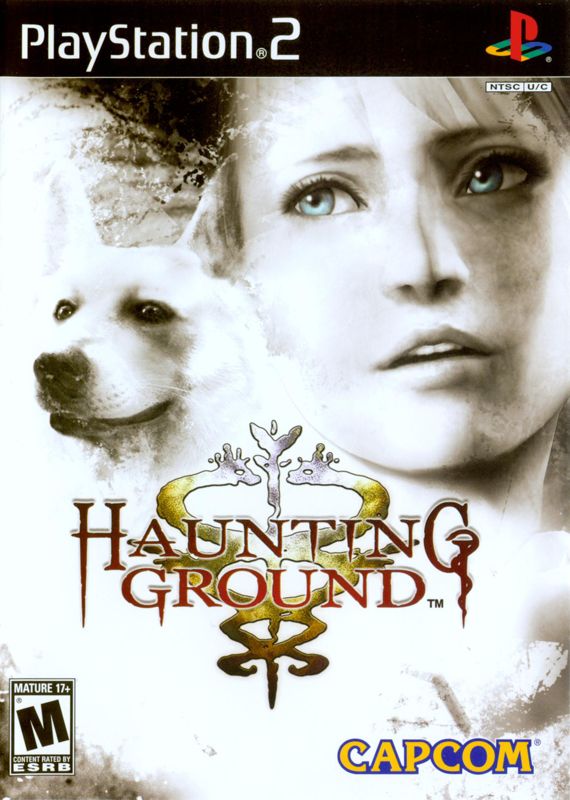
Haunting Ground leaves Fiona Belli in a castle where hiding and running are often her best options. Her dog Hewie can help her survive.
Trust between Fiona and Hewie grows through repeated commands and care. Pursuers make every puzzle feel urgent, even in quiet rooms.
For collectors of character-driven horror, this disc is a standout. Its canine partnership gives the fear a relationship at its center.
Kuon

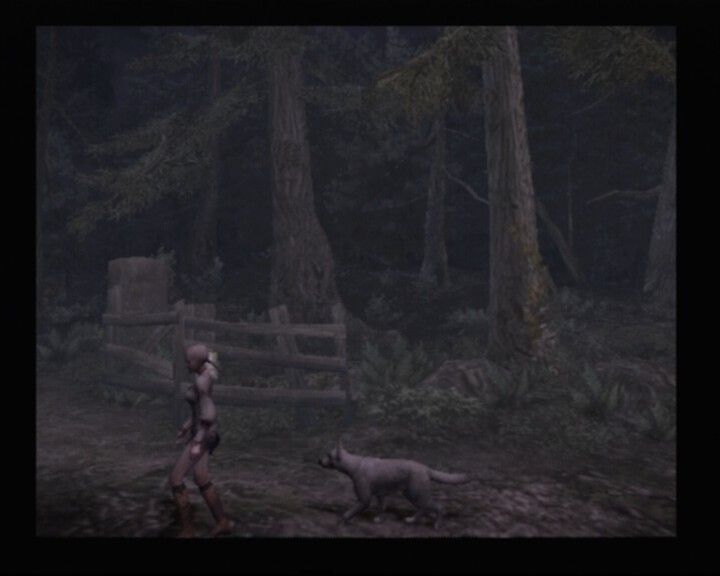
Kuon sets its horror within a Heian-era mansion shaped by ritual and supernatural dread. Several perspectives reveal pieces of the same mystery.
Slow movement and limited resources encourage caution. Its period setting gives familiar haunted-house tension a very different visual language.
Collectors should know it for that rare historical atmosphere. The physical edition is a distinctive PS2 horror artifact beyond modern urban nightmares.

Manhunt
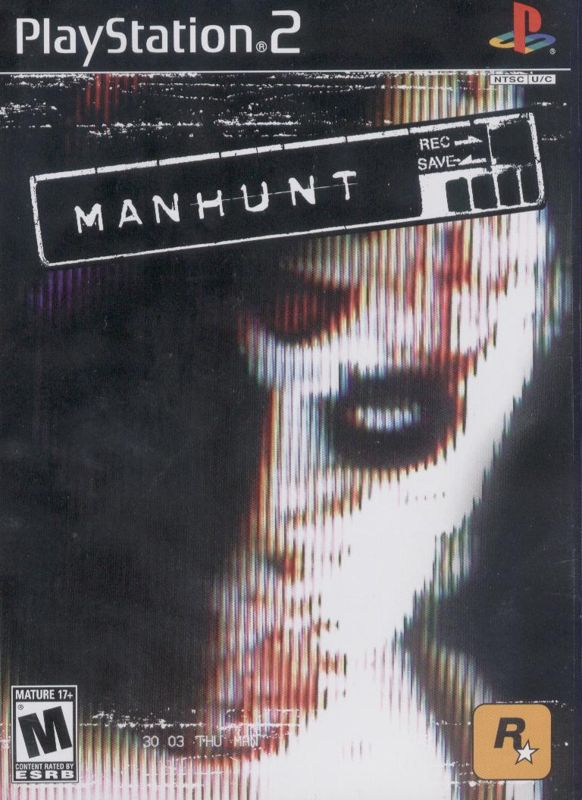
Manhunt traps James Earl Cash inside a series of violent hunts staged for an unseen audience. Staying hidden is often the only way forward.
Sound, shadows, and patrol routes make stealth feel oppressive. The game’s brutality is inseparable from its critique of spectatorship.
For collectors, it documents a provocative moment in PS2-era design and debate. Its physical release carries cultural history as well as a difficult game.

Resident Evil: Dead Aim

Resident Evil: Dead Aim mixes third-person exploration with first-person aiming on a contaminated ship. Bruce McGivern investigates while danger closes in.
The perspective shift changes how a familiar zombie encounter feels. Light-gun support gives the original hardware experience another dimension.
Collectors of Resident Evil side stories should know this odd hybrid. Its PS2 edition shows Capcom testing how action and horror could share a controller.
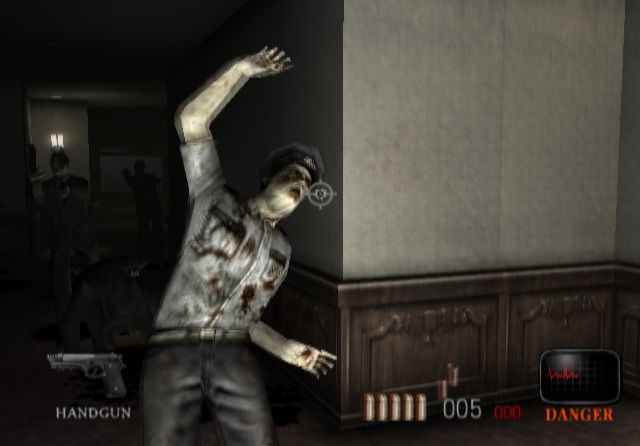
Resident Evil: Outbreak – File #2
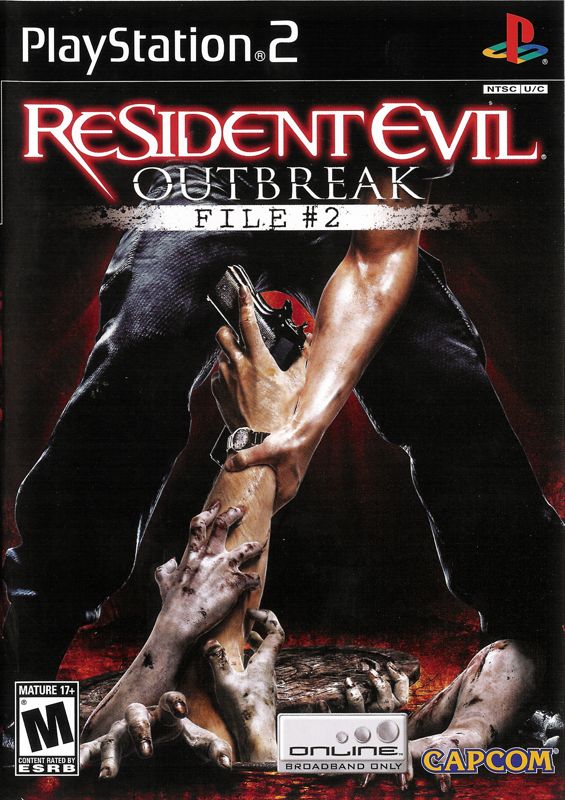
Resident Evil: Outbreak – File #2 returns to Raccoon City through ordinary survivors. Its scenarios turn cooperation into a scarce resource.
Different characters bring practical strengths, while infection and limited supplies keep a group under pressure. The online design was unusually forward-looking.
For collectors, the disc preserves a multiplayer branch of Resident Evil that had a distinct life on PS2. Its physical edition is a period artifact.
Rule of Rose

Rule of Rose follows Jennifer through a cruel storybook nightmare shaped by childhood hierarchies. Exploration is more important than confident combat.
Brown the dog helps search for clues, giving the journey a fragile bond amid its harsh imagery. The story invites careful interpretation.
Collectors should know it for its unsettling themes and unusual narrative voice. The physical disc is a serious, divisive piece of PS2 horror history.

Scarface: The World Is Yours

Scarface: The World Is Yours imagines Tony Montana surviving the film’s ending and rebuilding power in Miami. The city becomes a business and action playground.
Territory, money, and reputation give shootouts a larger purpose. Its alternate story is more than a simple replay of movie scenes.
For collectors, this is a licensed game confident enough to rewrite its source. The PS2 edition captures a bold open-world adaptation.
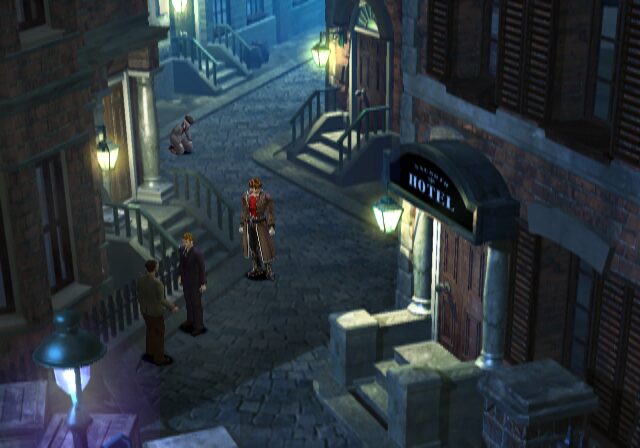
Shadow Hearts
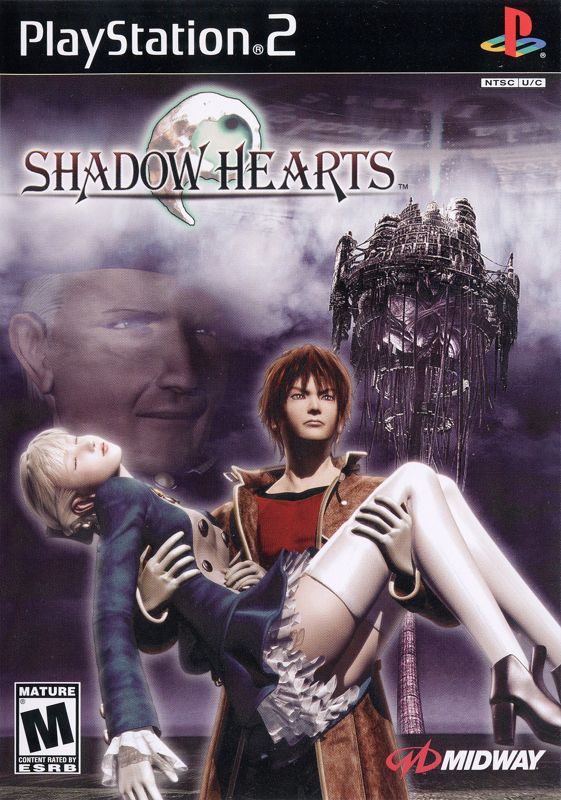
Shadow Hearts follows Yuri and Alice through a supernatural version of the early twentieth century. Historical places and occult threats give the RPG a rare mood.
The Judgment Ring turns each command into a timing test. Battles demand attention even when a menu choice seems obvious.
A complete copy is a strong collectible for RPG fans seeking a different tone. Its blend of dark humor and period fantasy is hard to replace.
Shadow Hearts: Covenant
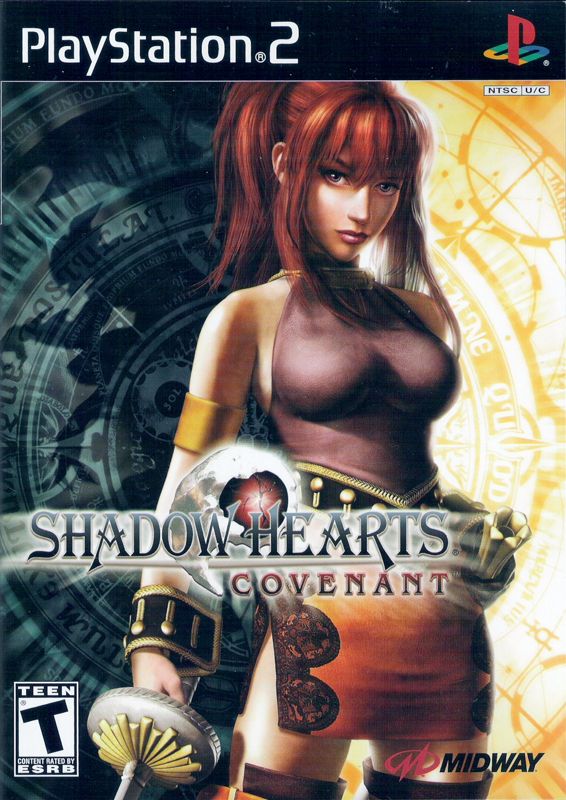
Shadow Hearts: Covenant expands Yuri’s story across a Europe at war. Its cast moves between tragedy and absurd comedy without losing its heart.
The Judgment Ring grows more flexible, and a wider party gives battles fresh strategies. Its long journey rewards investment in every character.
Collectors should know it as a sequel that deepened an unusual world. The physical edition stands among the PS2’s most distinctive RPGs.
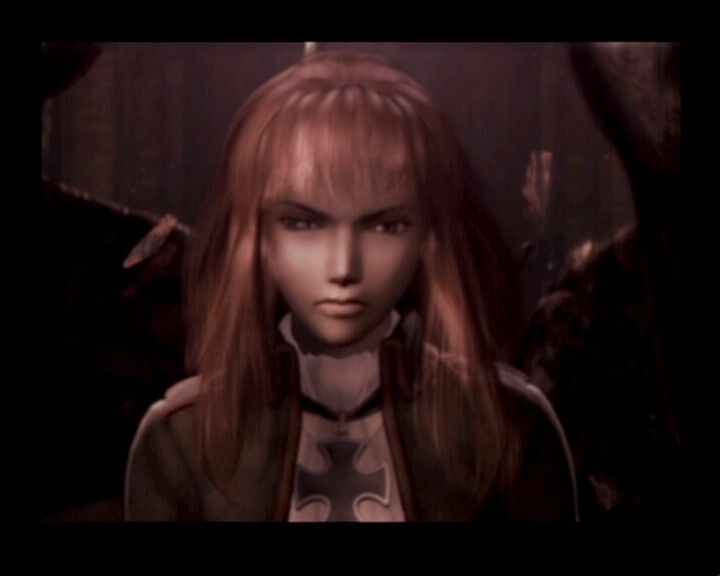
Shin Megami Tensei: Persona 3 FES
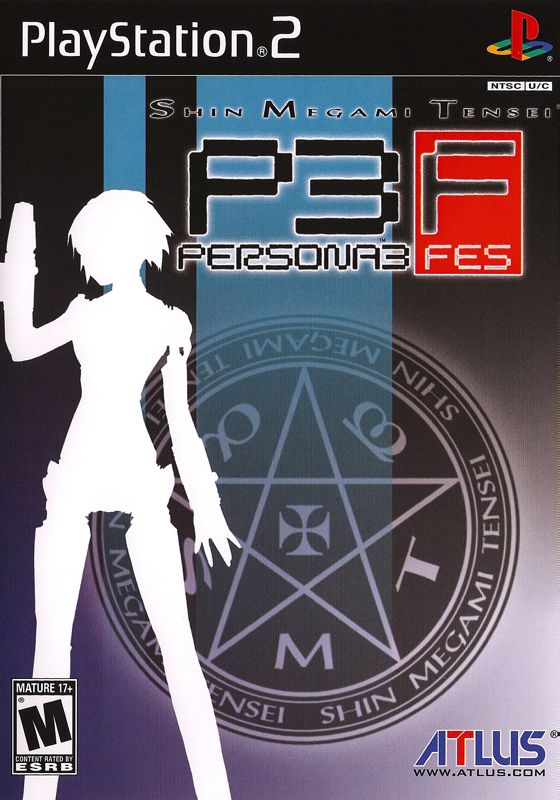
Persona 3 FES ties school life to a hidden hour of dangerous tower exploration. Friendships and daily choices shape the strength of a battle party.
The FES edition adds material, including The Answer, that changes how the original story can be revisited. Its calendar gives each choice a cost.
For collectors, this specific PS2 release matters because edition differences are part of Persona’s history. The disc preserves a turning point for the series.
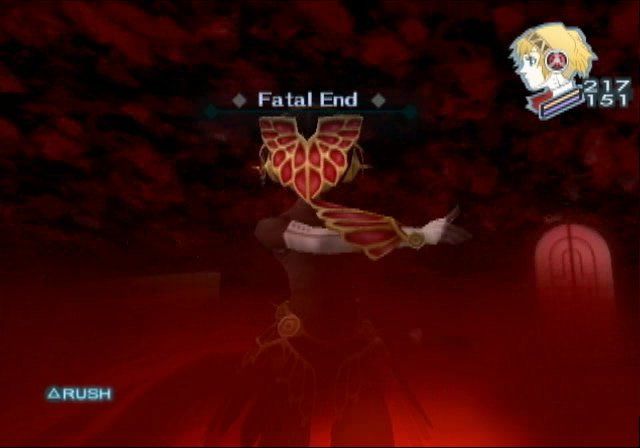
Silent Hill 2

Silent Hill 2 follows James Sunderland after a letter from his dead wife draws him into a fogbound town. Its monsters reflect fears more personal than invasion.
Exploring apartments, streets, and a hospital slowly changes what the journey seems to mean. Akira Yamaoka’s sound makes silence feel unsafe.
A physical copy is central to psychological-horror collecting. The original PS2 presentation remains deeply tied to its unsettling effect.

Silent Hill 4: The Room

Silent Hill 4: The Room locks Henry inside his apartment, then opens holes into hostile worlds. Home begins as refuge and gradually loses that role.
The shift between apartment and otherworld creates a different kind of dread from the earlier games. Returning to a familiar door can feel dangerous.
Collectors should know it as a major series experiment. Its physical edition records Silent Hill trying to remake its own rules.
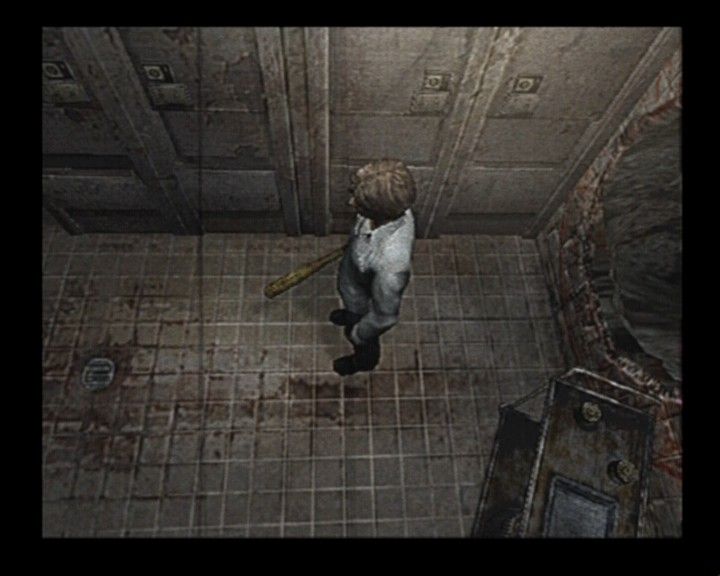
Suikoden V
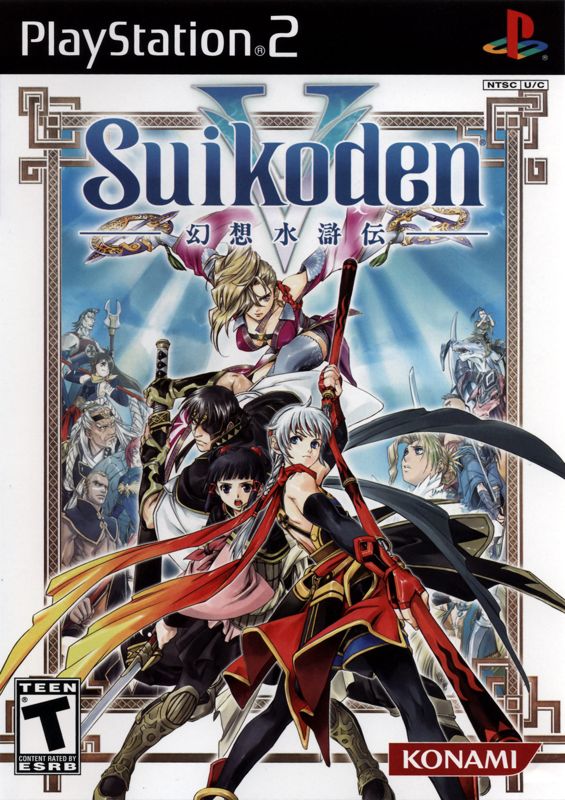
Suikoden V places a prince inside the political struggles of Falena. Family loyalties and court intrigue grow into a wider conflict.
Recruiting allies fills a headquarters and changes the sense of what the rebellion can become. Its large cast rewards attention.
For collectors, it is a substantial later Suikoden journey. The PS2 disc shows the series’ enduring talent for making politics personal.
The Punisher

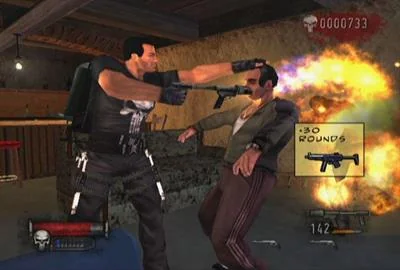
The Punisher puts Frank Castle into a grim comic-book campaign of gunfights and interrogations. Its violence is direct and intentionally uncomfortable.
The game draws recognizable Marvel figures into a fast third-person shooter. Its distinctive interrogation sequences make it unlike many licensed action games.
Collectors should know the PS2 release for its strong character voice and controversial edge. It is a specific artifact of mid-2000s comic adaptations.
The Warriors
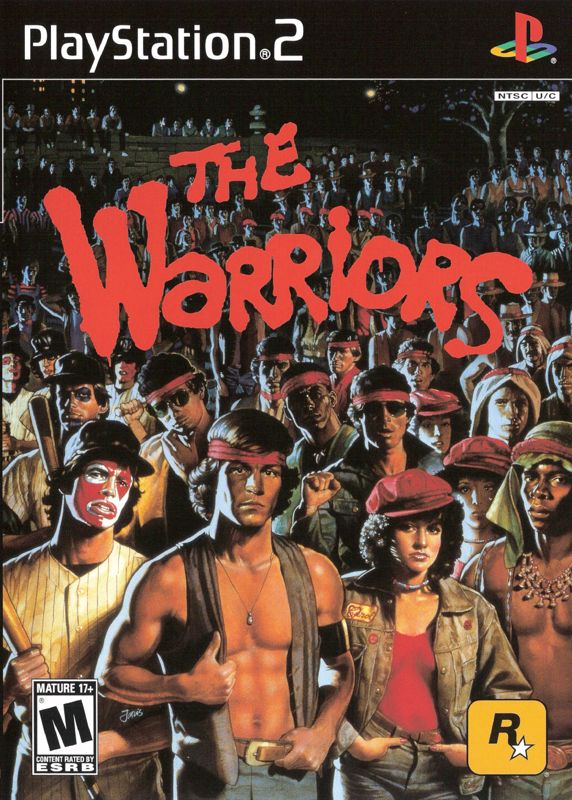
The Warriors follows a New York gang long before the film’s famous night. Street fights and turf missions build the crew’s reputation.
Cooperative brawling gives the city a social energy. The original cast’s involvement helps the game feel connected to its source without just copying it.
For collectors, this is a licensed prequel with surprising depth. The physical edition preserves a rare game that expands a film’s world convincingly.
Game Boy Advance
The GBA carried precise 2D design into a new decade. Its compact cartridges hold ambitious sequels, fresh series, and games whose art still reads beautifully on a handheld screen.
Advance Wars

Advance Wars turns small, colorful units into a demanding strategy contest. Capturing cities, controlling roads, and choosing the right attack order matter more than flashy effects.
Commanding officers change the pace of battle with distinct abilities. Its clear grid makes even a complicated turn readable on a handheld screen.
A complete copy is a landmark of portable strategy. It shows that a game could be accessible at first glance and endlessly absorbing after many campaigns.

Castlevania: Aria of Sorrow

Castlevania: Aria of Sorrow follows Soma Cruz through a castle full of monsters and hidden routes. Defeated enemies may grant souls that alter his abilities.
The soul system turns combat into discovery. A new power can transform a familiar corridor or suggest an entirely different way to fight.
For collectors, it marks a confident late GBA entry in Castlevania’s exploratory era. Its systems give the cartridge remarkable replay value.

Castlevania: Circle of the Moon
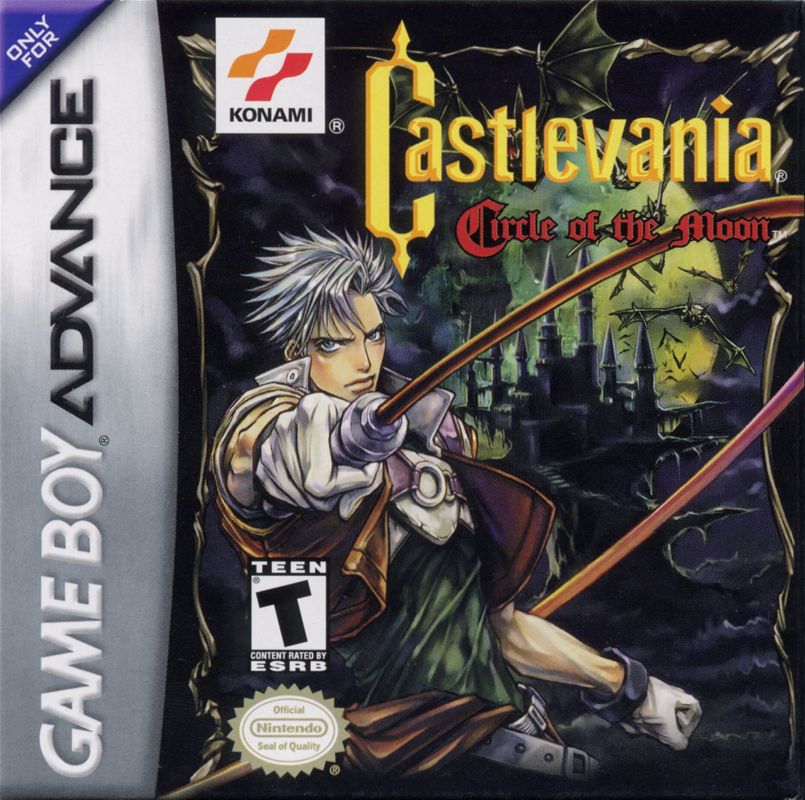
Castlevania: Circle of the Moon places Nathan Graves inside a sprawling castle where every early enemy feels dangerous. His whip anchors a demanding exploration game.
Cards combine to create effects, but collecting and testing them requires patience. The castle gradually becomes navigable as movement abilities unlock.
As an early GBA release, it shows the ambition developers brought to the new handheld. Its darker visual tone is part of that first-wave identity.
Castlevania: Double Pack
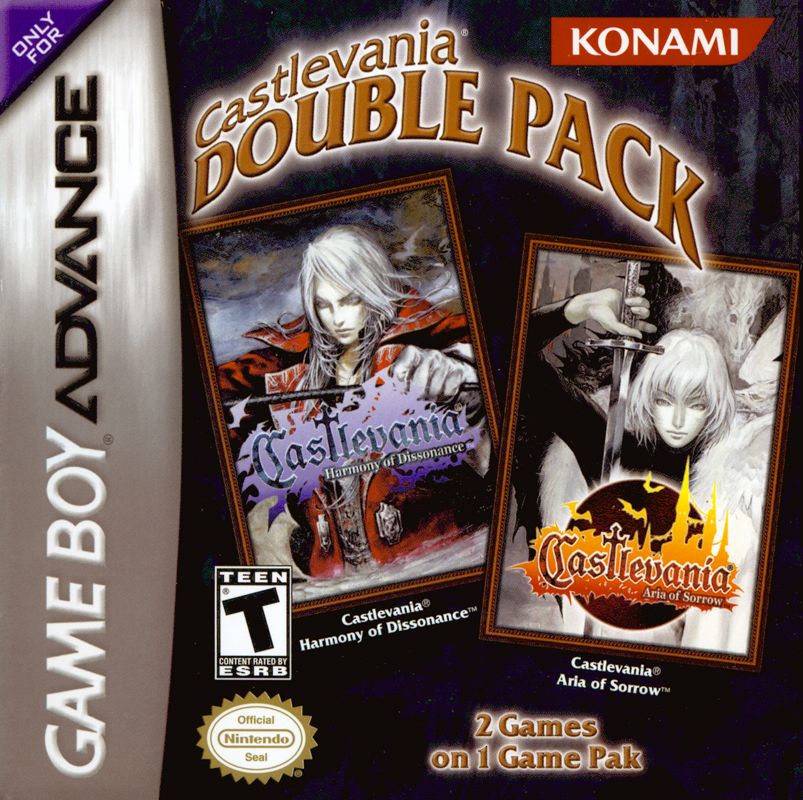
Castlevania: Double Pack puts Harmony of Dissonance and Aria of Sorrow on one cartridge. It offers two distinct approaches to handheld castle exploration.
Moving between Juste’s bright, layered adventure and Soma’s soul-collecting journey makes the series’ rapid development easy to see.
For collectors, this release is a useful physical comparison piece. It preserves two substantial games while reminding us that compilations have their own histories.
Castlevania: Harmony of Dissonance
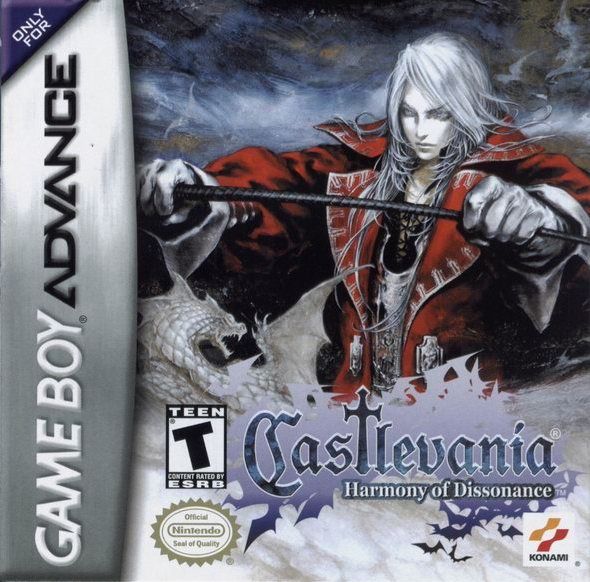
Castlevania: Harmony of Dissonance follows Juste Belmont through a castle that never seems to stay settled. His movement is quick, and its rooms invite repeated visits.
The spell-book combinations give a familiar whip new possibilities. Exploring the castle’s two states makes navigation part of the mystery.
Its colorful presentation distinguishes it from the other GBA Castlevanias. A physical copy helps tell the story of three related but different handheld experiments.
Dragon Ball: Advanced Adventure

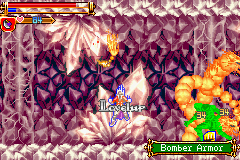
Dragon Ball: Advanced Adventure revisits young Goku’s earliest journeys in a brisk side-scrolling brawler. Familiar rivals and locations keep the action playful.
The movement and combat feel built around the character rather than merely decorated with a license. Short stages suit a handheld session.
For anime-game collectors, it is a welcome reminder that adaptations can work as games first. Its cheerful early-series setting gives it extra personality.

Drill Dozer

Drill Dozer gives Jill a machine whose spinning drill is the answer to almost every obstacle. Gears, walls, and enemies turn each stage into a mechanical puzzle.
The rumble cartridge makes drilling feel physical. Shifting gear speed adds a rhythm that no ordinary attack button could reproduce.
A complete copy is especially interesting because the hardware is part of the design. It is one of the GBA’s boldest original action games.

Final Fantasy Tactics Advance

Final Fantasy Tactics Advance builds battles around jobs, positioning, and laws that can change what actions are allowed. Its youthful cast enters a world shaped by wishes.
Planning a turn means reading both the map and the current rule set. New jobs invite experiments with skills across a growing roster.
Collectors of tactical RPGs should know how distinct this is from its PlayStation predecessor. The GBA version has its own tone and deep systems.
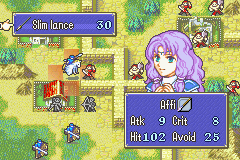
Fire Emblem

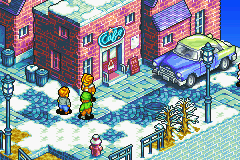
Fire Emblem makes every move matter because fallen characters do not return. Its campaign mixes tactical battles with a cast whose small conversations become important.
Weapon advantages and terrain reward careful planning. The game teaches its systems gradually, then asks players to protect the people they have come to know.
This cartridge helped introduce the series to many Western players. A complete copy records a major turning point for portable strategy RPGs.
Golden Sun

Golden Sun sends Isaac and friends across a world of elemental magic and ancient secrets. Its bright environments make a long RPG feel unusually vivid on GBA.
Djinn change battle options and puzzle-solving abilities. Finding one can matter as much as winning the next fight.
The game’s physical edition represents the handheld at its most ambitious. Music, combat, and environmental puzzles make it more than a miniature console RPG.

Golden Sun: The Lost Age
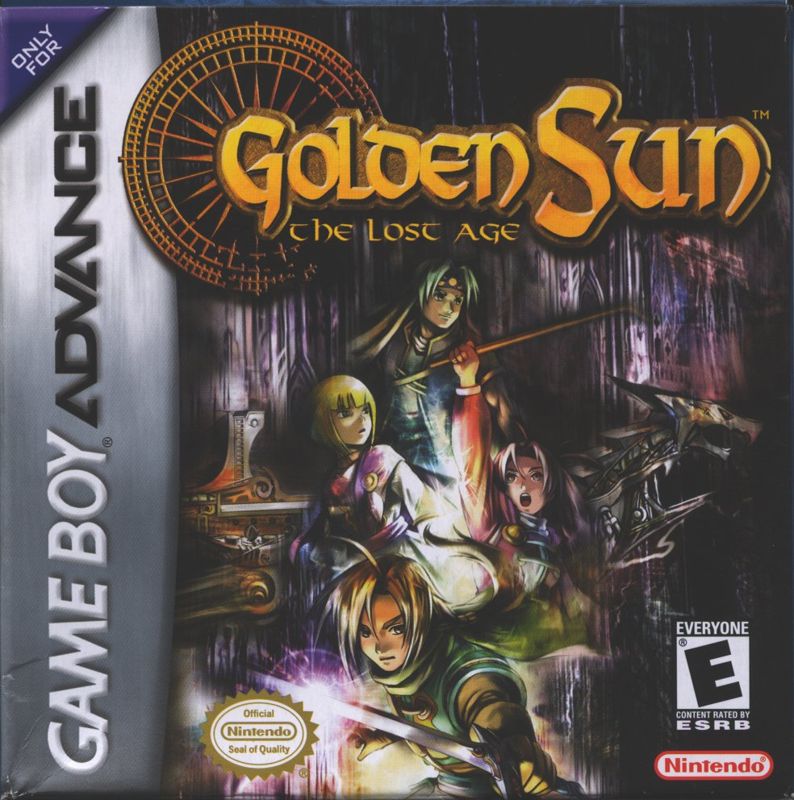
Golden Sun: The Lost Age continues the quest from a new perspective and opens a broader world. Its party and puzzles deepen the first game’s ideas.
Djinn and class combinations keep combat flexible, while sprawling dungeons reward observation. The adventure asks players to remember the world they already explored.
For collectors, the two Golden Sun cartridges work best as companions. This sequel turns a strong beginning into a larger journey.
Kingdom Hearts: Chain of Memories
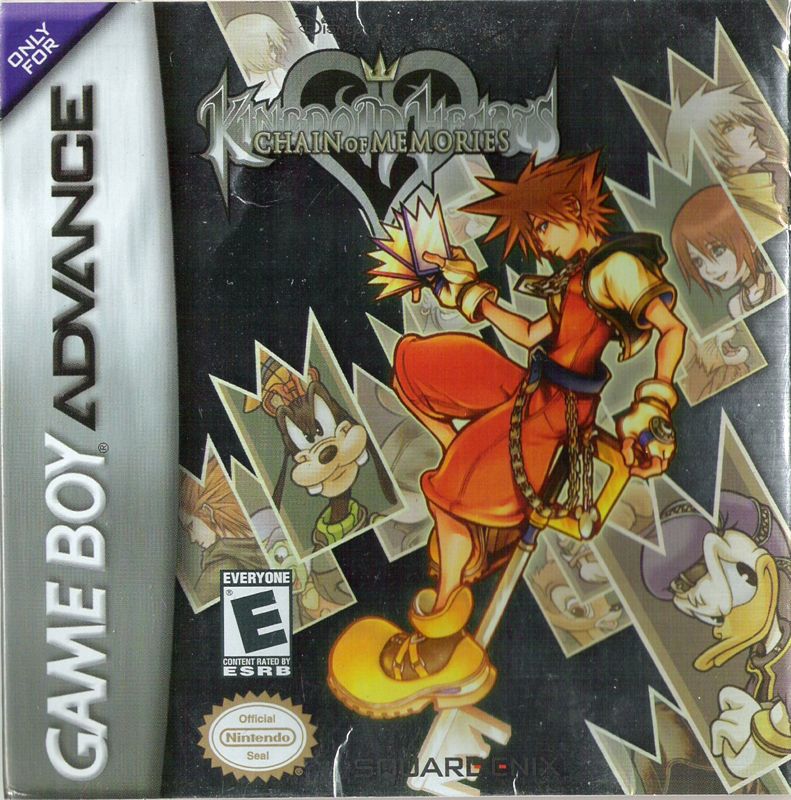
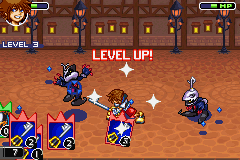
Kingdom Hearts: Chain of Memories makes cards the language of combat in Castle Oblivion. Sora’s memories become less certain as the rooms keep changing.
Building a deck is as important as reacting in a fight. The system can surprise players expecting a direct action-game sequel.
Its GBA edition is a distinctive chapter in a sprawling series. A physical copy preserves the original handheld form of its unusual story and battles.
Mario vs. Donkey Kong
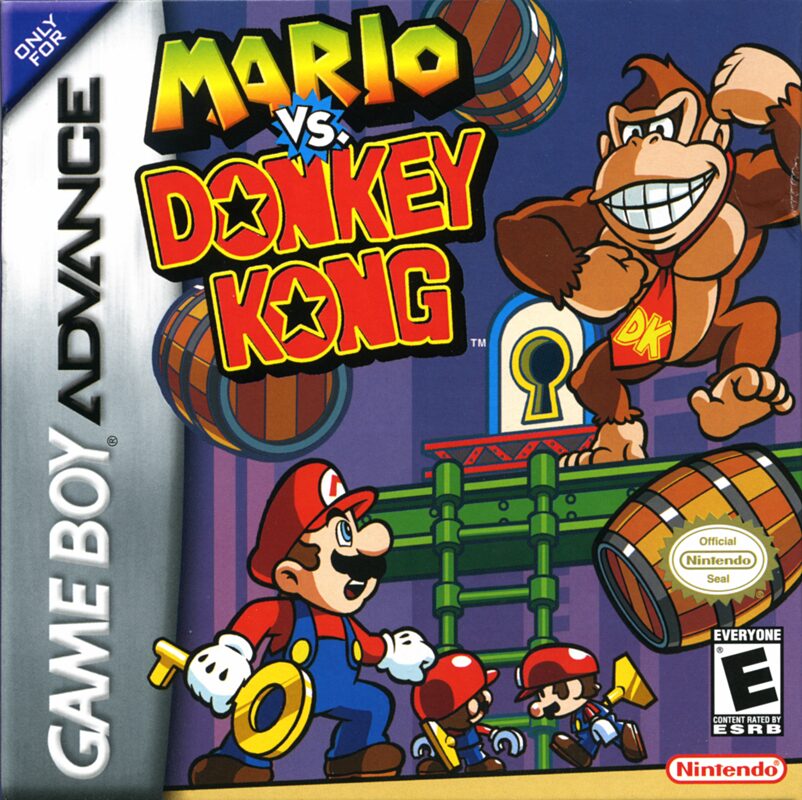
Mario vs. Donkey Kong mixes short platform challenges with key-and-door puzzles. Mario climbs, flips, and carries objects through compact toy-box stages.
The best levels make a simple route look impossible until one movement trick clicks. Mini-Mario stages add another layer of timing.
Collectors can see a line from the Game Boy Donkey Kong to Nintendo’s later puzzle series. Its cartridge is full of small, smart ideas.

Metal Slug Advance
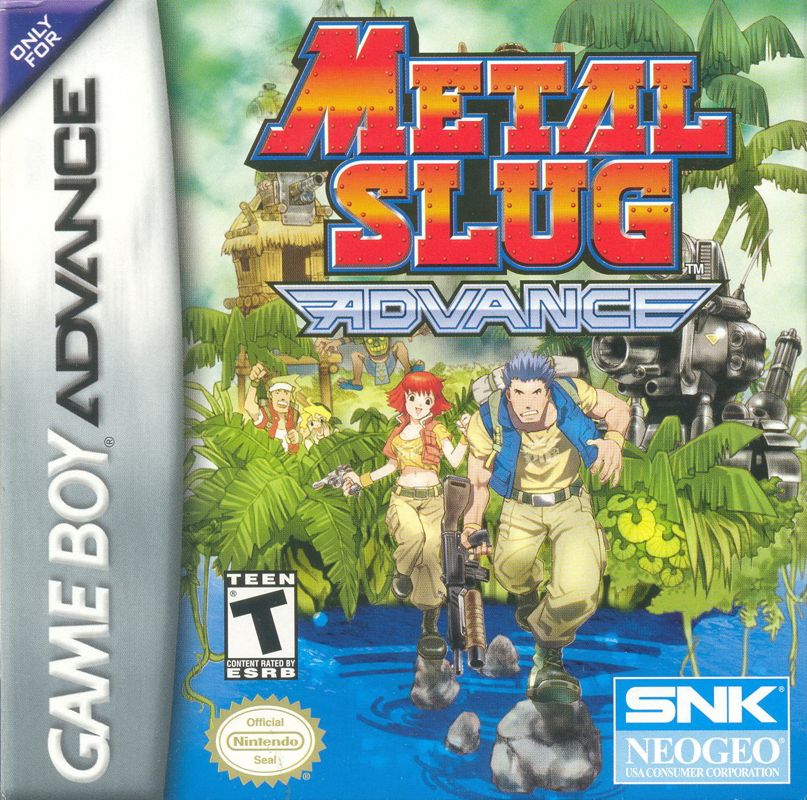
Metal Slug Advance compresses the series’ expressive sprites and chaotic shooting into portable missions. A new cast fights through enemy territory with familiar comic energy.
The card system gives players reasons to explore and replay stages. The action remains demanding even when the screen is crowded with jokes and explosions.
For arcade collectors, it is a rare handheld interpretation with its own mechanics. The GBA cart shows how the series adapted beyond coin-op machines.
Metroid Fusion
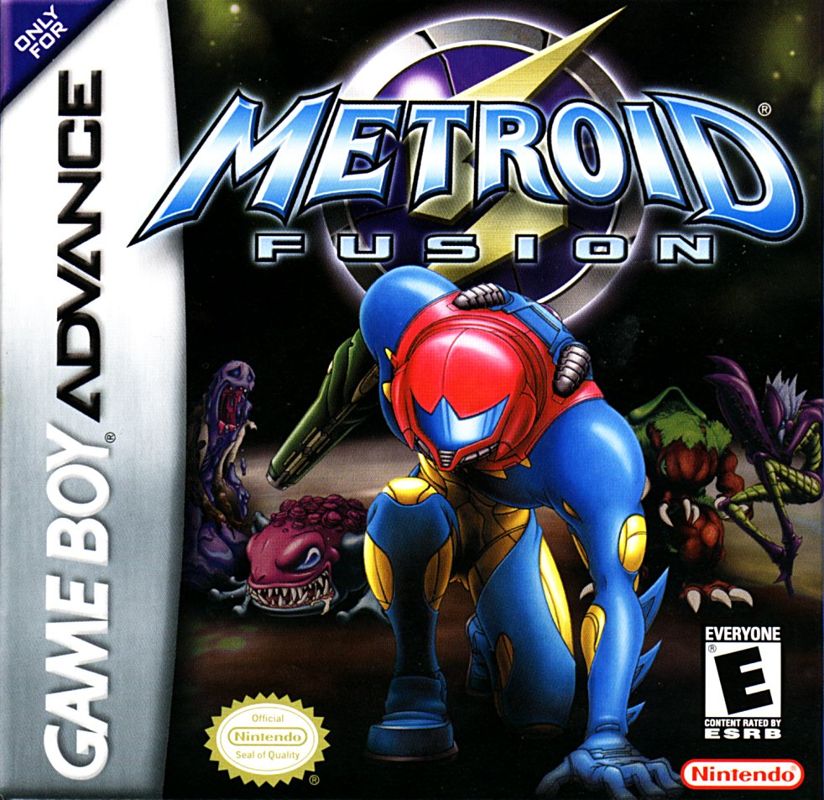
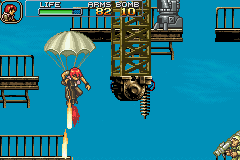
Metroid Fusion puts Samus on a research station where every sector hides a new threat. Its directed route creates tension rather than removing exploration.
The SA-X’s appearances make a familiar hero feel vulnerable. New abilities gradually change which sealed areas can be crossed.
This cartridge is essential to Metroid’s physical timeline. Its brisk pacing and unnerving atmosphere give the GBA a science-fiction classic of its own.
Pokémon LeafGreen Version

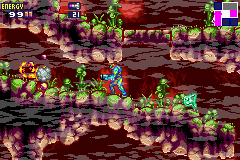
Pokémon LeafGreen revisits Kanto with updated systems and a fuller handheld presentation. Familiar routes feel fresh when a new team changes every encounter.
Trading and battling still make the adventure social. The physical cartridge carries save data that can reflect years of individual choices.
Collectors prize the way a complete copy preserves an entire era of Pokémon packaging and connectivity. It is both a remake and a personal record.

Sonic Advance
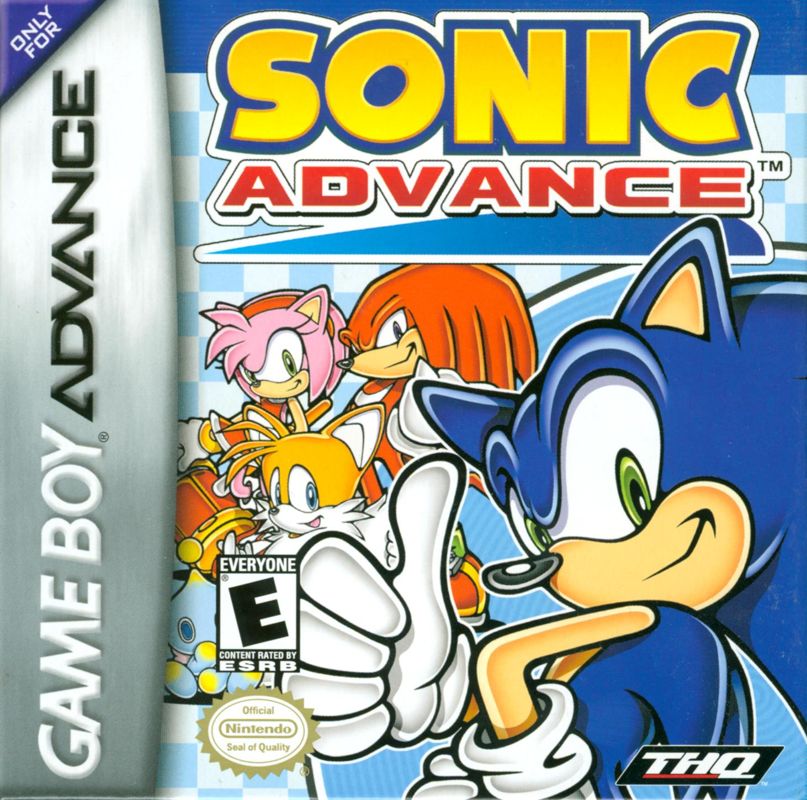
Sonic Advance brings the hedgehog’s momentum to a bright handheld platform game. Multiple characters give familiar loops and hazards different speeds and routes.
The small screen asks for quick reactions, but its best stages reward learning where to jump and when to keep running.
For collectors, it marks Sonic’s arrival on Nintendo hardware in a distinct 2D form. The cartridge feels like a new branch rather than a simple port.

Sonic Advance 2

Sonic Advance 2 leans harder into speed, sending its cast through stages that reward flowing movement. Maintaining a run becomes the central challenge.
Boost-like momentum and character differences make repeated attempts feel purposeful. The difficulty rises when a level asks for precision amid that velocity.
The sequel is a useful collectible for comparing how quickly the GBA Sonic formula evolved. Its pace gives it a personality separate from the first game.

Sonic Advance 3

Sonic Advance 3 lets players pair characters, changing movement and attacks across its stages. That team idea gives the series’ speed a new tactical layer.
Exploring hubs and finding routes encourage more than a straight sprint to the goal. Partner choices can make an old stage feel different.
For collectors, it completes a compact GBA trilogy with a clear design progression. The team mechanic makes its physical edition worth distinguishing.

Sonic Battle

Sonic Battle moves the cast into arena fights where positioning and special abilities matter. Its story gives the combat a surprisingly personal center.
Each character brings a different rhythm, and short matches suit portable play. Experimenting with moves becomes the main reason to return.
It is a curious collectible because it shows Sonic outside platforming without losing the series’ energy. The cartridge occupies a distinct corner of the franchise.

Super Mario Advance

Super Mario Advance revisits the vegetable-throwing world of Super Mario Bros. 2 with updated visuals and sound. Its four heroes still move differently.
Choosing a character changes how a stage feels, especially when a long jump or quick lift solves a stubborn obstacle.
The game helped define Nintendo’s early GBA remake strategy. A complete copy shows how a classic was packaged for a new portable generation.

Sword of Mana
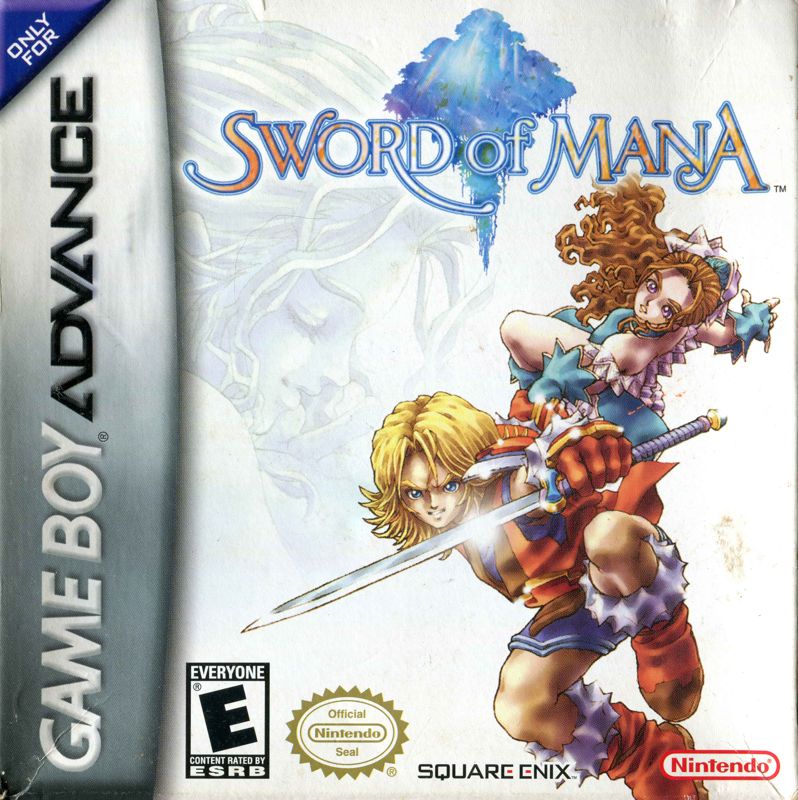
Sword of Mana rebuilds an early Mana adventure with a richer world and two viewpoints. Its action combat and travel keep the quest moving.
Character choices and weapon types shape how players explore. The story’s gentle fantasy tone contrasts with moments of real loss.
Collectors interested in remakes should know this one for its willingness to reinterpret, not merely redraw. The GBA edition has a distinct identity.
Wario Land 4

Wario Land 4 sends Wario through stages built around treasure hunts and frantic escapes. Finding a switch reverses the mood: suddenly the exit is the only goal.
Each level has strange transformations and hidden routes. Its bold animation makes Wario’s greed and discomfort part of the joke.
This is a standout GBA collectible because play and personality are inseparable. Few platform games make getting into trouble so entertaining.

Yoshi Topsy-Turvy

Yoshi Topsy-Turvy asks players to tilt the world itself. Rotating the handheld changes gravity, moves objects, and turns a simple route into a physical puzzle.
The motion sensor is the point of the cartridge. Its stages are built around an input that cannot be fully understood from a screenshot.
For collectors, the unusual hardware gives the game special interest even if its design divides opinion. It is an artifact of Nintendo’s experimental handheld years.

GameCube
GameCube collecting captures Nintendo at its most playful and experimental. Its small discs house bold first-party ideas, distinctive third-party releases, and plenty of games that feel different from their peers.
Animal Crossing
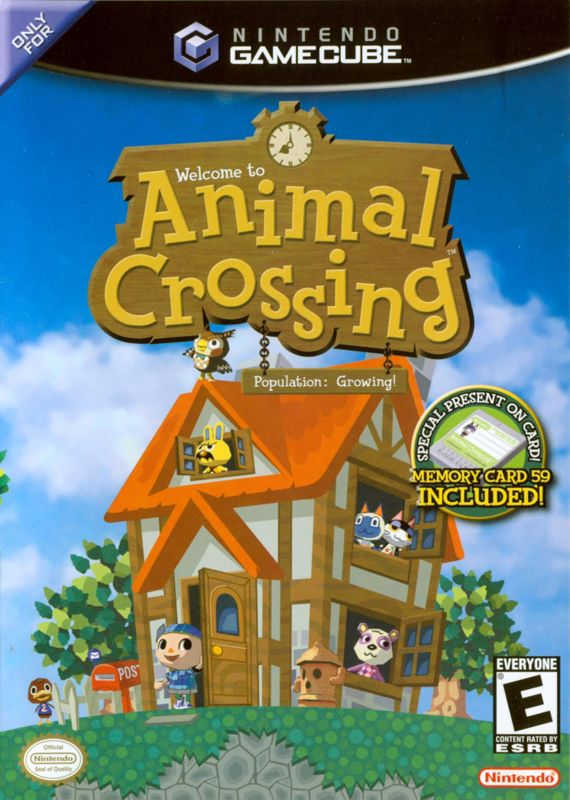
Animal Crossing gives players a village, a house, and neighbors who follow a real-world clock. Paying a debt is only one reason to return.
Fishing, letters, holidays, and chance conversations make routine the heart of the game. The memory card becomes a record of ordinary days.
For collectors, the original GameCube edition is a physical snapshot of a social phenomenon. Its included memory card, where present, is part of the story.
Billy Hatcher and the Giant Egg
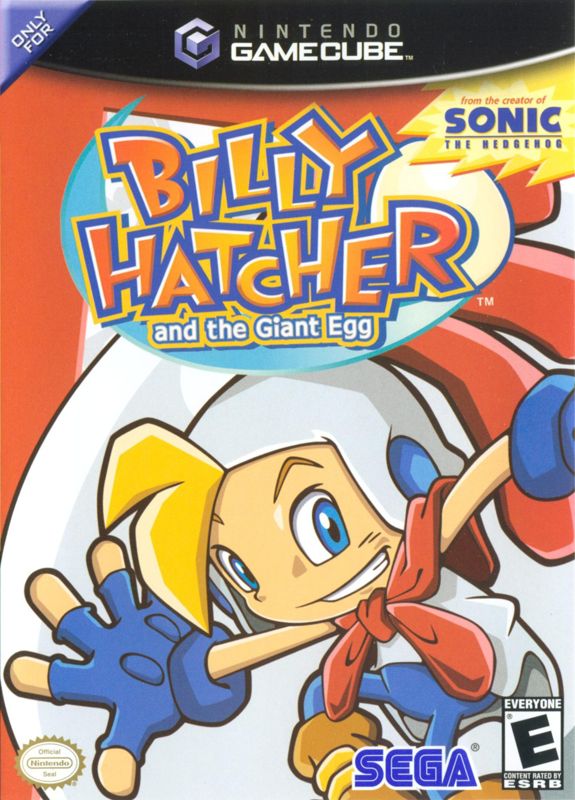
Billy Hatcher and the Giant Egg turns rolling and hatching eggs into a colorful platform adventure. Billy’s chicken suit makes the unusual idea immediately visible.
Egg size and momentum change how hazards are crossed and enemies defeated. The game keeps finding playful uses for its central object.
Collectors of Sega’s post-Dreamcast experiments should know Billy. Its physical edition preserves an original mascot and a singular movement system.

Custom Robo

Custom Robo builds battles around small fighting machines assembled from interchangeable parts. The arena becomes a test of both reflexes and preparation.
Changing a gun or body type can solve a rival who once seemed impossible. The story gives a framework for constant tinkering.
For collectors, the GameCube release represents the series’ first major Western exposure. Its appeal is the pleasure of making a robot your own.
F-Zero GX
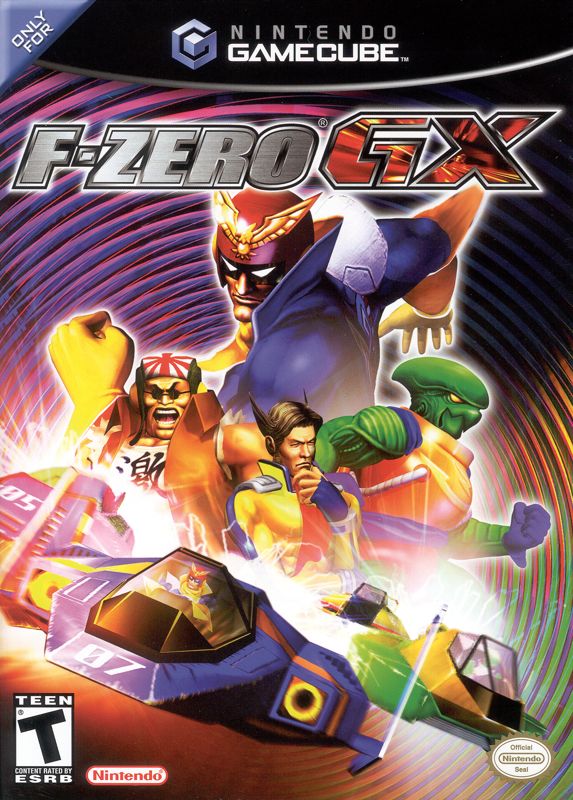
F-Zero GX pushes futuristic racing toward the edge of control. Thirty machines crowd tracks that twist, dive, and punish hesitation.
Learning one vehicle and one curve at a time is essential. The story mode adds fierce challenges beyond ordinary cups.
A physical copy is a monument to high-speed GameCube design. It remains a favorite for collectors who value demanding play over easy nostalgia.
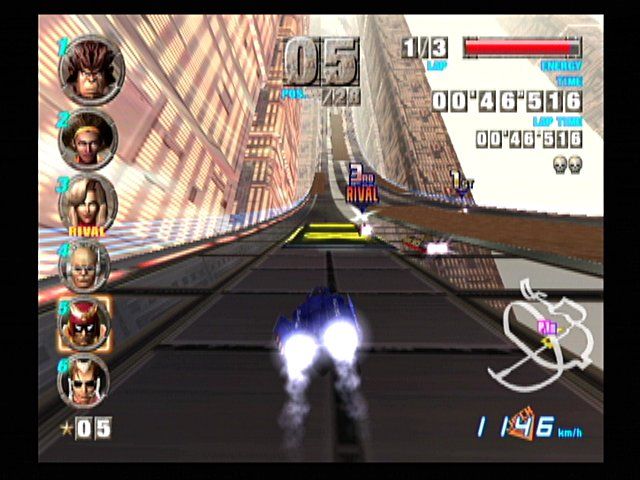
Go! Go! Hypergrind

Go! Go! Hypergrind combines skateboarding tricks with manic cartoon violence and elastic animation. The tracks look like an animated studio gone wild.
Timing a stunt matters, but the unpredictable art is the first thing players remember. Its humor is strange even by GameCube standards.
Collectors should know this unusual Atlus-published release for its visual identity. It is a conversation piece with a game attached, not merely unusual packaging.

Kirby Air Ride
Kirby Air Ride simplifies racing controls so machine choice and timing become the focus. Pressing a single button at the right moment can change a run.
City Trial turns a shared map into a scramble for upgrades before a final event. That mode gives the game its strongest social life.
For collectors, it is a GameCube multiplayer favorite with a design unlike standard kart racers. Its accessibility hides genuine depth.
Mario Kart: Double Dash!!

Mario Kart: Double Dash!! puts two characters in each kart. Switching driver and passenger changes both tactics and the special items available.
Its tight tracks reward coordination, especially when two people share one vehicle. A well-timed swap can be as important as a shortcut.
A physical copy represents one of Nintendo’s boldest tweaks to a familiar formula. It remains particularly strong as a couch game.

Mario Party 5
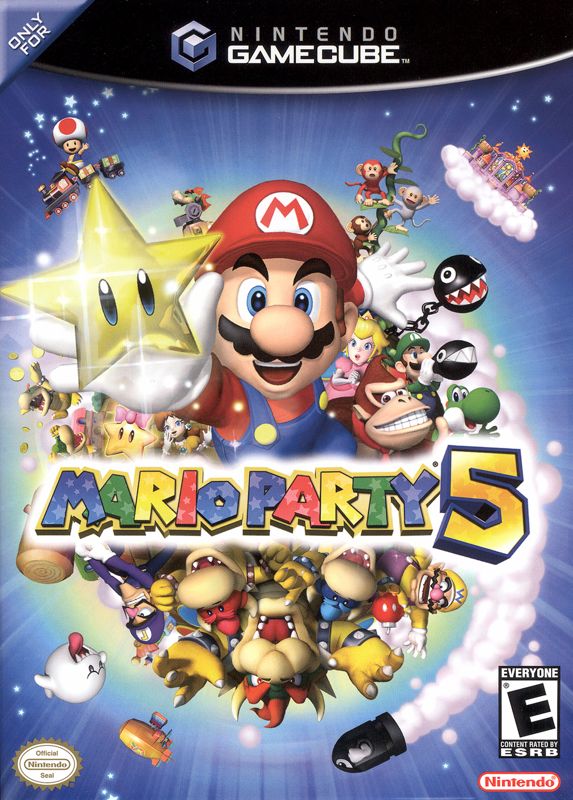
Mario Party 5 brings the cast into dream-themed boards filled with hazards and minigames. Capsules give players new ways to alter a route.
Its value at the table comes from sudden reversals and improvised alliances. Every session creates a different argument about luck and skill.
For collectors, it is a distinct chapter in the GameCube party-game run. The board themes help it keep its own identity.
Mario Party 6
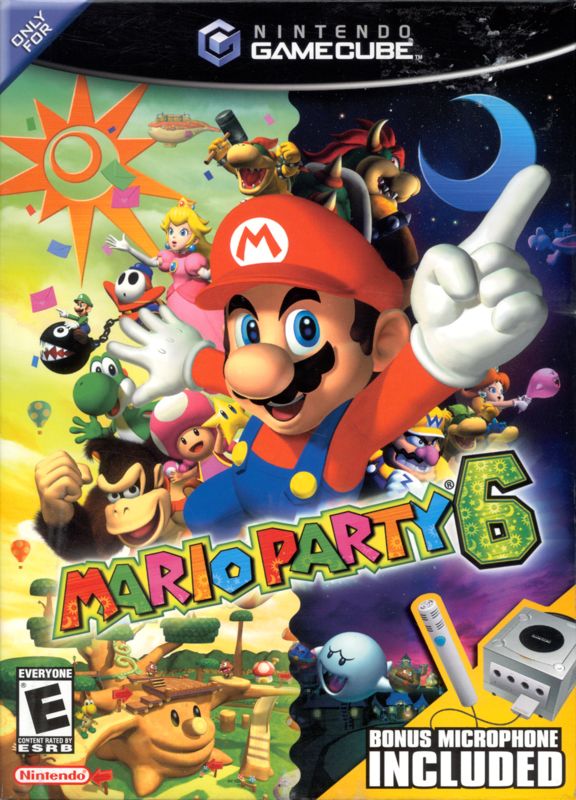
Mario Party 6 changes its boards with day and night, making timing part of the route. The optional microphone adds another kind of minigame.
A path that looks safe at noon may be very different after sunset. The shift gives familiar party chaos a useful structure.
A complete copy is especially interesting when the microphone accessory is included. The hardware experiment is part of this edition’s appeal.
Mario Superstar Baseball

Mario Superstar Baseball turns a full roster of Mushroom Kingdom characters into a colorful team sport. Chemistry between players can change the field.
Batting and defense remain readable, while special moves add dramatic surprises. Building a lineup becomes half the fun.
Collectors should know it as a strong GameCube sports spin-off with its own rules and rhythm. The disc still suits a lively local match.
Pikmin 2

Pikmin 2 sends Olimar and Louie back to a tiny world to collect everyday objects as treasure. Its caves turn exploration into a longer expedition.
Two leaders and additional Pikmin types create new puzzles. Without the first game’s strict overall time limit, players can linger over discoveries.
For collectors, it is a substantial sequel whose strange scale still charms. A physical copy invites another trip into its miniature wilderness.

Pokémon Channel

Pokémon Channel makes television itself the game. Players watch strange programs with Pikachu and gradually discover more of the network.
Its slow pace is deliberate. Small interactions and unexpected broadcasts create a different kind of Pokémon companionship, with ordinary viewing becoming a shared routine.
Collectors should know it as one of the franchise’s most unusual physical spin-offs. Its appeal lies in observing a playful world rather than winning battles.
Pokémon Colosseum
Pokémon Colosseum places double battles in the dusty Orre region. Catching and purifying Shadow Pokémon gives the adventure a different goal from the handheld games.
Its 3D combat and Game Boy Advance connectivity make it a bridge between devices. The darker setting also changes the series’ familiar mood.
A complete copy is important to collectors tracing Pokémon’s console experiments. This is not merely a battle arena; it has a campaign of its own.
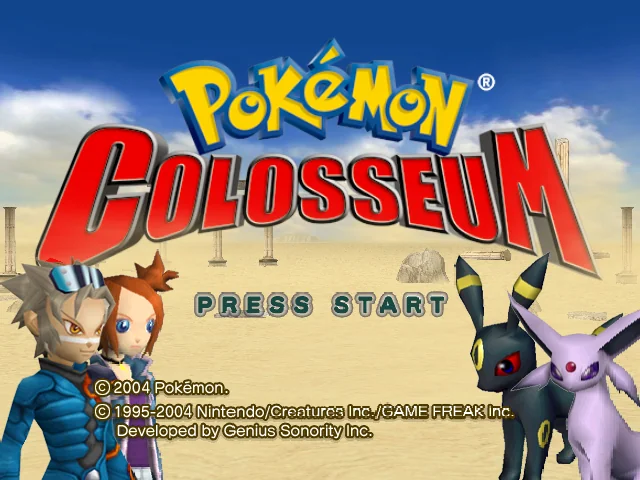
Pokémon XD: Gale of Darkness

Pokémon XD returns to Orre with another Shadow Pokémon crisis and a fuller purification journey. Double battles remain central.
Building a team from rescued creatures gives each encounter a practical and emotional purpose. The setting feels more confident than in its predecessor.
Collectors of GameCube Pokémon will find a substantial companion to Colosseum here. Its physical edition captures a distinctive branch of the series.

Shadow the Hedgehog

Shadow the Hedgehog puts Sonic’s rival inside a branching action story. Missions can steer him toward different allies and endings.
The game’s firearms and darker tone are startling beside Sonic’s usual style. That difference is exactly what makes the experiment worth examining.
For collectors, this is a snapshot of Sega testing how far a familiar universe could stretch. Its divisive reputation is part of its history.
Skies of Arcadia: Legends

Skies of Arcadia: Legends sends Vyse, Aika, and Fina across a world of floating continents and sky pirates. Exploration gives the RPG its generous spirit.
Airship battles and discoveries make the sky feel like a place worth charting. The GameCube edition revisits a beloved Dreamcast adventure with additional content.
A physical copy belongs among the system’s major role-playing games. Its sense of optimism remains a strong reason to return.

Sonic Adventure 2: Battle
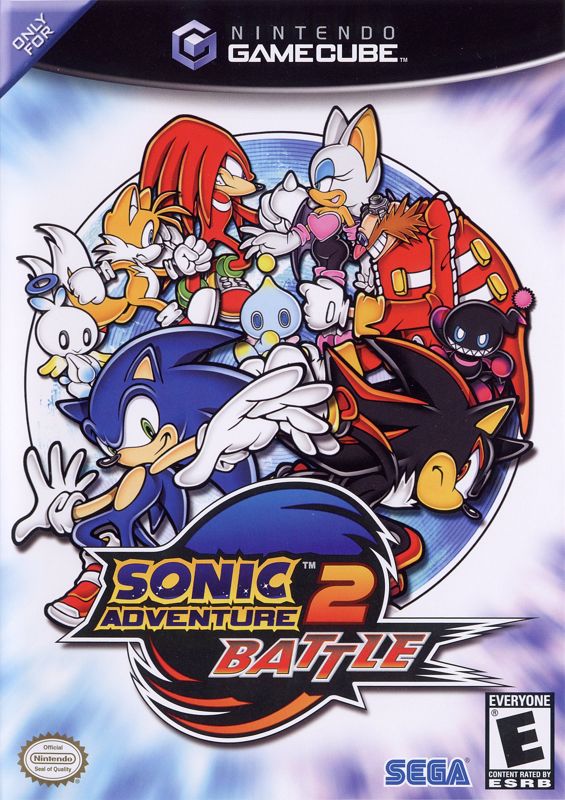
Sonic Adventure 2: Battle splits its story between heroes and villains. High-speed stages, treasure hunts, and mech shooting give the disc several rhythms.
The Chao Garden becomes a game of its own for players willing to raise tiny creatures between missions. Local battles add another reason to revisit.
Collectors should know this GameCube edition for how it carried a Dreamcast-era Sonic adventure to a wider audience. Its physical identity is distinct.
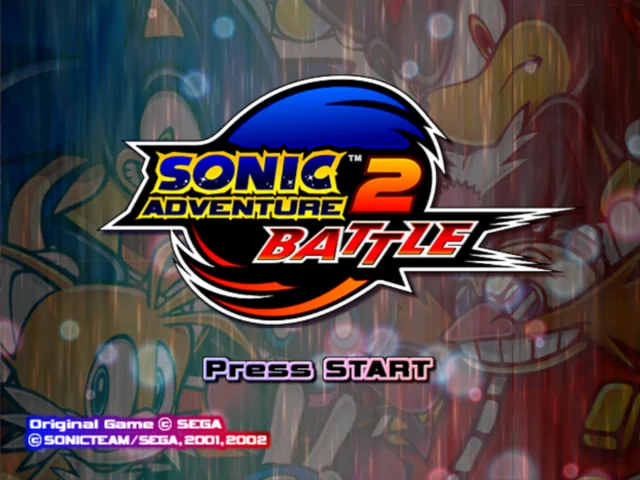
Star Fox Assault

Star Fox Assault alternates Arwing battles with missions fought on foot. The Aparoid threat gives the Lylat team’s journey a new enemy.
The shifts in perspective can be uneven, but they make the campaign feel larger than a single rail. Familiar wingman voices keep it grounded.
For collectors, it records a moment when Star Fox tested a broader action format. The GameCube disc is a revealing series experiment.

Super Mario Strikers
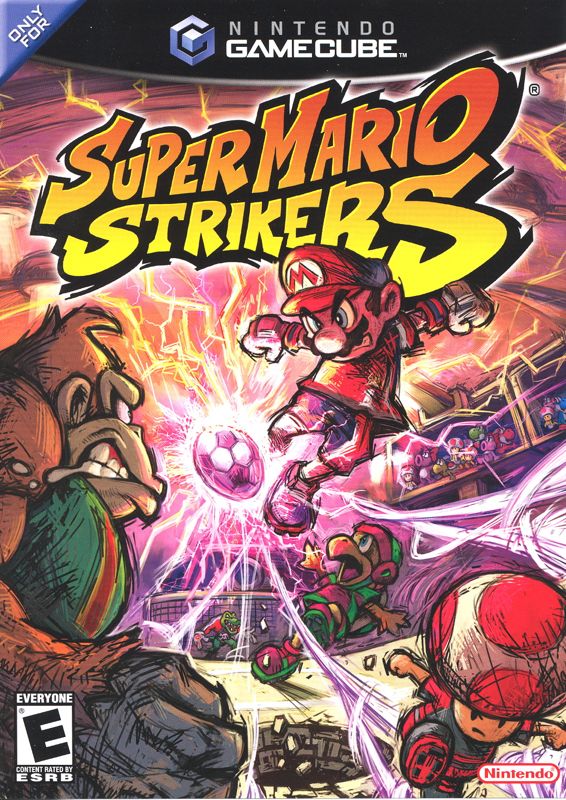
Super Mario Strikers makes soccer into an aggressive arena contest. Electric fences, hard tackles, and special shots keep matches volatile.
Passing and positioning still matter beneath the chaos. A team that works together can outplay a stronger-looking roster.
A physical copy is an easy invitation to local competition. It shows Nintendo’s sports spin-offs embracing a louder personality.
Super Smash Bros.: Melee
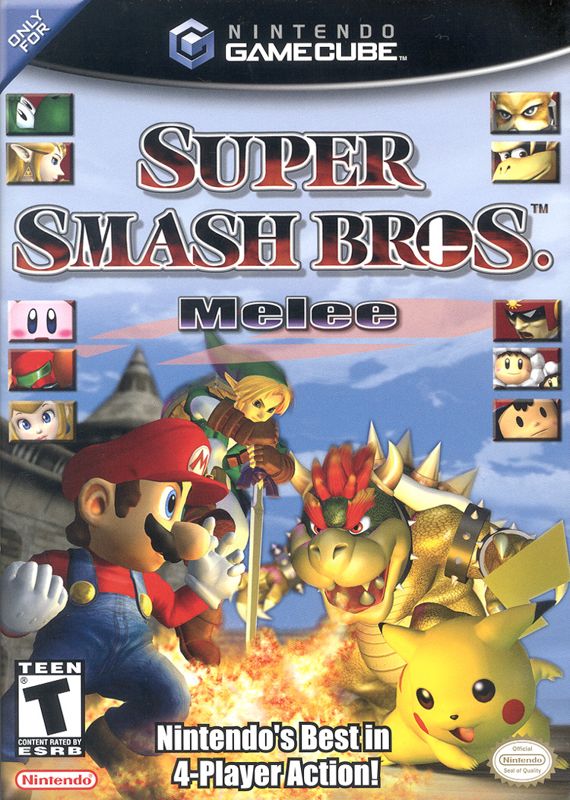
Super Smash Bros.: Melee expands Nintendo’s fighter crossover with faster movement and a larger cast. Every stage has a different story to create.
Its solo modes offer plenty to unlock, while multiplayer rewards years of practice. The gap between first match and mastery is enormous.
For collectors, this disc is both a social landmark and a deep competitive game. Its continued play gives the physical release unusual staying power.
Nintendo DS
Two screens and touch input gave developers room to rethink established genres. These selections show how varied the DS became, from intimate adventures to large role-playing worlds.
Castlevania: Order of Ecclesia
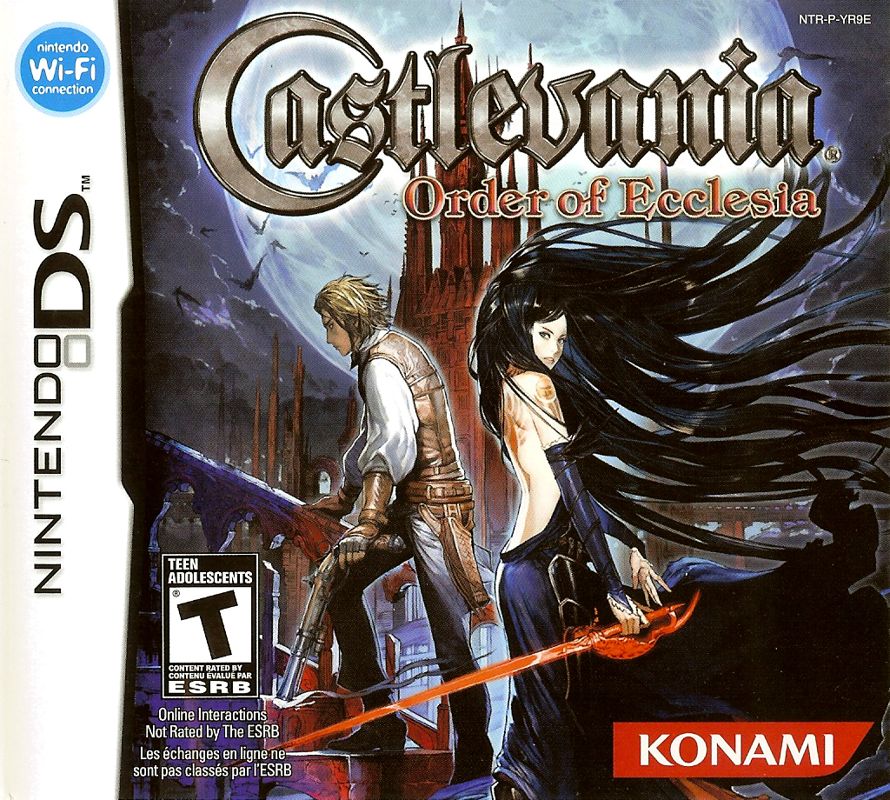
Castlevania: Order of Ecclesia follows Shanoa as she gathers magical Glyphs to fight Dracula’s threat. Its village and separate areas give the journey a different structure.
Equipping Glyphs changes both combat and traversal. The game asks for careful timing, especially when a boss seems to ignore a favorite tactic.
For collectors, it is a distinctive late DS Castlevania with a demanding edge. Shanoa’s adventure deserves its own space beside the castle-focused entries.
Dragon Quest IV: Chapters of the Chosen

Dragon Quest IV introduces several heroes through separate chapters before uniting them. The DS remake lets that structure unfold with a refreshed presentation.
Each early story gives a party member an identity before the larger quest begins. The familiar turn-based battles become a way to follow their paths together.
A physical copy is a welcome route into an important RPG design. It preserves a classic ensemble story on a portable system.
Dragon Quest VI: Realms of Revelation

Dragon Quest VI sends its party between two connected worlds. Understanding how one reflects the other becomes the adventure’s central puzzle.
The vocation system gives long-term choices to the party, while towns and dungeons reward careful exploration. Its scale suits extended handheld play.
For collectors, the DS edition gives a once harder-to-reach chapter a physical English-language home. The paired worlds make it memorable.

Fire Emblem: Shadow Dragon
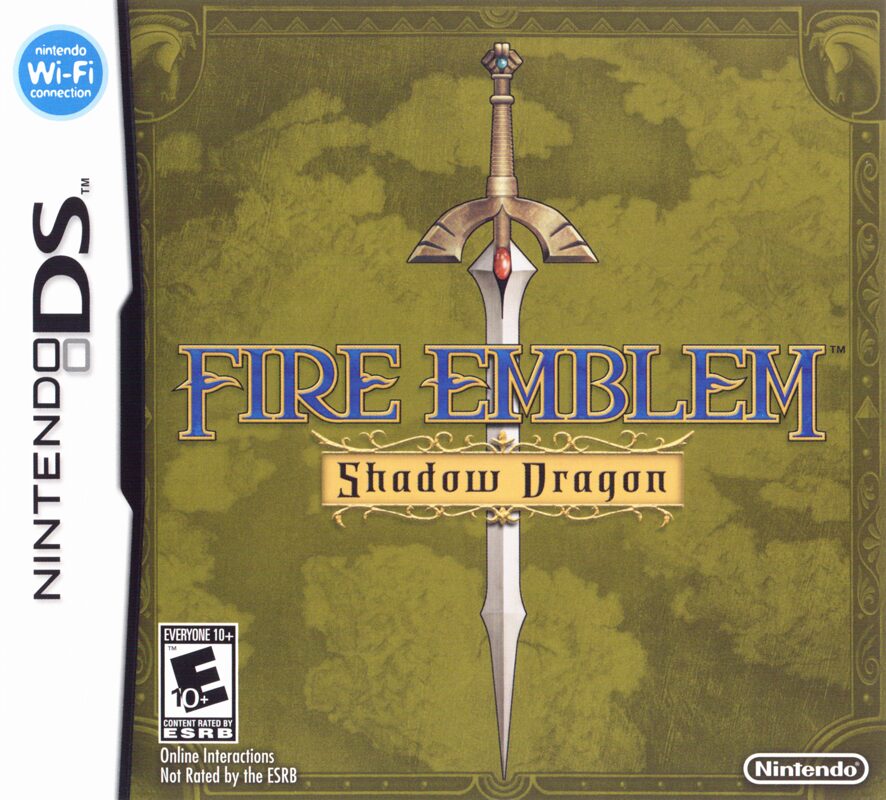
Fire Emblem: Shadow Dragon revisits Marth’s campaign with a clean DS battlefield. Every deployment choice matters when a character can be lost permanently.
Reclassing opens new possibilities for a familiar unit, while the campaign keeps its strategic demands clear. The stylus is optional to the central planning.
Collectors should know it as a portable return to the series’ origins. The cartridge lets players see how its first great template evolved.
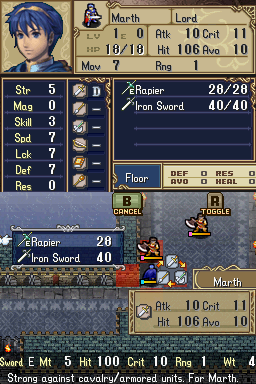
Grand Theft Auto: Chinatown Wars
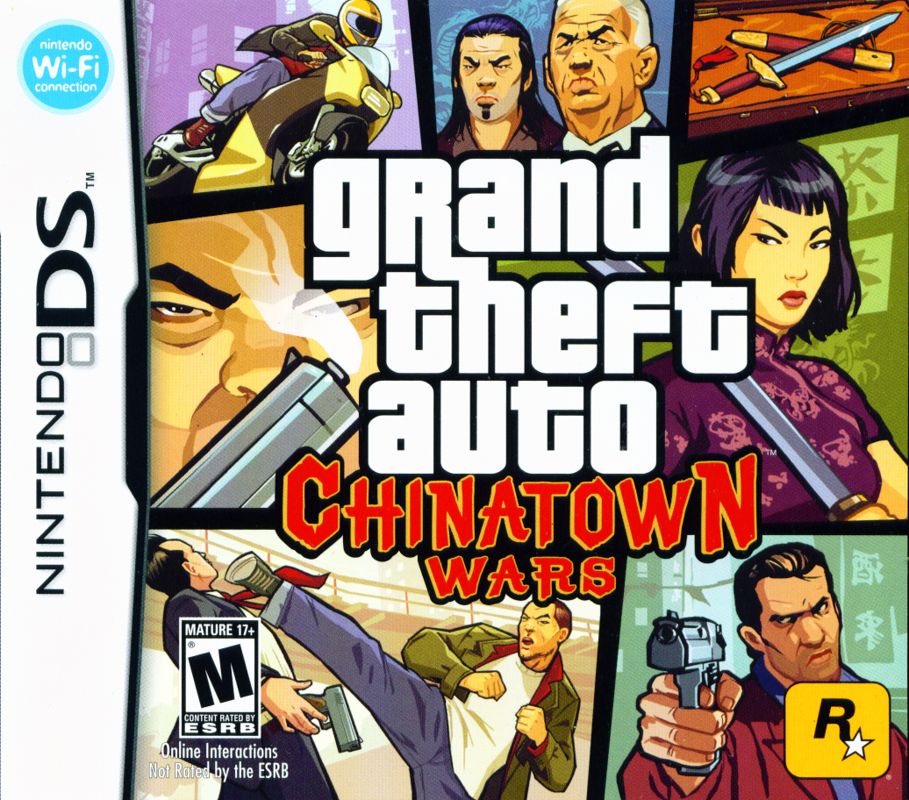
Grand Theft Auto: Chinatown Wars takes Liberty City back to an overhead view. Huang Lee’s criminal story moves briskly through the dense streets.
The touchscreen supports small actions and interface tasks without turning the city into a gimmick. Short missions suit the portable format.
For collectors, it is a confident DS adaptation of a huge console series. Its design respects the handheld’s strengths rather than merely shrinking the world.
Pokémon HeartGold Version
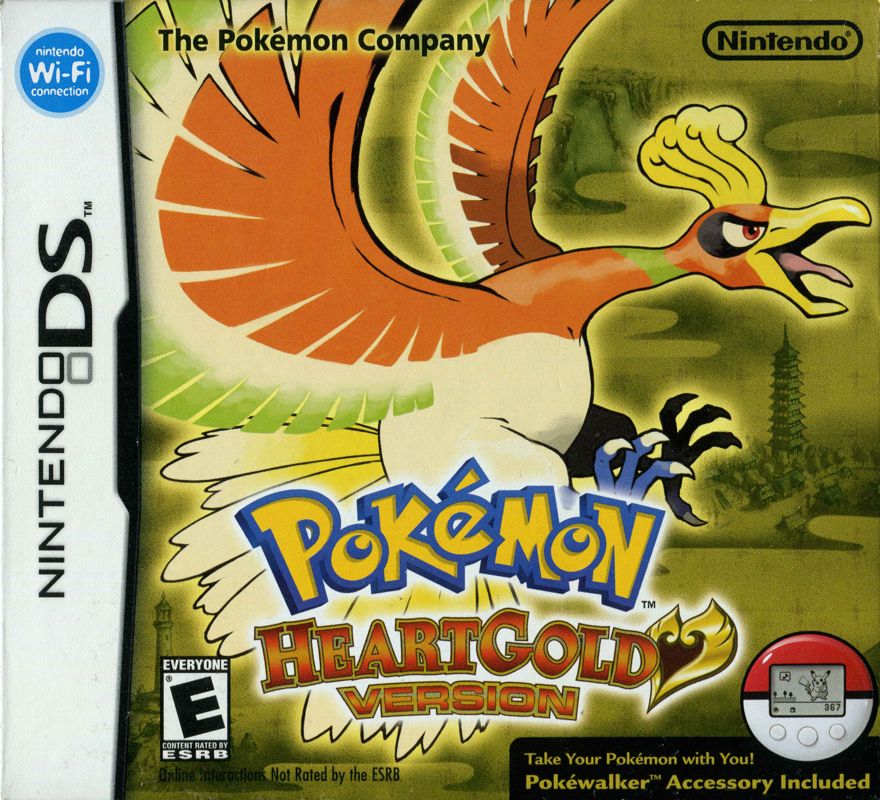
Pokémon HeartGold revisits Johto with a companion Pokémon following close behind. The journey also opens a path back into Kanto.
Training, trading, and revisiting familiar towns give the remake both nostalgia and new routine. The Pokéwalker accessory extends that relationship beyond the screen.
A complete copy is especially meaningful when its original packaging and Pokéwalker are present. This edition is a physical ecosystem, not just a cartridge.
Pokémon Mystery Dungeon: Explorers of Sky
Explorers of Sky turns a former human into a Pokémon joining an exploration guild. Its dungeon journeys build toward a surprisingly emotional story.
Randomized floors make preparation important, while partners give every expedition a relationship at its center. Extra episodes broaden the world.
For collectors, this is a substantial enhanced edition with its own narrative appeal. The cart shows how much character a spin-off can carry.
Pokémon SoulSilver Version
Pokémon SoulSilver returns to Johto with a partner walking beside the player. Two regions give the adventure a generous sense of distance.
Old routes feel new through updated systems and the steady bond with a chosen team. The Pokéwalker adds a small real-world ritual.
Collectors should pay attention to the original accessory and packaging. Together they make the physical edition more than a standard DS case.

Resident Evil: Deadly Silence
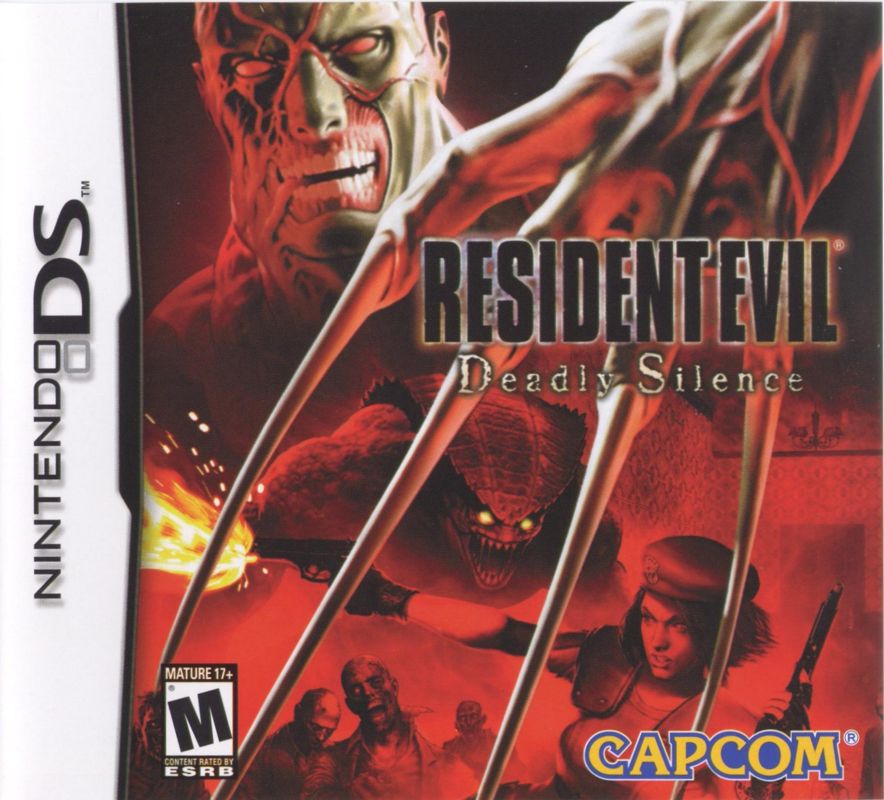
Resident Evil: Deadly Silence brings the Spencer Mansion to DS. Familiar rooms become strange again when touched, examined, and revisited on a portable screen.
Its Rebirth mode adds new puzzles and first-person knife encounters. The original survival loop of scarce supplies and dangerous doors remains intact.
For collectors, it is a specific remake of an experience rather than another simple port. The DS format gave classic horror a fresh set of controls.

Wii
The Wii welcomed a broad audience, but its library also contains unusual and ambitious games. This group looks past the console’s reputation for motion controls to find experiences with lasting personality.
Fire Emblem: Radiant Dawn
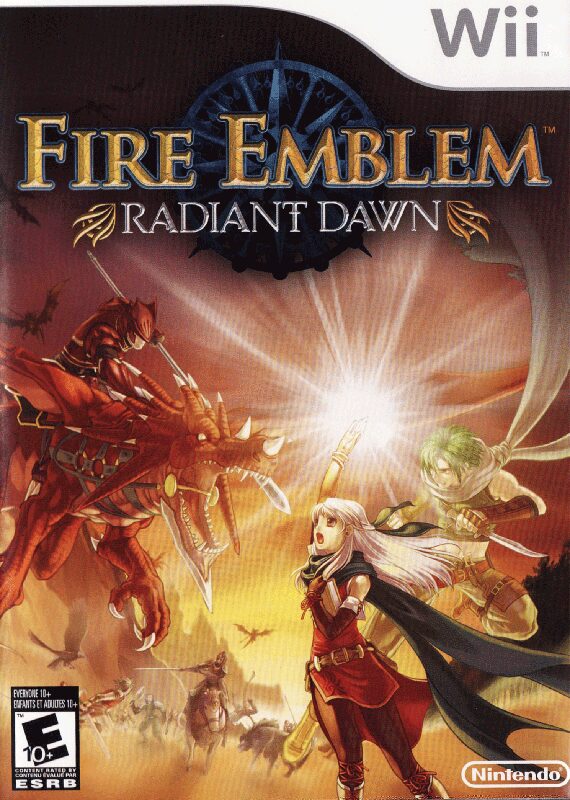
Fire Emblem: Radiant Dawn follows several factions through a war whose meaning changes with each viewpoint. Its large cast makes the conflict feel complicated.
Battles demand careful positioning, and a mistake can cost a familiar ally. The shift between armies forces players to adapt repeatedly.
For collectors, it is a major Wii strategy epic and a direct companion to Path of Radiance. The disc rewards a long commitment.
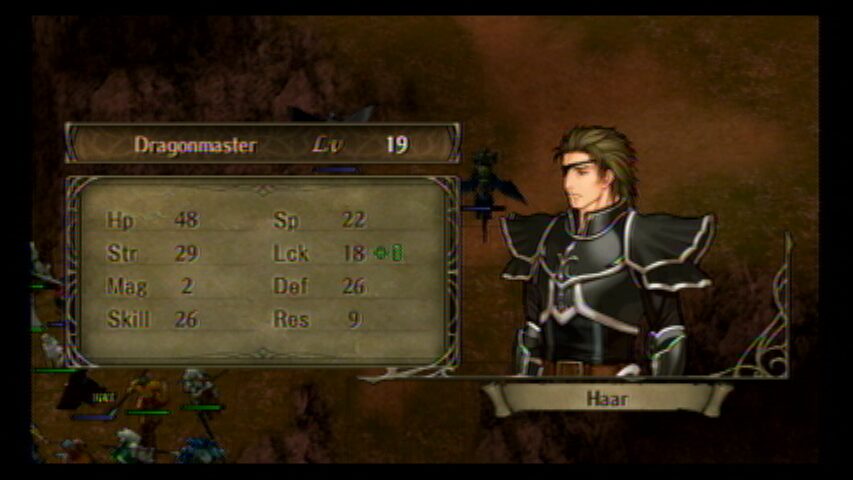
Fragile Dreams: Farewell Ruins of the Moon
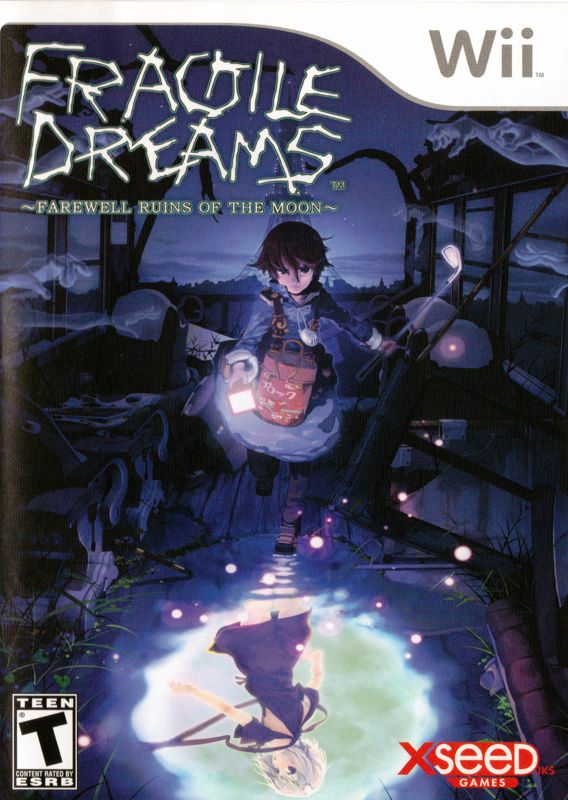
Fragile Dreams follows Seto through empty places after an unexplained collapse. A flashlight and the hope of finding another person drive the journey.
Its combat is uneven, but the sound and loneliness leave a stronger impression. Even an ordinary hallway can feel charged with memory.
Collectors should know it for atmosphere rather than mechanical polish. The physical edition preserves one of the Wii’s most unusual melancholy adventures.
Metroid Prime Trilogy

Metroid Prime Trilogy gathers Samus’s three first-person adventures on one Wii disc. Each world rewards scanning, observation, and the gradual recovery of abilities.
Pointer aiming gives the earlier games a new physical feel. Moving from Tallon IV onward reveals how the trilogy’s ideas changed over time.
A complete copy is especially meaningful because the package itself was designed as a collection. It is a compact archive of a major series era.

Rhythm Heaven Fever
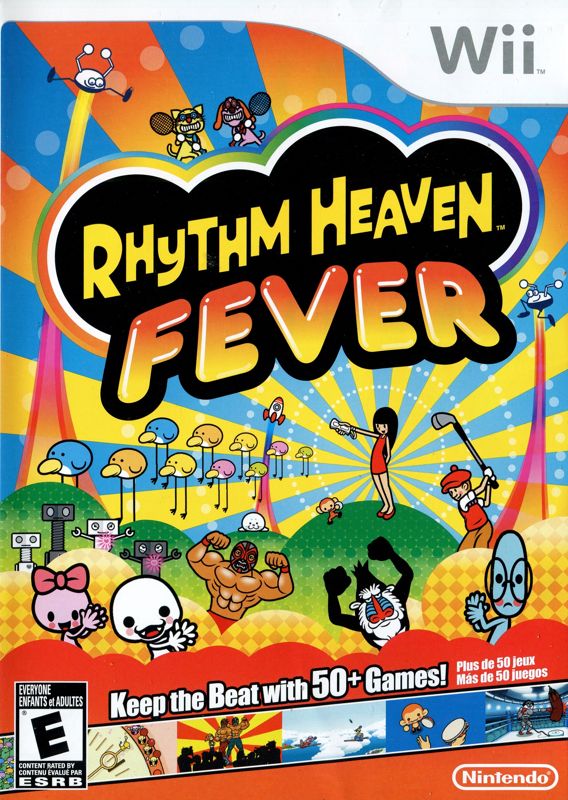
Rhythm Heaven Fever turns brief absurd scenes into tests of listening. Two simple buttons can feel demanding when the beat shifts unexpectedly.
A successful sequence is satisfying because players hear the improvement before they see a score. Its humor makes failure easier to laugh at.
For collectors, this is a Wii game with a clear creative voice. The disc offers a kind of musical play that never needed elaborate motion controls.
The Last Story

The Last Story follows mercenary Zael through battles that mix action with tactical control of enemy attention. Protecting allies becomes part of every encounter.
Its city and cast give the campaign a lived-in feeling. Combat works best when players direct the team instead of simply attacking harder.
For collectors, it represents a late Wii push toward substantial RPGs. The physical edition belongs to a distinctive chapter in the console’s history.
Trauma Team
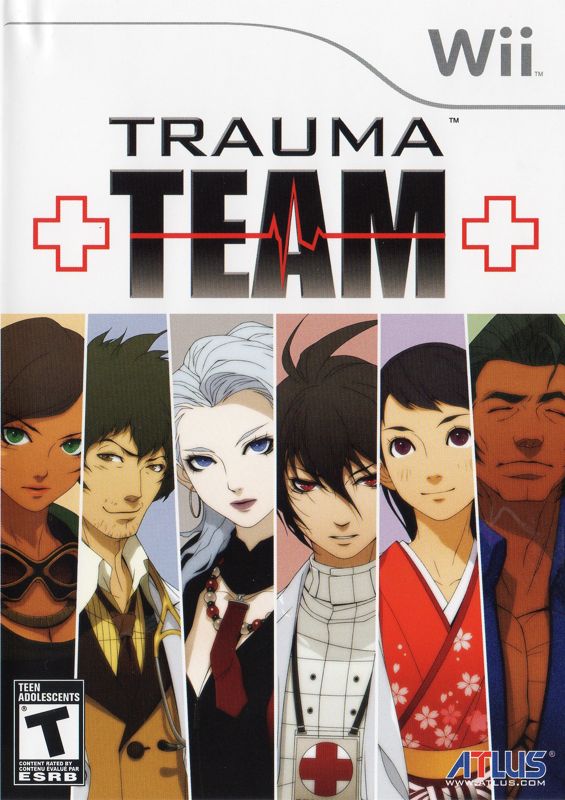
Trauma Team divides a medical drama among surgeons, diagnosticians, paramedics, and investigators. Each role changes the pace of the work.
The Wii controls make procedures physical, but the story’s variety keeps the game from becoming only a dexterity test.
Collectors should know it as an ambitious evolution of the Trauma Center idea. Its unusual ensemble is the reason to keep the disc close.
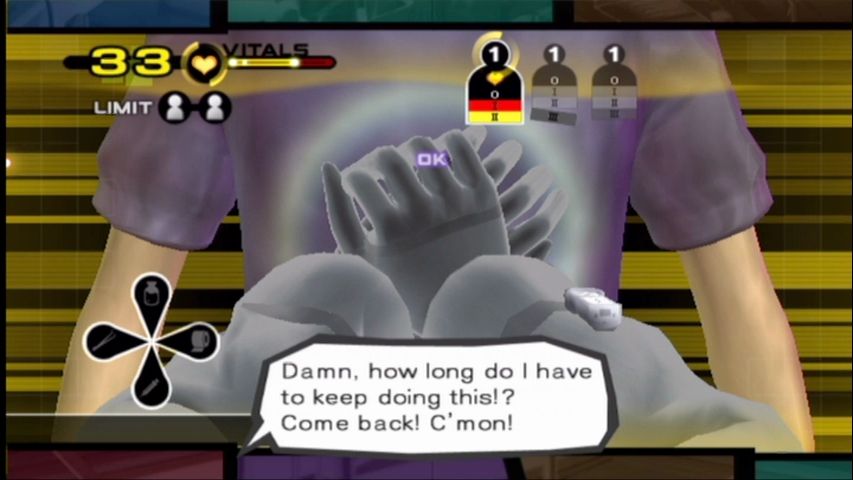
PlayStation 3
The PS3 era brought high-definition spectacle and some wonderfully odd side roads. Physical copies preserve a moment when studios could still take striking risks within big-budget console gaming.
3D Dot Game Heroes
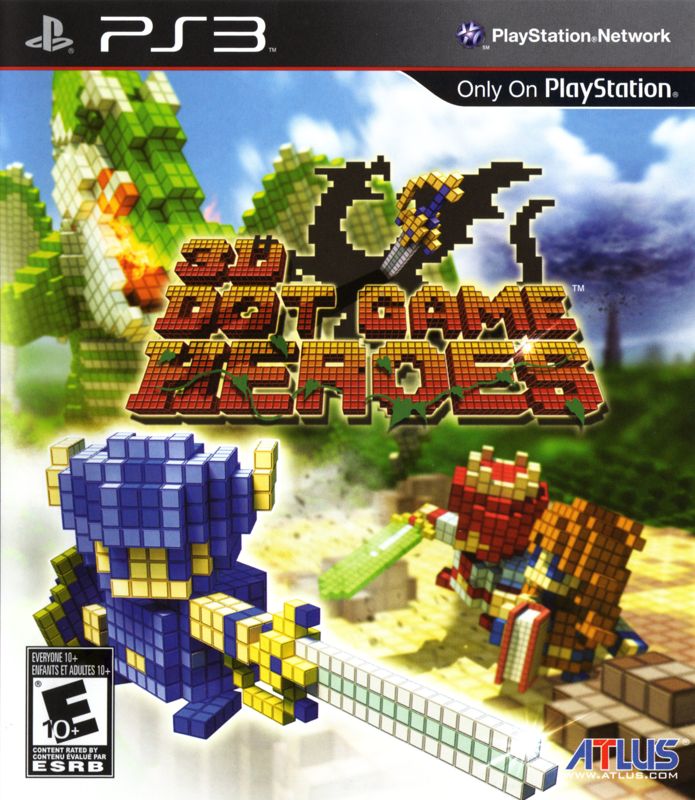
3D Dot Game Heroes builds a bright, blocky world around old adventure-game pleasures. A new item makes a familiar path worth exploring again.
Its oversized swords and visual jokes make the homage playful rather than solemn. The map still asks players to observe and remember.
For collectors, it is a specific PS3-era tribute to much older design. The physical disc turns retro inspiration into a new object of its own.
Folklore

Folklore follows Ellen and Keats through an Irish village tied to the realm of the dead. Their two perspectives slowly connect the mystery.
Capturing Folks gives combat a wide set of possible abilities. Its painted atmosphere and unusual creatures make the adventure feel unlike a standard action RPG.
For collectors, it is an early PS3 original with a distinctive visual voice. The disc rewards those looking beyond the system’s biggest franchises.
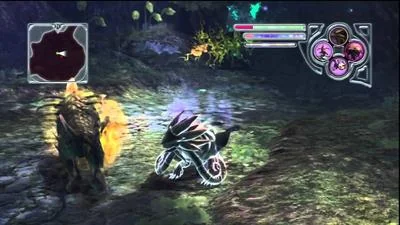
Lollipop Chainsaw
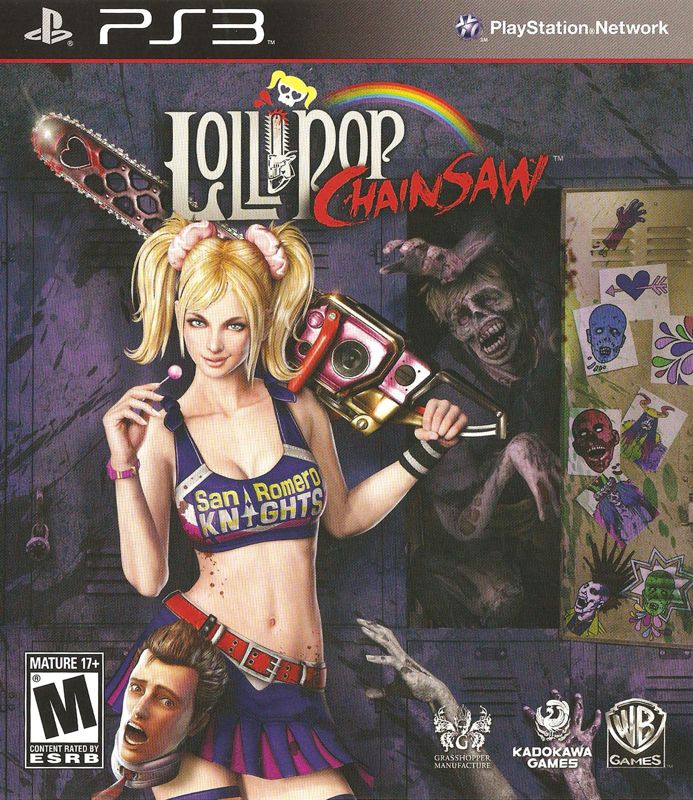
Lollipop Chainsaw sends cheerleader Juliet Starling against a school full of zombies. Its candy-colored style turns every violent encounter into deliberate absurdity.
Chainsaw attacks, acrobatics, and comic dialogue keep the action loud. The game knows exactly how ridiculous its premise is.
A physical copy is a snapshot of a specific, unruly action-game moment. Its personality is as collectible as its combat.
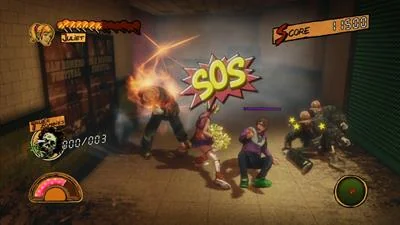
Silent Hill: Downpour
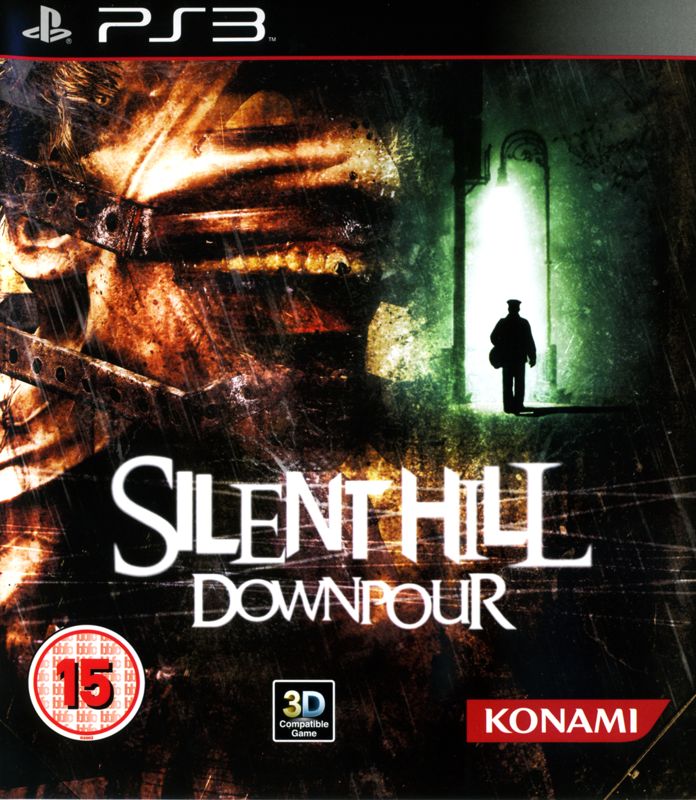
Silent Hill: Downpour strands Murphy Pendleton near the town after a prison transfer goes wrong. Rain and empty streets shape his search for answers.
Exploration and puzzles have room to breathe, even when combat struggles. The story asks players to reconsider Murphy’s past.
Collectors should know it as a later, divisive Silent Hill with ideas of its own. The PS3 disc is part of the series’ changing identity.
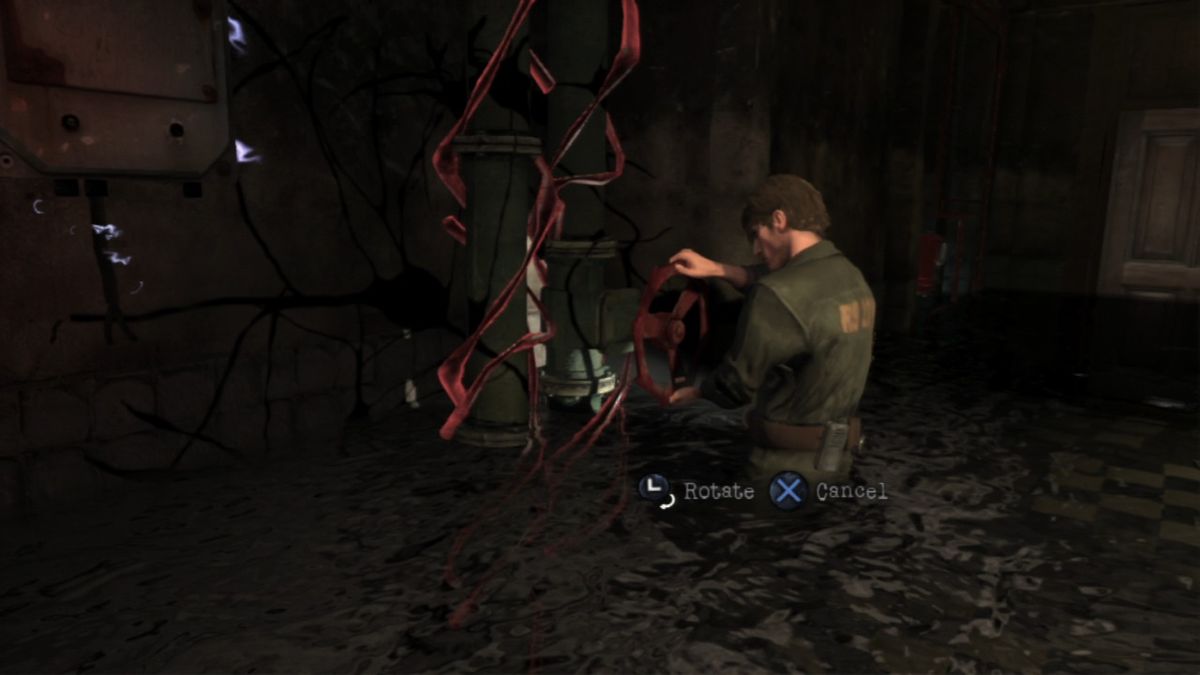
Yakuza: Dead Souls
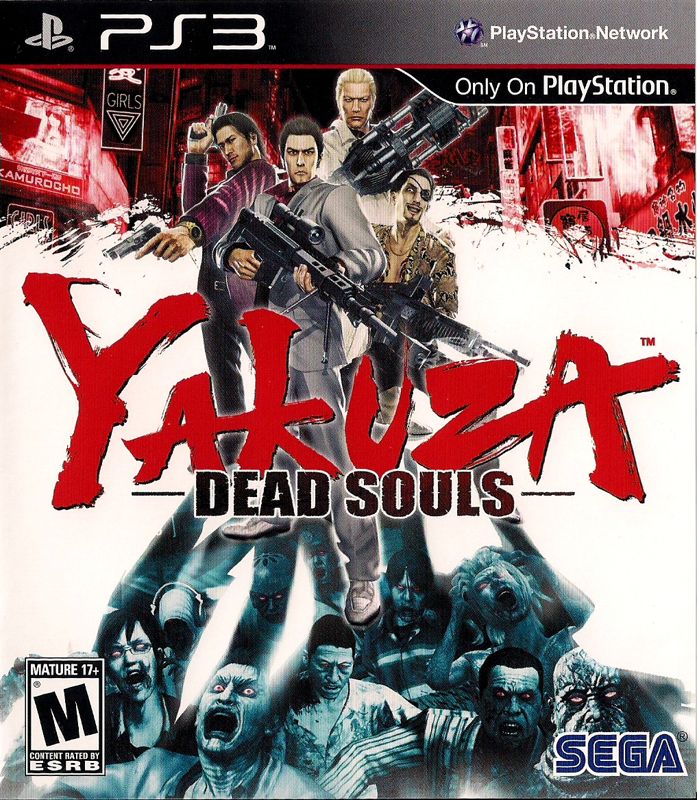
Yakuza: Dead Souls fills Kamurocho with zombies and hands familiar characters guns. The result is a deliberately strange series detour.
Quarantined streets sit beside recognizable side activities. That contrast keeps the game tied to Yakuza even when its action changes genre.
For collectors, this spin-off shows how flexible the series’ world could become. Its physical edition is a lively oddity.
Nintendo 3DS
The 3DS closes this selection with a reminder that collecting is not limited to home consoles. Its stereoscopic screen and inventive controls gave portable adventures a character of their own.
Kid Icarus: Uprising

Kid Icarus: Uprising sends Pit through spectacular airborne shooting stages, then drops him into ground battles. Palutena’s running commentary gives the adventure a lively voice.
Weapons, difficulty choices, and hidden routes create reasons to return. The control scheme can take practice, but its energy is unmistakable.
For collectors, the original 3DS package is worth noting for its dedicated stand where included. The game is a bold revival with a distinct physical presentation.
Keep exploring
A collectible copy is only one way to experience these games. Read each linked game page for more detail, and visit Retro Replay’s emulation section to explore ways to revisit classic systems.

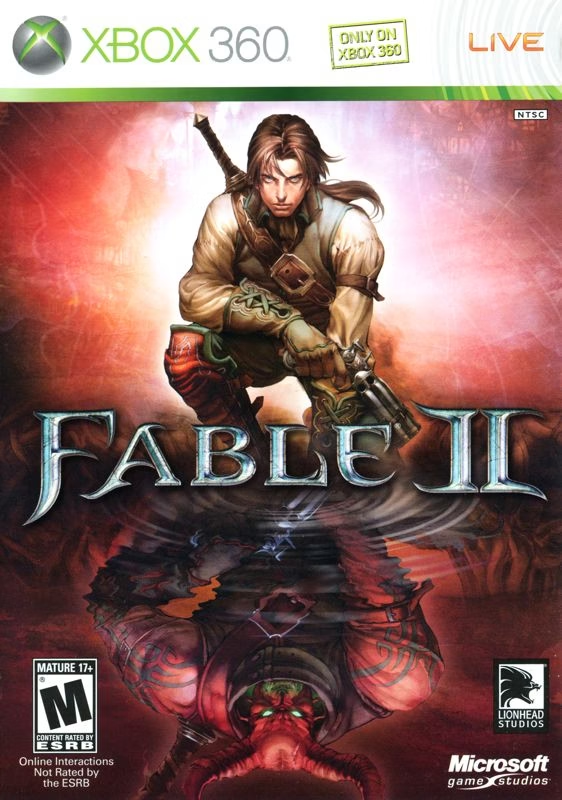
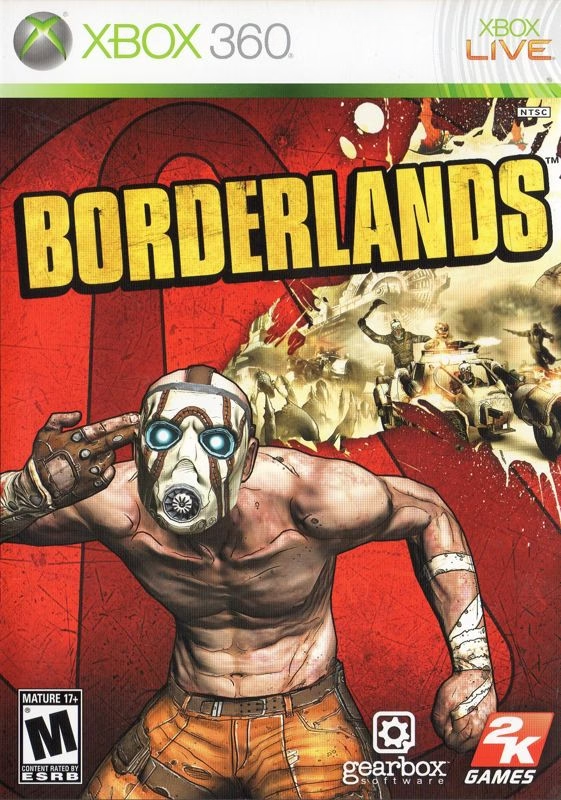
Little Nemo is the kind of game I can see working well in short bursts: feed a creature, borrow its ability, and solve the next little platforming puzzle. The changing companions give it more replay value than a straightforward run from left to right, even if the complete box and manual are doing plenty of work for collectors too.