 Retro Replay Retro Gaming History, Reviews & Emulation

Retro Replay Review
Gameplay
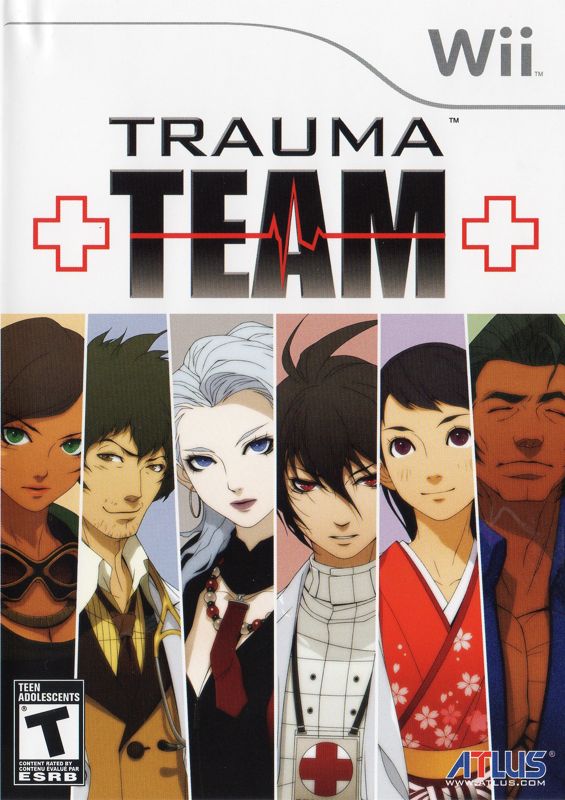
The first hour makes a strong case for Trauma Team simply because it keeps changing the question it asks of you. Surgery still demands quick hands and repeated procedures, but it is only one lane in a much broader hospital. First Response turns treatment into triage across several deteriorating patients; Diagnosis asks you to listen, test, and connect symptoms; Forensics slows everything down into investigation. You are not just learning tools. You are learning how differently the game wants you to think from mode to mode.
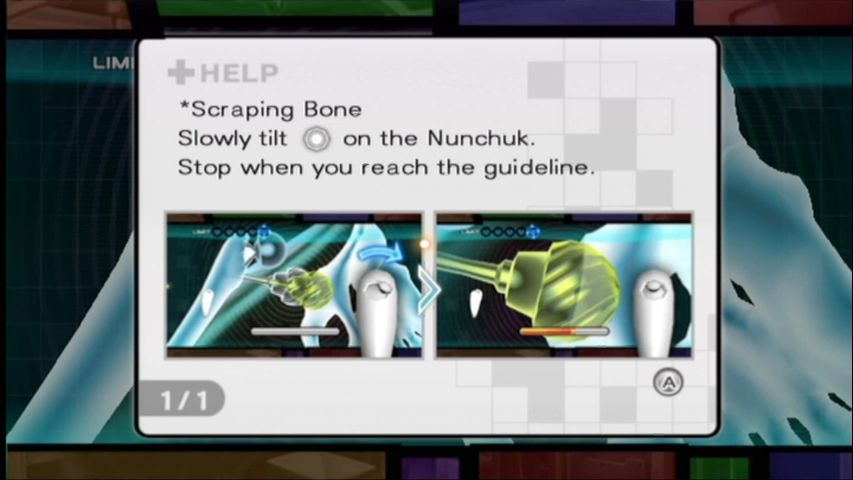
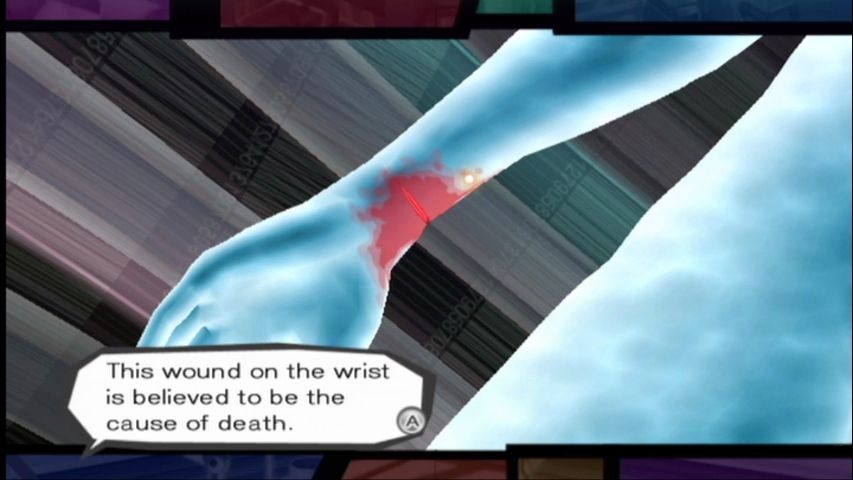
That variety pays off because the Wii Remote has a clear job in each discipline. In surgery, you direct tools with the kind of nervous precision the series is known for. Orthopedics turns its motions into more step-by-step work, where careless swings and missed placements cost you a limited number of mistakes. Endoscopy makes navigation matter before treatment even begins, while Forensics uses the pointer naturally for searching scenes, examining victims, and assembling clues. Some modes will inevitably suit your hands and patience better than others, but none feel like a throwaway detour.
Removing the series’ usual time limits is a smart change. It makes the more deliberate modes, particularly diagnosis and investigation, feel like genuine exercises in observation rather than speed-reading contests. The trade-off is that tension now comes from handling the task correctly: keeping multiple First Response patients from slipping away, maintaining an Orthopedics chain, or guiding an endoscope without scraping the route. You can fail, and you will occasionally be annoyed when motion precision lets you down, but the game is much less interested in simply rushing you.
Co-op is thoughtfully tailored rather than tacked on. Surgery splits tools between two people, so each of you has a distinct responsibility, while Endoscopy divides camera control and light aiming. That sounds straightforward, yet it creates exactly the sort of communication pressure these procedures need. Solo play remains the fuller recommendation if you want to absorb every mode at your own pace, but a second person can turn the clinical focus into a lively bit of shared problem-solving.
Graphics
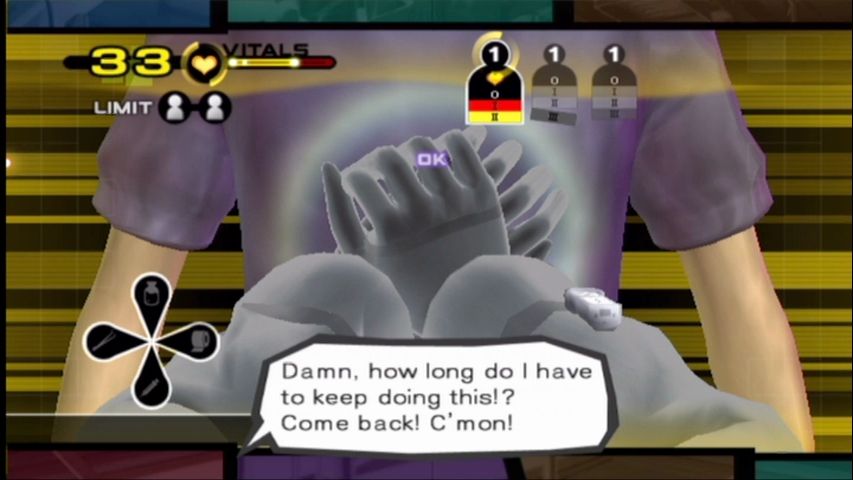
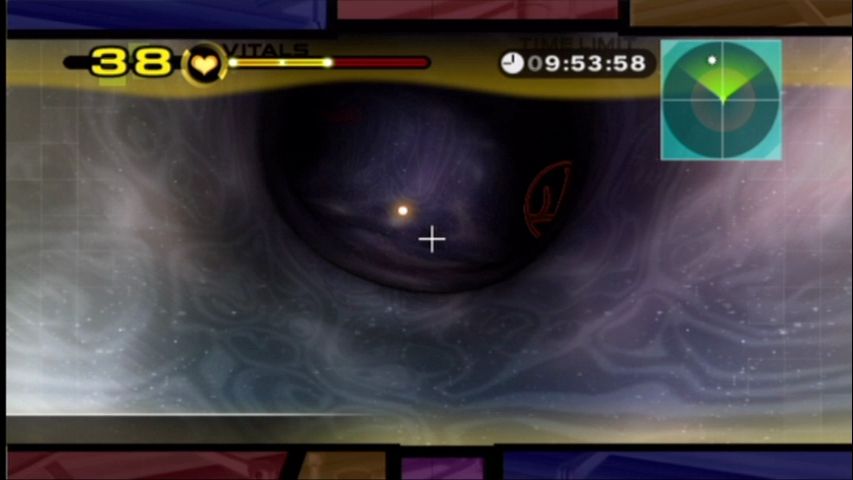
Trauma Team does not need realism to sell its medical setting. Its stylized Trauma interface gives the action a recognizable identity, and that matters when you are moving between six very different activities. The game has to make surgical tools, patient information, diagnostic results, and investigative clues legible at a glance; its presentation is built around that clarity.
The visual approach also helps the abrupt switches in tone go down easily. A first-person endoscopic route, a patient office, an operating procedure, and a crime scene could have felt like unrelated minigames. Instead, the recurring interface language gives the package a consistent home. You always understand that you are still inside the same broad medical drama, even when the task has changed completely.
Do not go in expecting the Wii to deliver a convincing simulation of a hospital. The imagery serves readability and heightened drama before authenticity, which is the right call for a game that often asks for rapid pointer work or close attention to information on screen. It is a clean, functional look, and the stylization has more personality than a drab attempt at clinical realism would have had.
Story
The six disciplines are carried by six different characters, each uncovering one portion of a larger storyline. That structure is more than a way to organize the menu: it gives each mode its own perspective and lets the overall plot arrive in pieces. You get a reason to keep sampling the whole game rather than treating your favorite discipline as the only one that matters.
The tone is unapologetically dramatic. That suits a series where an operation or diagnosis needs to feel like a high-stakes encounter, and it keeps the clinical material from becoming dry. The story’s biggest advantage is momentum. Every time you settle into one role, there is the promise that another thread may add context to what you have already seen.
Because the narrative is spread across multiple specialties, its rhythm can feel fragmented. You are repeatedly asked to shift not only gameplay habits but also character viewpoints. If you want one uninterrupted protagonist-driven story, that arrangement may test your patience. If you enjoy a larger mystery assembled from several angles, though, the structure turns the anthology format into a reason to continue.
For a useful contemporary perspective on that mix of medical drama and variety, Ars Technica’s review of Trauma Team is worth reading after you have spent some time with the game yourself. It is a game that benefits from comparing which discipline clicked for you, because reactions can differ sharply depending on whether you prefer the urgent procedures or the slower investigative work.
Overall Experience
Trauma Team earns its reputation through ambition and follow-through. Plenty of games advertise variety; fewer make their different modes feel like distinct interpretations of a shared subject. Here, the emergency stabilizations, examinations, bone work, camera-guided treatment, and investigations each ask for a different kind of attention. The result feels more substantial than a collection of novelty activities.
Its unevenness is also part of the honest verdict. You may love the pressure of Surgery and First Response but find the slower Diagnosis sequences less thrilling, or get hooked on Forensics while wishing every procedure had that same open-ended feel. Motion-controlled errors can make a strict Orthopedics attempt sting. Yet the game has enough alternate rhythms that one frustrating discipline rarely defines the whole experience.
This is especially easy to recommend if you missed it on Wii and want a medical game with more personality than a straight simulation. Give it a chance if you like being asked to react quickly one moment and reason carefully the next. Skip it only if Wii Remote precision is already a deal-breaker or if you need every part of a multi-mode game to hit with identical intensity. For everyone else, its willingness to be several games at once is not a distraction; it is the payoff.
Retro Replay Score
8/10
Merchant availability
We are always buying and selling retro games. Trauma Team is currently out of stock. Contact us about selling a complete-in-box copy or ask to be notified when one is available.
- Our complete-in-box selling price: $60.99 when in stock.
- We buy complete-in-box copies: up to $47.60, subject to condition, authenticity, and included contents.
- Original launch MSRP: Not verified.
- Availability: Out of stock. Orders cannot be placed while this listing is out of stock.
Pricing basis: our selling price is 90% and our buy price is 70% of the PriceCharting complete-in-box market value of $68.00, checked 2026-09-29. This listing is for the standard North American game, original case, and manual. Special editions, bundled accessories, sealed copies, and other regions are priced separately. Prices may be updated as the market changes.


Reviews
There are no reviews yet.