 Retro Replay Retro Gaming History, Reviews & Emulation


Retro Replay Review
Gameplay
Resident Evil 7 works because it makes vulnerability feel tangible. Early on, Ethan is badly outmatched, and enemies are not always the sort you can neatly put down and forget. That changes the simple act of moving through the house: you start listening, second-guessing routes, and deciding whether a few bullets are worth spending now or preserving for something worse.
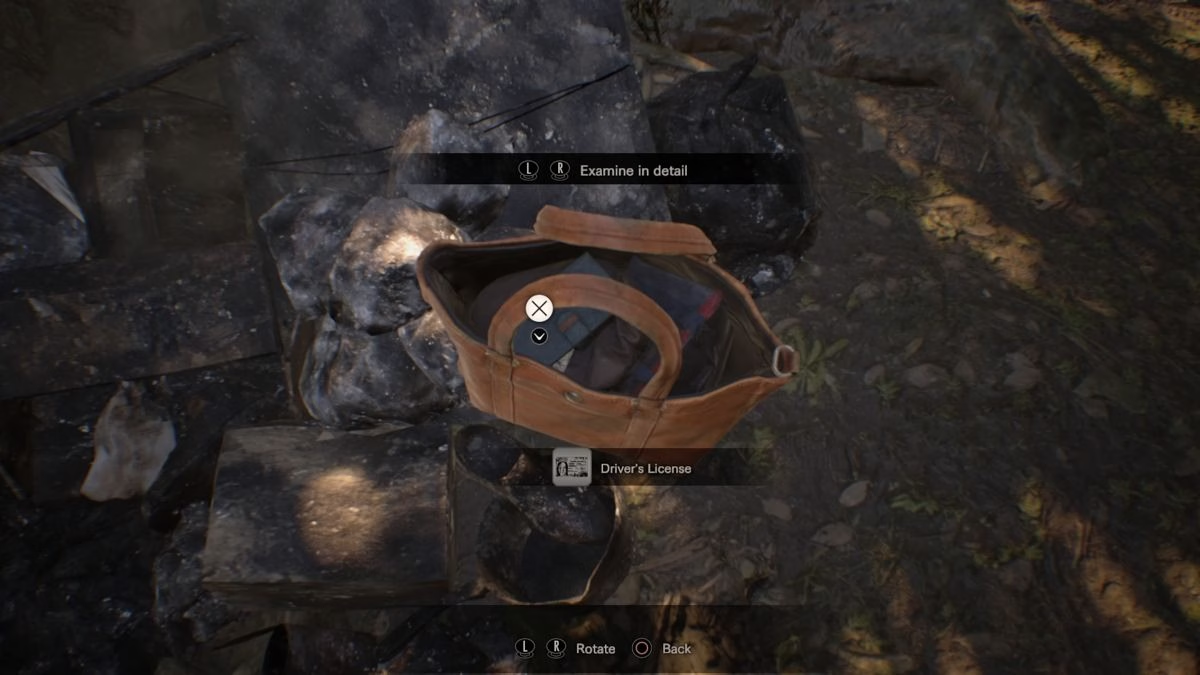
The familiar Resident Evil loop of searching rooms, solving puzzles, managing supplies, and returning to safety is back with real bite. Inventory space is limited, and the game does not pause while you browse it, so fumbling around for an item while a threat is close can be genuinely nerve-racking. Item boxes offer welcome relief, but they also force you to make choices about what comes along. Finding backpacks to expand your capacity feels meaningful rather than routine.
There is a smart escalation to the arsenal and action as the game moves forward, though the opening half is stronger precisely because it refuses to let you feel comfortable. The door transitions are a great old-school touch. They no longer hide loading, yet that brief moment before entering a new room still creates a nasty little pause where your imagination does most of the work. Manual saves in safe rooms and autosaves make the tension accessible without stripping away the value of reaching shelter.

Graphics
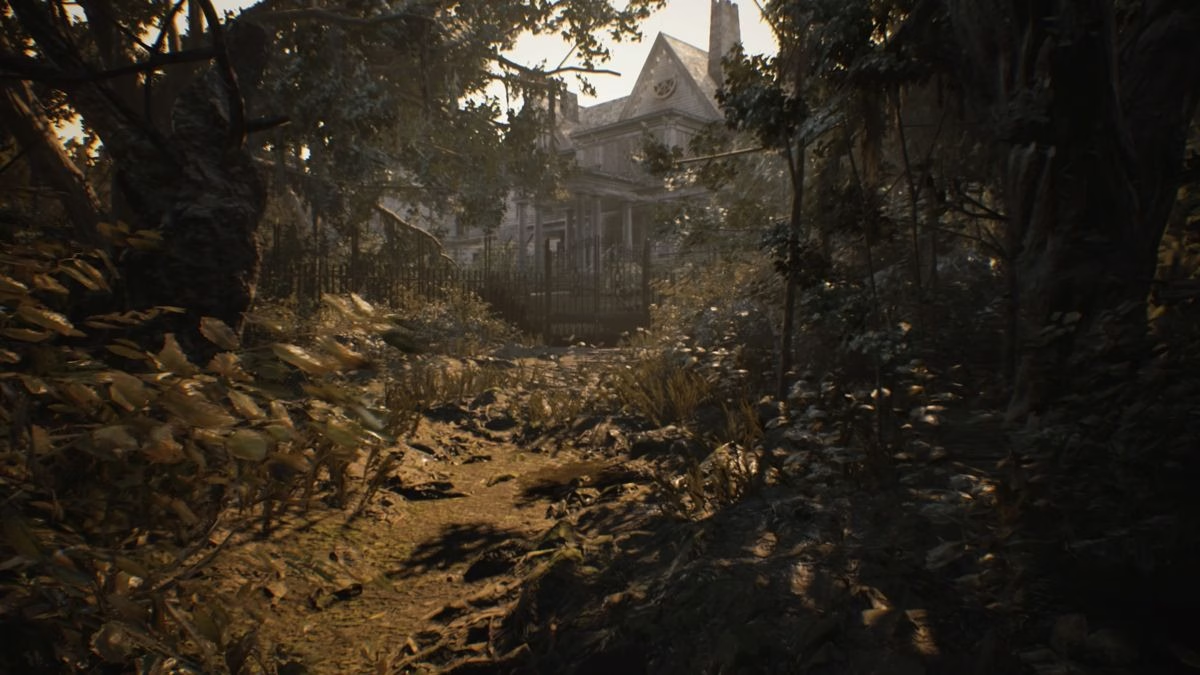
The PlayStation 4 game has a grimy, convincing look that makes the farm property feel uncomfortably lived-in and abandoned at once. Sunlight filters through dense trees on the approach to the old house, while indoors the decaying kitchen, warped wood, and narrow dark corridors are lit just enough to make you stare into the shadows. The first-person view keeps Ethan’s hands and weapons close to the camera, which makes a face-to-face encounter with a chainsaw-wielding woman particularly ugly.
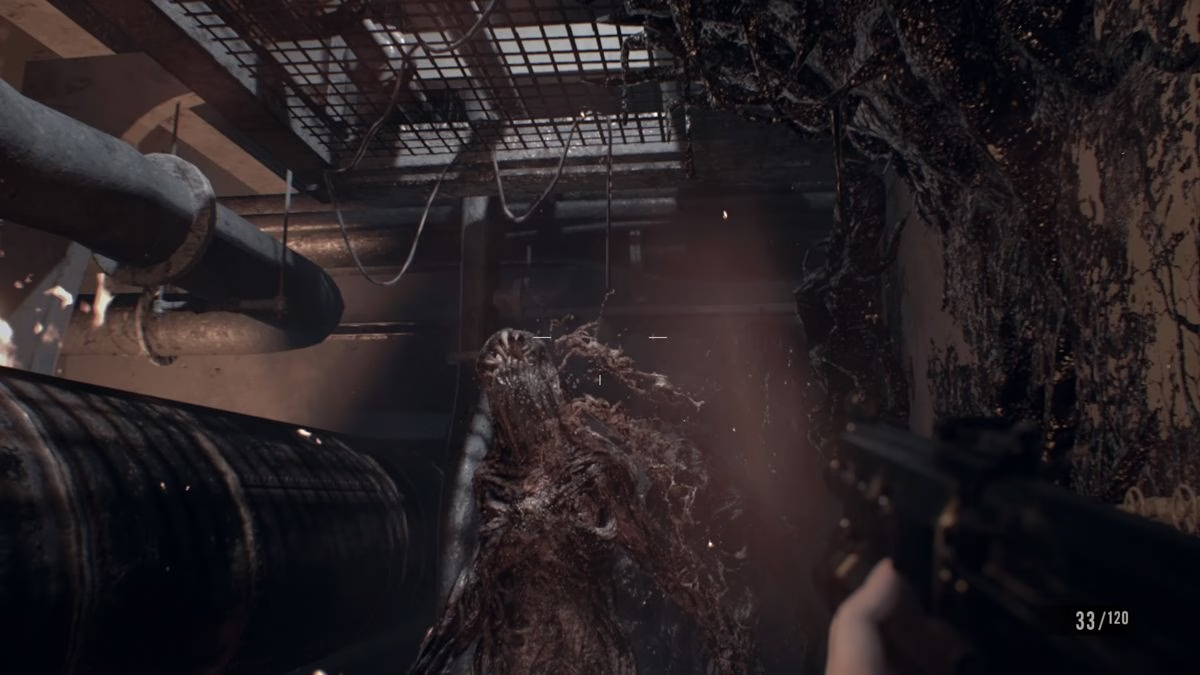
The enemy design holds up its end of the horror. Mold-covered creatures look wet, knotted, and wrong against the pipes and metal of industrial passages, and the murky lighting keeps their shapes unsettling until they are much too close.
Story
The setup is simple and effective: Ethan receives a strange video from Mia, his wife who has been missing for years, and heads to rural Louisiana despite her warning to stay away. It is a solid excuse to put an ordinary man somewhere he clearly does not belong, and the personal goal gives the early search more weight than a generic escape scenario would.
That narrow focus helps the first half sustain its dread. You are not initially asked to absorb a mountain of series history. You are trying to understand what happened to Mia and why this isolated property has become so hostile. The game lets its mysteries and uneasy discoveries carry you forward through the house.
As it goes on, Resident Evil 7 reconnects more openly with the larger Resident Evil universe, and that shift will land differently depending on what you want from it. The story-based DLC addresses several lingering questions involving Zoe, Lucas, and Chris Redfield, so the main campaign can feel like it leaves a few threads hanging. Still, Ethan and Mia’s predicament gives the core story enough human urgency to keep the horror from becoming empty spectacle.
Overall Experience
This is one of the best examples of Resident Evil rediscovering why survival horror works. Switching to first person was not a gimmick. It makes the house feel close, claustrophobic, and dangerous in a way that fits the series’ resource pressure perfectly. Every locked door and dark hallway becomes an invitation to worry.
Some frustration is part of the deal. Limited carrying space, scarce supplies, and enemies that resist a clean kill can punish impatience. If you want constant action or prefer to clear every area with confidence, the early game may feel restrictive. If you enjoy planning your loadout, banking useful items in boxes, and surviving by restraint, it is wonderfully tense.
The payoff is absolutely worth it for horror fans, especially anyone who missed the cautious, exploratory side of Resident Evil. The full VR mode can make the experience even more immediate, but the standard version already delivers a tightly controlled descent into fear. Resident Evil 7 is scary because it understands that the most alarming thing in a horror game is not seeing a monster. It is knowing you may have to walk past it again.



Reviews
There are no reviews yet.