 Retro Replay Retro Gaming History, Reviews & Emulation
Retro Replay Review
Gameplay
The Forgotten City starts with a terrific pressure point: somebody breaks the city’s rule, and everybody dies. That premise makes even an ordinary chat feel loaded. You are not just collecting clues for their own sake. You are trying to understand a web of people before one bad decision, yours or someone else’s, brings the whole situation down.
What makes the game work is how many ways it lets you pursue a lead. Reasoning, charm, bribery, intimidation, violence, and time-loop knowledge can all move a problem forward. Combat exists, but the game is right to treat it as a limited answer. The satisfying moments come when you return with a fact someone cannot deny, or realize that a choice which seemed final can be reconsidered with better information.
The loop structure rewards curiosity without making repeated investigation feel like busywork. You can experiment, uncover consequences, and use your growing knowledge to take a more deliberate route through the city. That said, this is a talk-first adventure. If you need constant action or want every mystery solved by a clean-cut puzzle, the emphasis on questioning and moral judgment may test your patience.
Your chosen gender, origin, and backstory give your character a place in the experience without distracting from the central case. More importantly, the game asks you to own your decisions. The multiple endings are not just a reason to replay. They fit a mystery built around the uncomfortable idea that doing the right thing can be harder than finding out what happened.
Graphics
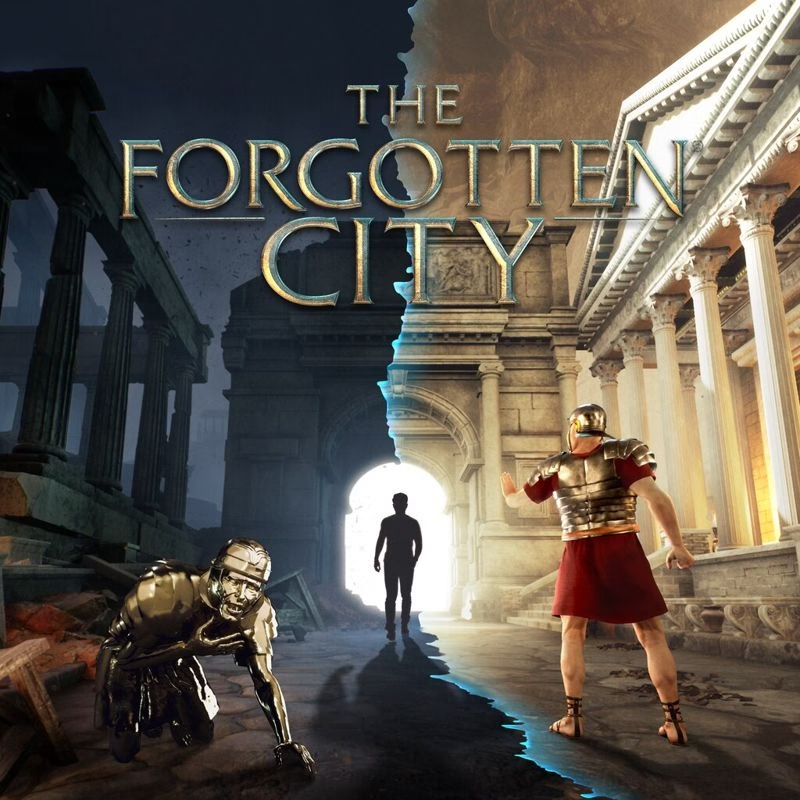
The ancient Roman city is built around historically authentic art, architecture, costumes, and customs, giving the investigation a grounded sense of place. Rather than treating Rome as a generic backdrop, the setting puts you among a community whose daily lives, public spaces, and social rules matter to the mystery.
Story
This is a mystery first, and it benefits from that focus. The cursed city supplies immediate stakes, but the stronger hook is the intertwined community living inside it. Every conversation can revise your understanding of a person, a motive, or the moral cost of pursuing the truth.
The Roman setting gives the game more to chew on than a simple whodunit. Its questions of sin, punishment, and collective responsibility become personal because the entire city can pay for one person’s act. You are pushed to weigh compassion against practicality, and certainty against the harm caused by acting too soon.
The non-linear structure suits the story especially well. You are not simply waiting for the plot to reveal its next chapter. You decide whom to question, which pressure to apply, and what risks are acceptable. That agency makes the outcomes feel earned, even when the ethical answer is not comfortable.
Overall Experience
The Forgotten City is for the gamer who wants to think through a mystery instead of simply surviving it. It has a strong central idea, but it earns its payoff through the smaller discoveries: a revealing conversation, an overlooked connection, or a new use for knowledge gained in an earlier loop.
Its biggest strength is restraint. Violence is available, yet the game keeps steering you toward investigation because that is where its best ideas live. The result feels more involving than an adventure that hands you one approved solution after another.
Give it a chance if you like dialogue-heavy detective stories, consequence-driven choices, and a setting with real thematic bite. The official The Forgotten City page is a useful place to get a closer look, but the key question is simple: do you enjoy revisiting a problem until understanding, rather than firepower, opens the way forward? If so, this is an excellent mystery with an unusually memorable moral hook.

Reviews
There are no reviews yet.