 Retro Replay Retro Replay gaming reviews, news, emulation, geek stuff and more!
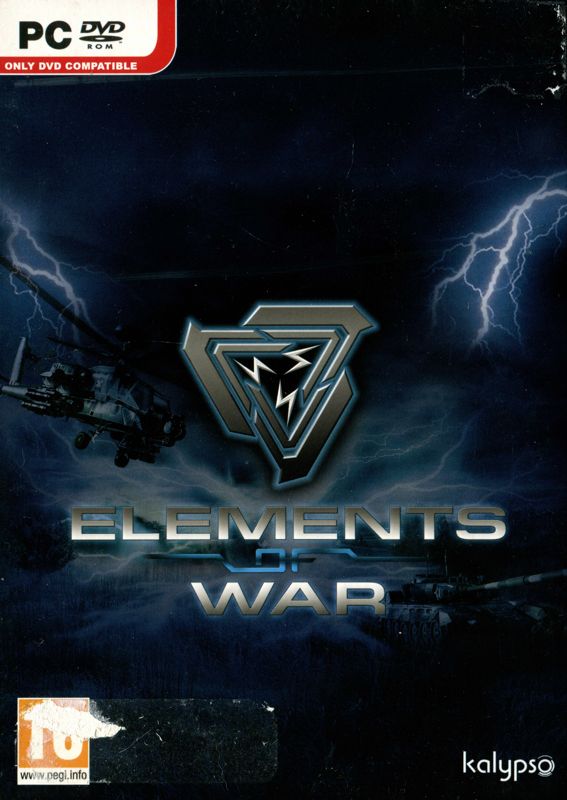
Retro Replay Review
Gameplay
The first few battles pull you in with a clean tactical proposition: there is no base to build, no sprawling economy to babysit, and no long runway before you are asked to make military decisions. You command soldiers and armor in real time, but pausing to queue orders keeps the pace from becoming a mouse-speed contest. That pause function is the heart of the game. Use it often, especially when a fight starts to spread across several fronts.
Mission objectives award tactics points, which then buy reinforcements. That creates a welcome link between playing objectives well and expanding your options, but it also makes army composition matter more than it first appears. The unit limit is tight, and unwanted units cannot simply be dismissed; losing them is the only way to free a slot. You will want to spend your forces because nothing carries into the next mission, yet careless spending can leave you stuck with a force that no longer suits the situation.
That disposable structure is both the game’s useful pressure and its biggest source of irritation. Units earn no experience and do not persist, so there is little reason to become attached to a particular tank or squad. The upside is that each mission becomes its own tactical puzzle. The downside is that the campaign lacks the satisfying sense of building a veteran army over time. If you enjoy solving individual engagements with the tools at hand, it works; if long-term progression is what keeps you invested in strategy games, it will feel thin.
Elemental weapons give the otherwise familiar tanks-and-infantry lineup some welcome personality. Each side has its own weather-manipulating arsenal, including effects such as earthquakes, and these tools suit a game built around sudden battlefield disruption. They also help the three-faction campaign avoid becoming twelve missions of interchangeable modern warfare.
Graphics
The diagonal-down battle view is built for watching units move through active combat zones and issuing orders across the map. With storms, tornadoes, and other elemental attacks central to the premise, the battlefield has a more dramatic backdrop than a standard modern-war skirmish.
Story
The plot does not aim for subtlety, and that is probably for the best. A US elemental-weapons experiment devastates the country with storms and tornadoes, European forces invade to seize the technology, and the paramilitary Patriots enter the fight with the same ambition. It is a broad, gleefully escalated setup for a military tactics campaign.
Taking control of all three factions across the twelve scripted missions is the strongest storytelling choice here. You are not locked into one righteous perspective while everyone else exists as target practice; each force gets a turn with its own units and elemental weapons. That gives the conflict more variety even when the central motivation—control the world-changing weaponry—is straightforward.
Do not come in expecting a character-focused war drama. The scenario is primarily there to move you from one tactical crisis to the next. Still, the disaster-struck United States and competing armies make a more memorable frame than a generic territorial conflict, and the elemental angle fits the gameplay rather than feeling pasted on.
Overall Experience
Elements of War is at its best when you treat it as a compact set of real-time tactical problems. Pause, assess the objective, decide what reinforcements are worth buying, and make peace with the fact that every unit is expendable by the next mission anyway. The combination of no base building and pause-anytime command makes it accessible without making its unit limits meaningless.
Its limitations are hard to ignore. The campaign is brief at twelve missions, the scenarios are scripted, and the lack of persistent units removes a major source of attachment and payoff. A bad army purchase can be frustrating precisely because the cap is so restrictive. This is not the sort of strategy game that grows into a sprawling personal war story.
Still, there is a clear audience for it: you want a focused modern-war tactics game, prefer direct mission objectives to resource harvesting, and like the idea of earthquakes and storms complicating conventional combat. For that niche, it is a solid, imperfect diversion. Everyone else may find that its good ideas run out before the campaign does.


Reviews
There are no reviews yet.