 Retro Replay Retro Gaming History, Reviews & Emulation
Retro Replay Review
Gameplay
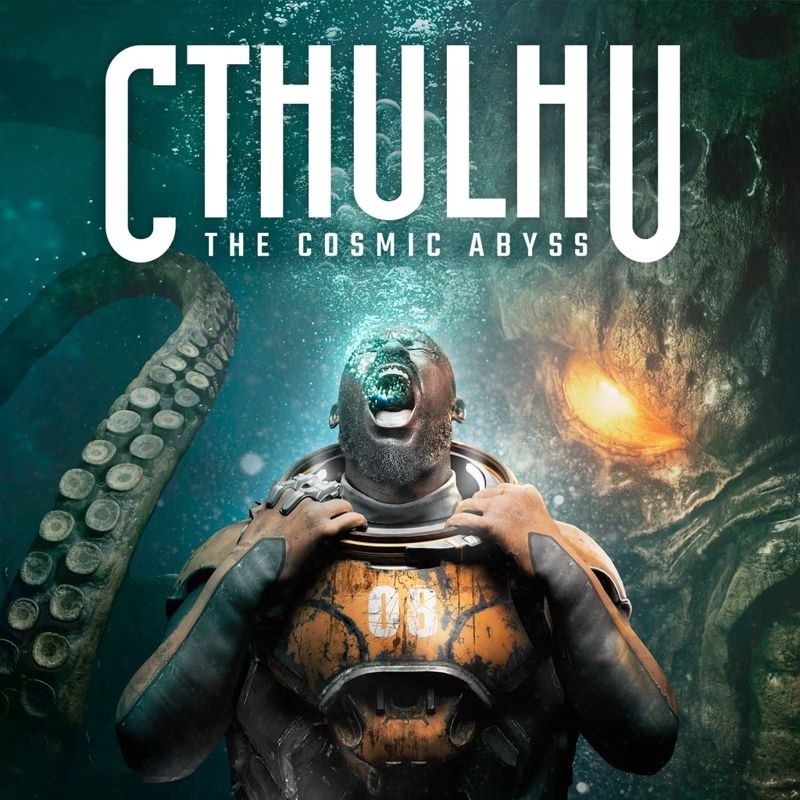
You are sent in as Noah Williams, an agent attached to a secret occult branch linked to Interpol, to investigate missing miners at a Pacific deep-sea installation. That setup puts you in the right kind of vulnerable position for Lovecraftian horror: not a soldier cleaning up a mess, but an investigator descending into a problem that becomes much larger and stranger than a disappearance.
The game leans on exploration, environmental investigation, and puzzle-solving instead of combat. That is the right call for a story about R’lyeh and an awakening cosmic entity. You will move through land-based and submerged spaces, with specialized underwater traversal adding a useful change of pace to the investigation. The risk is pacing. Exploration horror needs each new space to offer a meaningful clue, threat, or discovery, or the trip through a labyrinth can start to feel like stalling.
The sonar device is the most distinctive tool in the kit. It detects objects and materials through frequency patterns, and combining patterns can reveal relevant parts of the environment. That could make you feel like you are piecing together evidence rather than simply looking for an interact prompt. It will need enough variety to stay interesting, though. If every obstacle boils down to matching frequencies, the central investigation tool could become a routine.
Key, the AI integrated into Noah’s suit, handles navigation, analysis, and data management while serving as a companion in the narrative. An AI companion in a deep-sea nightmare has obvious dramatic potential, particularly when the environment is built to challenge perception. The best version of this relationship would make Key feel like a useful partner without draining the uncertainty from each discovery.
Instead of a standard sanity meter, corruption tracks Noah’s mental state through your choices. Multiple puzzle solutions can align with different paths, and those decisions influence narrative developments and the ending. That gives the game a welcome reason to think beyond the immediate solution. A puzzle becomes more interesting when the answer can also say something about the investigator you are becoming.
Graphics
The key locations have plenty of visual potential: a working deep-sea facility gives way to the submerged city of R’lyeh, described as vast, labyrinthine, and built around non-Euclidean architecture. Ancient ruins, futuristic industrial spaces, eldritch creatures, and the ocean should make for a more varied backdrop than a single gloomy mansion or asylum. The contrast between corporate deep-sea exploitation and impossible ancient structures is the image that sticks.
Story
The story starts with missing miners but reaches toward cult activity, corporate exploitation, and an effort to wake an ancient entity beneath the ocean. That escalation is familiar Lovecraft territory, yet the 2053 setting gives it a sharper angle. Greed, advanced technology, and the drive to exploit a hostile environment fit cosmic horror surprisingly well because they make human ambition part of the problem.
R’lyeh is more than a name-drop here. It is the central location of Noah’s descent, a city whose architecture and phenomena undermine his grasp on reality. Deep Ones, Shoggoths, and traces of ancient civilizations connect the plot to the wider mythos, but the science-fiction reinterpretation is what could keep those references from feeling like a checklist for longtime fans.
Corruption gives the narrative its most useful tension. Your choices do not merely decide whether you solve a puzzle, but can change Noah’s psychological direction and the outcome of the investigation. That is a better fit for Lovecraft than a simple good-or-evil meter. The premise is strongest when it asks whether getting the answer is worth what Noah has to become to reach it.
Overall Experience
Cthulhu: The Cosmic Abyss has the ingredients for a compelling slow-burn horror adventure. The ocean floor is an inspired place for cosmic dread, and pairing R’lyeh with a futuristic investigation gives the material more personality than a straightforward retread of familiar Lovecraft settings.
The game will live or die on how naturally its systems connect. Sonar scanning, underwater travel, Key’s analysis, and corruption-based choices should all make you feel like an investigator under pressure, not like you are cycling through separate puzzle-game chores. Its noncombat approach is a strength, provided the mysteries and locations keep building tension on their own.
Give it a chance if you want a first-person mystery where the danger comes from what you uncover and the decisions you make after uncovering it. Gamers looking for constant action may find its deliberate investigative focus too restrained, but anyone drawn to deep-sea dread, strange architecture, and branching horror stories has good reason to descend.


Reviews
There are no reviews yet.