 Retro Replay Retro Gaming History, Reviews & Emulation
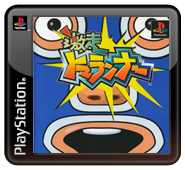
Retro Replay Review
Gameplay
The first race makes its priorities clear: you are not merely holding accelerate and waiting for the finish. Every character runs at a set pace, and the real contest is in earning bursts of speed through arm movement, well-timed jumps, and smart use of the course. Once you build enough momentum to lean forward into a dash, the race suddenly feels urgent. Holding that advantage is where the fun begins.
Split paths give the tracks more personality than a straight sprint would have had. A favorable route can let you stay airborne for a while when you carry enough speed, while a bad line or a mistimed obstacle can wreck the run you were building. That creates a satisfying push-and-pull: you need to look ahead for terrain opportunities without losing track of rivals who can punch you or hit you with weapon items.
The rough edges are built into that same design. A hit can slow you dramatically or knock you into a stunned fall, so a strong race can turn sour quickly. If you enjoy racing games where recovery matters and a lead never feels entirely safe, that volatility is energizing. If you want clean, controlled time-trial racing, the item attacks and physical interference may feel more irritating than exciting.
Graphics
The behind-view races keep the runner, obstacles, poles, springboards, and branching routes in front of you, which suits a game built around timing and terrain. Its cast of fantasy, fable, and mythological characters gives the races an intentionally strange anime-flavored look rather than the usual cars-and-asphalt racing setup.
Story
Gekisō Tomarunner keeps its stakes simple: get through a series of unruly races and finish ahead of the pack. The tournament mode gives that goal a useful frame, but the moment-to-moment drama comes from momentum swings on the track rather than elaborate narrative setup.
The unusual character lineup helps each contest feel less like a conventional athletic event and more like a cartoonish contest of rivals. Since racers can disrupt one another with punches and items, the competitive tone is playful but combative.
That straightforward setup is a good fit for the game’s pace. You are here to learn routes, nail movement timing, and turn a near-disaster into a late dash, not to pause for a complicated tale between races.
Overall Experience
This is a racing game for anyone who likes the idea of a platformer’s timing demands folded into a competitive footrace. The best moments come when your arms, jumps, and route choice line up, letting you convert hard-won momentum into a dash while everyone else scrambles behind you.
It can be punishing because a collision or attack carries real consequences, but that also stops races from becoming settled too early. You need to stay engaged even when leading, and you have a reason to keep fighting when behind. The two-player versus mode is especially well suited to that back-and-forth.
Gekisō Tomarunner is not for someone after a relaxed racing game, but its commitment to physical, messy competition makes it memorable. Give it a chance if branching courses, risky shortcuts, and sudden reversals sound more appealing than simply finding the fastest line and driving it perfectly.

Reviews
There are no reviews yet.