 Retro Replay Retro Gaming History, Reviews & Emulation
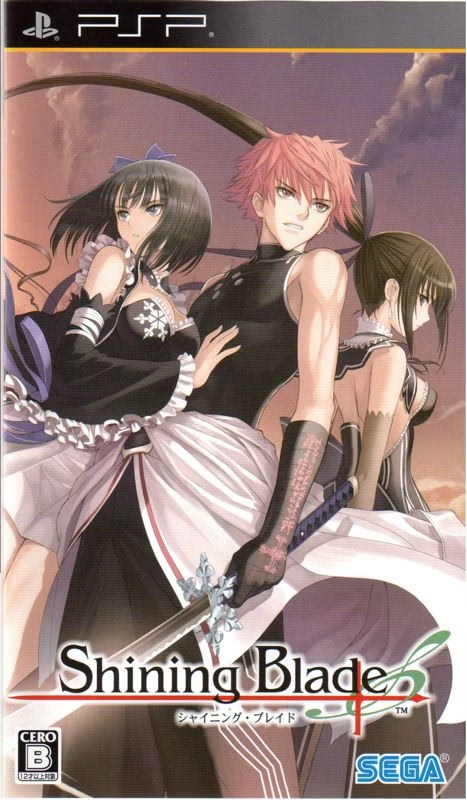

Retro Replay Review
Gameplay
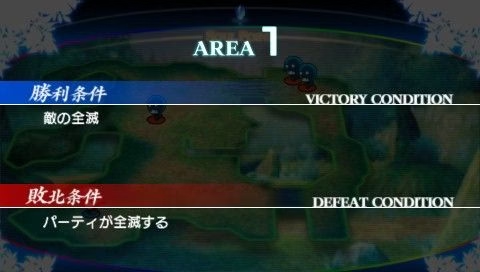
Shining Blade is most interesting when it lets its party fight as a group instead of making Rage carry every encounter alone. You can take up to four allies into battle, and the Concerto system puts strategy and cooperation at the center of those clashes. That is a strong foundation for a game built around choosing a useful party rather than simply assembling a few favorite characters.
The available weapon mix gives the team some welcome shape. Swords, bows, and magic naturally suggest different jobs in a fight, while songstresses can sing to provide the party with special advantages. That class is the standout idea here. A support-focused companion can make party composition feel like a real decision, not just a matter of bringing whoever hits hardest.
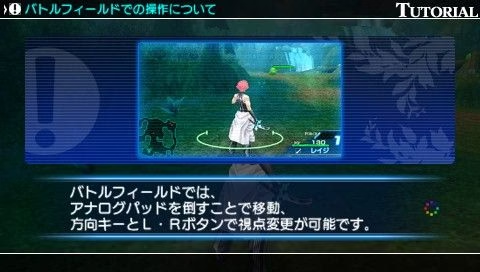
Battlefield movement has an immediate, direct feel, with Rage running through areas rather than being confined to a static board. The game does take time to explain its battlefield basics, which may feel slow if you already know what you are doing, but the tutorial is sensible for a system that wants you to consider positioning and teamwork. Give Shining Blade a chance if you enjoy tactical RPG combat with an active field format and a party built around complementary roles.
Graphics
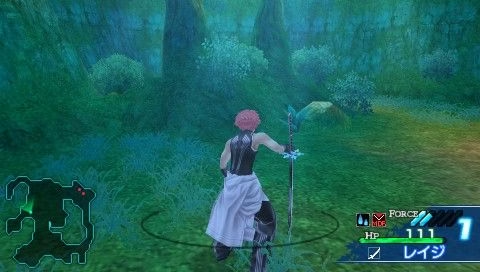
The field scenes use a close third-person camera behind Rage, a pink-haired fighter in a dark sleeveless top and flowing white lower garments. Forest paths, mossy rock walls, thick green foliage, and a distant waterfall create a pleasant fantasy backdrop, though the PSP image has soft textures and blurry detail that can make the environments look muddy.
A bright, snowlike shower of white particles during a character scene is far more striking than the ordinary exploration view. It gives the game a brief burst of dramatic sparkle, while the small green enemy and natural scenery otherwise keep the look simple and grounded.

Story
There is no mystery about the stakes: the Dark Dragon’s villainous leader has returned, the empire’s spirit energy is being drained, and dragons are tearing through the land. Rage’s search for the legendary Shining Blade is a clean, classic quest structure, and it gets moving quickly.
Rage is joined by Yukihime, his soul blade, along with a growing group of companions. That framing gives the adventure a character-collection energy, and the relationship scenes offer a reason to care about who fights beside him beyond their battle roles.
The premise is broad anime fantasy, complete with an imperiled empire and a hero destined to find the one weapon that can set things right. It is not a story setup that will surprise genre veterans, but it has enough room for the cast bonds to matter. If you like earnest heroes, magical companions, and a straightforward save-the-world journey, it should land comfortably.
Overall Experience
Shining Blade’s biggest strength is that its combat ideas fit its party-driven adventure. Concerto, group skills, varied weapon types, and songstress support all point toward fights where a well-chosen team matters. The relationship material also ties naturally into that focus, making companions feel like more than interchangeable units.
Its weaker side is the familiar shape of the quest. Rage is asked to stop a revived evil, calm a world in chaos, and find a legendary blade, all material that fantasy RPG fans have seen many times. The game needs its party interplay to carry the experience, and thankfully that is where its most distinctive ideas sit.
For you, the deciding factor is simple: if you want a tactical RPG that emphasizes party cooperation and gives support characters a clear place in the lineup, Shining Blade is worth investigating. If a conventional anime-fantasy campaign needs a more unusual hook before you commit, the story alone may not do enough to pull you through.

Reviews
There are no reviews yet.