 Retro Replay Retro Gaming History, Reviews & Emulation


Retro Replay Review
Gameplay
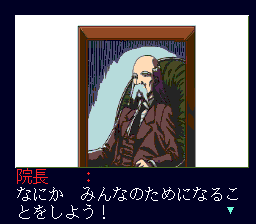
Mahjong Clinic Special wastes little time pretending it is anything other than a vehicle for mahjong. You guide a school principal through a hospital, pick rooms from a map, hear a short exchange, and are pushed into a match against someone you have encountered. That structure gives the opening a slightly goofy sense of momentum: there is always another room to visit and another opponent waiting, even if you are really here to arrange tiles.
What starts to click is the clean division between the two ways to play. Story mode turns each match into the next stop on the hospital tour, while the separate mode lets you skip the setup and compete directly against the same pool of opponents. That second option matters. It makes the game easier to return to when you want mahjong without having to retrace conversations or navigate the map first.
Frustration is likely to set in if you need more than repeated matches and short connective scenes to stay engaged. The hospital route does not sound like a rich adventure so much as a delivery system for its tile games, and the cast’s role is primarily to become the next challenger. Go in because you like mahjong, not because you expect the surrounding structure to transform it into a deep narrative campaign.
Graphics
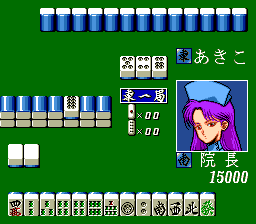
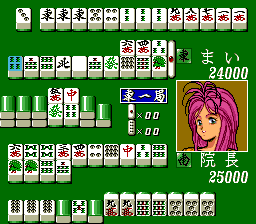
The game leans into its anime/manga framing, with character encounters surrounding the mahjong portions. The map-and-conversation setup gives the hospital a place in the flow, but the matches remain the visual focus of play.

Story
The premise is unapologetically strange: a school principal brings female students to a hospital for tests, then wanders through the building meeting nurses, patients, schoolgirls, and other potential mahjong opponents. It has the kind of offbeat early-1990s Japanese game setup that is memorable before you have even played a hand.
That said, the story is thin by design. Conversations lead invariably back to mahjong, so the writing functions more as a brief introduction to each encounter than as a plot with escalating stakes. The setting gives the matches a theme, but it does not appear to offer much dramatic payoff beyond moving you along to the next table.
Your tolerance for the setup will be personal. If you can enjoy a bizarre anime premise as a light wrapper around a familiar game, it is harmlessly distinctive. If the repeated use of female characters as opponents and the clinical setting feels uncomfortable or tiresome, nothing in the basic structure suggests the game will win you over later.
Overall Experience
Mahjong Clinic Special is a narrow recommendation, but not an empty one. For a player who already knows the appeal of mahjong, its story route gives individual games a little connective tissue and its direct competition mode respects the urge to just play. The core loop is easy to understand: explore, meet someone, play mahjong, repeat.
Its biggest weakness is also its honesty. There is not much distance between the first hour and the rest of the experience: the hospital map, brief dialogue, and rotating opponents keep feeding the same activity. That can feel pleasantly focused when you are in the mood for tile play, or painfully repetitive when you are not.
Give it a chance if traditional mahjong is enough to carry a game and you have a taste for obscure anime-styled TurboGrafx CD curiosities. Everyone else should treat it as a period-specific oddity rather than a hidden strategy classic. The payoff is a dependable string of mahjong matches, not a revelation waiting behind the hospital doors.


Reviews
There are no reviews yet.