 Retro Replay Retro Replay gaming reviews, news, emulation, geek stuff and more!


Retro Replay Review
Gameplay
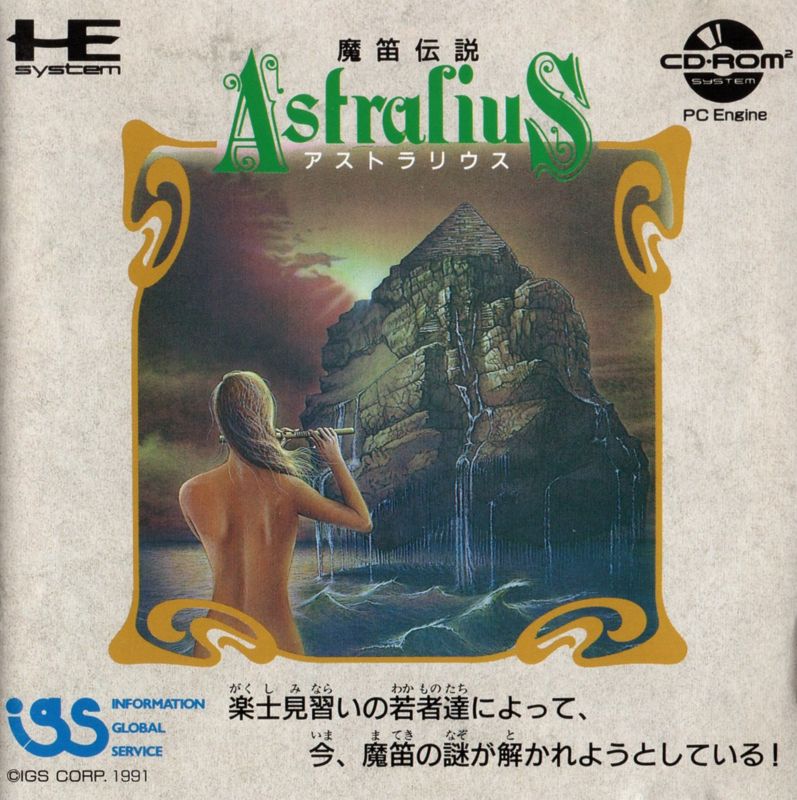
The first thing Mateki Densetsu Astralius gets right is making its hero immediately more memorable than the usual sword-carrying chosen one. You begin as a band leader known as the Flute, name him and the rest of the heroes yourself, then watch a supposedly ordinary cruise gig turn into a trip to another world. It is a goofy, cheerful premise, but it gives the adventure a hook before you take the first steps through Astralius.
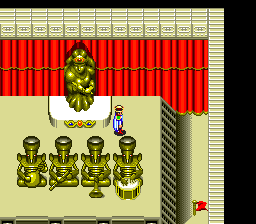
Once you are out in the world, though, this is firmly built in the old Japanese RPG mold. You explore from a top-down view, visit towns, buy weapons, armor, and items, then head into dungeons where random battles interrupt the journey. Progress is linear and levels arrive automatically, so the game does not ask you to reinvent the genre or build elaborate character setups. It asks whether you are in the mood to follow a clear path, keep your supplies in order, and work through one encounter after another.
Combat shifts to a first-person turn-based view and keeps the focus on familiar RPG decisions. The musical angle carries into magic, which the game calls “performing,” while still using magic points like any conventional spell system. The twist is that those points have to be bought at special shops. That can make preparation feel more concrete, but it can also become a point of irritation if you dislike tying magical endurance to shopping trips. Go in expecting an RPG that values routine and resource management over novelty.
Party growth is another reason the concept has legs: the Flute gradually gathers fellow musicians, including a trumpet player and drummer, turning the initial joke into a full adventuring group. Still, the underlying loop remains traditional enough that the theme needs to do some of the heavy lifting. If random encounters and dungeon delving already sound comforting, the band setup is a pleasant extra. If those basics wear you down, calling spells performances will not radically change the rhythm.
Graphics
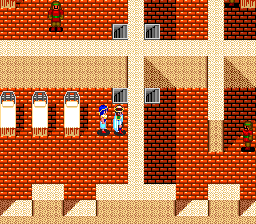
Exploration uses a top-down viewpoint, while battles are shown from a first-person perspective. That split is familiar for an RPG of its era: you navigate the world from above, then face enemies head-on once combat begins.
The game carries an anime/manga fantasy label, but its most distinctive image is still the unlikely party at its center: musicians pulled from a cruise ship into a land of angelic creatures, monsters, and demonic danger.

Story
Astralius is built around a knowingly silly contrast that works in its favor. A cruise-ship band should not be the group fate selects to confront a demonic threat, yet that is exactly the situation. The Flute is apparently the only flutist across all dimensions, and his Magic Flute is the answer to a world in trouble. It is a premise with enough confidence to be charming rather than merely strange.
The story also gives the player a small but welcome foothold by letting you name the heroes before the quest begins. That matters more here than in a party of anonymous fantasy recruits, since the band members join an adventure far beyond anything their original job prepared them for. The trumpet player, drummer, and other musicians make the team feel connected by a shared life before Astralius ever asks them to become heroes.
Do not expect the structure to wander far from a direct save-the-world campaign. The plot moves forward linearly, and the demonic threat provides a clear destination. The payoff is in the contrast: a noble-paladin mission carried out by performers whose greatest credential is that they can play together. If you enjoy fantasy with a dash of playful absurdity, that angle gives the journey more personality than its familiar RPG framework suggests.
Overall Experience
Mateki Densetsu Astralius is easiest to recommend to someone who enjoys early Japanese RPG habits rather than someone hunting for a radically different one. You will be doing the recognizable work of visiting towns, buying gear and items, exploring dungeons, enduring random encounters, and taking turns in battle. The game does not disguise that structure; it decorates it with a remarkably likeable musical premise.
Its biggest strength is that it commits to that premise. “Performing” magic, purchasing magic points, and recruiting a band instead of a standard lineup of warriors give even ordinary RPG tasks a different flavor. The biggest frustration is equally clear: the linear progression and random-battle dungeon routine demand patience, especially when you must think ahead about magical resources.
The absence of voiced scenes and animated cutscenes leaves the game leaning on its basic adventure flow and its setup rather than big dramatic flourishes. For the right mood, that simplicity is fine. Settle in with it as a compact, traditional fantasy RPG whose memorable idea is not that music changes every rule, but that a band of accidental heroes makes those old rules feel a little more amusing.



Reviews
There are no reviews yet.