 Retro Replay Retro Gaming History, Reviews & Emulation
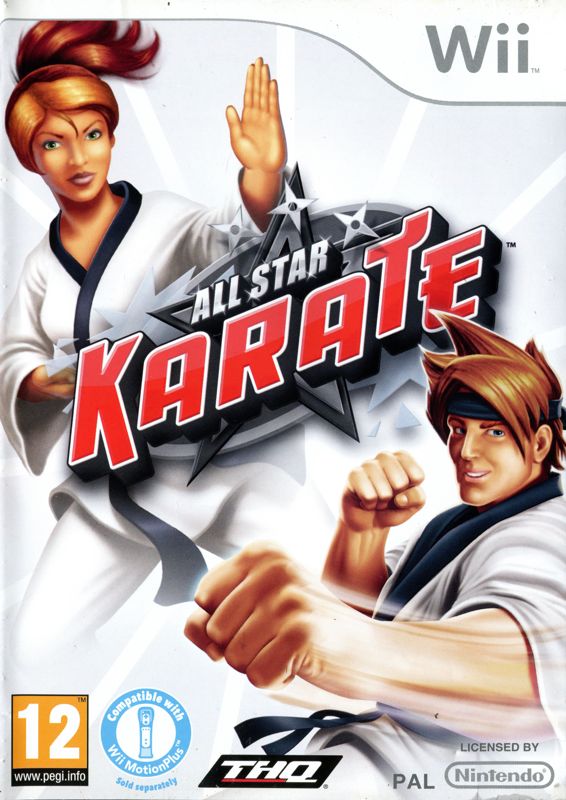
Retro Replay Review
Gameplay
The first hour is built around a good idea: you are not merely pressing a button for a punch, but trying to make the right karate-like gesture at the right time. Kata Routine is the clearest expression of that idea. On-screen icons lead you through strings of moves, and the longer routines ask you to stay composed rather than fling the Wii Remote around. When you settle into its pace, it can feel pleasantly disciplined for a game that otherwise has the loose energy of a Wii mini-game collection.
Several events test the same skills from different angles. Follow My Lead turns Sensei’s demonstrations into a memory game, revealing only the newest move as the sequence grows. Mirror/Mimic adds a last-second instruction that can make an easy gesture suddenly awkward, which is where reflexes and concentration matter more than raw enthusiasm. These are straightforward ideas, but they suit the trainee theme and make practice feel more purposeful than random motion-control busywork.
Spar Time is where those learned moves are meant to pay off, pitting you against opponents until someone reaches the target score. Do not come expecting the tactical depth of a traditional fighting game; its role is to let you apply routines and combos you have practiced. The two-player sparring option and 17 unlockable characters make it a better fit for casual competition, especially when both people are willing to accept that accurate gestures are part of the challenge.
Danger Room brings in target-smashing while asking you to avoid valuable objects and hazards, and At The Movies has you fend off cinema-invading ninjas with a wooden training sword. The latter requires Wii MotionPlus, while the wider game supports either a Wii Remote and Nunchuck or two Wii Remotes. Small interruptions such as fly catching in the menus, belt tying, and box breaking give the game a playful streak, although they also reinforce that this is a collection of short tests rather than one sustained combat campaign.
Graphics
The action is framed around clear on-screen gesture icons, an aged Sensei, sparring opponents, and simple themed spaces such as Sensei’s hut and the local cinema. The side-view fighting format should make head-to-head exchanges easy to watch, while the target objects and hazards in Danger Room give that mode an immediate, readable focus.
Story
Story Mode gives the game a gentle through-line: you are a karate trainee working toward a black belt under an aged Sensei. It is not trying to carry the experience with drama. Instead, the story exists to give your drills, goals, and new techniques a sense of progression.
The relationship with Sensei is the center of the framing, since you learn from him and gradually learn about him. That is enough to make the repeated training challenges feel more connected than selecting isolated activities from a menu, even if the real draw remains the physical act of completing each exercise.
Reaching Story Mode goals also opens Challenge Mode and the Kata Editor, so progression has a practical reward beyond the black-belt premise. If you want a sweeping martial-arts tale, this will feel light. If you like having a small reason to keep training through familiar motion tests, the story does its job.
Overall Experience
All Star Karate works best when you treat it as a light training-and-party game instead of a serious fighting game. Its strongest moments come from cleanly following a kata, recalling a growing sequence, or beating a friend after both of you have spent time learning the same set of motions. There is a nice arc from imitation to application, even within a small collection of events.
Frustration can set in if you want constant novelty or precision without any tolerance for motion input. Much of the game circles back to gesture recall, reactions, and correct execution, so the core loop has to click for you. The Kata Editor is a welcome outlet for anyone who enjoys practicing and arranging moves, but it will not convert someone who finds the basic routines repetitive.
For Wii owners who enjoy active local multiplayer and can appreciate a structured series of karate-themed drills, it is worth a look. The Story Mode unlock path, Challenge Mode, and sparring give the package more shape than a one-note novelty. The payoff is modest but real: a friendly, physical game whose better moments make you feel as though you earned a smoother routine rather than simply stumbled through it.


Reviews
There are no reviews yet.