 Retro Replay Retro Gaming History, Reviews & Emulation
Retro Replay Review
Gameplay
The hook here is straightforward and effective: you spend this optional chapter alongside Golbez and Fusoya, tracking the Mysterious Girl after she invades the Moon and petrifies Bahamut. That premise gives the adventure a sharper purpose than a detached bonus dungeon. You are not simply checking another tale off a list; you are following two characters whose connection to Final Fantasy IV gives the pursuit some built-in importance.
Combat uses the Bands and moon-phase changes introduced in The After Years. Bands are the more immediately satisfying part of that equation, since they make the party composition feel like more than a cosmetic choice. The moon phase adds another condition to consider as you move through the tale, so success is not just about leaning on the same approach in every encounter.
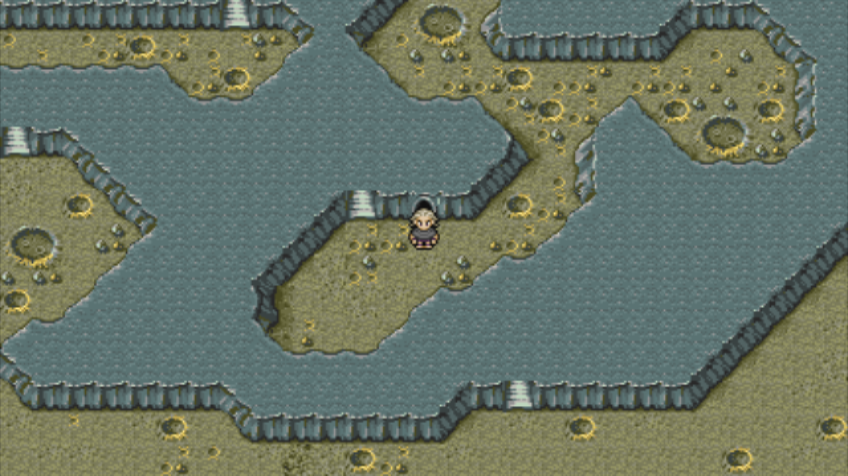
Once the main story is finished, the Challenge dungeon in the Lunar Subterrane gives you a clear postgame target: a maze of corridors with further exploration to do. Finding a special item there unlocks a second Challenge dungeon, which is a nice extra layer for anyone inclined to push beyond the credits. More importantly, completion lets you export one character, including equipment, items, and characteristics, to The Crystals. That practical reward makes the detour matter if you intend to see the wider finale.
Graphics
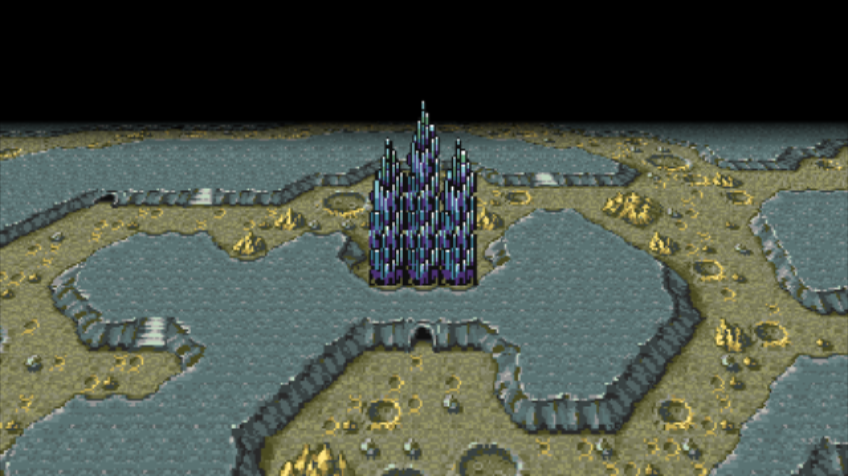
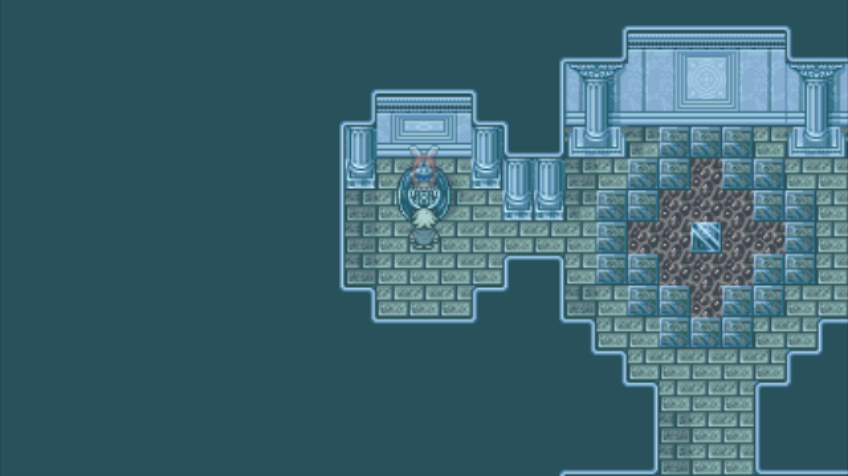
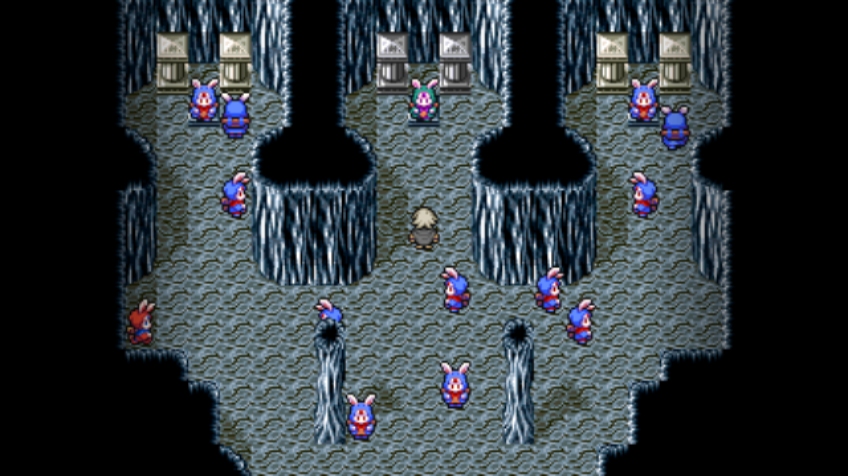
The action remains rooted on the Moon, with the Lunar Subterrane serving as the setting for its Challenge dungeons. The chapter’s most memorable image comes from its premise: Bahamut left petrified after the Mysterious Girl’s attack.
Story
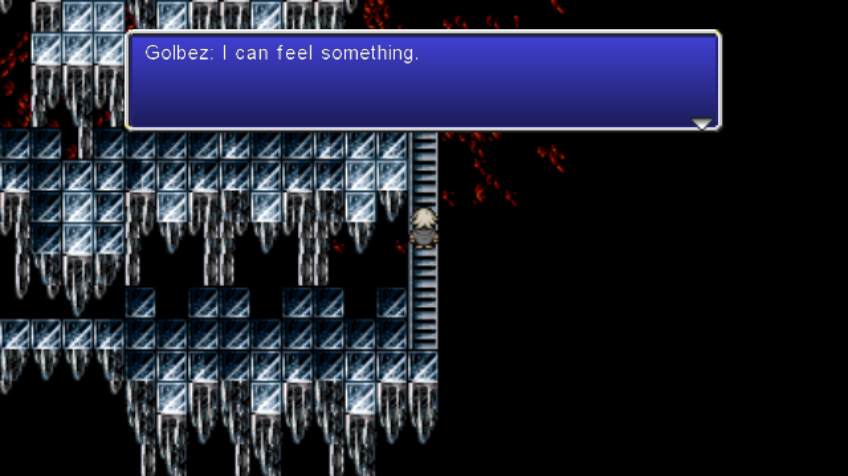
This is a character-focused side story, and that is why it works. Golbez and Fusoya are not strangers drafted into a disposable mission; they are Lunarians with deep ties to the original Final Fantasy IV. Their attempt to find and confront the Mysterious Girl naturally feels like a meaningful extension of the larger conflict.
The villain’s assault on the Moon gives the tale urgency without requiring a giant new premise. Petrifying Bahamut in the same manner as the Eidolons is a pointed escalation, and it places the Mysterious Girl’s threat squarely in front of the two protagonists. The plot is optional, but it is not frivolous.
You do not need to finish this chapter to complete The After Years, so its story should be treated as enrichment rather than required homework. Still, fans invested in Golbez and Fusoya will likely find more value here than in a tale built around a less personally connected cast.
Overall Experience
The Lunarians’ Tale is a good optional chapter because it knows exactly who it is for. It gives Golbez and Fusoya a direct, consequential problem, uses the established combat systems rather than distracting from them, and follows through with post-story dungeon challenges for players who want to dig in.
The main frustration is structural rather than moment-to-moment: this remains an add-on tale, not a necessary pillar of the full game. If you only want the required route through The After Years, you can safely move on. If the original Final Fantasy IV left you interested in its Lunarians, though, this is the kind of side content that feels worth making time for.
It also fits neatly beside other character-centered chapters, including Edward’s Tale. Play it for the Lunarian perspective first; the transferable character and two-stage Challenge-dungeon reward make the payoff better for anyone continuing into The Crystals.


Reviews
There are no reviews yet.