 Retro Replay Retro Gaming History, Reviews & Emulation
Retro Replay Review
Gameplay
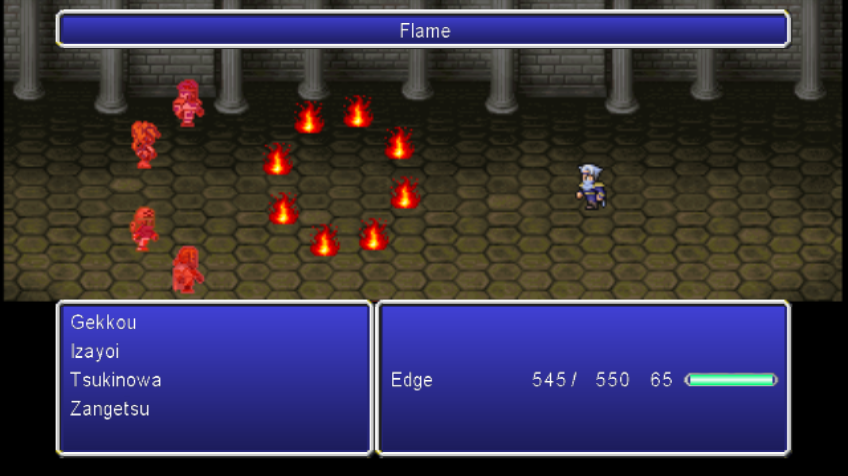
The first stretch of Edge’s Tale is compelling because it makes you live with separation. Edge and his four ninja apprentices begin on their own investigations, so you are not immediately leaning on a comfortable full party. It gives this downloadable chapter a tighter, more purposeful feel than a routine side excursion. Once everyone joins up, the shift into a complete ninja team lands nicely.
What keeps the tale from being disposable is that its danger has teeth. Some ninja characters can die permanently, removing them not only from the rest of this chapter but from later downloadable tales as well. That raises the stakes considerably: you are not just pushing toward the next battle, but protecting characters whose absence can affect your wider After Years run. If you dislike irreversible losses, this can be the chapter’s most frustrating quality. If you enjoy a little consequence in an RPG side story, it gives your decisions weight.
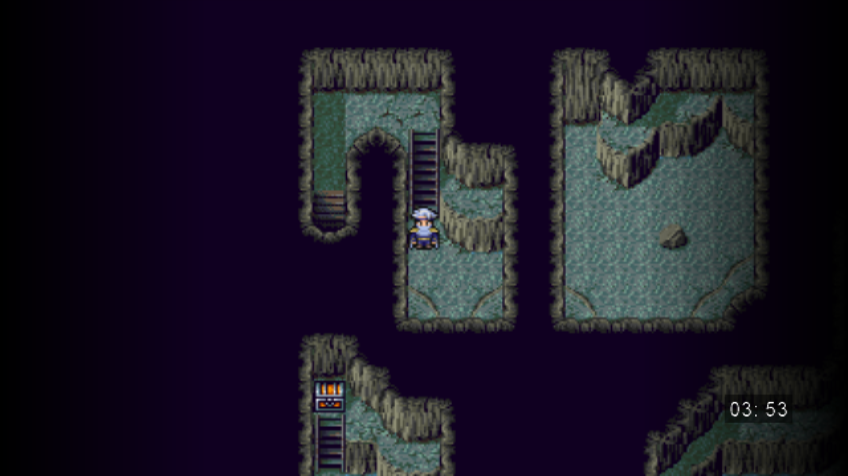
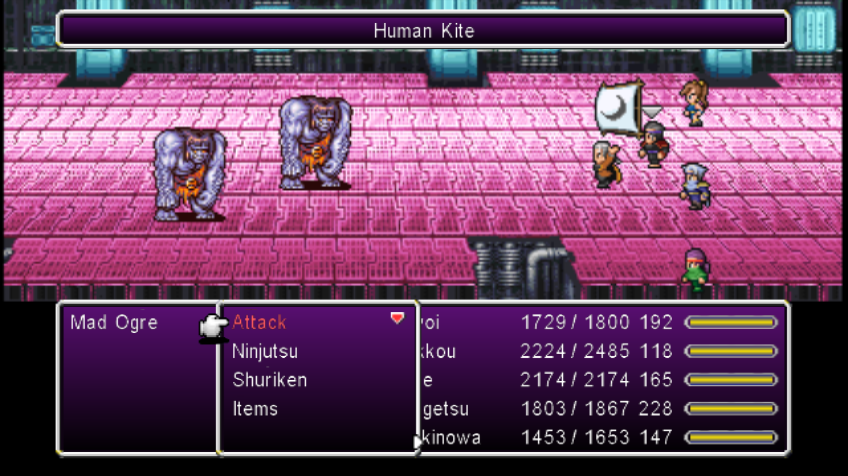
The familiar band and moon-phase mechanics return, so this is not a detached minigame wearing Final Fantasy IV clothes. It sits squarely within The After Years’ systems while giving Edge’s group its own angle through the apprentices’ distinct abilities. After the story, the Challenge dungeon offers a welcome second reason to return. Its Tower of Babil-inspired floors reward speed with better final loot, and the randomly hidden rare chests add a tempting risk-reward wrinkle to repeat attempts.
Graphics
The Challenge dungeon’s Tower of Babil look gives the post-game run a recognizable Final Fantasy IV backdrop. More importantly, the story keeps the camera on Edge and his ninja apprentices, so the chapter’s character focus comes through even as the group begins apart and later gathers together.

Story
“The Pulse of Babil” works because it picks a worthwhile returning lead. Edge is already a major Final Fantasy IV character, a ninja and king of Eblan, and this tale lets him carry a chapter rather than merely join somebody else’s adventure. The second moon investigation supplies a clear reason for the apprentices’ separate paths without turning the premise into an unrelated detour.
The apprentices are more than extra bodies for Edge’s party. Their individual abilities distinguish them in play, while the possibility that they may not survive makes their place in the story feel unusually fragile. The team-up later on is the obvious destination, but the route there has more tension than a standard “assemble the party” chapter.
It is still optional, and that matters when deciding where it belongs in your play order. You do not need Edge’s Tale to complete Final Fantasy IV: The After Years, but finishing it lets you export its characters, equipment, items, and statistics into The Crystals. If you are moving through the tales as a connected anthology, it is a meaningful investment. For another perspective on that broader structure, see Palom’s Tale.
Overall Experience
Edge’s Tale earns its optional status rather than feeling like filler. Its strongest idea is simple: make a compact character chapter matter beyond its own ending. The permanent-loss possibility will not suit everyone, but it gives the episode a level of tension that many RPG add-ons never reach.
Go in for Edge if he was one of your favorites in Final Fantasy IV, but stay for the way the chapter connects its small party story to the larger After Years campaign. The ability to bring survivors and their progress into The Crystals gives completion a practical payoff, not just another ending screen.
The Challenge dungeon is the bonus that rounds out the package. It asks for speed rather than endless grinding, and its randomized rare-item chests make repeat runs less mechanical. Edge’s Tale is not essential, yet it is one of the better reasons to treat The After Years’ separate tales as parts of one long journey instead of isolated downloads.


Reviews
There are no reviews yet.