 Retro Replay Retro Gaming History, Reviews & Emulation
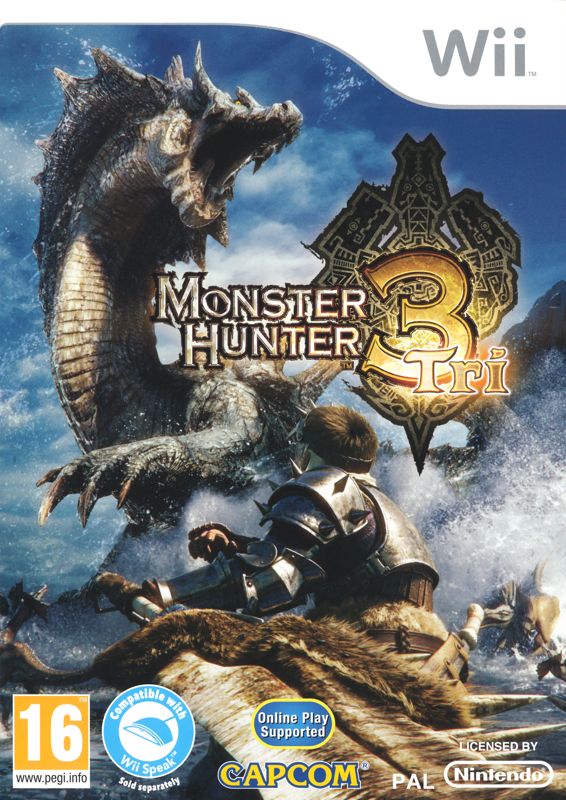
Retro Replay Review
Gameplay
Monster Hunter Tri understands that a big hunt should feel like the main event. The game is built around confrontations with boss-sized, dinosaur-like monsters, and it does not dilute that focus with a pile of distractions. When a hunt ends, carving the creature for materials gives the win a tangible payoff: you are not simply ticking off a quest, you are collecting the parts needed to improve your gear and take on the next challenge.
That loop is the heart of the game, and it is a strong one. Equipment upgrades create a satisfying sense of momentum because they come directly from the creatures you have faced. Village upgrades add another layer of progression around the hunts, though the monumental encounters remain the reason to keep going. Tri works best when you accept that advancement is tied to repeated combat and careful use of what you bring home.
Underwater combat gives this entry a clear identity within the series. It changes the context of a hunt without pulling the game away from its central purpose: overcoming a huge opponent. Some readers will naturally prefer the more immediate certainty of land-based fighting, but the underwater addition keeps the game from feeling like a simple repeat of the same monster battles. If you enjoy action RPGs that make the fight itself the destination, Tri has the right priorities.
Graphics
Tri’s visual identity begins with its monsters. The dinosaur-like designs have to carry much of the game’s atmosphere, because the action repeatedly asks you to study and confront them at close range. That emphasis suits Monster Hunter well: the creatures are not incidental enemies on the way to a finale, but the central subjects of the game.
The Wii setting also makes this a game worth approaching with the right expectations. This is an older release, and its presentation belongs to that era rather than chasing modern spectacle. Still, the design has a practical clarity in concept: oversized enemies and the distinction between land and underwater hunting give each encounter a readable purpose.
What matters most is that the presentation supports the scale of the hunt. Tri is trying to sell the idea that a single monster can dominate an expedition, and its whole visual premise is organized around that confrontation. Readers looking for a modern technical showcase should temper expectations; readers who value creature-focused fantasy atmosphere will find more to appreciate.
Story
Monster Hunter Tri is not presented as a plot-heavy adventure. Its narrative pull comes from the hunter’s role in a village and from the escalating logic of the work: go out, defeat dangerous creatures, return with useful materials, and improve your ability to face the next one. That is a simple frame, but it fits the game’s methodical rhythm.
The village-upgrade element gives your progress a little more context than a bare sequence of battles. Even so, Tri keeps the spotlight on action and advancement rather than on elaborate story turns. The most convincing drama comes from the prospect of a difficult hunt and the relief of bringing back what you need.
That makes this an easy game to recommend selectively. Come in wanting a strong fictional setting for repeated expeditions, not a character-driven tale with major narrative revelations. The premise is functional and appropriate, but the real story is the one you create through successive victories, better equipment, and larger targets.
Overall Experience
Monster Hunter Tri is a focused action RPG with a patient, rewarding core. Its best moments come from the connection between challenge and progression: every monster can supply materials, every material can matter for equipment, and every equipment improvement feeds back into the next hunt. It is a loop with real purpose rather than a grind for its own sake.
Multiplayer substantially strengthens that foundation. Up to four hunters can team up, and the game supports communication through Wii Speak or a USB keyboard rather than relying on the Wii Friend Code system. Hunting alongside a group is an excellent fit for a game centered on enormous enemies, although anyone buying in solely for solo narrative content may find the emphasis narrower than expected.
The 7.8 score feels fair. Tri is not a universal recommendation, because its deliberate hunt-and-upgrade structure asks for patience and its Wii presentation shows its age. But Capcom gives committed hunters a distinctive underwater twist and a substantial cooperative component, making this a worthwhile choice for anyone who wants their action RPG progression earned through big, repeatable battles. For another contemporary perspective on the Wii release, read Nintendo Life’s Monster Hunter Tri review.


Reviews
There are no reviews yet.