 Retro Replay Retro Gaming History, Reviews & Emulation

Retro Replay Review
Gameplay
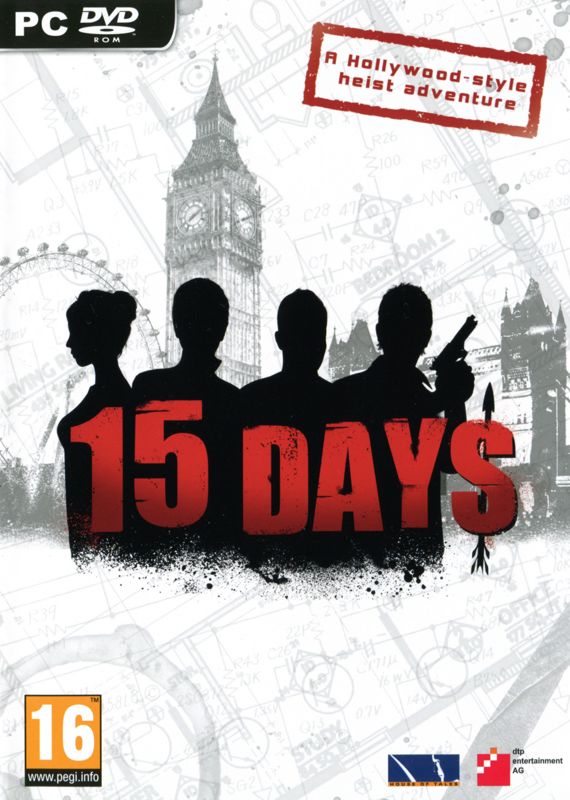
The first pull in 15 Days is not simply that you are stealing art; it is that the thieves believe they are doing the right thing. Cathryn, Mike, and Bernard rob well-protected museums and direct the proceeds toward good causes, which immediately puts you in an interesting position. You are not asked to view them as clean-cut heroes, but you are given a reason to care about what they are trying to accomplish.
From there, this is a conventional third-person point-and-click adventure with puzzle elements and detective work at its core. You move through the case by investigating its clues rather than relying on action-game reflexes. That makes it a better fit for a patient adventure fan who likes stopping to consider the next connection than for anyone hoping the heist premise means a fast, high-pressure caper.
The shifting viewpoint is the strongest structural choice. Spending time with both the activist thieves and Special Agent Jack Stern lets the investigation push against the robbery plot instead of keeping one side safely in the background. As the two strands circle the same portrait of Cecil Rhodes, you get the useful sense that each side possesses only part of the larger picture.
Graphics
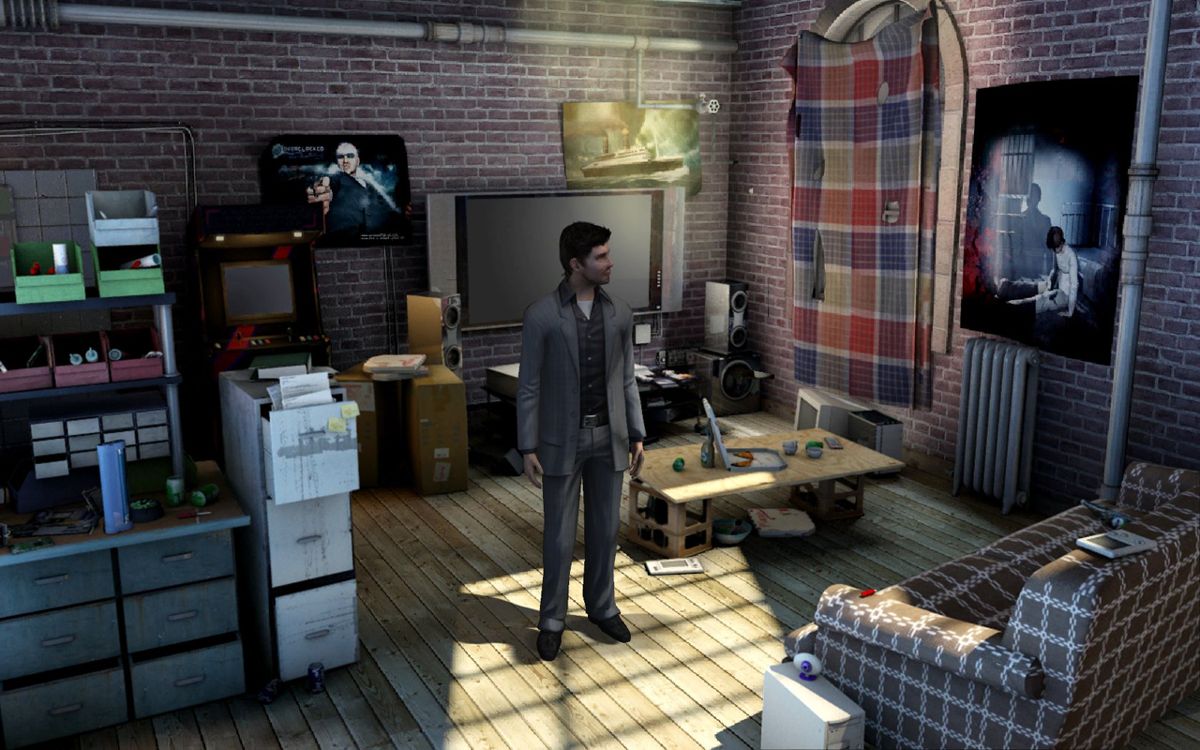
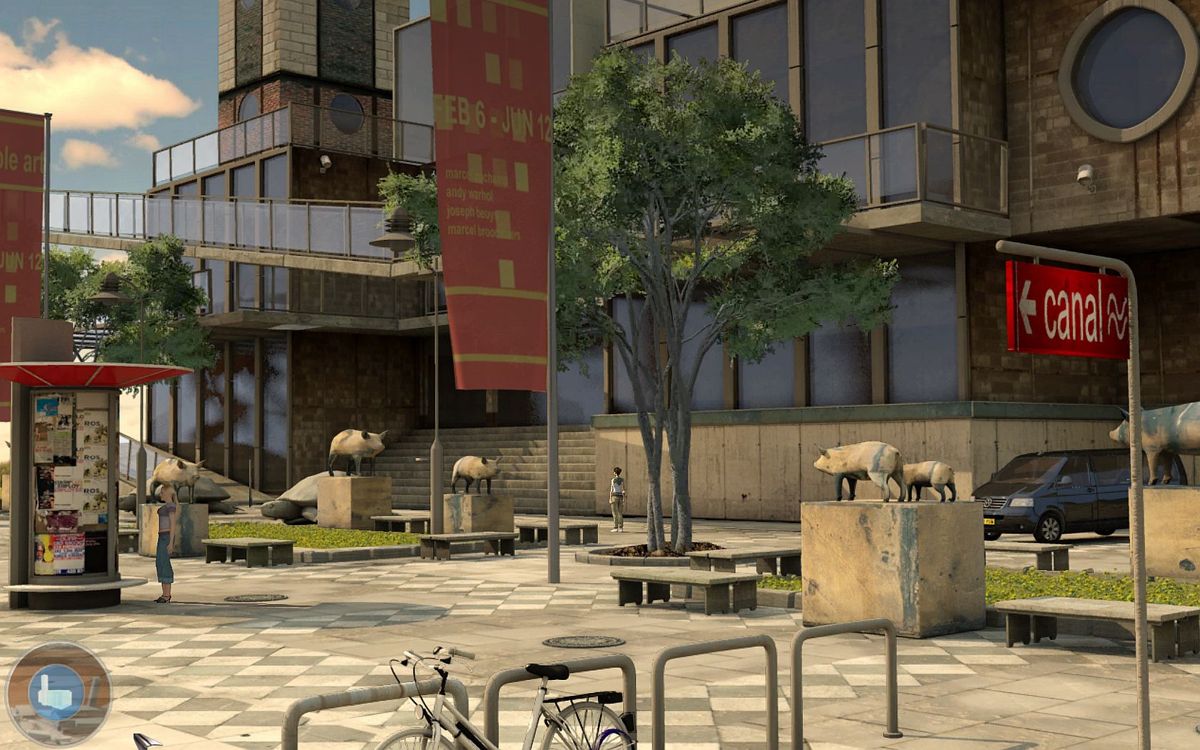
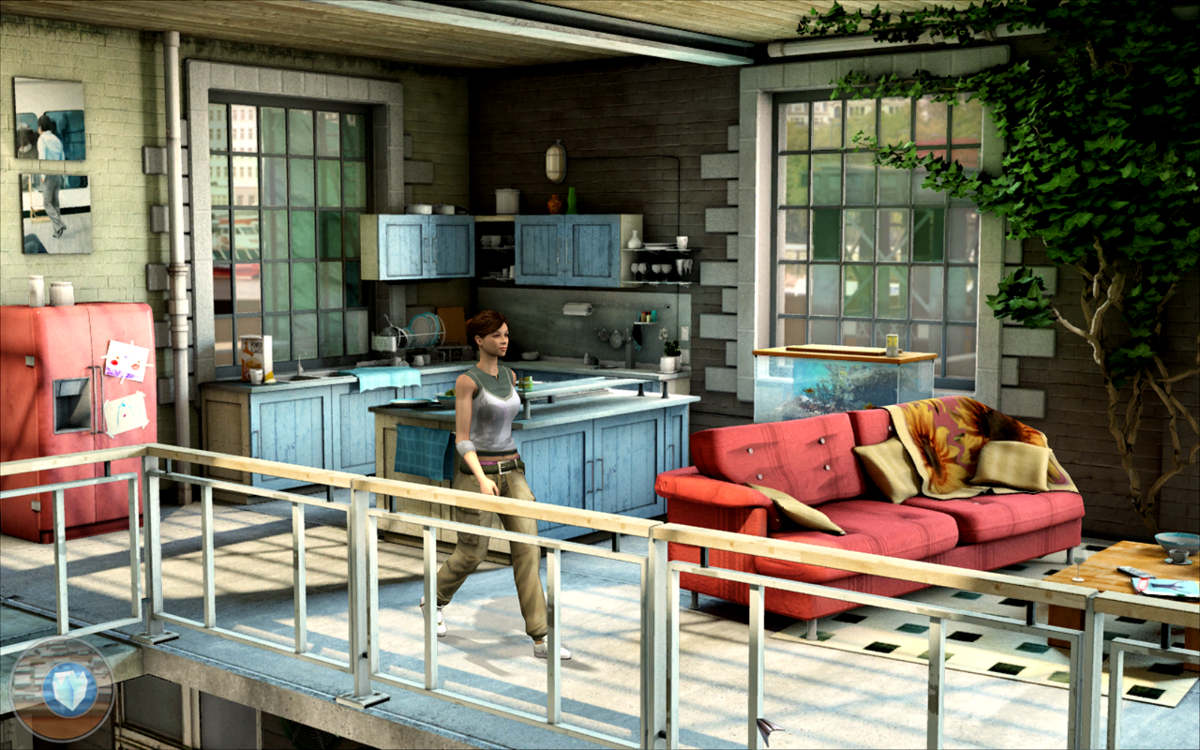
15 Days pairs fixed, pre-rendered rooms with 3D characters, and its strongest scenes resemble carefully arranged stage sets. The thieves’ loft is full of personality: faded blue cabinets, exposed brick, industrial windows, creeping greenery, a bright red sofa, and scattered household clutter make the space feel inhabited rather than assembled from generic adventure-game props.
The museum uses cleaner lines and warmer lighting, filling broad galleries with polished wood floors, angular sculptures, security barriers, and pools of focused light. Its open floor plan makes exits and points of interest easy to read, which helps exploration move without turning every room into a pixel hunt.
Character models are stiffer and less detailed than the backgrounds, especially when figures cross these carefully rendered spaces. Even so, the subdued clothing, realistic architecture, and restrained colors support the political-thriller mood. The contrast between comfortable private rooms and formal public galleries also gives each side of the story its own visual character.

Story
The mystery begins with a break-in at a special exhibition in Cape Town, where the trio steals a portrait of Cecil Rhodes. At the same time, Jack Stern investigates the death of the British Foreign Secretary. A note concerning the painting’s transport between the Secretary’s office and South Africa becomes his crucial lead, tying an apparent art theft to a far more serious crime.
That setup is stronger than the usual adventure-game excuse to hunt for clues. The Rhodes portrait is not merely a valuable object to retrieve; it connects political activism, international movement, and a death under investigation. The game earns interest by making its two sides collide around that question: are these thieves helping a cause, complicating justice, or both?
The dual perspective also prevents Jack from feeling like a simple pursuer. You understand why the trio acts, while Stern has a legitimate reason to follow the evidence wherever it leads. If you enjoy mysteries that ask you to sit with competing motives rather than instantly declare a single righteous side, 15 Days has a premise worth following.
Overall Experience
15 Days is a respectable, idea-driven graphic adventure whose best feature is its divided loyalty. The political art-thief angle gives the opening more flavor than a standard police investigation, and the detective thread gives the story a needed counterweight. You are following a case where the people under suspicion are also the characters whose cause you may sympathize with.
Its limitations are mostly a matter of expectations. This is a puzzle-focused point-and-click game, not an action-led heist story, and its 3D figures on pre-rendered scenes place it firmly in the traditional adventure mold. If that format already works for you, the premise has enough intrigue to justify a look.
For everyone else, the moderate recommendation is fair. The mystery and alternating viewpoints make 15 Days more interesting than its straightforward genre framework, but it does not rise above that framework often enough to become a must-play. Give it a chance if you want an old-school investigation with morally complicated thieves at the center; skip it if you need adventure games to move with more urgency.



Reviews
There are no reviews yet.