 Retro Replay Retro Gaming History, Reviews & Emulation


Retro Replay Review
Gameplay
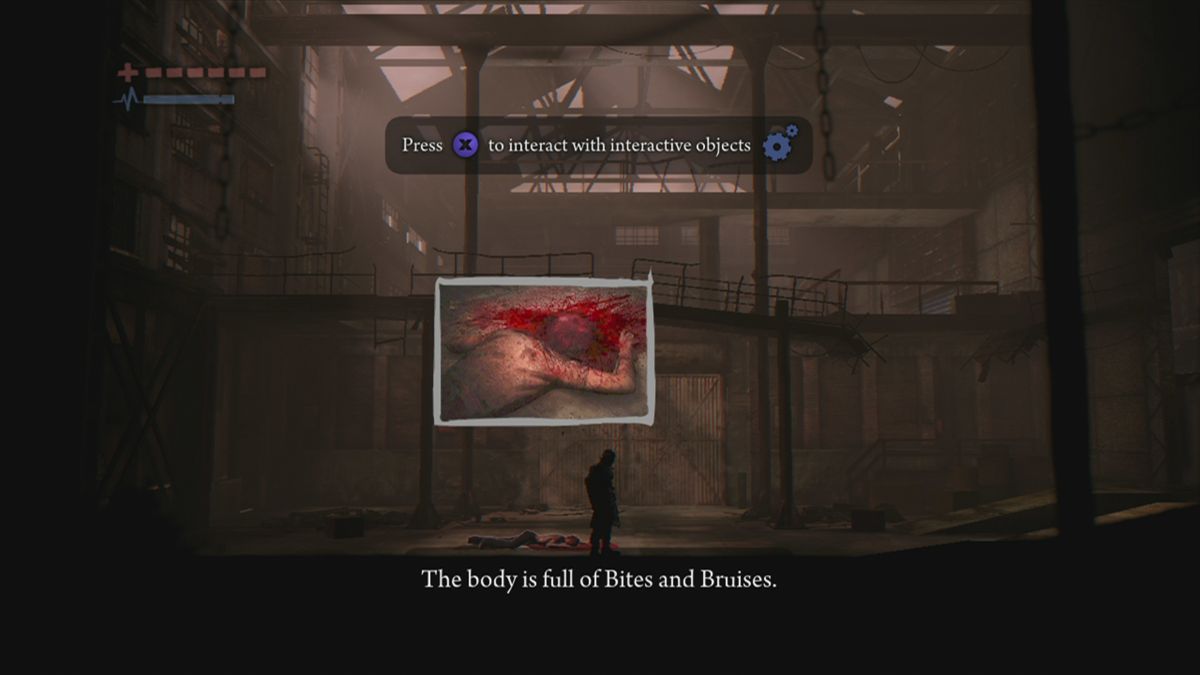
Deadlight starts with a sharp, unpleasant sense of being trapped, then makes you earn every bit of ground you cover. Randall is separated from his fellow survivors after a ladder fails, leaving him to cross a ruined Seattle and hopefully reunite with his family. From the opening hours, the game pushes you toward movement rather than murder. You run, jump gaps, grab ledges, climb upward, break through doors, and work out how to make the space between you and the Shadows safer.
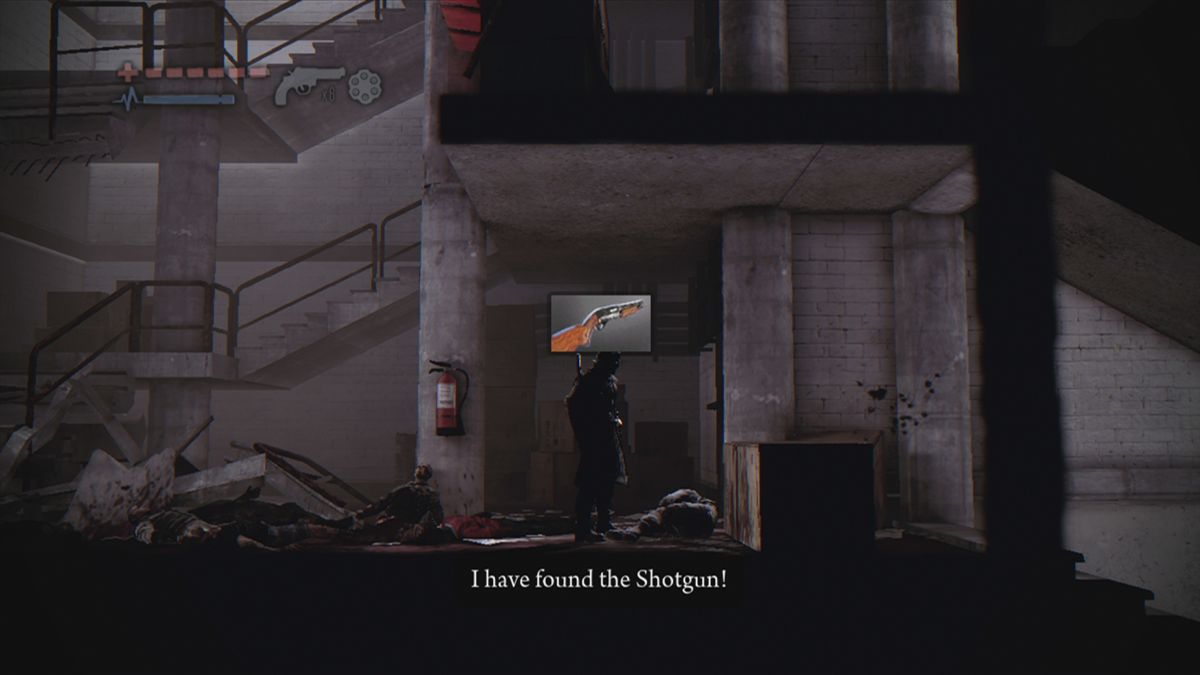
That choice gives the platforming a welcome survival-horror edge. A crowd of undead is not an invitation to clear a room; it is a problem to escape. You might shift a cabinet to block a door, set up a trap, or find another route instead of standing your ground. Combat exists through a fire axe and gun, but the stamina meter drains quickly from both fighting and running. Stay in a scrap too long and more Shadows arrive, turning a risky fight into a losing one. The game is at its best when you recognize that panic is the point and start treating every encounter as a route-planning puzzle.
There is friction in that design. Being forced into a close-quarters response when stamina is low can feel punishing, especially since Randall can be overwhelmed. But the limited health, restored with first aid kits, keeps the stakes intact. You have three health points, not a huge buffer for sloppy play. Blue gear markers near usable objects also help prevent the environmental puzzles from becoming aimless pixel hunts, while still letting you feel like you found the answer under pressure.
Deadlight is linear, and that focus works in its favor. It rarely distracts from the basic rhythm of spotting a danger, reading the nearby terrain, and making a clean escape. Take the time to inspect objects and collect diary pages for Randall’s memories if you want more context, but the immediate pleasure is in mastering its forward momentum. Go in expecting an evasive platformer with bursts of violence, not an action game where the axe solves everything.
Graphics
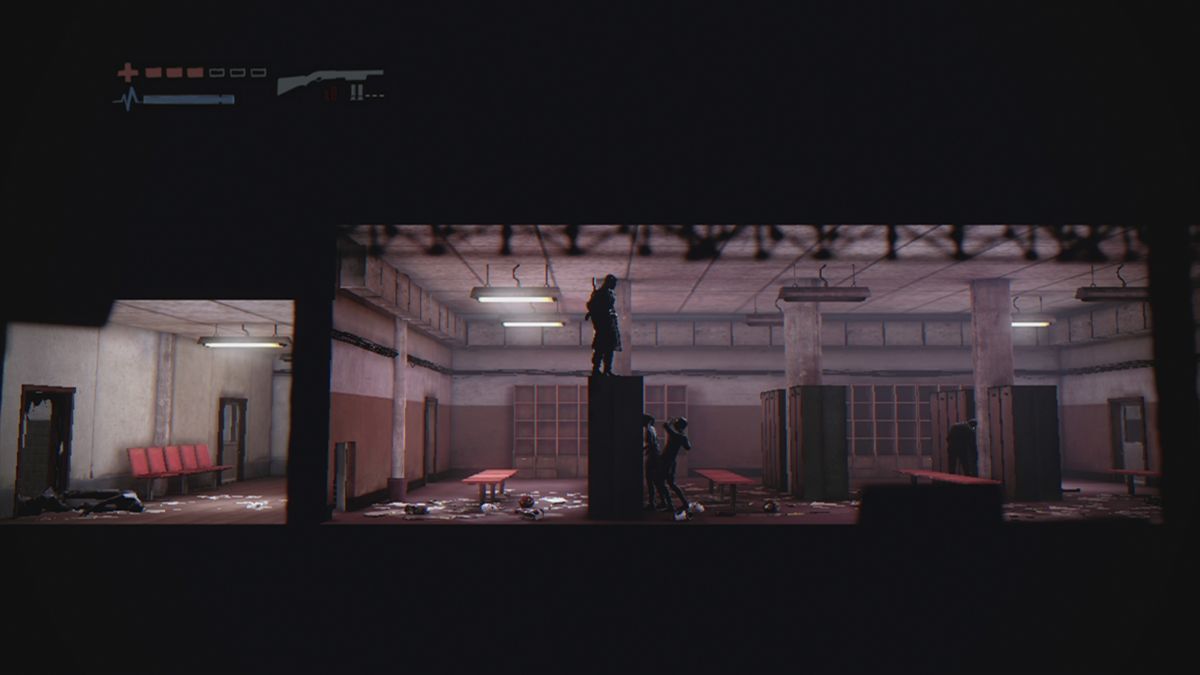
The 2.5D layout puts Randall on a horizontal path while 3D environments sit behind him, giving Seattle’s warehouses and other dangerous spaces a layered stage-like look. Locations can fade in and out as you enter them, while larger sections scroll normally. In tighter spaces, the camera zooms closer, making the pressure of nearby Shadows feel more immediate.
Comic-book-style cutscenes are the visual highlight, and the blue pulse that takes over the screen when stamina runs low is an effective warning that Randall is close to exhaustion. The result is a grim, stylized undead chase rather than a cluttered zombie spectacle.
Story
Deadlight opens after Randall kills Karla Patterson, a bitten survivor who has already been infected. It is an ugly beginning, and it immediately establishes a world where even a small group sheltering in a warehouse cannot stay safe for long. Karla’s death also matters because she is Stella’s sister, so the group is not merely trying to outrun monsters; they are carrying the weight of what survival has already demanded.
Once Randall is left behind, his personal goal becomes reaching the safe point and finding his family. The backdrop is a society that fell apart quickly: only 145 days have passed since the first patient began spreading the virus. Sam Powell, Benjamin F. Parker, and Stella Patterson give the initial survivor group human stakes, but the experience stays closely tied to Randall’s isolated push through the outbreak.
The diary pages and examinable objects are worthwhile because they extend that perspective without stopping the game dead. Randall’s observations can also point toward ways to trap the Shadows, tying his viewpoint directly into the moment-to-moment survival. The story is strongest as a hard-edged motive for the climb forward: he is not saving the world, just trying to survive long enough to get home.
Overall Experience
Deadlight earns its tension by refusing to let you feel comfortable around its undead. The best moments come when you stop seeing a room as an arena and start seeing it as an obstacle course with teeth. A blocked door, an exposed climb, or a pack closing in can turn a straightforward platforming stretch into a hurried decision about whether to run, trap, or spend precious stamina fighting.
Its combat limitations can frustrate if you arrive expecting constant zombie slaying, but they are also central to why the game works. The axe and gun are pressure valves, not a license to dominate. Once that clicks, the vulnerability feels deliberate rather than merely restrictive, and the game finds a distinct lane between platforming and survival horror.
At 7.1, Deadlight is a good recommendation for you if you enjoy linear, atmospheric games that make escape the real reward. Give it a chance for the tense traversal, environmental solutions, and comic-book menace. Skip it only if you want generous combat systems or a free-roaming zombie sandbox; Randall’s journey is narrower, harsher, and more compelling when you meet it on its own terms.


Reviews
There are no reviews yet.