 Retro Replay Retro Gaming History, Reviews & Emulation


Retro Replay Review
Gameplay
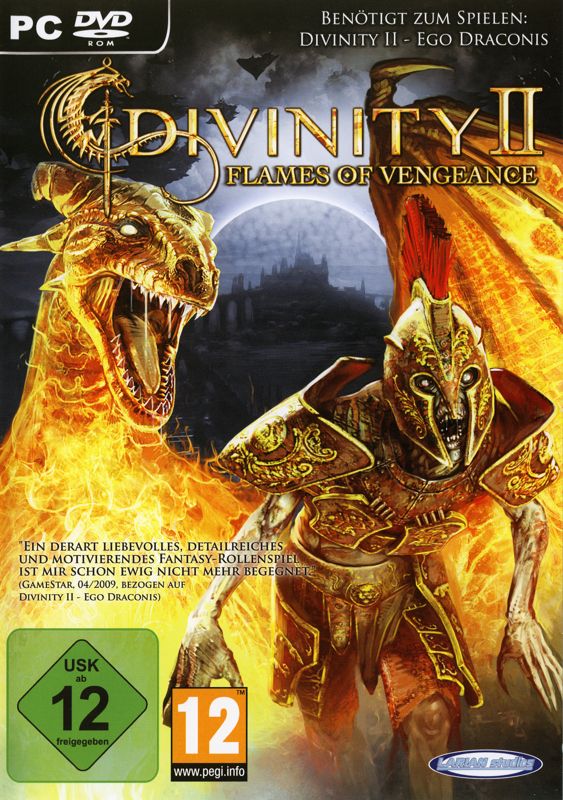
Flames of Vengeance begins with the kind of problem you want from an expansion finale: your Dragon Knight is conscious, trapped in crystal, and forced to listen while the consequences of the previous game get worse. Once the ghost Behrlin offers a route back into the fight, you are sent into an Aleroth under siege, and the urgency arrives before the adventure has time to meander. This is not a reinvention of Divinity II; it is a concentrated follow-up that knows you are here to settle unfinished business.
If you bring over your old save, you can continue with the character you already built. If not, the level-35 new-character start, complete with gold, gets you moving without a long grind. You still choose among five classes, earn experience through quests and enemy kills, level up, and spend points on talents. No new spells or talents radically alter that familiar foundation, so your enjoyment rests heavily on whether the original’s character building and combat already worked for you.
The smarter change is in the quest design. Fighting remains common, but the expansion leans harder on stopping to consider a problem, and several obstacles can be handled by more than one route. That gives Aleroth’s quests a welcome sense of texture; you are not only clearing enemies until a quest marker changes. New, more powerful weapons and armor help a high-level hero feel properly equipped, while Dragon form being available immediately preserves the fantasy of playing an established Dragon Knight.
There is one important limitation to absorb before diving in: the destroyed teleport stone means no return to the Dragon Tower and no transformation into a full Dragon. The expansion keeps you grounded in its city-and-caverns campaign. For some, that will make the adventure feel narrower than the base game. For others, it is a useful bit of discipline: rather than bouncing outward, you stay close to the central crisis and work through its complications.

Graphics
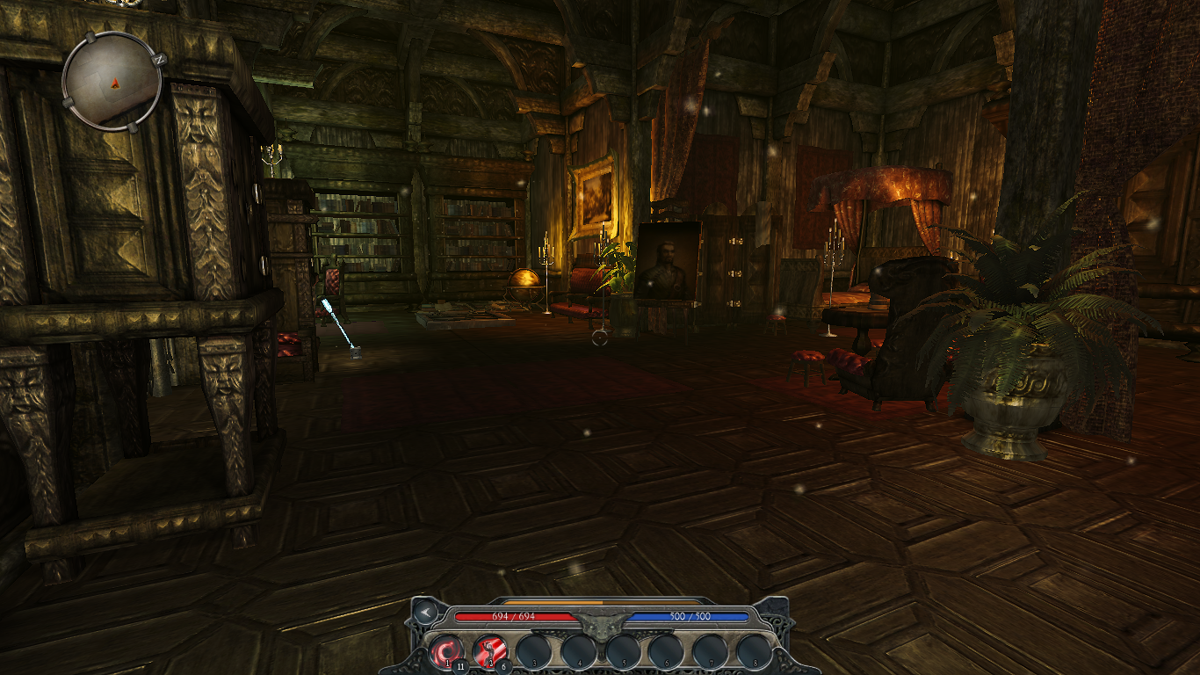
Aleroth carries the whole expansion visually: a city under heavy assault, protected by Zandalor’s force field, with deeper caverns beneath it where Behrlin’s imprisoned body waits. The locations serve the siege-and-rescue premise well, keeping the action tied to a place that feels pressured from above and below.
Story
This is unapologetically a continuation, not a fresh beginning. The story picks up directly after the cliffhanger of Ego Draconis, with the hero’s earlier success in reuniting Ygerna and Damian now having made both foes more dangerous. That setup gives the campaign a gratifyingly personal edge: you are not responding to a distant evil, but trying to repair a disaster your own journey helped enable.
Behrlin’s offer supplies the spine of the plot. Free his body from caverns under Aleroth, and he will revive the Divine, creating a chance to finally destroy Ygerna and Damian. It is a clean bargain, but the stakes around it are strong because Aleroth is already hanging on by Zandalor’s magical protection. The city is not merely a hub between tasks; it is the place that will pay the price if you fail.
Keeping the adventure in and around Aleroth is a good storytelling decision. The narrower geography lets individual quest stories feed the larger danger instead of pulling attention across a broad world. You should play this after the main game if you care about resolution, because its emotional weight comes from recognizing exactly how bad the earlier cliffhanger has become.
Overall Experience
Flames of Vengeance is a solid, focused add-on rather than a dramatic overhaul. It retains the systems that made up Divinity II, trusts you with a capable high-level character, and improves the rhythm by asking you to solve more than brute-force. The first stretch has real pull thanks to the imprisonment premise and the siege around Aleroth, while the later satisfaction comes from pursuing a clear answer to the Damian and Ygerna conflict.
The lack of new talents and spells may disappoint anyone hoping for a major mechanical expansion. Likewise, losing access to the Dragon Tower and full Dragon transformation trims part of the broader Dragon Knight fantasy. But those trade-offs are easier to accept when you treat this as a finale with a purpose, not a second full-scale campaign.
Give it a chance if you finished Ego Draconis and wanted its cliffhanger resolved, especially if you enjoy RPG quests that occasionally reward thought as much as combat strength. Newcomers can use the level-35 start, but returning characters will get the most from the continuation. It is a worthwhile last act: compact in scope, purposeful in story, and more engaging whenever it lets you think your way through Aleroth’s troubles.


Reviews
There are no reviews yet.