 Retro Replay Retro Gaming History, Reviews & Emulation
Retro Replay Review
Gameplay
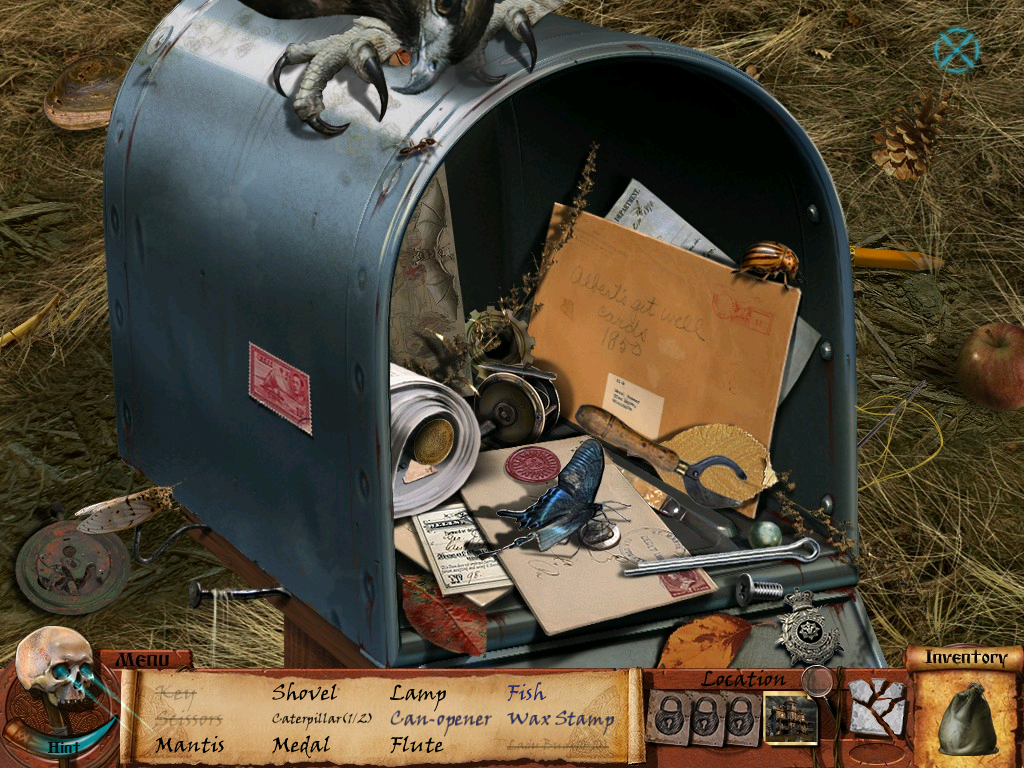
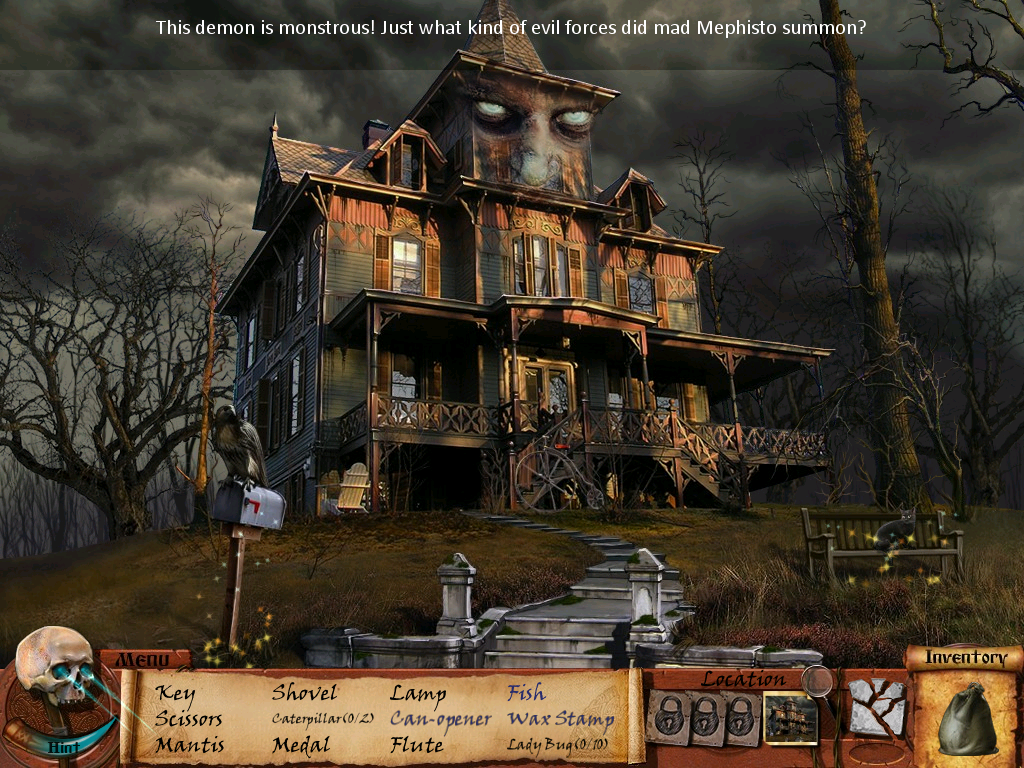
The first few scenes ask you to settle into the classic hidden-object rhythm: scan a busy location, compare every odd shape against the list at the bottom of the screen, and start clicking. Exorcist adds a welcome wrinkle through its blue-listed objects. These are not simply tucked into plain sight; they are concealed behind parts of the scenery and demand an interaction before they can be taken. That small distinction makes searching feel a little more active than blindly sweeping the cursor across a pile of props.
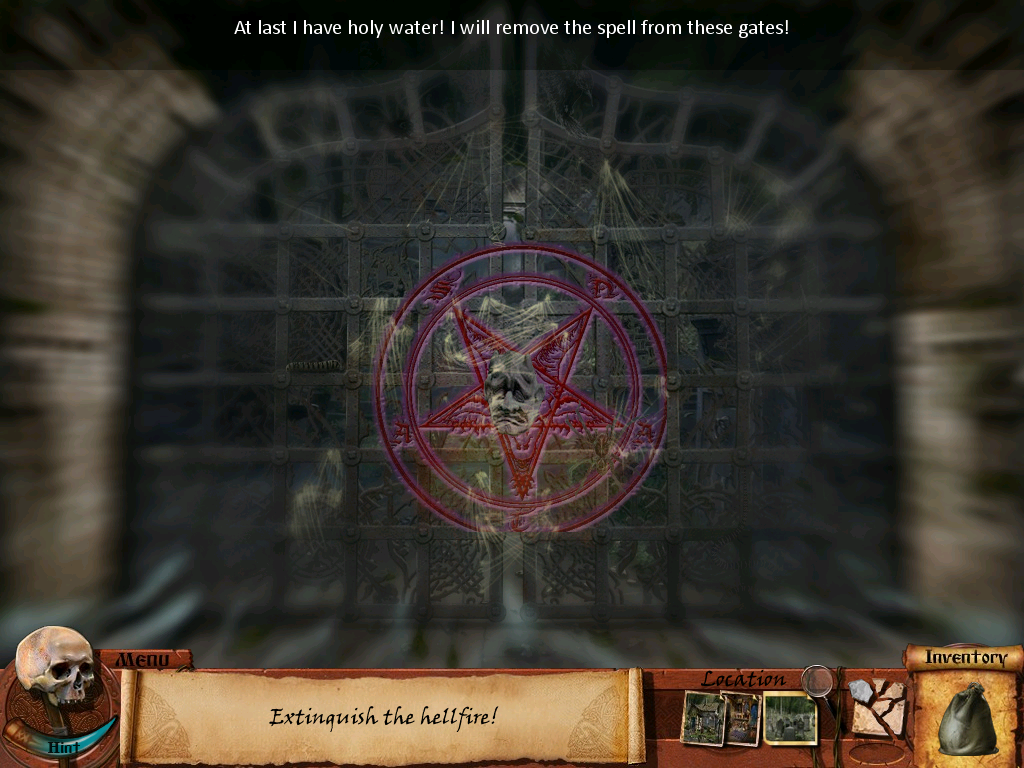
Your inventory is where the adventure side earns its keep. Items are held in a sack and dragged onto a sensible part of the current scene to solve a puzzle or trigger progress. The solutions are rooted in the surroundings rather than detached from them, so it pays to pause and consider what the strange device, blocked area, or conspicuous feature in front of you might need. If you like hidden-object games that ask for a touch of context instead of only sharp eyes, this is the reason to give it a look.
The skull hint is useful without letting you coast. It points out one required object, then has to recharge, which makes it a pressure valve for the genuinely irritating search rather than an instant answer key. Mini-games also prevent the hunt-and-click routine from becoming too flat: you will reconstruct letter scraps and images, place gears in a lock, and repair a painting. None of that radically rewrites the genre, but the changes of task arrive often enough to maintain momentum.
Graphics
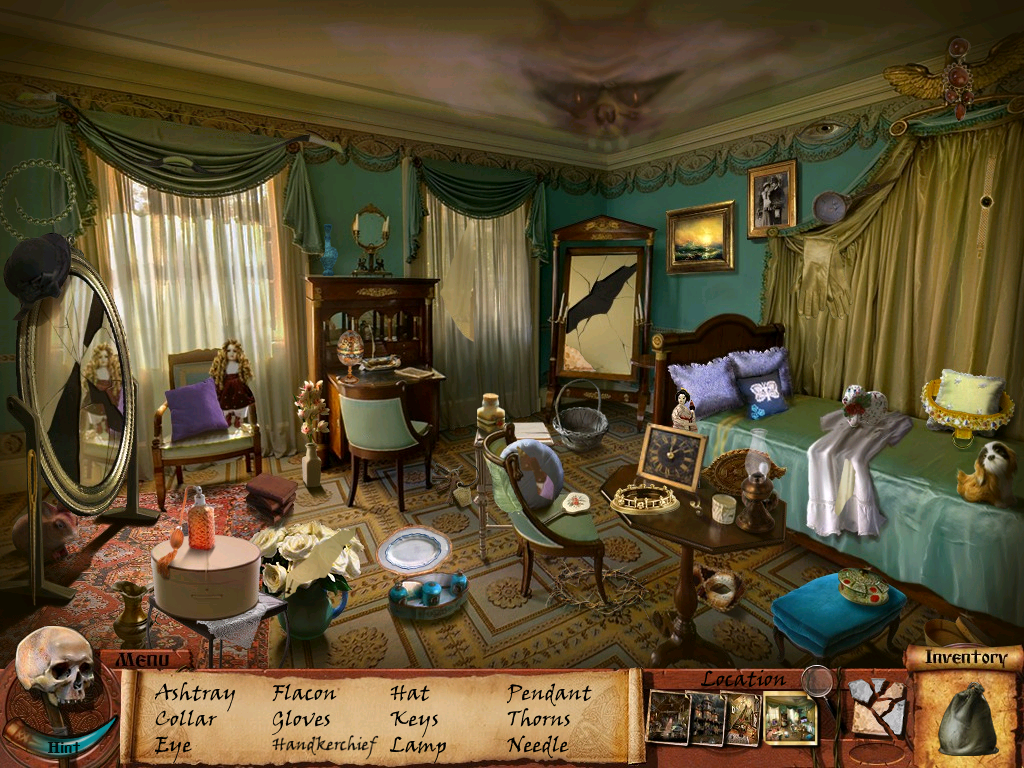
The game is viewed through first-person location screens packed with scattered paraphernalia, and those dense scenes are the main visual draw. Hidden objects can sit behind other bits of scenery, so you are constantly studying the foreground as well as the obvious clutter. Separate puzzle screens give the letter reconstruction, scrambled pictures, gear locks, and painting repairs a cleaner, more focused view.
Story
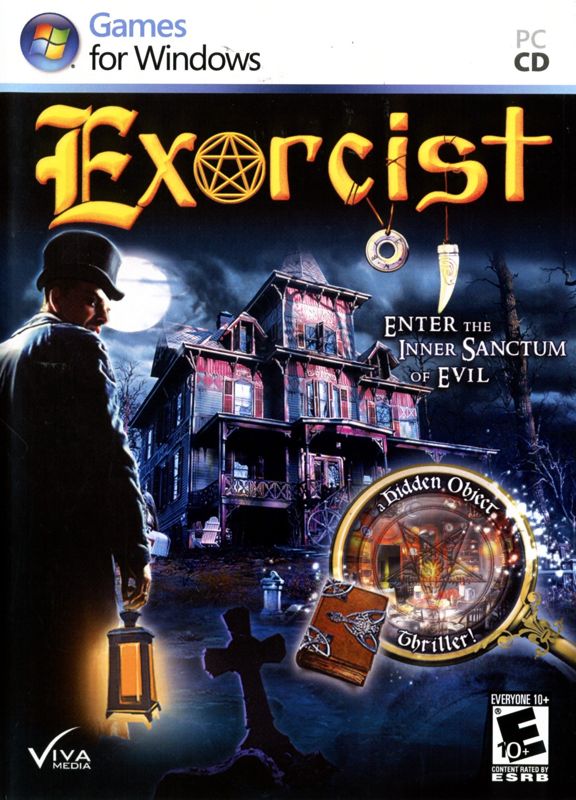
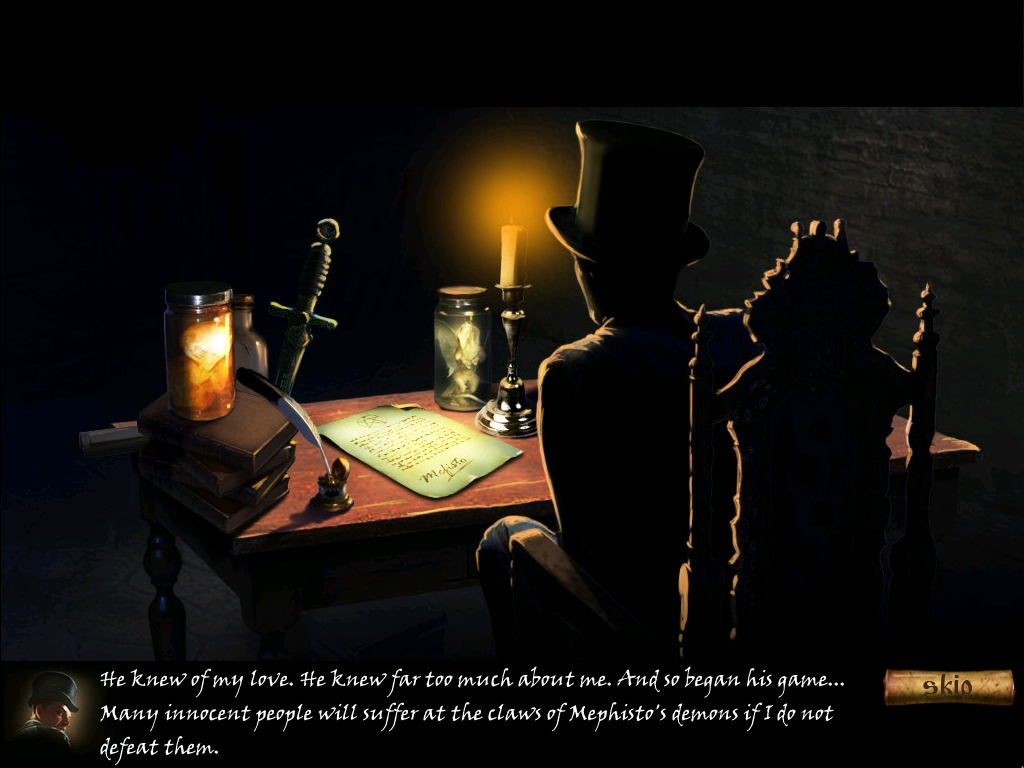
Garret “Ghostfighter” begins with a suitably pulpy inheritance: like his father, he is an exorcist who can see demons and lingering souls in haunted places. Mephisto, his arch-enemy, sends a letter that turns the case personal by dangling information about Margo, Garret’s long-lost love. It is direct horror-adventure motivation, but it gives the search through each location more purpose than a generic string of haunted rooms.
The letters are more than collectible scraps. Finding and reassembling Mephisto’s messages closes out each chapter, tying the central activity to Garret’s pursuit of clues. That is a smart fit for this kind of game: the evidence you gather is also the structural marker of your progress through the chase.
Do not expect the premise to replace the puzzles as the main attraction. The story works as a dark thread running through the object hunts, centered on the question of what became of Margo and why Mephisto is provoking Garret. If that supernatural setup catches your interest, it is enough to keep the routine searches from feeling entirely mechanical.
Overall Experience
Exorcist is at its best when you are in the mood to slow down, inspect a crowded scene, and get the small satisfaction of finally exposing the one blue-list object that had been hidden under your nose. The combination of searches, inventory use, and compact mini-games is familiar, yet it is assembled with enough variety to avoid feeling like one uninterrupted checklist.
Frustration can set in when a needed object is buried behind scenery and you have not yet spotted the interaction that reveals it. The recharging hint helps, but it does not remove the need for patience. That makes the game a better match for someone who enjoys methodical screen-by-screen problem solving than for anyone wanting rapid-fire horror action.
The payoff is modest but worthwhile for hidden-object regulars: a complete supernatural chase with a clear personal hook, chapter-end letter assembly, and several types of puzzle to break up the searches. Give Garret’s investigation a chance if you want a traditional haunted mystery that lets you click, experiment, and gradually piece together both the clues and Mephisto’s challenge.


Reviews
There are no reviews yet.