 Retro Replay Retro Gaming History, Reviews & Emulation
Retro Replay Review
Gameplay
The first stretch of Fable III gives you an unusually direct reason to care about Albion: you are fighting your own brother, King Logan, and gathering support for a revolution. That framing is stronger than a generic save-the-world setup. You are not just collecting power because an ancient evil needs stopping; you are building a case that you should replace a ruler whose policies have become oppressive.
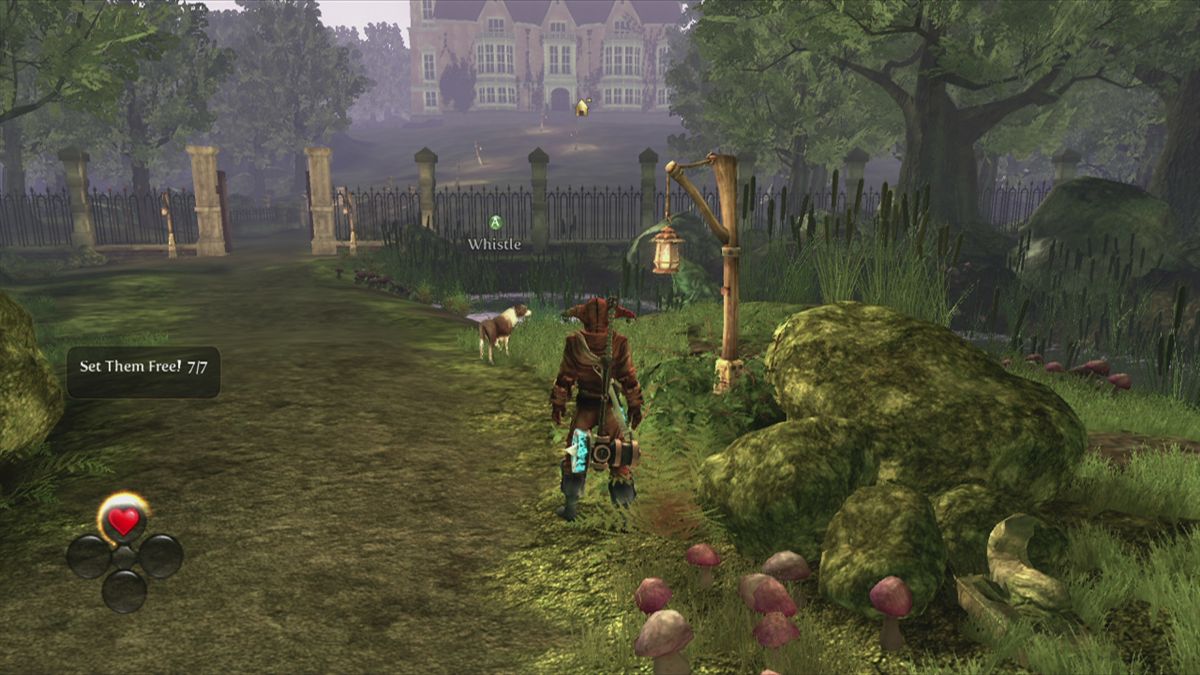
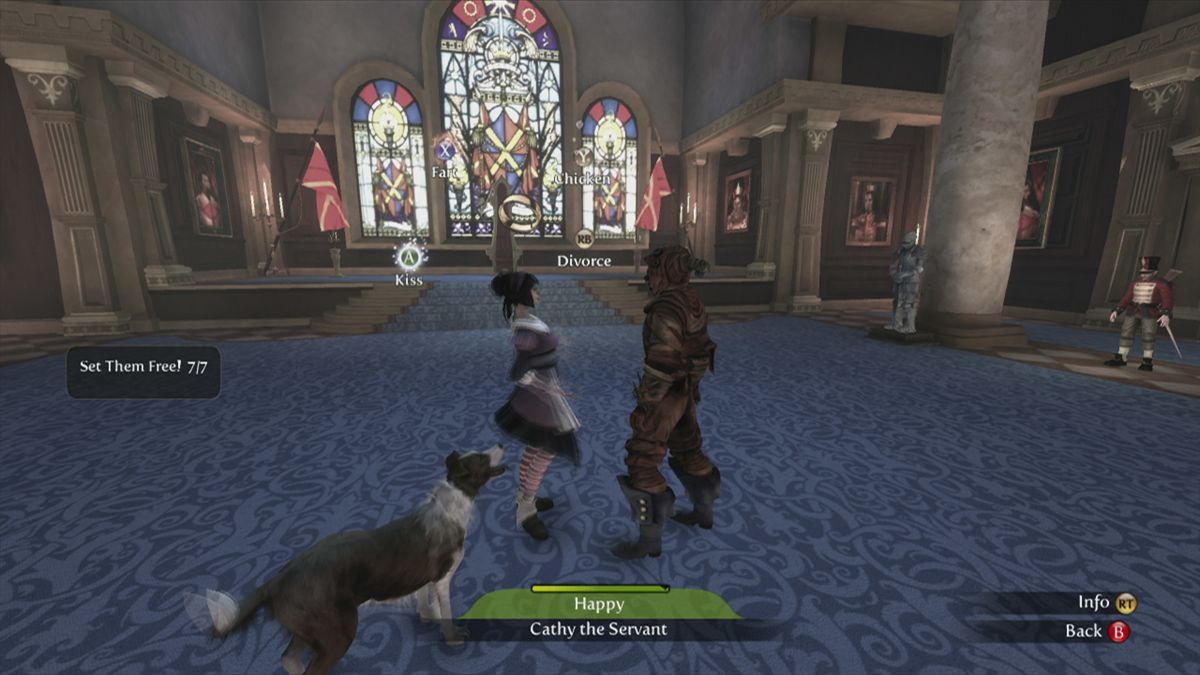
Moment to moment, this is an action RPG built around a focused main path and a generous supply of side quests. You grow stronger, develop your Hero’s abilities, travel with a dog companion, and decide how you want to live in the gaps between major objectives. Working jobs, buying real estate, marrying, and taking on extra quests give Albion a lived-in quality. If you liked the earlier games’ tendency to let heroic business sit beside mundane domestic life, this remains a major part of the charm.
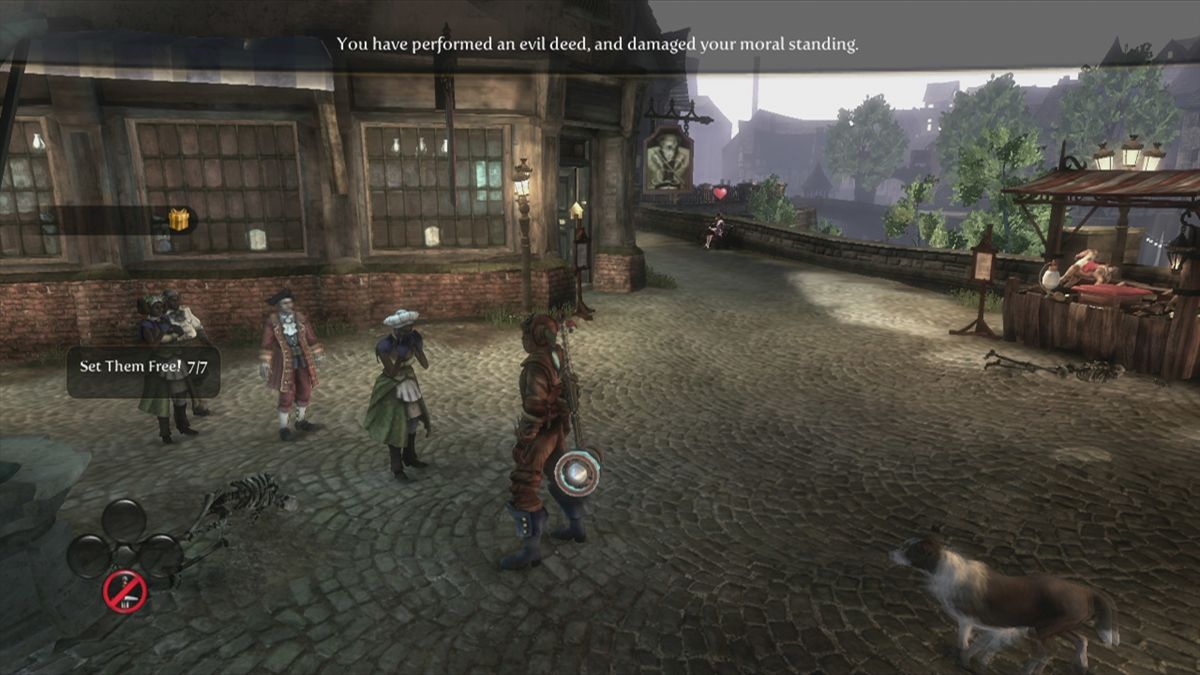
What distinguishes this sequel is the political angle. Building an army means winning over Albion’s citizens, and that can involve promises you will later need to honor once you take the throne. This makes the morality system feel more pointed than a simple angel-or-devil role-play choice. You can still shape yourself as good or evil, and your behavior affects characters and the environment, but the most satisfying role-playing comes from recognizing that a popular revolution and responsible rule may demand different things.
Weapons also change in response to how you progress through the adventure, tying your equipment to your version of the Hero. Multiplayer is expanded from Fable II as well: online Heroes can interact and quest together on more equal footing rather than one person merely tagging along as a helper. On Windows, Hardcore Mode offers an extra difficulty option for anyone who finds the standard journey too forgiving.
Graphics
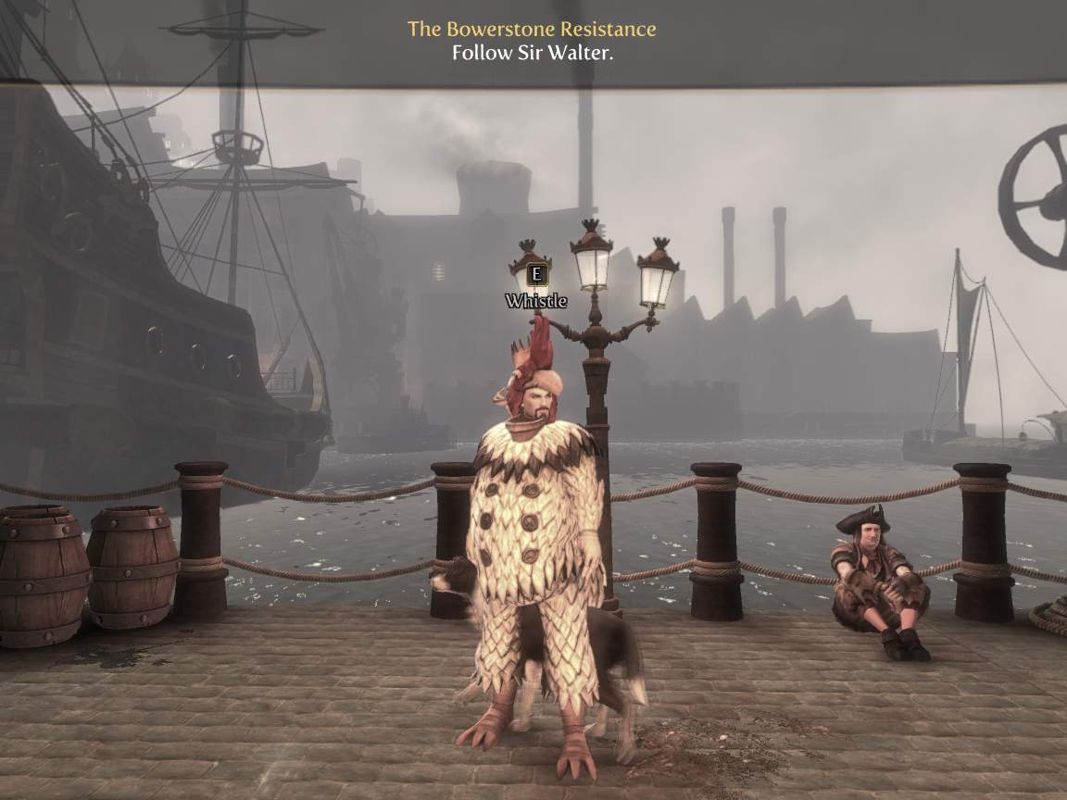
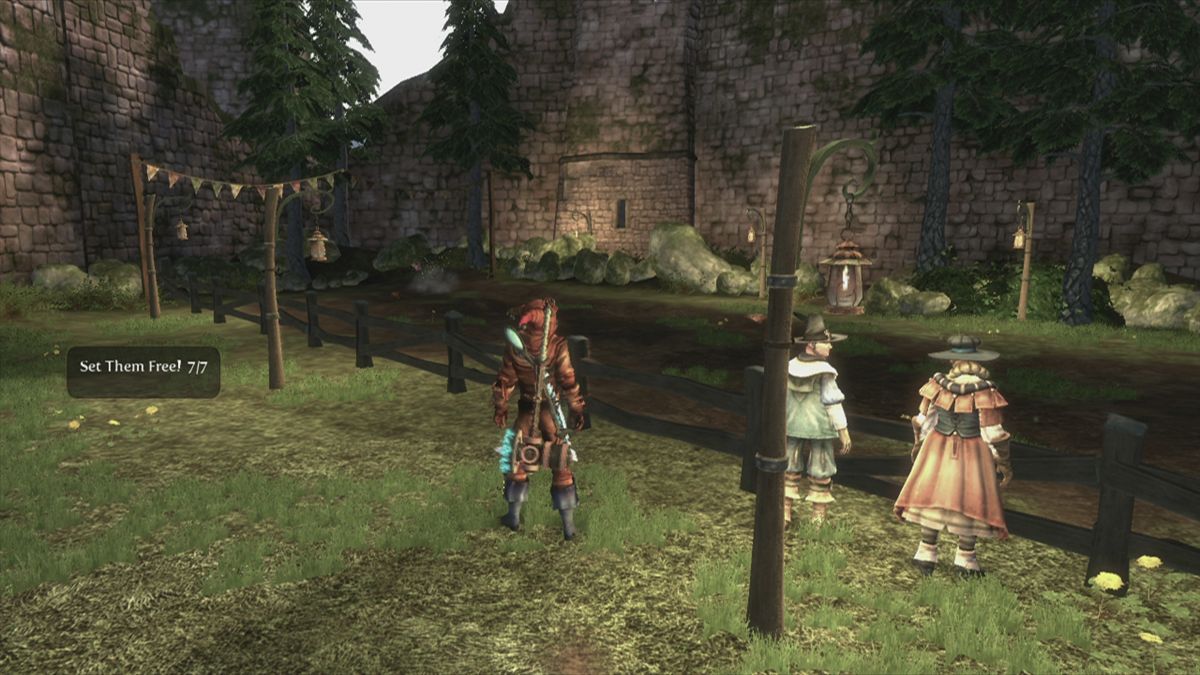
Albion moves away from the more overtly medieval look of the earlier games and into an industrial-age world shaped by 18th-century Britain and the United States around the American Revolution. That change matters because your rise to power takes place in a kingdom of rapid growth, military authority, and unrest rather than a purely storybook medieval realm.
Story
Set fifty years after Fable II, the story begins in the shadow of a heroic legacy. The previous Hero united Albion and ushered in peace and prosperity, only for that legacy to sour under Logan, the older child who inherited the throne. He was once benevolent, but his rule has hardened into something the people increasingly want to resist.
You play Logan’s sibling, which gives the central conflict a useful personal edge. The goal is not simply to defeat him; it is to gather the power and army needed to overthrow him, then assume control of the kingdom yourself. The rise from insurgent to ruler is the hook, and it puts much more pressure on your choices than a story that ends at the revolution would.
The promise-making thread is where the narrative earns its place. Politics in Fable III is not window dressing for the adventure: public support can require commitments, and taking power means living with the consequences of the commitments that got you there. If you enjoy RPG stories that ask whether good intentions survive contact with leadership, Albion gives you a worthwhile stage for that question.
Overall Experience
Fable III is an easy game to recommend if you want an action RPG that mixes a personal revolution with the odd pleasures of jobs, property ownership, marriage, side quests, and character-driven moral choices. Its industrial-era Albion is a meaningful change of pace for the series, and the campaign’s transition from opposing a ruler to becoming one gives it a hook the earlier setup does not have.
You will get the most from it if you engage with more than the critical path. Take quests, meet people, make promises deliberately, and treat your Hero’s public life as part of the role-playing rather than optional clutter. The dog companion, evolving weapons, and expanded online co-op add to the sense that this is meant to be your particular version of Albion’s next ruler.
It is not a stern political simulator, nor does it stop being a playful Fable adventure just because factories and revolution have entered the picture. That blend is precisely why it works. The game asks you to enjoy the fantasy of leading a rebellion, then challenges you to consider what you owe the people who helped put you on the throne. For fans of approachable RPGs with personality and consequences, that payoff is worth pursuing.



Reviews
There are no reviews yet.