 Retro Replay Retro Gaming History, Reviews & Emulation
Retro Replay Review
Gameplay
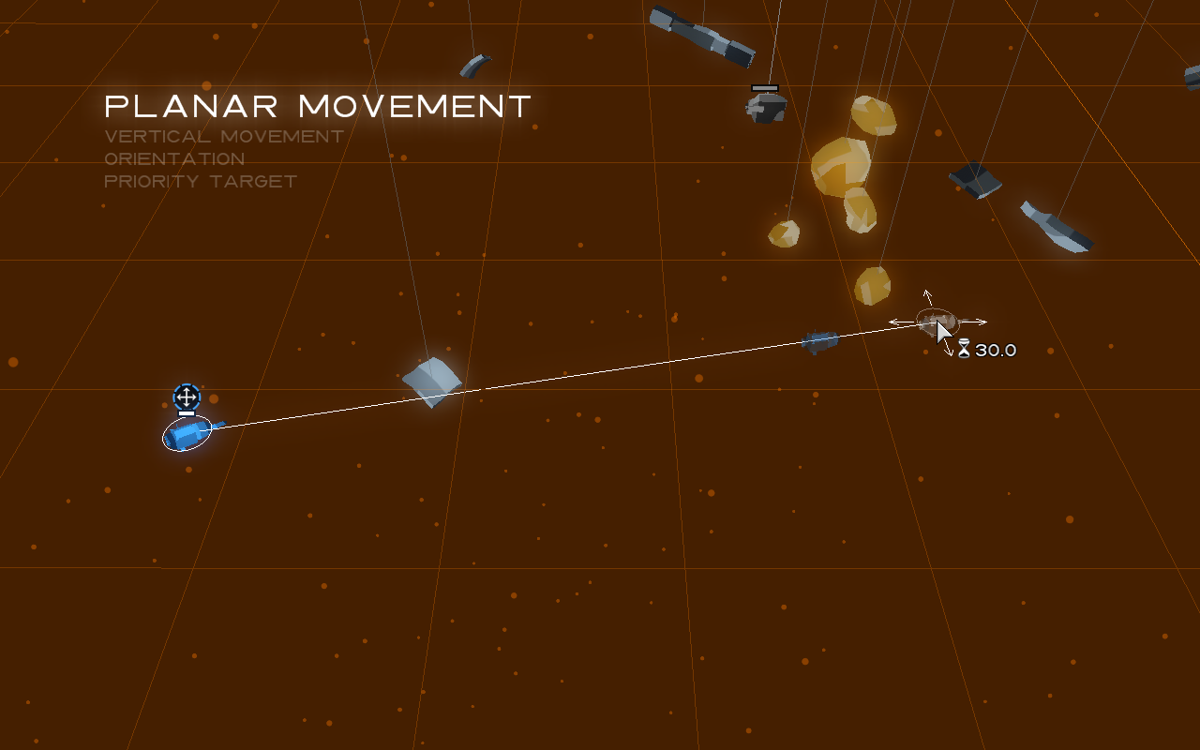
Flotilla is built around a satisfying tension between planning and commitment. In combat, you assign orders to every ship before the action phase begins, then both sides carry them out simultaneously. That structure makes each turn feel consequential: an incorrect angle, target priority, or movement distance cannot be casually corrected once the fleets begin moving.
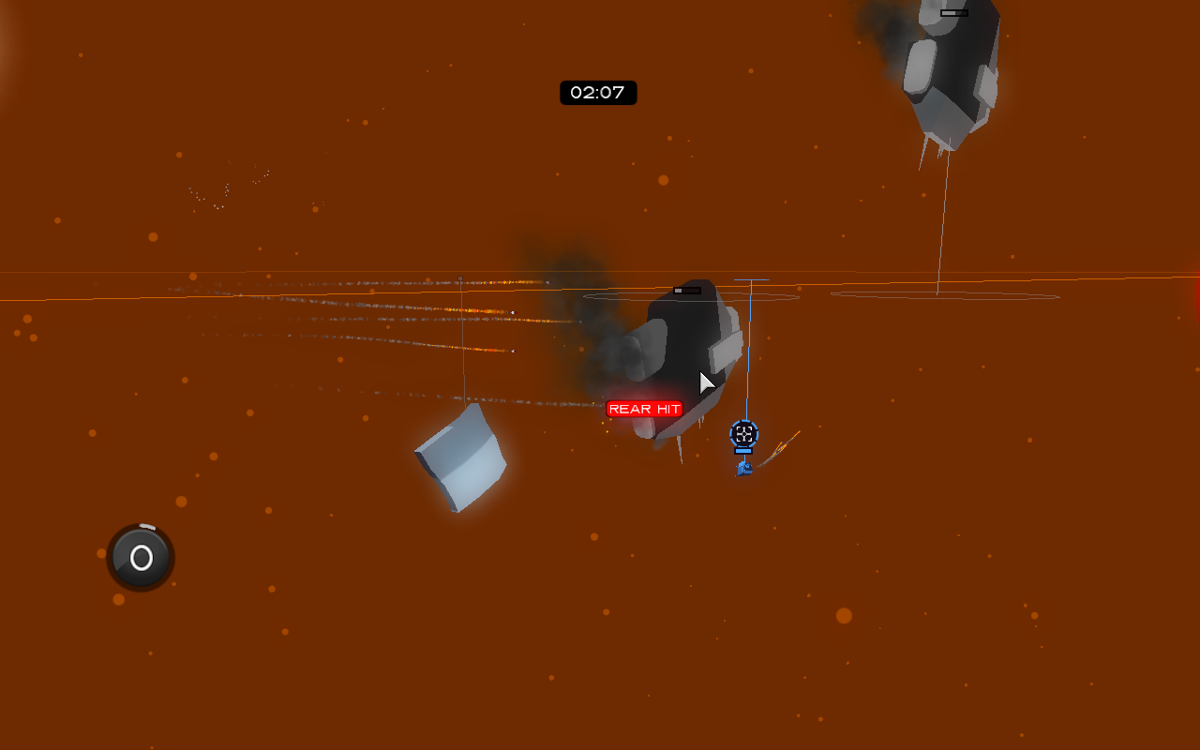
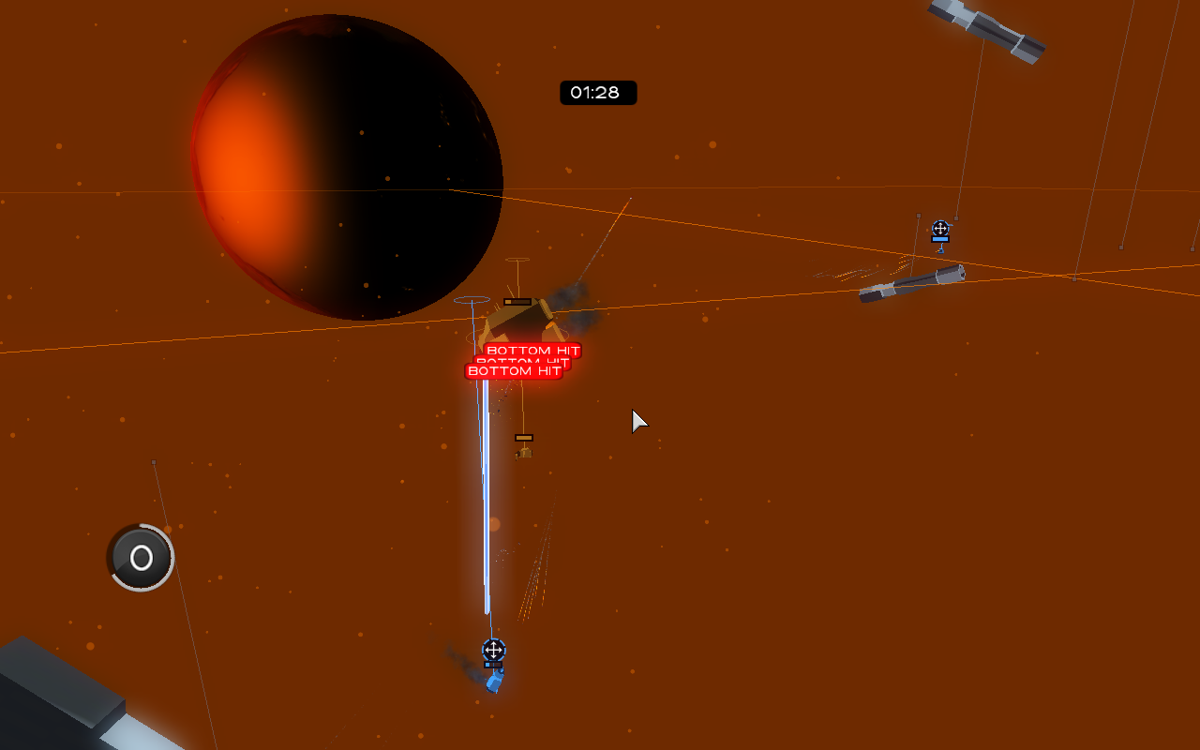
The three commands are clear but support distinct tactical jobs. Attack Move combines travel and firing, Flank Move prioritizes repositioning, and Focus Fire trades mobility for a stronger short-range attack. Armour deflects much incoming fire, while the rear and underside remain vulnerable, so the game rewards players who think in three dimensions and create firing angles rather than merely pursuing the nearest enemy.
Manual control over yaw, pitch, and roll offers extra depth for players who want to refine their plans, while the standard order process keeps the core readable. Ships also gain experience and veterancy through battle, improving damage output and armour performance; that gives survival a lasting value beyond winning the current fight.
Outside combat, the adventure moves planet by planet through a randomized galaxy. Encounters can offer choices, upgrades, and fleet growth, with decisions influencing later events. Skirmish mode is a welcome alternative for anyone who wants to build a battle immediately, whether against AI or another player, using any available ship.
Graphics
The presentation is organized around a diagonal-down view that keeps fleets, movement, and relative positioning legible. That perspective is especially important because the game’s tactics depend on facing, elevation, and access to an enemy’s exposed rear or underside.
Combat has a deliberate spectator element. Once orders are locked, the action phase is for watching ships execute the plan, with camera movement as the player’s only interaction. The visual role is therefore not just decorative: it needs to communicate whether the intended trajectories and firing positions were sound.
The game’s sci-fi setting supports a clean tactical focus, centering attention on ship placement, enemy selection, and the consequences of simultaneous execution. Players looking for a strategy game where spatial information matters will find the visual setup well aligned with the mechanics.
Story
The premise gives the adventure unusual urgency: with only seven months left to live, the protagonist heads into space with little to lose. It is a simple setup, but one that suits a game structured around moving forward into an unknown and changing galaxy.
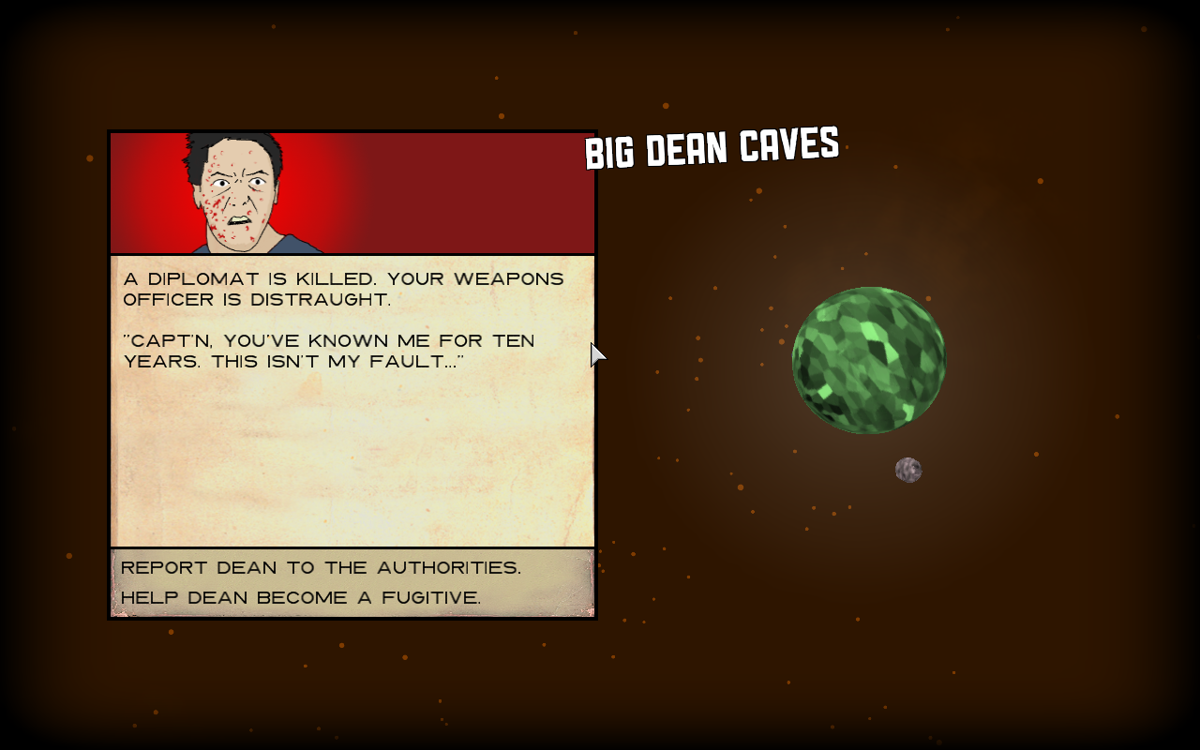
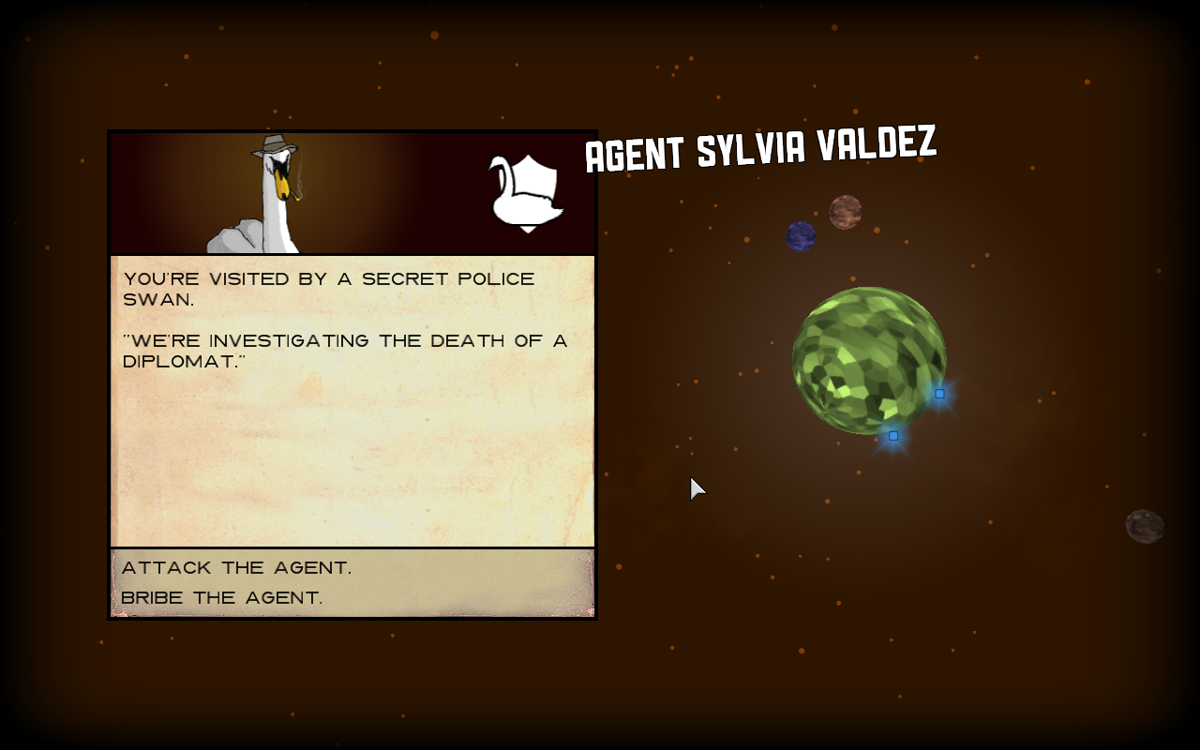
Rather than following one fixed sequence, the narrative is shaped through randomized planetary events and player choices. A stop may involve helping cats fleeing the authorities, dealing with baby yetis chewing through electrical conduits, or facing another situation with a decision attached. Those choices can influence later events, making the voyage feel responsive rather than entirely predetermined.
This is best approached as an adventure framework for the exploration and tactical systems, not a tightly scripted tale. The appeal lies in seeing what kind of strange encounters emerge during a particular run and deciding how the final journey develops.
Overall Experience
Flotilla combines an approachable order system with a combat model that asks for genuine spatial thought. Simultaneous turns prevent easy reaction-based play, while weak points and vertical movement make every firing solution more interesting than a straightforward exchange of shots.
The randomized adventure structure gives the game replay value, and customization, upgrades, additional ships, and veterancy provide reasons to care about a fleet over the course of a run. The skirmish option also makes it easier to focus on the strongest part of the design when exploration is not the goal.
This is a good fit for strategy players who enjoy making a plan and living with its consequences, especially those drawn to compact space battles with positioning at their center. Players who need continuous control during combat may find the watch-only action phase restrictive, but its lack of intervention is exactly what gives successful orders their payoff.


Reviews
There are no reviews yet.