 Retro Replay Retro Gaming History, Reviews & Emulation


Retro Replay Review
Gameplay
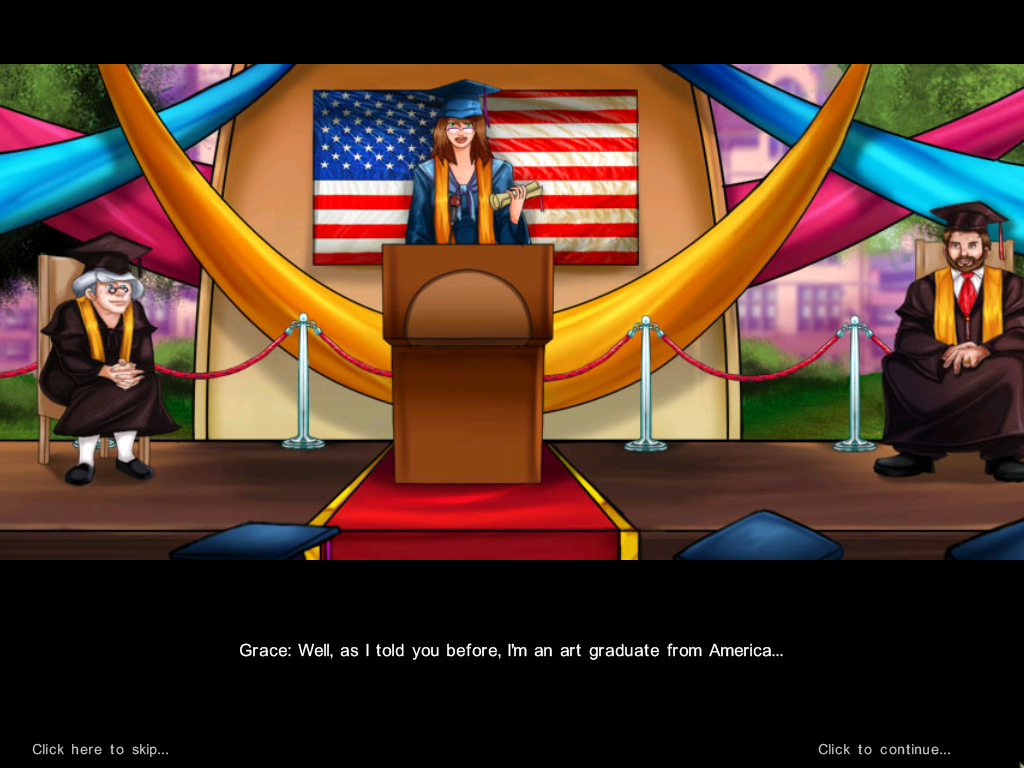
The first hour has a pleasingly direct hook. One minute Grace is visiting Chloe at the Louvre; the next, the Mona Lisa is gone and Chloe has been taken hostage. From there, you move from scene to scene hunting objects, opening up the next clue, and following the case through recognizable European museum stops. It is not trying to reinvent the hidden-object formula, but the chase gives all that searching a better reason to exist than the usual excuse to clear a cluttered room.
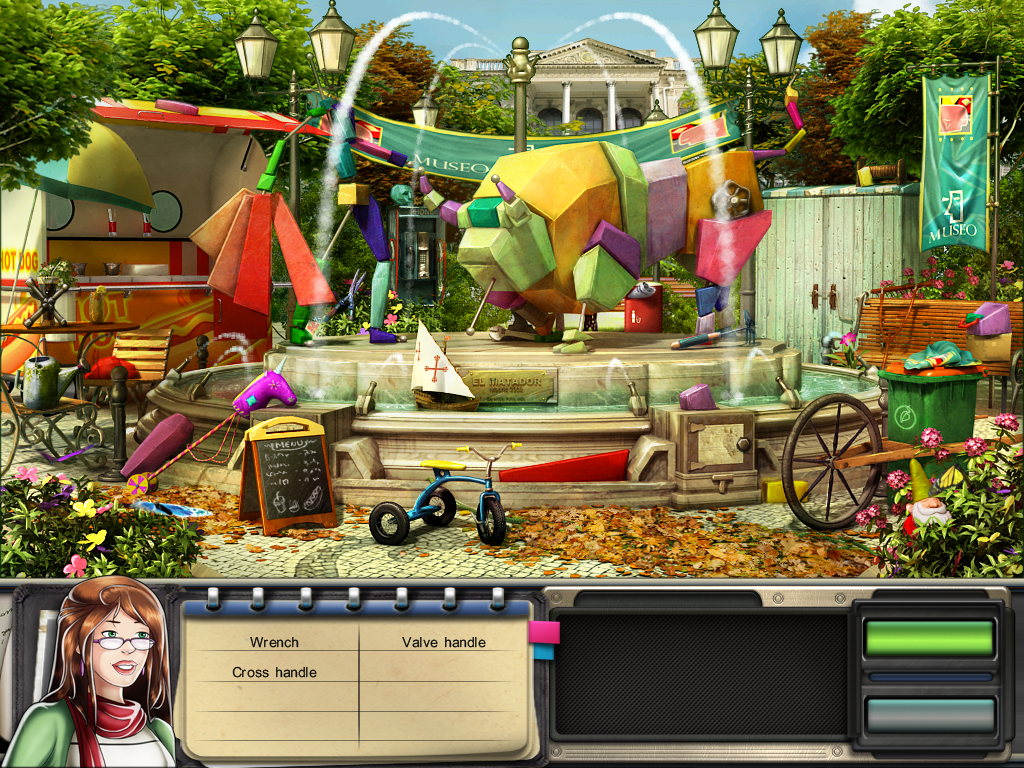
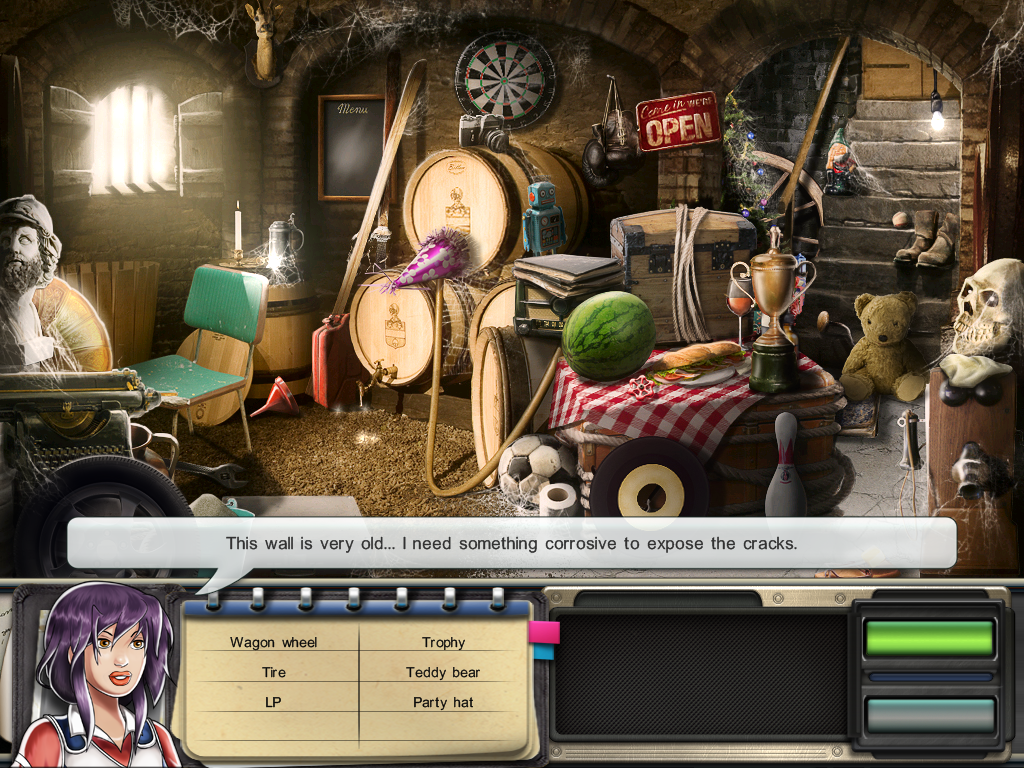
The hidden-object scenes are traditional lists of items, and your finds often lead to more things to locate. That creates a nice last-minute surge when you think a section is nearly over, only for another handful of objects to appear. If you enjoy combing an image until the final stubborn item finally turns up, that rhythm will be familiar and satisfying. If you prefer a brisker pace, the expanding lists can make individual scenes feel as though they overstay their welcome.
Mini-games arrive frequently—at least one per section, often more—and they are the part that gives the game a little texture. Some barely ask anything of you, such as popping balloons or cutting rope with a few clicks. Others make better use of the detective premise: scanning bags with an x-ray machine and examining for fingerprints with a magnifying glass feel more connected to the investigation. You can skip any of them, but the required wait means an irritating puzzle can briefly halt the momentum instead of simply getting out of your way.

Graphics
The game frames its search scenes around famous museums in European capitals, giving the investigation a more worldly backdrop than a single mansion or police station. Brief animated cutscenes break up the object hunting and carry Grace’s pursuit of the thieves from one stop to the next.
Story
Stealing the Mona Lisa is an agreeably bold opening move, and Chloe’s kidnapping gives Grace a personal reason to stay on the case. Joining an Interpol agent immediately places the story in breezy international-caper territory. It is a clean, accessible setup: you know what was stolen, who needs saving, and why the next museum matters.
The mystery unfolds in short bursts between searches and puzzles rather than asking you to settle in for long stretches of dialogue. That structure works for the genre. Each clue is mainly there to point you onward, and the animated interludes provide enough narrative reward to make a completed scene feel like progress rather than another cleared checklist.
Do not come expecting a dense detective simulation. The game’s storytelling is built around a simple rescue-and-recovery chase, with the museums functioning as successive stops on that route. Still, it has more urgency than many hidden-object premises, and the stolen masterpiece gives the case a playful bit of grand larceny glamour.
Overall Experience
Grace’s Quest is at its best when you want a low-pressure hidden-object game with a stronger-than-usual reason to keep moving. The central loop is dependable: search a scene, solve a diversion, watch the investigation advance, then head to the next location. The international art-thief angle does enough work to make that familiar loop feel purposeful.
The uneven mini-games are the main caveat. The more involved forensic-flavored tasks are welcome breaks from scanning object lists, while the very simple ones can feel like speed bumps. Since skipping takes time, you are encouraged to at least try everything, which is fine when a puzzle clicks and mildly frustrating when it does not.
If you already like traditional hidden-object adventures, this is an easy recommendation for its fast setup, steady clue trail, and museum-hopping mystery. Newcomers can also enjoy it as a gentle entry point, provided they are comfortable with lots of item hunting and occasional puzzles that range from pleasantly thematic to barely more than a few clicks.


Reviews
There are no reviews yet.