 Retro Replay Retro Gaming History, Reviews & Emulation

Retro Replay Review
Gameplay
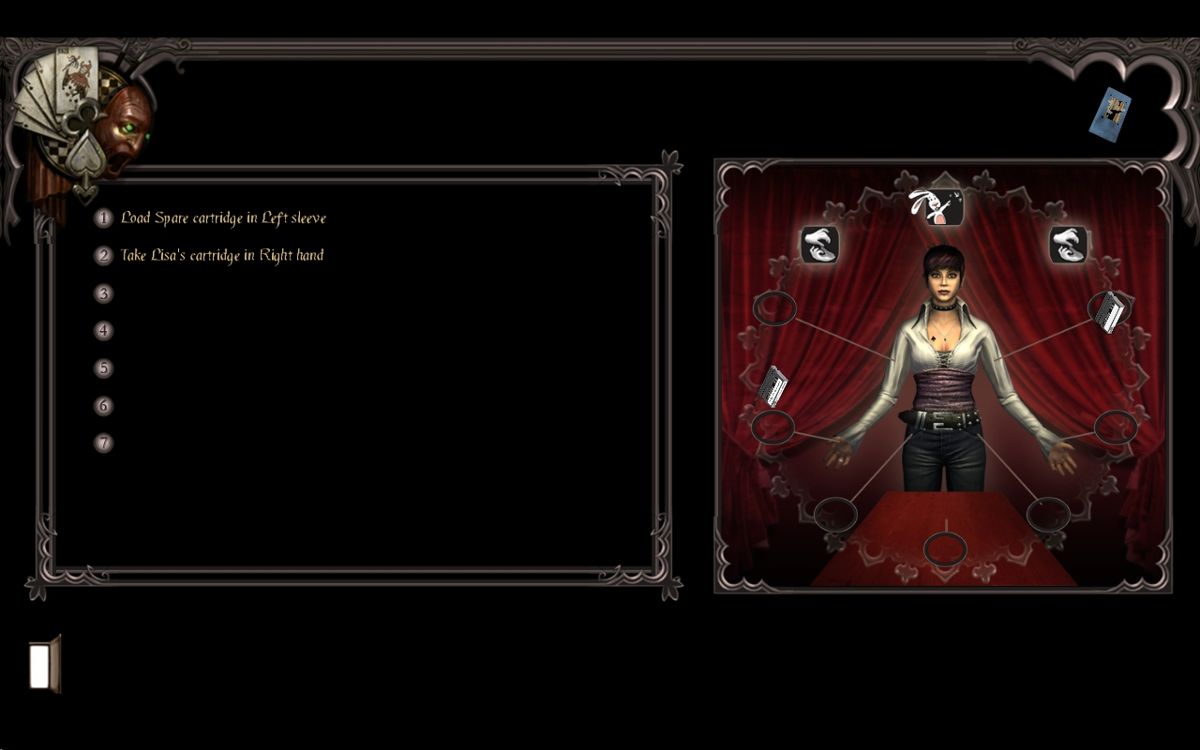
The first stretch of Gray Matter puts you in Samantha Everett’s shoes, and that is exactly where the game is most immediately inviting. She is an American student and itinerant street magician trying to find her footing in the United Kingdom, which gives even its familiar adventure-game errands a bit of character. You are not just rummaging through an inventory for an answer; Sam’s knowledge of sleight of hand is part of how she approaches obstacles.
That focus matters. Classic graphic adventures can turn into a string of arbitrary item combinations, but Gray Matter has a better foundation than most because it ties puzzle-solving to who you are playing. Sam’s magic and David Styles’s scientific research are built into the interface and puzzle design, so the switch between protagonists is more than a narrative novelty. It asks you to change your mindset along with your character.
Dr. Styles is the more restrained half of the duo: a widowed Oxford neurobiology researcher, reluctant employer to Sam, and a man whose experiments concern the potential of the human mind. His side gives the game a cooler, more methodical angle against Sam’s improvisational energy. That contrast keeps eight chapters of investigation from feeling like one uninterrupted scavenger hunt.
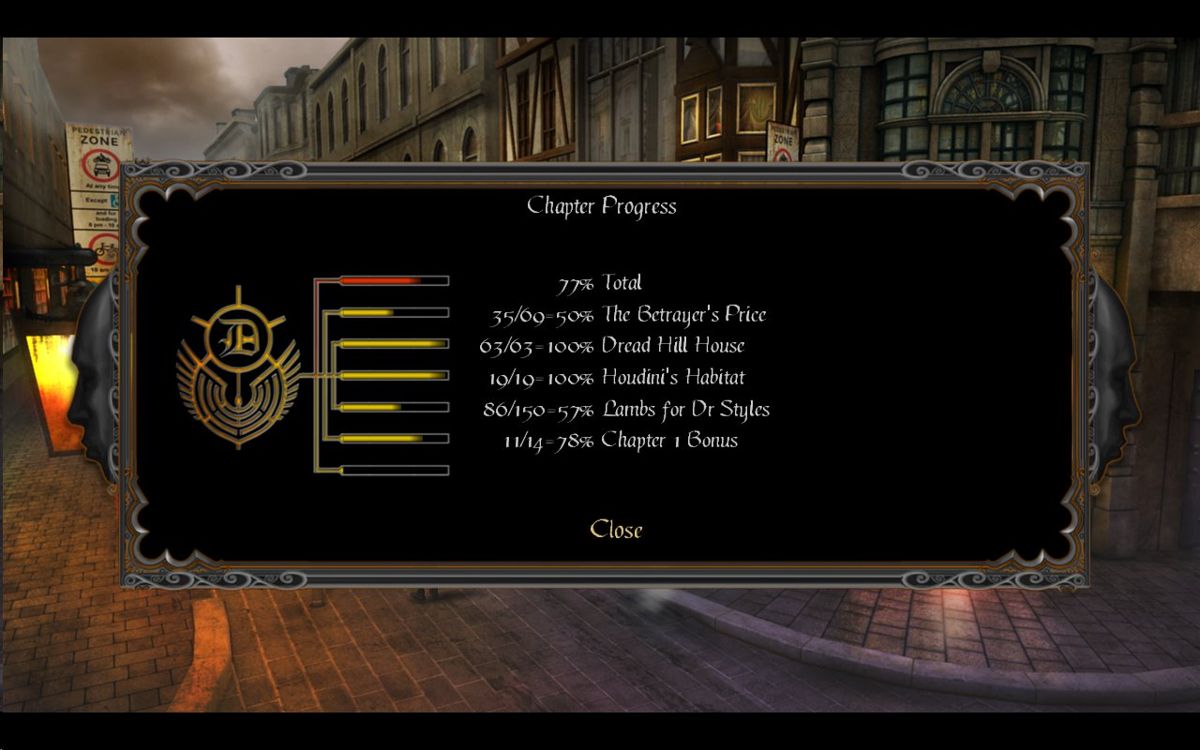
The chapter progression system is a welcome concession to practicality. Adventure games reward attention, but they can also leave you wondering which thread still matters; being able to track events and tasks helps keep the investigation moving. Expect traditional third-person, point-and-click pacing rather than fast action. The reward is in noticing connections, working through obstacles, and seeing how the two leads’ very different skills fit the same mystery.
Graphics
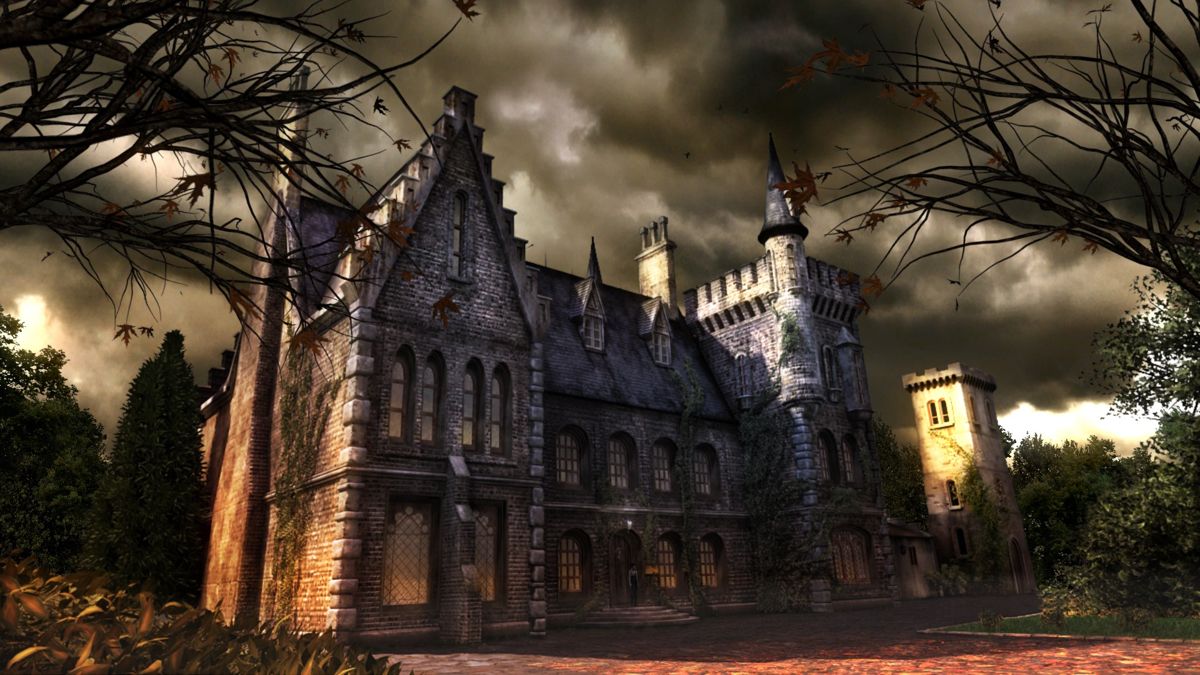
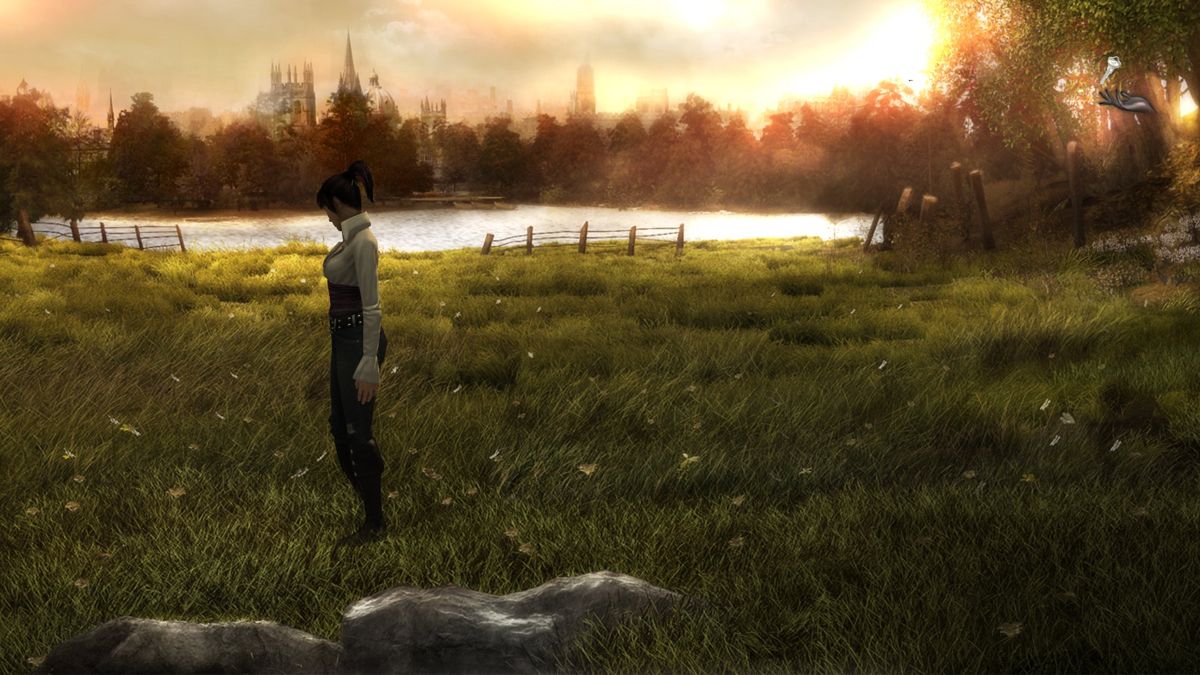
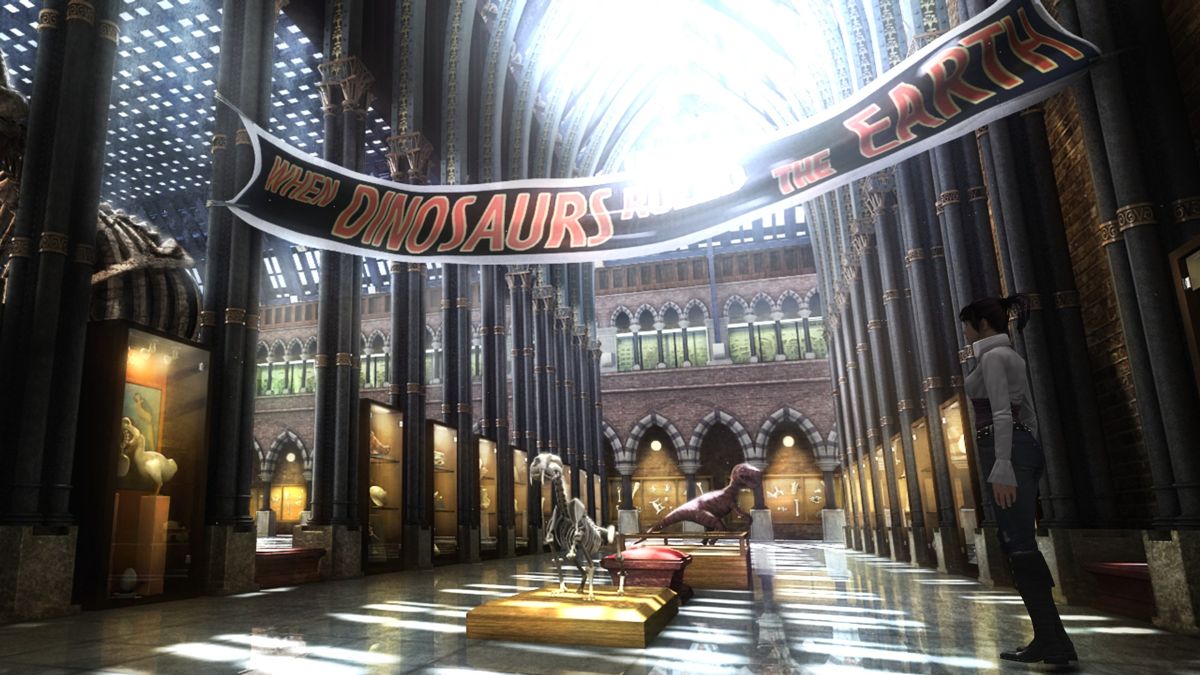
Gray Matter combines pre-rendered 2D backgrounds with 3D characters. Oxford locations and Dread Hill House provide the fixed, detailed backdrops, while the playable cast moves through them in third-person view. The contrast suits a traditional adventure format, especially when you are scanning a location for useful objects or people to question.
Story
The mystery has a strong pulpy pull: a reclusive scientist, a notorious house called Dread Hill, students recruited for unsettling experiments, and a magician’s secret club operating alongside it all. Those threads give the game more to work with than a single haunted-house premise. You start with Sam looking for a place within the local magic scene, then find yourself drawn into David’s far more troubling work.
Sam and David make an effective pair precisely because they are not natural partners. She is a mobile, socially nimble outsider with a taste for misdirection; he is a guarded researcher marked by the death of his wife and the reputation surrounding his work. The game can use that friction to make its investigation feel personal instead of merely procedural.
Jane Jensen’s return to a full-scale adventure is felt most clearly in the choice of material: science fiction, horror, and thriller elements sharing the same case. The story is built for gamers who enjoy following several suspicious leads at once and letting the stranger implications gather over time. It is less about immediate shocks than the slow pleasure of wondering how magic-club intrigue, university students, and research into the mind can possibly belong together.
Overall Experience
Gray Matter is an easy game to meet on its own terms if you have any affection for the classic adventure-game rhythm. You explore, collect clues and objects, test solutions, and let conversations and locations gradually clarify the larger problem. It does not need to reinvent that format when its two-protagonist structure already gives it a welcome point of difference.
Its biggest strength is the way the gameplay premise and story premise reinforce each other. Sam’s tricks are not just flavor pasted onto an inventory game, and David’s research is not just a paragraph of backstory. Each lead brings a distinct way of thinking to the same investigation, which gives the game a stronger sense of purpose than an adventure whose puzzles could belong to anyone.
Give it a chance if you want a patient, story-led mystery with a scientific horror edge and a real fondness for old-fashioned point-and-click structure. The eight-chapter framework and task tracking make the journey more manageable, while the Oxford setting, Dread Hill House, and magician-club thread give you plenty of reasons to keep following the next lead. It is a satisfying return to the kind of adventure that values curiosity over speed.



Reviews
There are no reviews yet.