 Retro Replay Retro Gaming History, Reviews & Emulation
Retro Replay Review
Gameplay
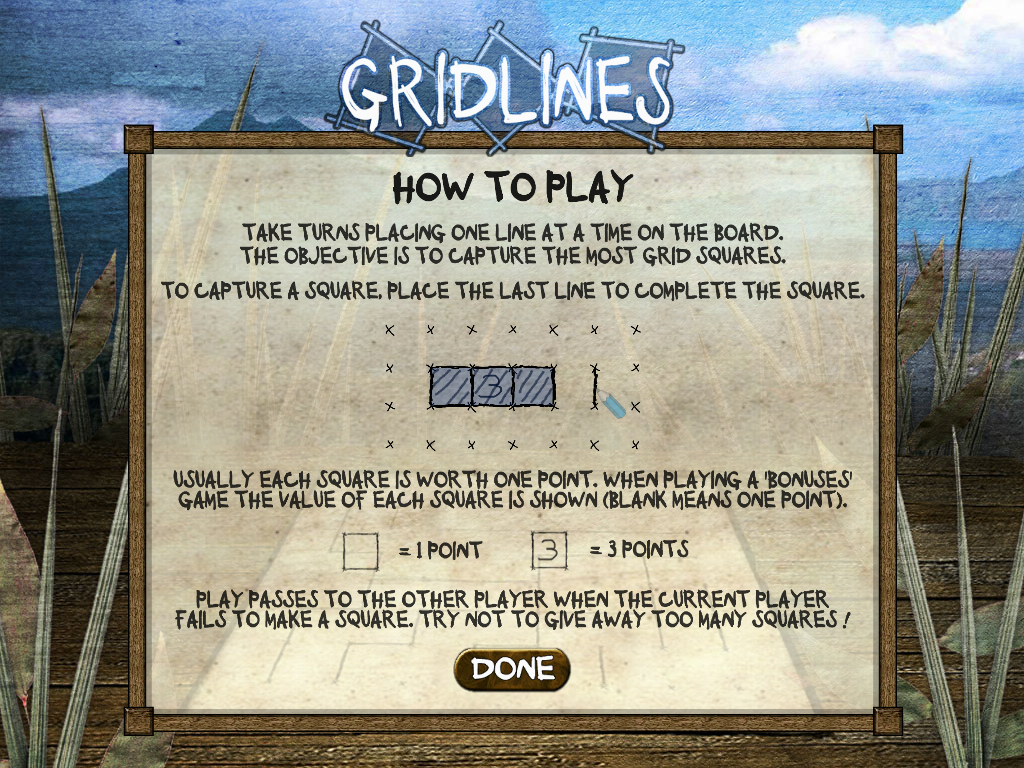
GridLines understands the sharp little hook at the center of Dots and Boxes. Every turn asks you to add one line, but the important question is whether that line completes a square—or sets up a sequence of easy squares for the other side. The first few moves can feel almost routine. Then the grid starts filling in, safe options disappear, and you realize you have been quietly steering toward a trap for several turns.
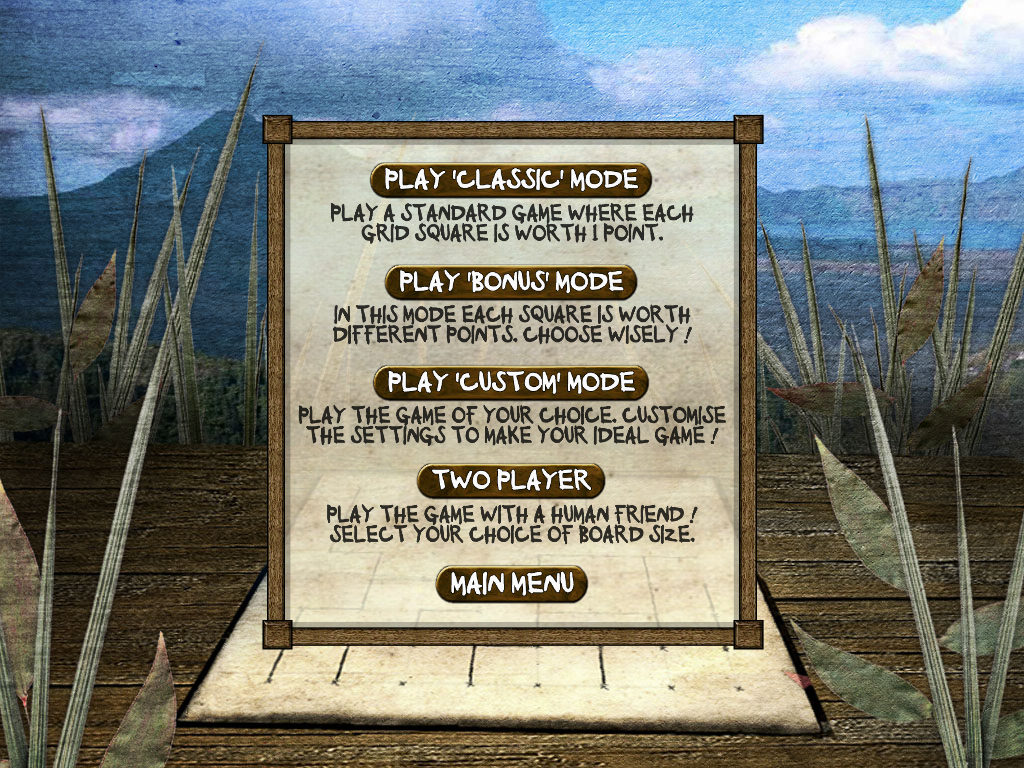
Classic mode is the cleanest way to learn that rhythm. Five computer difficulty levels give you room to start casually and move upward once you can spot the obvious giveaways. This is not a game that needs elaborate rules to become demanding; it gets interesting when you stop treating every open edge as equal and begin thinking about what a move leaves behind.
Bonus mode is the standout variation because different square values complicate the usual land-grab. A box is no longer simply a box when certain positions are worth more, and that makes sacrifices and setup moves more tempting. Custom mode also earns its place: adjusting board size, opponent skill, bonus points, and pre-drawn lines lets you shape a match around either a quick puzzle or a more involved contest. Local two-player play is likely the best fit if you enjoy the pleasure of watching someone realize they have just opened a long scoring chain.
Graphics
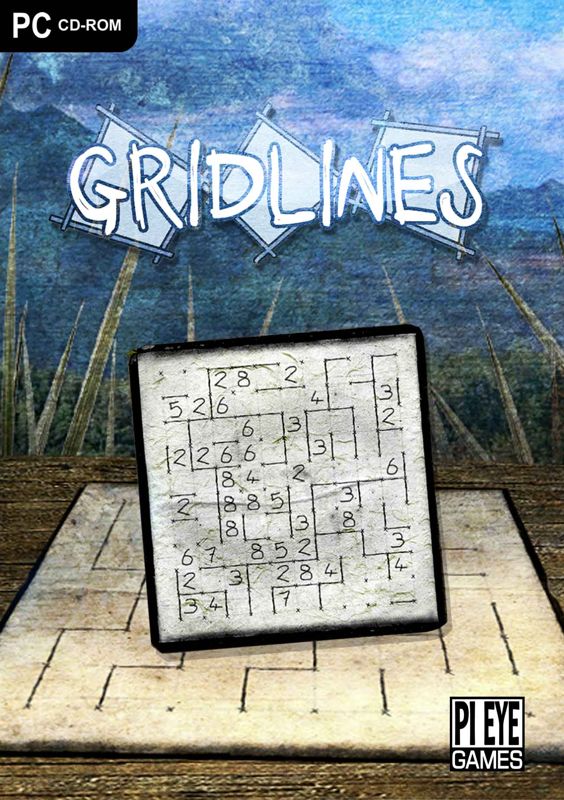
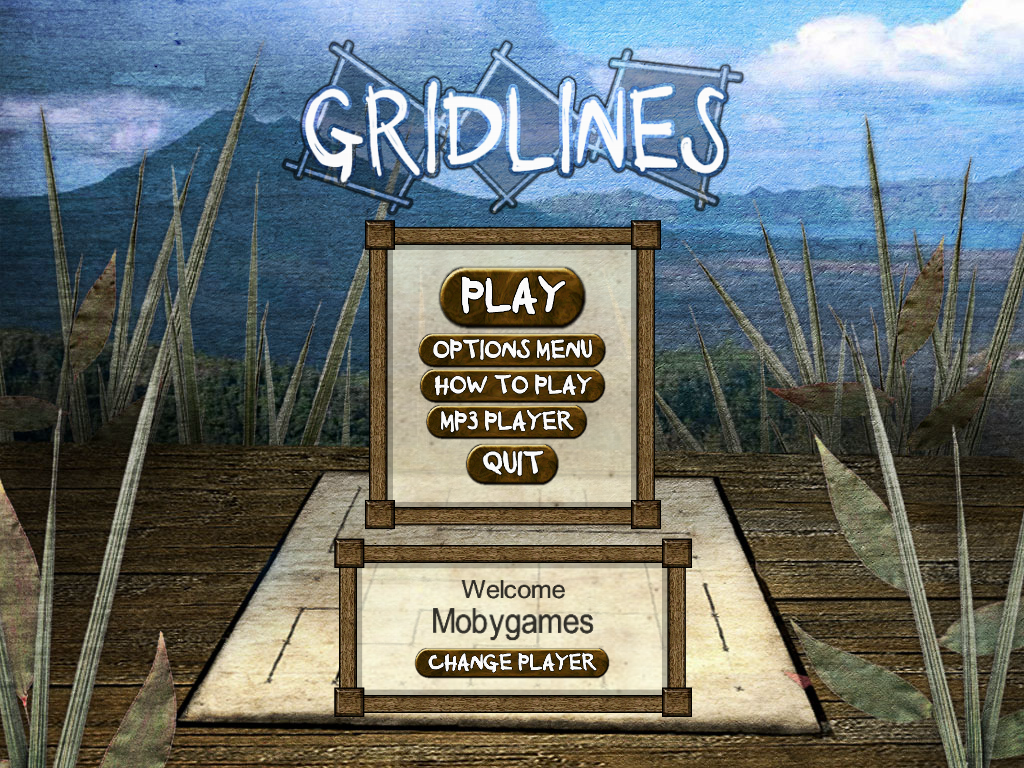
GridLines uses a top-down board-game view built around dots, connecting lines, and completed squares. That plain grid is the right picture for the game: you need to see the open edges and the growing shape of the board at a glance.
Story
There is no need for an authored tale here; the match itself supplies the tension. At first, each player is merely adding lines to an open grid. By the final stretch, the board records every earlier decision, and a seemingly small choice can determine who collects the remaining squares.
The closest thing to a turning point is the first forced handoff. You may take a square and retain the turn, only to discover that the next available line begins a much larger scoring run for your rival. That reversal gives even a quiet game against the computer a clear arc: cautious opening, mounting pressure, then a scramble to control the final chain.
Bonus mode adds a little more character to that arc by giving some locations greater value. Rather than chasing every available square, you can be drawn toward the places that matter most. It remains an abstract contest, but it produces the kind of small, personal grudges that make a rematch feel necessary.
Overall Experience
GridLines is a focused adaptation for anyone who already knows Dots and Boxes is more tactical than it looks, or for anyone curious enough to find out why a sheet of dots can become so competitive. It does not bury the pastime under unnecessary distractions. Instead, it offers a sensible spread of difficulty, scoring twists, board options, and human competition around a durable core.
Its limitations are also easy to see. The central activity never stops being lines and boxes, so your enjoyment depends on whether you like reading a board, anticipating consequences, and accepting that a single mistake can swing a game. If you need constant surprises or a changing set of systems, the repetition will set in quickly.
For patient strategy fans, though, the payoff is real. Bonus scoring and custom setups give the familiar rules more life than a basic digital board would, while the computer opponents provide a practical way to improve. GridLines is a modest game with a pleasantly ruthless competitive streak, and it is worth a look when you want a compact head-to-head puzzle rather than a sprawling tactics campaign.


Reviews
There are no reviews yet.