 Retro Replay Retro Gaming History, Reviews & Emulation


Retro Replay Review
Gameplay
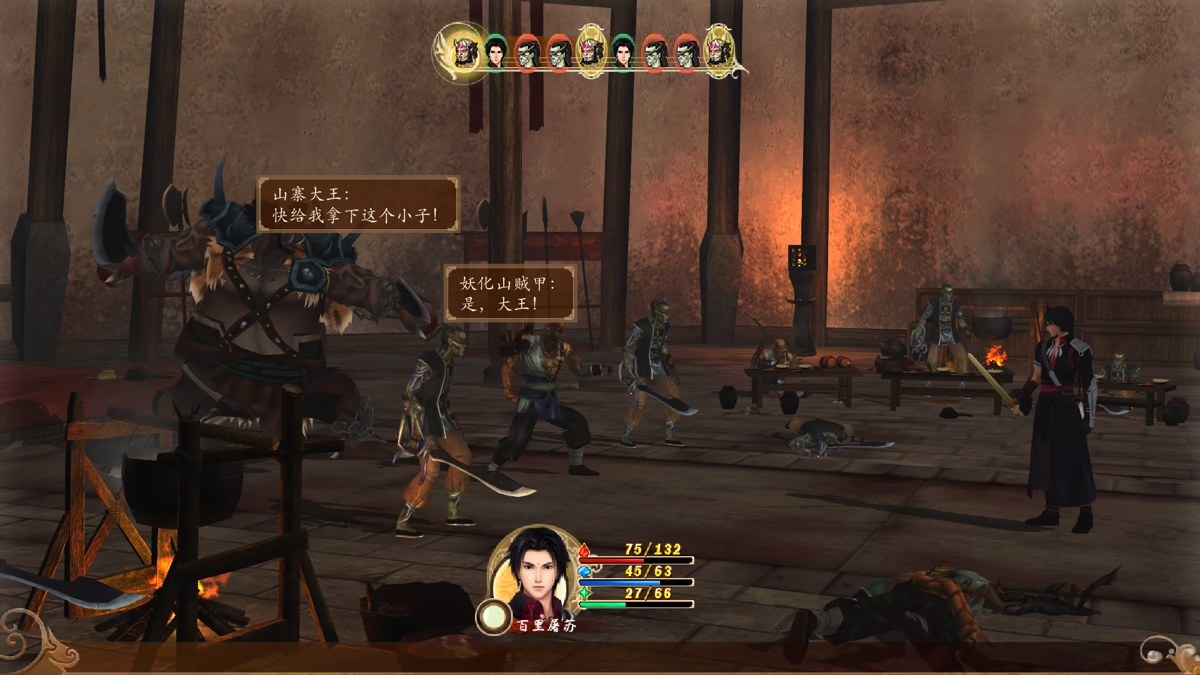
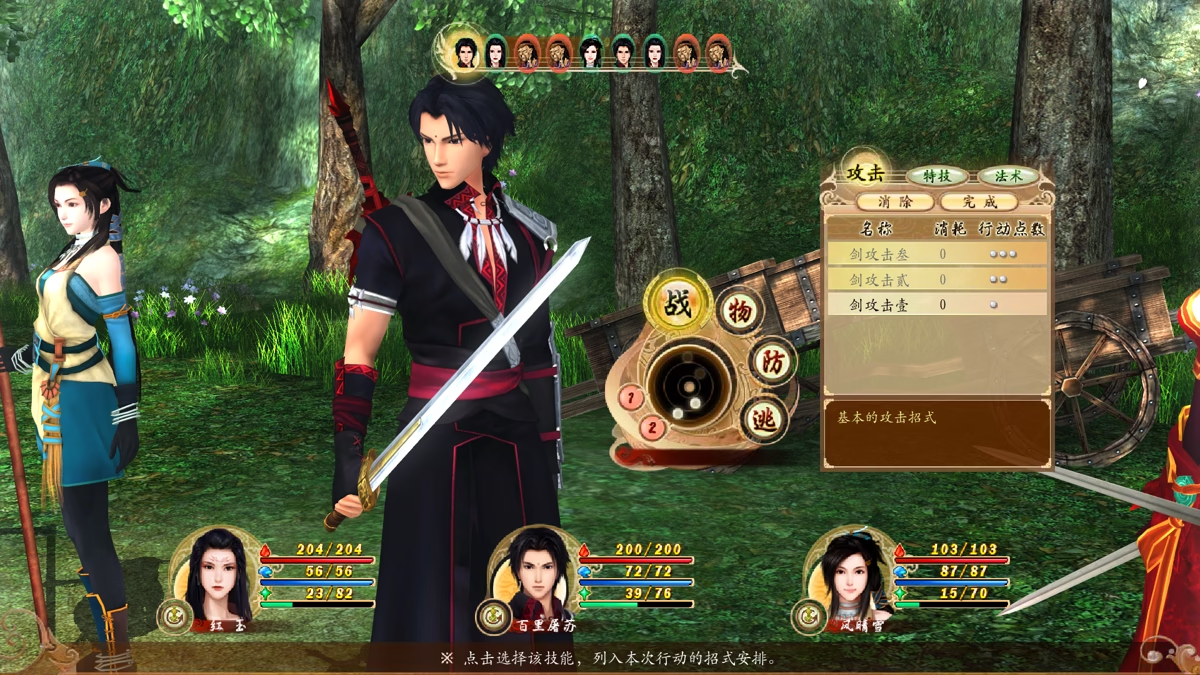
GuJian starts from familiar RPG ground, but its combat has a welcome bit of tactical friction. You can see who is due to act next, so each choice carries more weight than simply picking the strongest move every turn. Action points further push you to consider which attacks are worth committing to, and magic or items give you useful alternatives when a direct strike is not the answer.
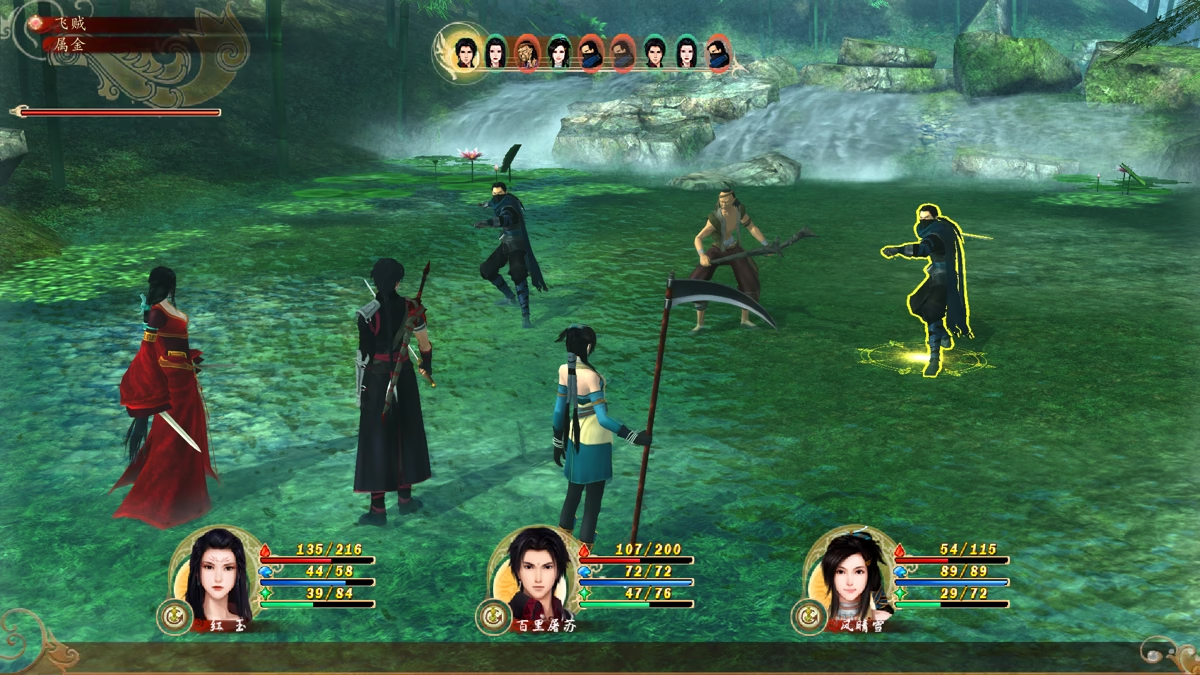
The turn-based structure is the strongest reason to stick with the game. It suits a party adventure where you are managing several heroes rather than only Baili Tusu, and the visible turn sequence lets you make decisions with some foresight. Battles can feel more satisfying when you are watching the order closely and choosing how aggressively to spend your available actions.
The Quick Time Event element is the part most likely to divide people. It adds a more immediate input demand to a game otherwise built around measured selections. If you like a little reflex pressure mixed into your command-based RPGs, it can keep encounters from becoming too passive. If you want every combat decision to remain purely strategic, it may feel like an unnecessary interruption.

Graphics
The character designs are a real bright spot. Baili Tusu’s dark, red-trimmed outfit makes him stand out, while the party’s flowing robes, contrasting colors, and long-haired silhouettes give the group the dramatic look you want from a fantasy journey. The battle scenes keep the characters large enough to appreciate their costumes and weapons.
Outdoor areas have an earthy, older 3D look, but there is some atmosphere in the leafless wooden settlement and the green forest clearing with water spilling over the rocks. The dungeon’s brown timber walkways, smoke-dark sky, and scattered firelight make a stronger impression than the rough ground textures around them.
Story
Baili Tusu has an immediately personal reason to leave home behind. After training in a cave and gaining a magical sword, he sees his village massacred and loses consciousness. The later shift to his life as a Tianyong sect disciple gives the story a second starting point without abandoning the wound that drives him.
The treasure hunt works because it is not just a hunt for power or riches. Baili joins people seeking fragments of an artifact said to revive the dead because he believes it may bring back his mother and help him find the people responsible for the massacre. That is direct, melodramatic motivation, and the game is better for not pretending it is anything cooler or more detached.
GuJian leans into earnest fantasy emotion, from sect disciples and bandits to magical swords and impossible hopes. The fully voiced cast gives that material a better chance to land than it would as silent text alone. You should go in ready for a sincere, plot-driven RPG rather than a wry or minimalist adventure.
Overall Experience
There is a dependable comfort to GuJian: a group of distinctive-looking heroes, a search for answers with supernatural stakes, and battles that reward paying attention to turn order rather than sleepwalking through commands. It does not need to reinvent the party RPG to be engaging. Its best moments come from the way those familiar pieces reinforce one another.
The game will fit you best if you enjoy taking your time with a voiced fantasy story and can appreciate a combat system that asks for a little planning. The action-point choices make the turn-based fights more involving, while the QTEs add a small point of tension that some will enjoy more than others.
For fans of Chinese fantasy RPGs, GuJian is worth trying for its committed setting, dramatic central motivation, and surprisingly thoughtful combat framework. It has the feel of a game made for someone who wants to settle into a long quest with a party, not rush through a string of disconnected battles.



Reviews
There are no reviews yet.