 Retro Replay Retro Gaming History, Reviews & Emulation

Retro Replay Review
Gameplay
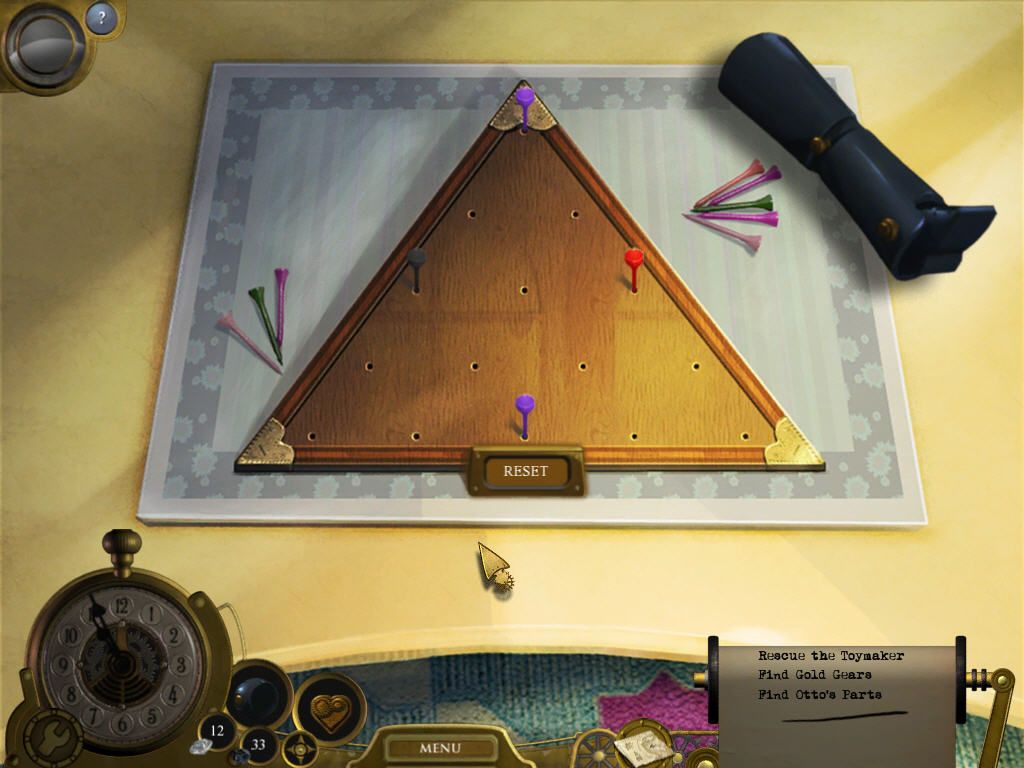
The first hour’s pull comes from the pocket watch. You still search scenes for hidden objects and work through puzzles, but the watch turns time into a useful tool rather than a story-only gimmick. It can locate objects caught in a time flux, move time in either direction, and make items old or new again. That gives you a reason to look at an obstacle twice: perhaps it needs to be aged, restored, or bypassed by changing something nearby.
The apple-tree solution captures the game at its best. With both the stairs and elevator damaged, planting seeds and pushing time ahead creates a tree that breaks through to the second floor. It is a pleasingly silly solution, but it follows the game’s logic, and it makes progress feel earned. You are not merely collecting an inventory item; you are using the central idea to reshape the route forward.
Frustration is most likely to set in if you want a fast, action-heavy adventure. Hidden-object searching remains a major part of the rhythm, so the pace depends on how much you enjoy stopping to comb an area for needed pieces. If that kind of hunt tends to wear you down, the clever time puzzles may not entirely overcome it. If you like taking stock of a scene and testing an unusual tool against a problem, though, the clockwork theme has real mileage.
Graphics
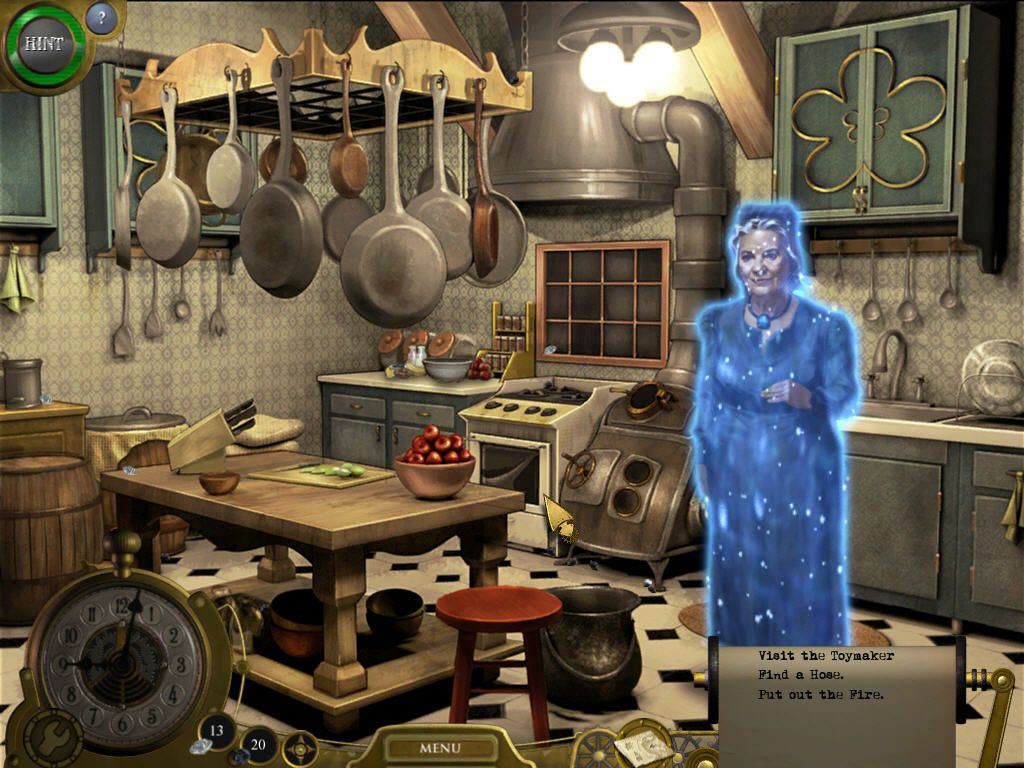
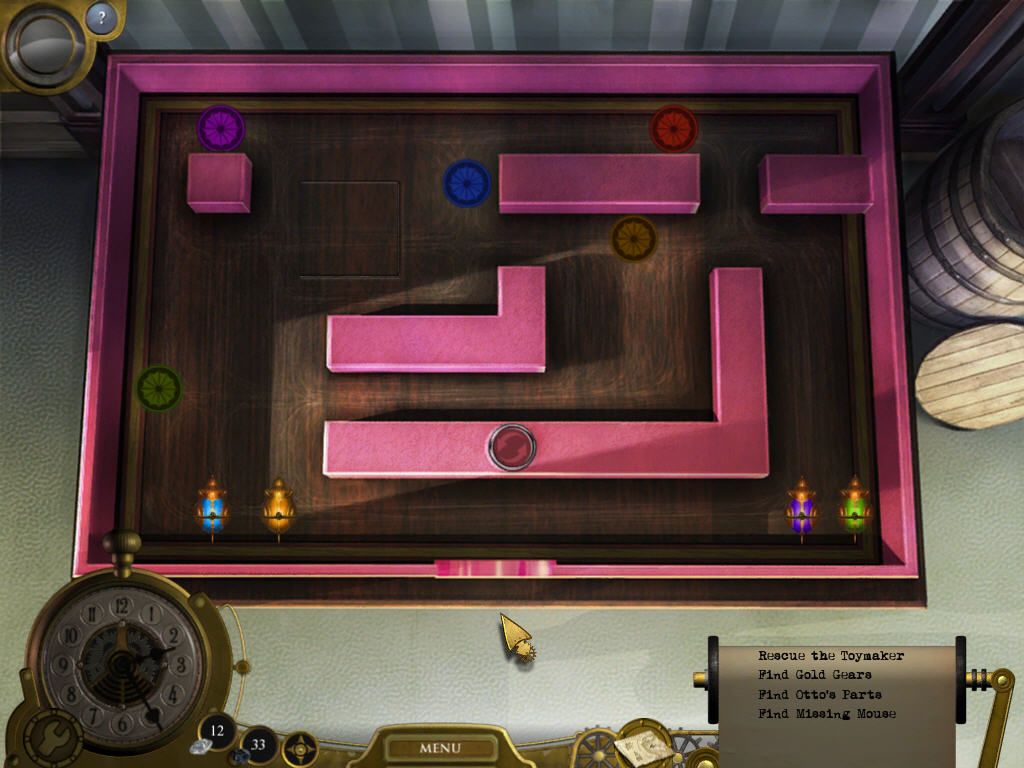
You explore the Clocktower and parts of the town from a first-person perspective, keeping your attention on the objects and blocked paths in front of Eliza. The pocket watch and the changing state of puzzle items are the most important things to notice, since progress often depends on seeing what time can alter.
Story
Eliza starts the trouble by entering the Clocktower uninvited and startling the Clocksmith, setting off damage that threatens time itself. It is a light adventure setup, but a useful one: her mistake gives the rescue mission some personal weight, since her family and friends are caught in the consequences.
The Clocksmith and the mysterious pocket watch frame the story around repair rather than combat or danger. Your objective is clear from the start—reset the Clocktower and put things right—and the time-based puzzles fit that goal naturally. The game does not need a sprawling premise when its central problem is so easy to grasp.
Eliza’s mischievous introduction also helps the tone. She is not simply handed a heroic quest; she has to clean up a disaster she helped create. That is a small but welcome bit of motivation for an adventure built around restoring broken things.
Overall Experience
Lost in Time: The Clockwork Tower is worth trying for the pocket watch alone. Its hidden-object structure is conventional, yet the ability to age, renew, and otherwise manipulate objects gives individual puzzles a more distinctive flavor. When a solution asks you to think about what an item could become over time, the game feels smarter than a standard search-and-use adventure.
Come for a relaxed puzzle session, not for speed or spectacle. The reward is the steady satisfaction of untangling a time-themed obstacle, especially when the answer uses the watch in a way that feels both absurd and internally consistent. The tree shortcut is a strong example of why the premise works.
For hidden-object fans, this is an easy recommendation: the searches are attached to a proper adventure framework and a memorable puzzle tool. Even if you are usually lukewarm on the genre, Eliza’s time-bending errands may be enough to win you over—as long as you are happy to slow down, inspect your surroundings, and let the Clocktower’s odd logic lead the way.



Reviews
There are no reviews yet.