 Retro Replay Retro Gaming History, Reviews & Emulation
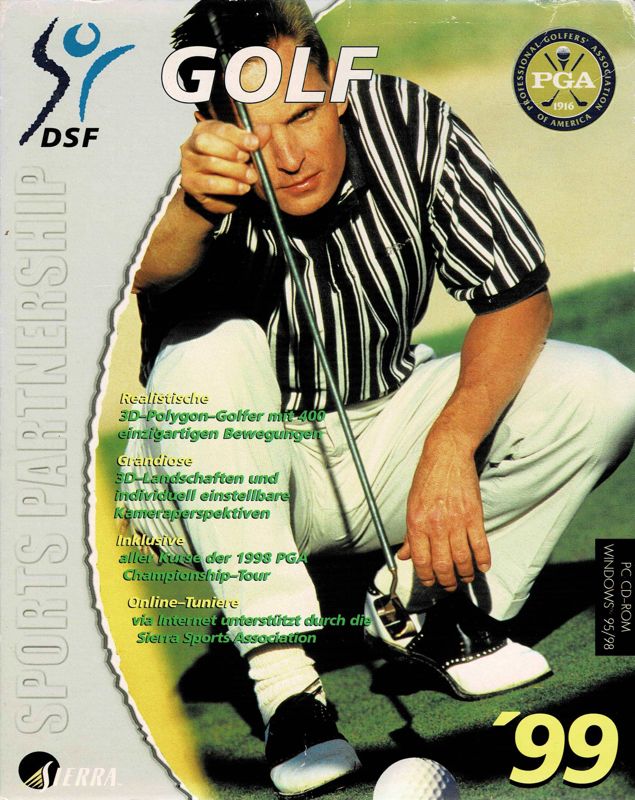
Retro Replay Review
Gameplay
The first pull is simple: pick a course, choose a format, and get into a round with enough variety that you are not locked into one definition of golf. Twelve play types is a meaningful spread for a game of this era. Skins, Stableford, and Medal reward different kinds of sessions, whether you want a score-focused round or something with a little more competitive swing from hole to hole.
The Course Architect is the reason this edition has a real argument for itself. Being able to build an original course or attempt to recreate a real one turns the game from a fixed collection of venues into a hobby. It is especially valuable once you have spent time with the included courses and want a new layout without simply repeating the same rounds.
There is a useful range in the built-in lineup too: Sahalee, Royal Birkdale, Black Diamond Ranch, Coeur d’Alene, Pasatiempo, Pete Dye, and Princeville give the package a more worldly tour feel, while Jocassee Shoals shows what can be done with the editor. The 1999 edition remains very close to its predecessor, though, so anyone who already owns the 1998 game should see the course creator as the central reason to move over.
Graphics
This is a third-person golf game built around a set of named real-world clubs and one fantasy course, Jocassee Shoals. The course list gives the game a welcome change of scenery on paper, from Royal Birkdale in England to Princeville in Hawaii, rather than leaving every round attached to one anonymous fairway.
Story
Golf games do not need a plotted story, and PGA Championship Golf: 1999 Edition sensibly finds its drama in the round itself. A tournament, a target score, and a competitive format give each session enough context without asking you to sit through a manufactured sports narrative.
Tournament mode adds a broadcast-minded layer through commentary from PGA Tour Radio announcer Grant Boone and Golf Channel color commentator Mark Lye. That pairing is a worthwhile touch because golf benefits from someone helping frame the action between shots; it gives a formal tournament round more occasion than a silent scorecard would.
Your more personal story comes from the Course Architect. A course you built yourself has an investment no licensed venue can quite match, and taking a fresh layout into a multiplayer match or a solo round creates the sort of small, self-made rivalry that keeps sports games memorable.
Overall Experience
PGA Championship Golf: 1999 Edition is a solid, practical choice for a golfer who wants options rather than a single prescribed mode. The licensed course selection is substantial, the formats suit both relaxed and competitive play, and the editor is the feature that can keep the game on the drive long after the novelty of the stock courses fades.
Multiplayer broadens that value considerably. Up to four people can play through LAN or modem connections, while internet play through Won.net supports much larger events of up to 64 players. For a game built around repeat rounds, that scope matters: golf is often more fun when a score belongs to someone you know, not just a list on the screen.
The recommendation is straightforward. Newcomers looking for a late-’90s PC golf package with a serious amount of mode variety should have a good time, especially if course creation sounds inviting. Owners of the 1998 edition should be more selective, because this is not a radical departure—but Course Architect is a substantial enough addition to make the upgrade understandable for committed virtual golfers.



Reviews
There are no reviews yet.