 Retro Replay Retro Gaming History, Reviews & Emulation

Retro Replay Review
Gameplay
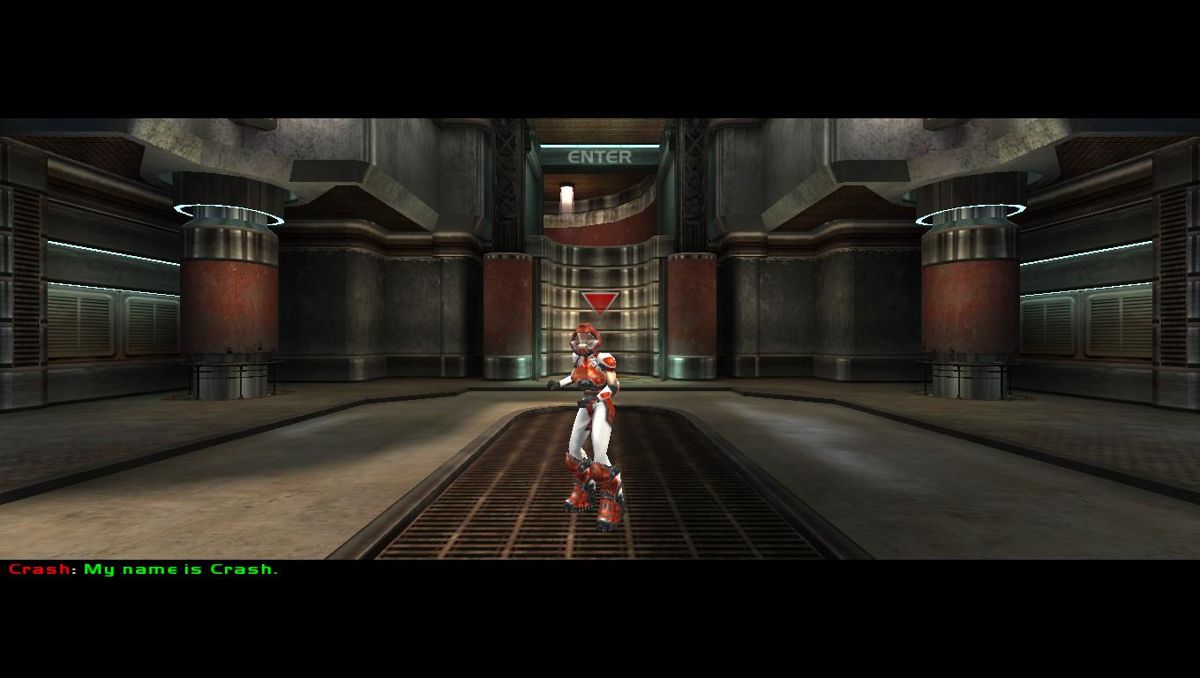
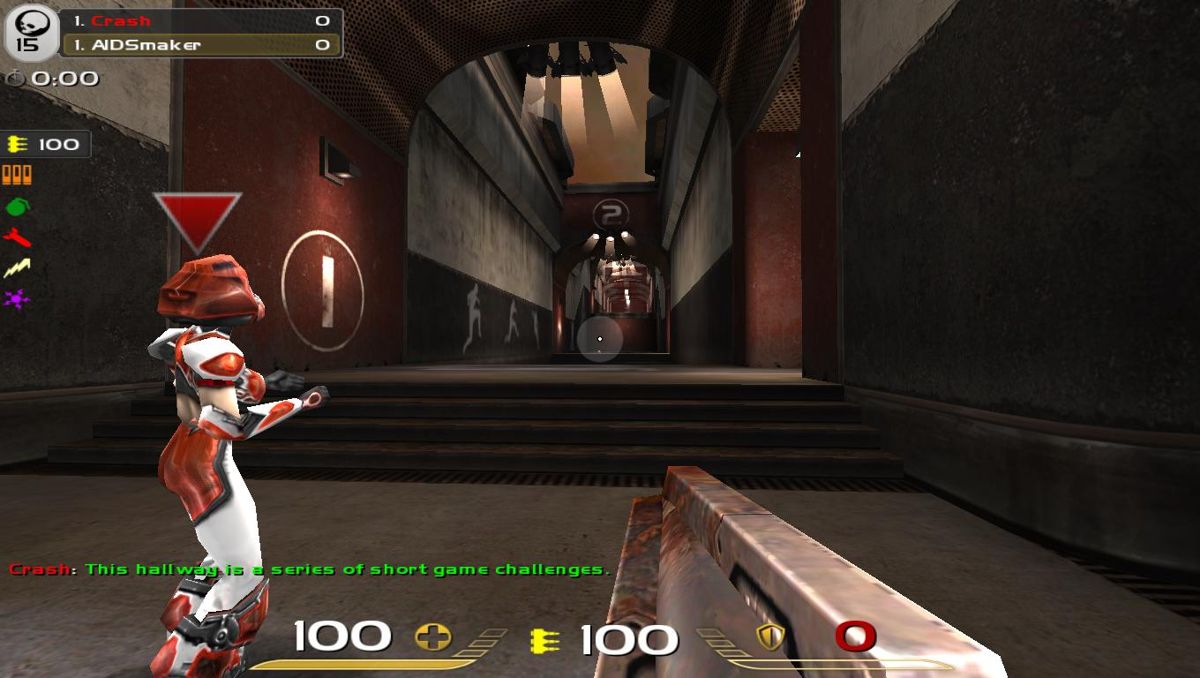
Quake Live wastes little time reminding you how demanding arena shooters can be. You spawn into a map, sweep up weapons, armor, health, and power-ups, then try to turn that route into an advantage before another player catches you exposed. The first hour can be rough: experienced opponents move with startling purpose, know where valuable items will appear, and punish hesitation. But the Training Center’s opening bot duel, skill placement, and freely configurable practice matches give you a useful on-ramp rather than throwing you straight into the deepest end.
Once the movement starts to click, the game becomes much more than a test of raw aim. Rocket-jump and strafe-jump training acknowledge that speed and positioning are skills you need to build, not obscure tricks you are expected to discover by accident. That matters because Quake Live’s best moments come from making a clean escape, arriving at a pickup at the right moment, or winning a fight because you controlled the map better. Its matchmaking restriction also protects lower-skilled servers from stronger entrants, though you can still choose to test yourself in higher-skill games when you want a lesson the hard way.
The mode selection gives the same fundamentals different flavors. Free For All is immediate, chaotic frag hunting; Duel concentrates all the pressure into a one-on-one contest. Team Deathmatch asks you to shoot carefully as well as quickly, while Capture the Flag makes flag returns and coordinated runs matter as much as kills. Clan Arena strips away map pickups and starts rounds with heavily equipped teams, creating tense last-player-standing finishes. Freeze Tag adds another team wrinkle: a fallen teammate can be unfrozen if someone reaches them, so a round is rarely settled until the whole team is locked down.
There is a lot here for a competitive shooter built around a simple loop, including more than 40 standard maps and five standard modes. The trade-off is that the game does not soften its own intensity. If you want steady unlocks or a gentle power curve, the repetition of being outplayed may wear on you. If you enjoy replaying a map until its routes, item timing, and firing lines become second nature, Quake Live stays compelling precisely because improvement is so visible.
Graphics
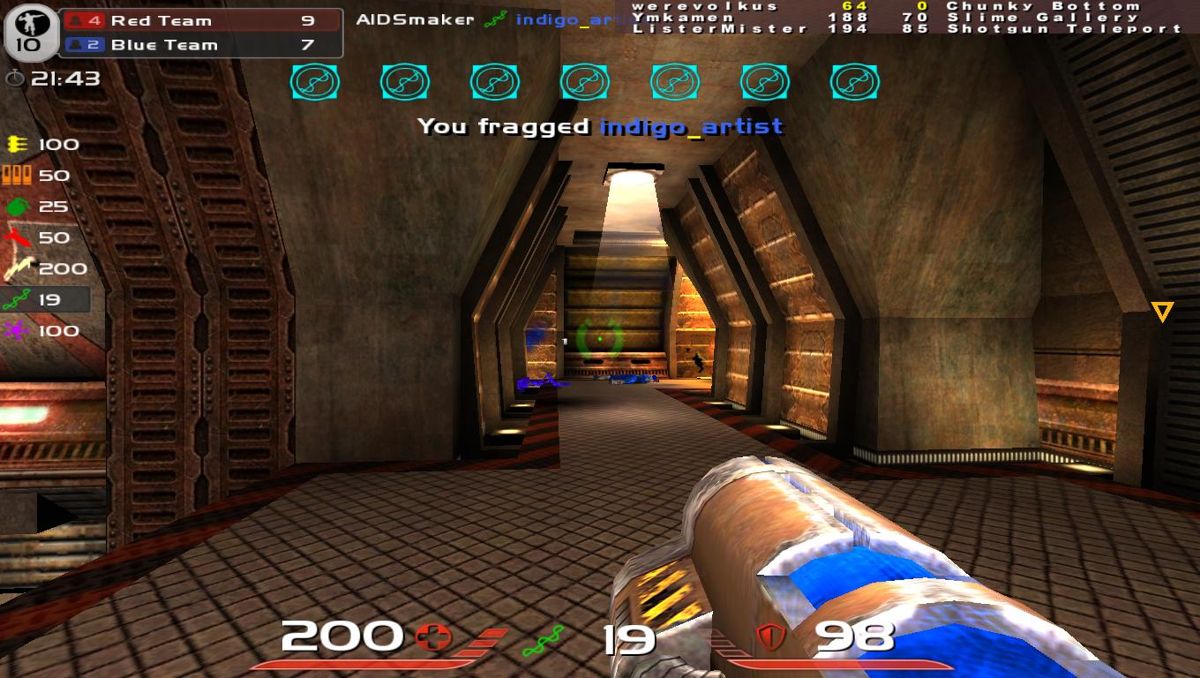
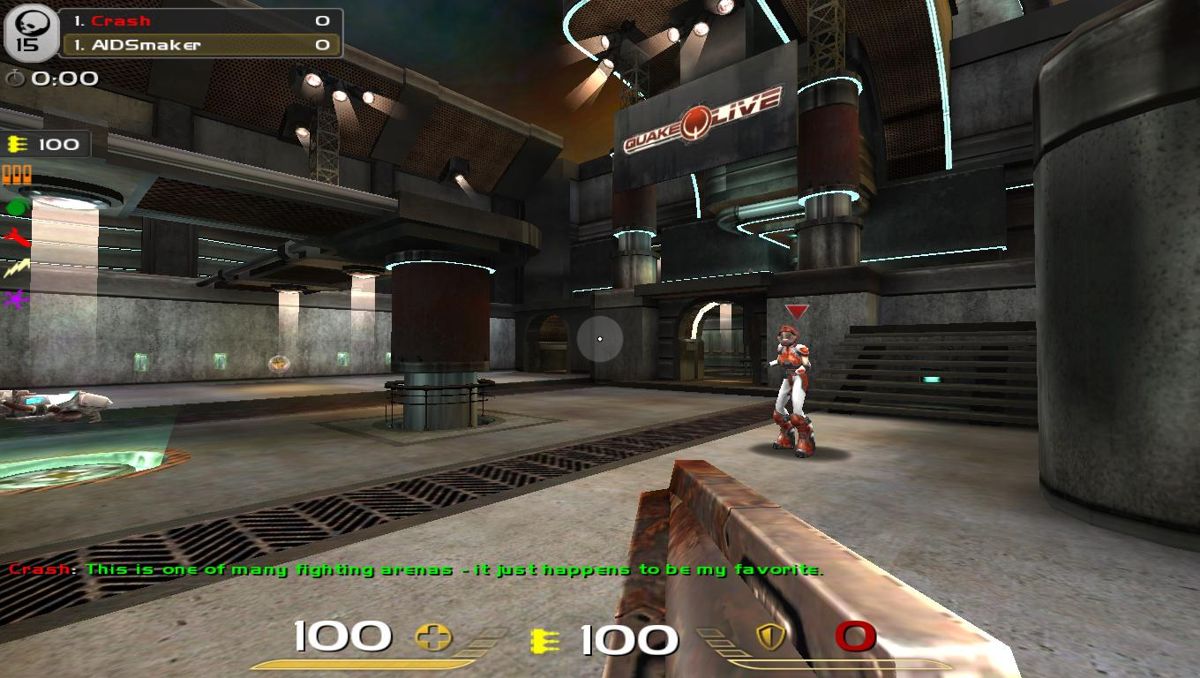
Quake Live uses the Quake III engine with graphical improvements, so you are looking at compact sci-fi arenas built for movement and combat rather than sprawling scenery. The view stays focused on clear routes, pickups, opponents, and the wide selection of character models moving through the map.
Its maps draw from Quake III Arena, Quake III: Team Arena, and popular community-made work, with older layouts adjusted for balance. The violence is also toned down from the original: blood and gore are absent, which keeps the on-screen action cleaner but removes some of the old game’s nastier edge.
Story
Quake Live is built around competition, not a story campaign. You are entering match after match to win frags, rounds, or objectives, and that directness suits the game’s quick, hard-edged pace.
The sci-fi arena setting is mainly a frame for its characters, weapons, and maps. There is no need to sit through setup before you can get to the point: pick a mode, learn the battlefield, and fight.
That can feel refreshingly focused if you want a multiplayer shooter with no narrative detours. Anyone looking for character arcs or a sequence of authored story moments will find far more satisfaction in the rivalries that emerge naturally from close matches and repeat encounters.
Overall Experience
Quake Live is a sturdy, uncompromising version of a classic arena formula. The fundamentals are familiar—collect gear, control space, frag opponents—but they remain potent because every weapon pickup and movement decision has consequences. A win feels earned, and a loss usually leaves you with a clear idea of what sharper play might have changed.
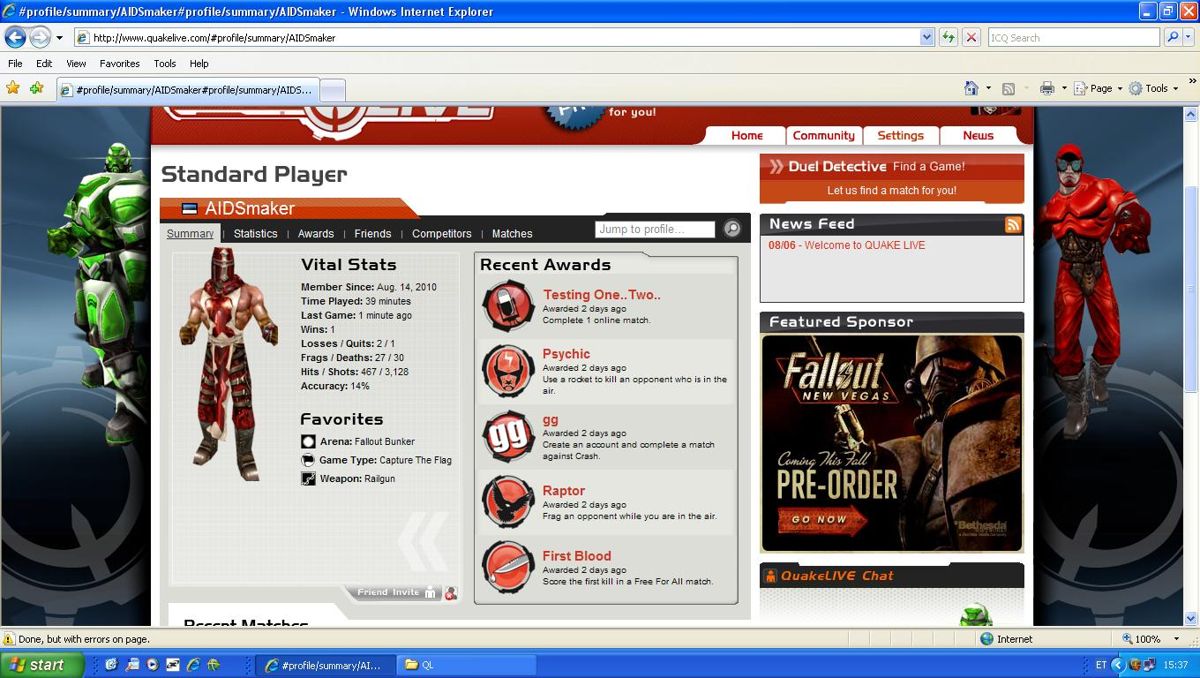
The profile statistics, awards, recent-competitor records, and friend-joining tools add a welcome sense of continuity around individual matches. Watching your kill/death ratio, favorite weapon, or most-played map develop can be motivating, especially when you are trying to improve instead of merely chasing a single good game.
Premium and Pro accounts expand access with additional maps, Freeze Tag, and, at the higher tier, server hosting. The standard offering is already substantial enough to learn the game’s demanding core, while the paid additions make the most sense if you have settled into its community and want more places and ways to compete.
Give Quake Live a chance if you miss shooters where movement, map familiarity, and nerve matter every second. Be patient through the early beatings, use the bot and movement training, and try more than Free For All before deciding whether it is for you. Its 7.7-level strengths come from lasting competitive depth and excellent mode variety; its frustration comes from just how little mercy it offers newcomers.


Reviews
There are no reviews yet.