 Retro Replay Retro Gaming History, Reviews & Emulation
Retro Replay Review
Gameplay
Reanimal understands that horror platforming works best when you are always doing something with purpose. Boy and Girl are not simply wandering through eerie spaces. They are trying to rescue friends and get off an island that keeps turning every path into another hazard. Stealth, light combat, environmental puzzles, and platforming feed into that momentum, with monster encounters built to escalate from a first disturbing sighting into a chase or confrontation.
The two-character setup gives the puzzles a practical, cooperative feel. You manipulate objects, operate machinery, turn valves, and boost each other onto ledges. In solo play, you direct the AI-controlled sibling with a signal, while local and online co-op let two people divide the work themselves. That makes the co-op version the clear recommendation if you have a reliable partner, particularly because the shared camera asks both of you to work within the same directed frame rather than freely splitting apart.
There is welcome variety in how the journey moves forward. Brief vehicle and sailing sequences break up the on-foot tension, and acquiring a boat opens a limited chance to explore optional areas. Masks, concept-art posters, places to sit, and secrets reward detours without turning the game into a sprawling scavenger hunt. Reanimal remains largely linear, which suits its tightly choreographed horror, but it leaves just enough room to poke around when you need a breath between major threats.
Its more forgiving checkpoints and fail states are a smart correction for this kind of game. A frightening pursuit loses power when repeated failure turns it into rote memorization. Here, the emphasis stays on pushing ahead through the next bad situation rather than replaying long stretches after one mistake. If you like platforming where the pressure comes from atmosphere and carefully staged danger, not punishing precision, that balance should click quickly.
Graphics
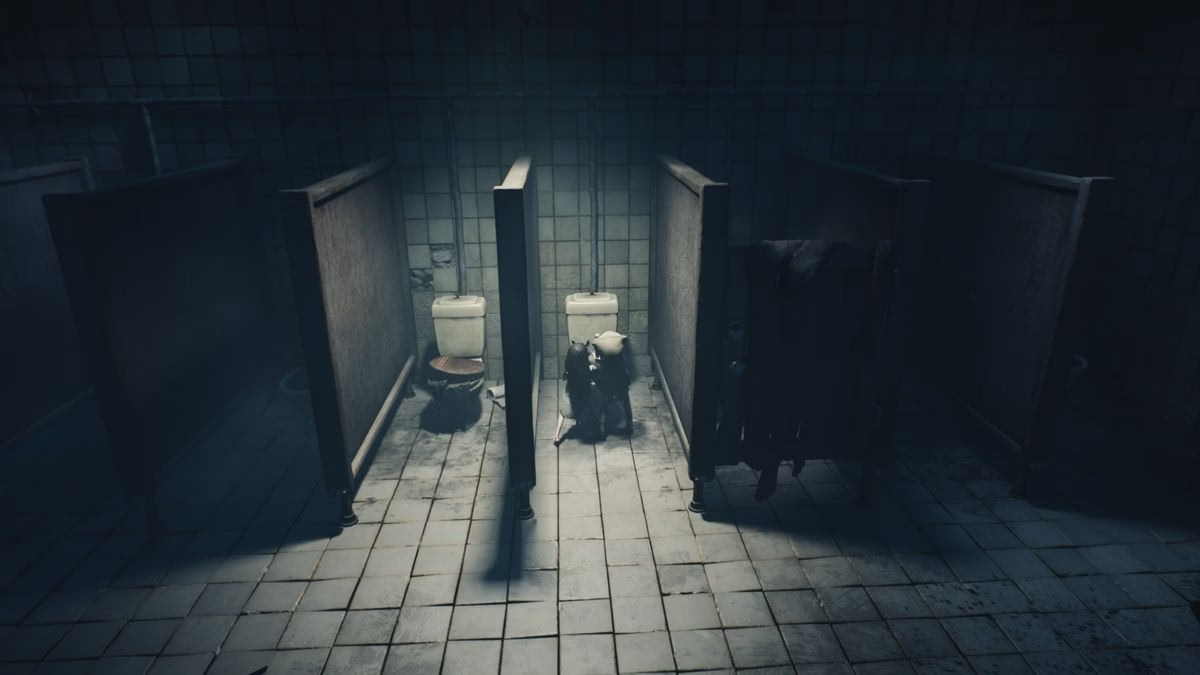
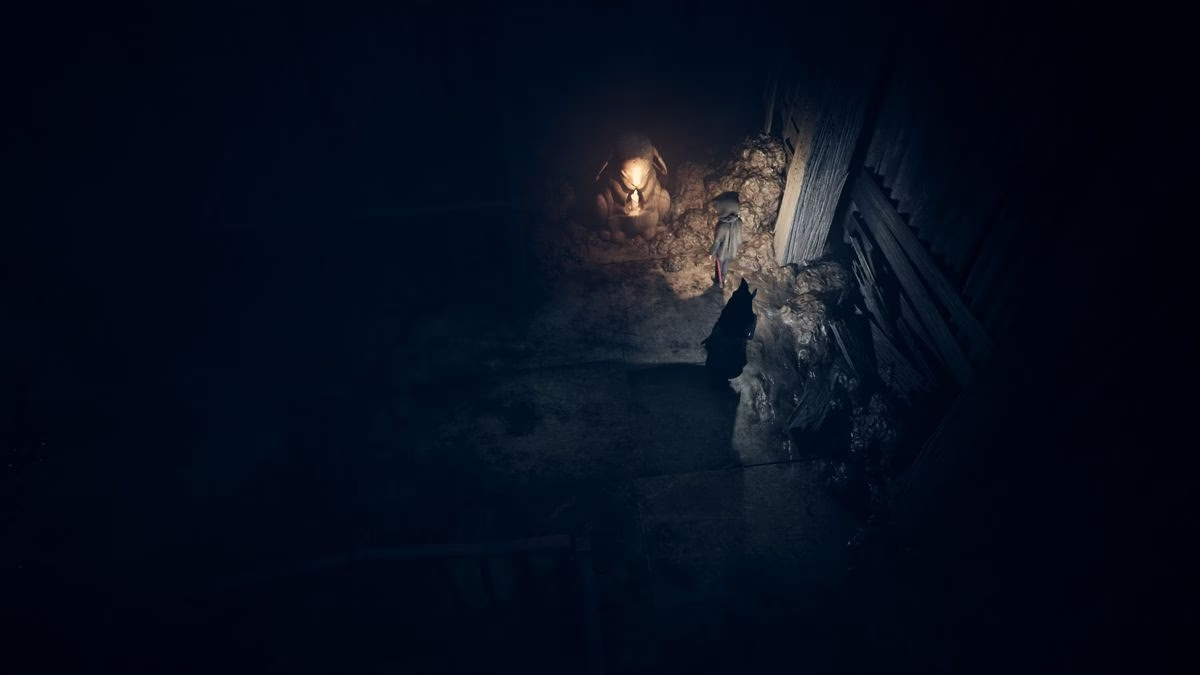
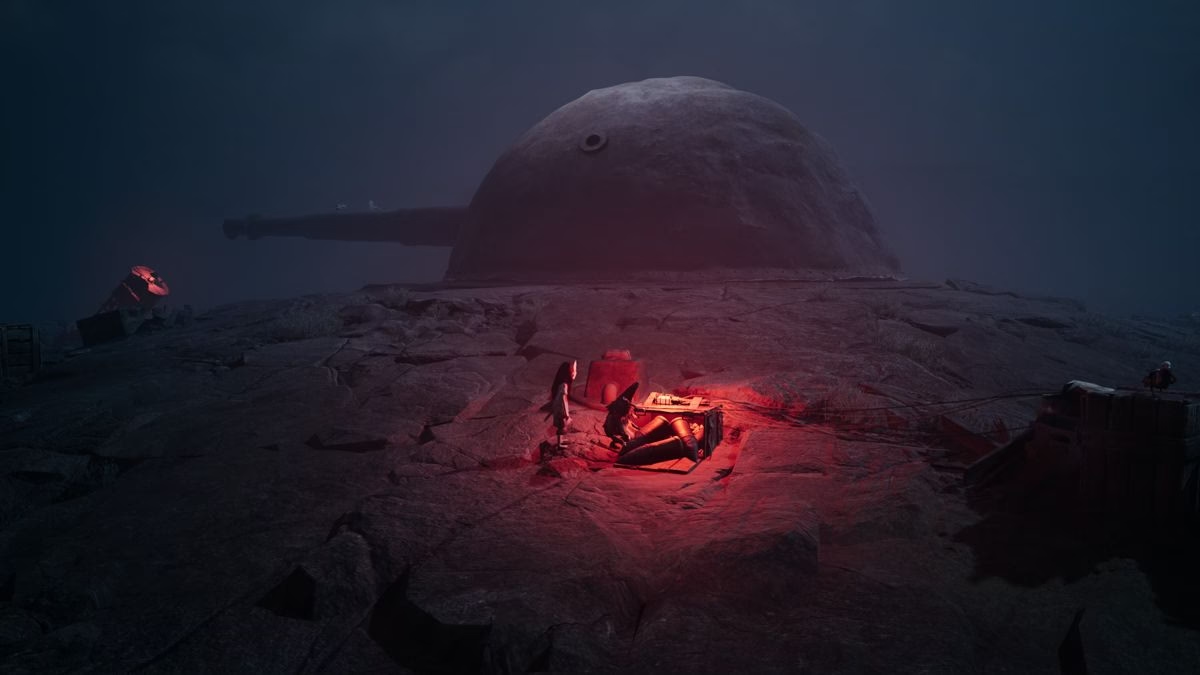
The camera shifts perspective rather than holding to a side-on view, giving the island’s flooded streets, abandoned industrial areas, farmland, trenches, and storm-battered coastlines a more cinematic route through the action. Specific sights include statues that must be located and lit, explosions in the trenches, a giant cannon on a small island, and a moment where the siblings plunge a toilet together.

Story
The premise is simple enough to grasp immediately: two orphaned siblings reunite at sea, then chase after their captured friend Hood while trying to save the rest of their missing friends. Reanimal earns its tension from how little comfort it offers around that goal. This is a shattered contemporary dystopia, not a quirky haunted playground, and its tone is deliberately bleaker than the studio’s earlier nightmare tales.
Dialogue is sparse but fully voiced, so the story leans heavily on mood and what the siblings encounter along the way. Corruption, trauma, and cyclical destruction sit beneath the journey, suggested through the island’s recurring imagery rather than explained at length. The repeated well and lamb-like apparition give the horror a lingering, symbolic quality.
That approach will work best if you enjoy stories that leave space for your own interpretation. You are following a clear rescue mission, but the island’s larger meaning comes through implication and repetition. The result is a focused, unpleasant place to inhabit in the right way: one where every new region feels like another fragment of a disaster that has been happening for far too long.
Overall Experience
Reanimal’s biggest strength is how its systems point in the same direction. Co-op problem-solving, stealth, short bursts of combat, and cinematic escapes all serve a story about two vulnerable kids trying to stay together while the world around them turns hostile. It has the recognizable tension of Tarsier’s earlier games, but the more violent tone and flexible camera give it a harsher personality.
The game is most likely to frustrate anyone hoping for open-ended exploration or a demanding combat game. Its structure is directed, its fights are light, and its optional boat exploration is limited. That is not a weakness if you want a carefully paced horror trip, but it does mean the best moments come from surrendering to the route and seeing what the next set piece asks of you.
For solo players, the AI sibling and friendlier checkpointing make the journey approachable without draining it of danger. For pairs, it looks like a particularly strong couch or online co-op horror game, one that asks you to coordinate under pressure instead of merely sharing the screen. Reanimal is worth playing if you want a grim, story-led platforming adventure with enough puzzle-solving and exploration to keep its nightmare moving.



Reviews
There are no reviews yet.