 Retro Replay Retro Gaming History, Reviews & Emulation
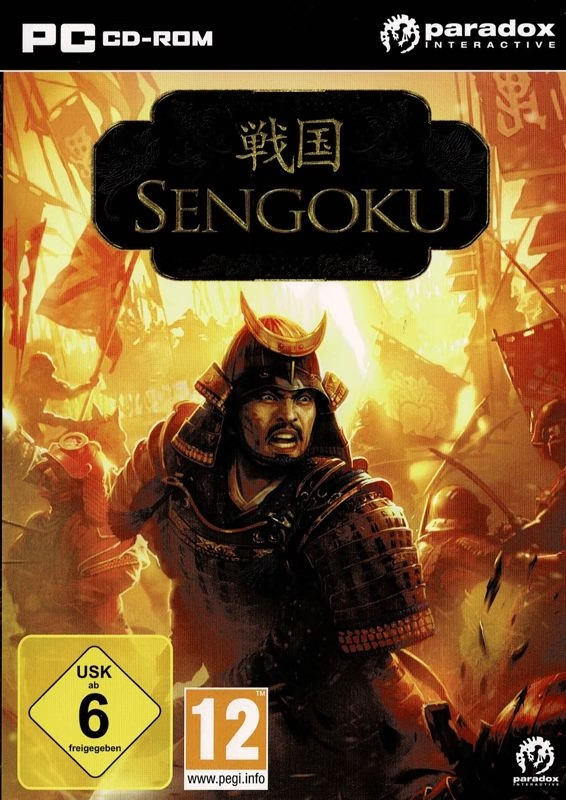
Game Overview
Gameplay
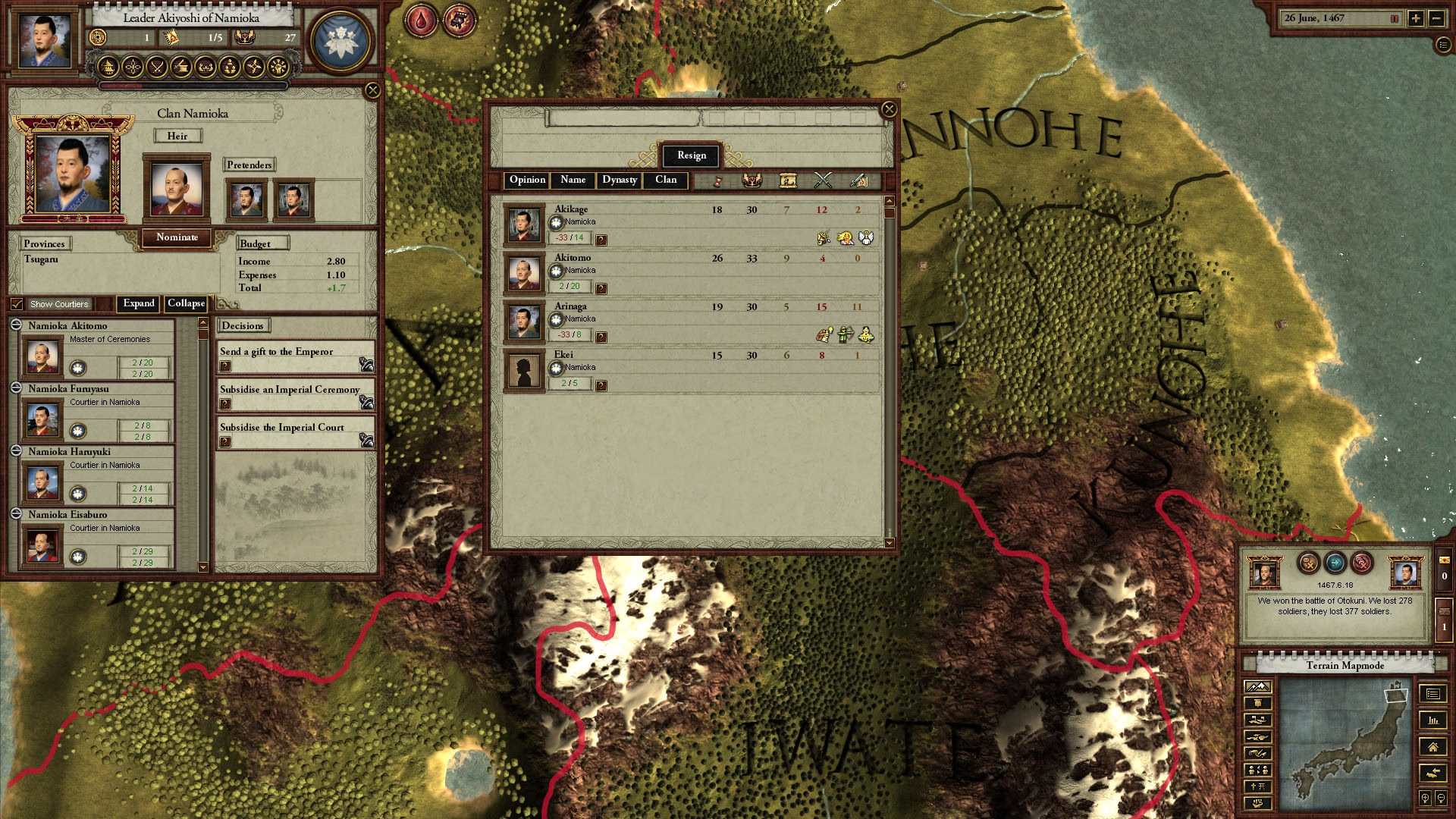
The first hour of Sengoku makes one thing clear: being a lord is not just about pointing an army at a neighboring province. You are trying to build influence within your clan, manage a web of family members, friends, enemies, and retainers, then turn that stability into a credible bid for control of Japan. That mix gives the game a more personal tension than a straightforward conquest strategy game.
Its historical map contains more than 350 provinces, so ambition always has a physical shape. Every expansion matters because you are growing a realm while also deciding who deserves reward and trust. The real-time, point-and-select structure can be intimidating at first, particularly when several political concerns demand attention at once. Once the priorities start to click, though, the constant balancing act becomes the point. You are not simply expanding because the map has empty space. You are expanding while trying not to weaken the house that made expansion possible.
Religion adds another layer of pressure through Shinto, Christian, and Buddhist factions, while ninja clans offer an alternative source of assistance when samurai armies are not enough. That breadth makes a campaign feel like a struggle for influence as much as territory. Frustration can set in if you want immediate, clean military answers to every problem. Sengoku wants you to think like a ruler with obligations, not a commander who can solve everything through force.
If the premise sounds familiar, Crusader Kings is the clearest point of comparison for its concern with rulers, heirs, and relationships. Sengoku is not content to let a victory be merely military. Your lord’s position, succession, and ability to hold allies together all remain part of the campaign’s cost.
Graphics
The strategic map has an old-fashioned textured-relief look that suits its subject well. Muted green-brown terrain, dense patterned forests, pale-tipped mountain ranges, gray-blue water, and red regional borders make Japan look like a large piece of contested geography rather than a board covered in oversized units. Settlements sit quietly against the landscape, so your eye goes first to the land you are trying to control.
Story
Sengoku does not hinge on a single authored hero’s journey. Its story is the one that develops from your chosen lord’s climb toward the Shogunate: a clan gaining ground, rivals becoming more dangerous, trusted figures earning reward, and the question of whether an heir can carry the family forward.
That character focus gives even practical decisions a sense of consequence. A powerful house without a secure successor is not a finished success, and a new province is not automatically a stable gain if relationships around it are fraying. The game’s drama comes from living with those pressures over time.
The setting also gives the campaign a useful sense of place. Competing religious interests and the divided provinces of Japan keep the struggle from feeling like an abstract color-by-color takeover. You are pursuing one title, but you have to navigate a country full of competing loyalties to reach it.
Overall Experience
Sengoku is a good fit if you enjoy strategy games where the ruler behind the map matters as much as the borders on it. Its strongest idea is that conquest, clan management, succession, and personal relationships should constantly complicate one another. That is exactly what makes a successful campaign satisfying.
The game is less inviting if you only want fast, battlefield-centered warfare. Here, patience and political housekeeping are part of the price of power, and the density can make early sessions feel more like work than triumph. Give it time, however, and the overlapping demands begin to create the kind of campaign stories that stay with you.
For a fuller look at its official framing and features, see Paradox’s Sengoku overview. As a concentrated historical strategy game, it is unevenly demanding but genuinely rewarding when you embrace the burden of ruling rather than treating it as a detour from conquest.


Reviews
There are no reviews yet.