 Retro Replay Retro Gaming History, Reviews & Emulation

Retro Replay Review
Gameplay
Elite Force II understands the immediate hook of a Star Trek shooter: carrying a phaser into trouble is fun, and the arsenal has enough range to keep firefights from feeling like you are simply repainting a conventional gun. Munro has 15 weapons, most with alternate fire, so it is worth trying equipment rather than settling into one dependable favorite. The sniper rifle is a particularly funny reminder that even the Federation has room for old-fashioned long-range violence.
Having AI-controlled Hazard Team members alongside you gives missions a welcome sense of being on an assignment rather than wandering a starship alone. You are still doing the shooting, but the squad context suits Star Trek well. It also makes the Academy detour at the beginning feel like more than background: Munro is a tactical instructor called back because the Enterprise needs a specialized team.
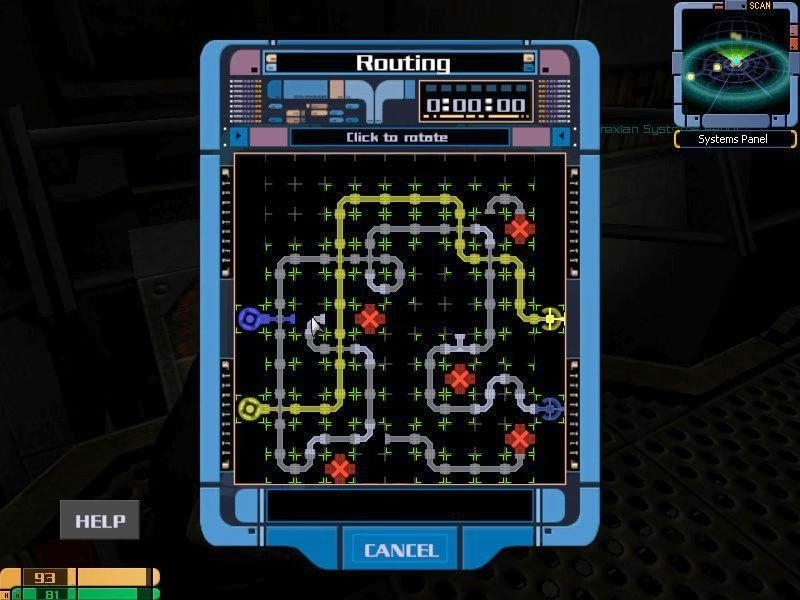
The tricorder is where the game most deliberately breaks up its shooter routine. Rerouting power means tackling a pipe-connection puzzle to link nodes, and because these puzzles are required for bypassing security, they can be a frustrating stop if you came in wanting uninterrupted combat. On the other hand, they at least make the tricorder an active piece of problem-solving equipment rather than a decorative Trek prop.
Scripted choices add some replay value by changing later events and level progression, while a possible romance gives Munro a more personal stake than many licensed shooters bother with. Holomatch rounds things out with familiar arena-shooter modes framed as holodeck sessions. It is a sensible extra, though the campaign is the reason to play.

Graphics
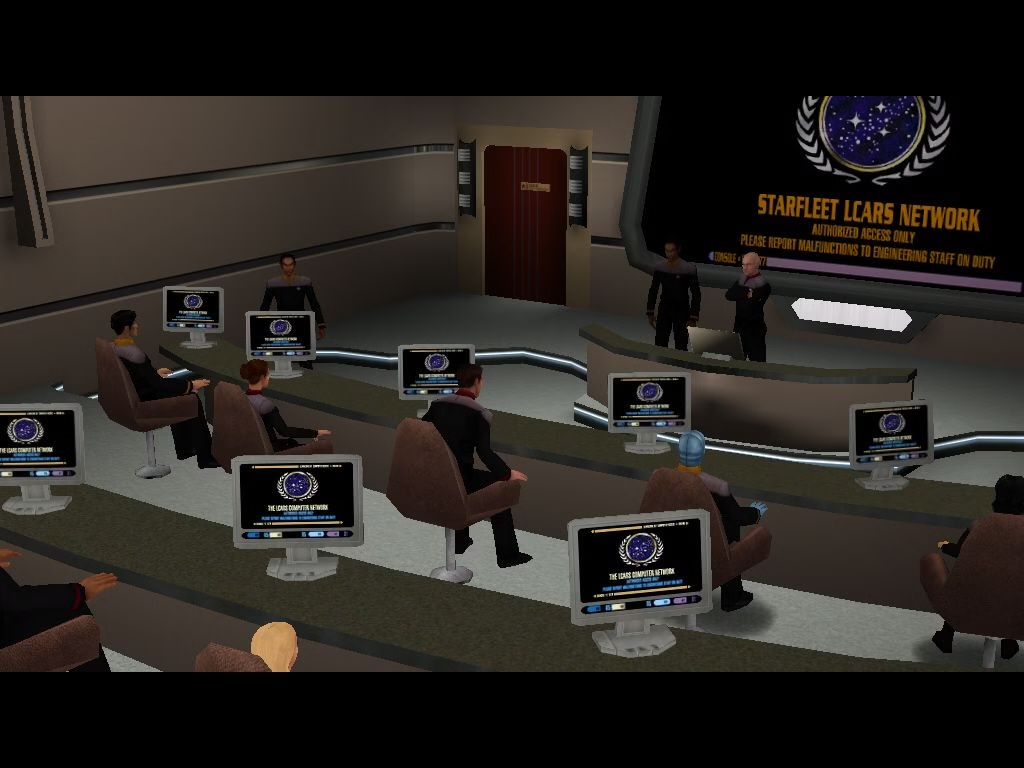
The game captures some recognizable Trek spaces in clean, functional 3D: the Hazard Team briefing room has Starfleet personnel seated at rows of compact monitors, gray walls, and a bright Federation display at the front. Character close-ups are expressive enough to identify familiar faces, but their faces and uniforms look blocky and stiff by modern standards.
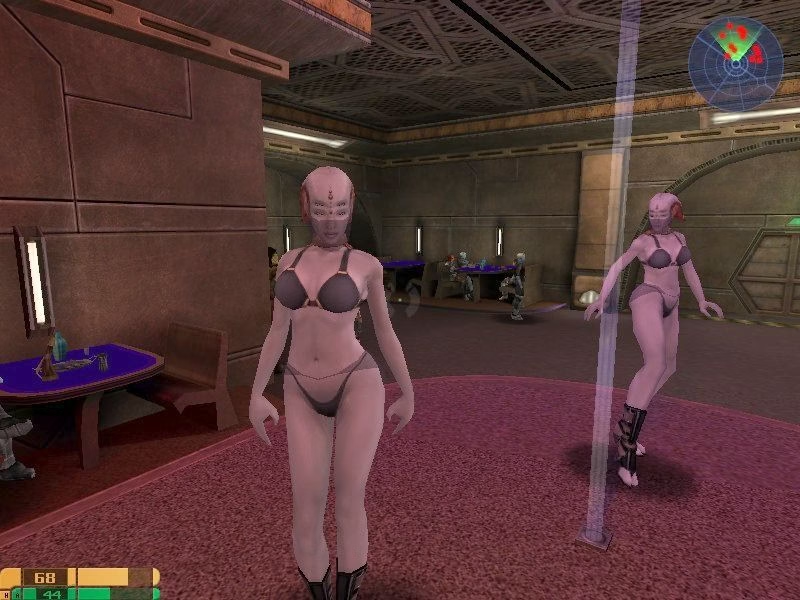
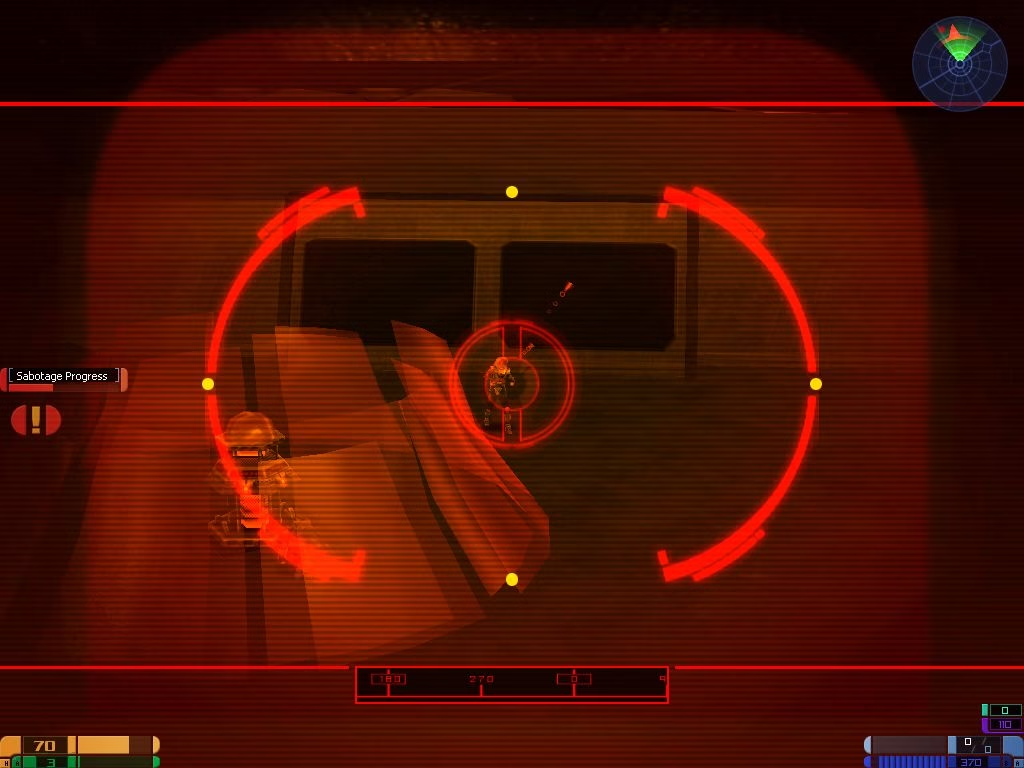
Elsewhere, the imagery can be unintentionally goofy. The red sniper view is bold and unmistakable, while the alien dancers in the club scene have a distinctly awkward, plastic look that has not aged gracefully. Elite Force II looks most comfortable in practical Starfleet interiors, not in its attempts at sexy sci-fi spectacle.
Story
The premise gives the sequel a strong Trek starting point. After returning from a long voyage, Munro sees the Hazard Team dismissed as an unnecessary expense and takes a teaching post at Starfleet Academy. Two years later, Picard personally brings him aboard the Enterprise and offers him the chance to rebuild the unit. That is a satisfying setup because it lets the game treat the team as something Munro has earned, not just a group of anonymous backup soldiers.
A distress call from the USS Dallas quickly turns that reunion into a rescue mission involving the mysterious Exomorphs. The story has room for familiar faces and an old friend from Munro’s past, while the threat escalates beyond a routine boarding action. It has the shape of a proper Star Trek adventure: a Starfleet response to a crisis that becomes much more dangerous than the initial report suggests.
The branching responses are the story’s most valuable extra touch. They cannot turn Munro into a radically different character, but they give you a little agency in how situations unfold and can alter the path through later levels. The potential romance is similarly modest, yet it helps the campaign feel less like a sequence of missions pasted onto a license.
Overall Experience
Elite Force II is a good licensed shooter because it does not merely swap science-fiction guns into a Star Trek setting. The Hazard Team, the Enterprise, the tricorder work, and the decisions all make the campaign feel connected to Starfleet life, even when the solution to a problem is still to fire a lot of energy weapons.
Its age shows in the models and in some of the more awkward attempts at adult sci-fi flavor, and the routing puzzles will test your patience if they do not click quickly. The game is also very much rooted in the straightforward first-person shooter design of its era. That can be a strength when you want a focused campaign rather than a sprawling checklist.
If you enjoyed the first Elite Force or simply want a Trek game where you can fight beside a specialized crew instead of commanding from a chair, this sequel is worth your time. The payoff is not cutting-edge shooting, but a sturdy, personable Star Trek adventure that gives its license more care than many shooters of its generation.


Reviews
There are no reviews yet.