 Retro Replay Retro Gaming History, Reviews & Emulation



Retro Replay Review
Gameplay
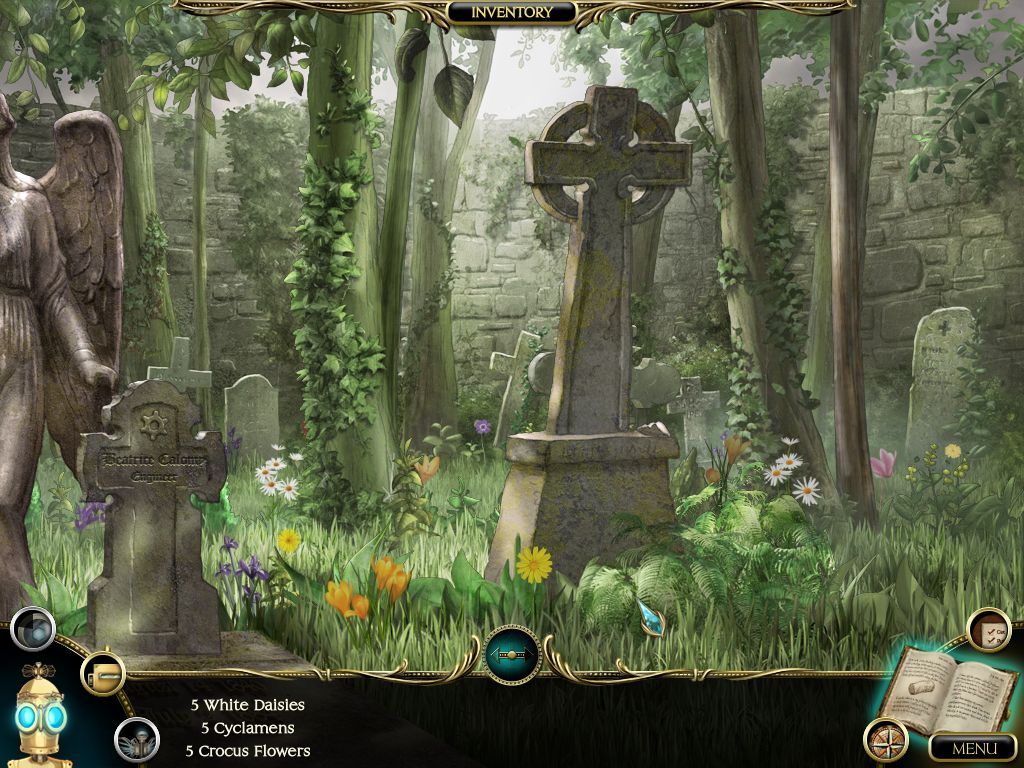
The first hour makes its intentions clear without wasting much time. You move through first-person scenes, scan for interactive spots, collect items, and drag them from a top-screen inventory onto the places where they belong. It is a familiar point-and-click loop, but a comfortable one: a hand marks collectible objects, a magnifying glass points to close views, and gears tell you which machinery can be manipulated. You rarely have to fight the interface to understand what a scene is asking of you.
What keeps the routine moving is the hybrid structure. Some needed tools come from conventional hidden-object hunts, while the surrounding adventure asks you to apply those finds to logical environmental problems. The scavenger scenes can be a nice breather if you enjoy methodically clearing a list, though they also make the game feel more guided than a full-blooded adventure. The separate mechanism-focused mini-games add another change of pace, even if the overall puzzle level remains deliberately mild.
Scrolling, panning, and zooming matter because some locations extend beyond one static view. You can use arrows, keys, the mouse wheel, or dragging to inspect them, which is welcome flexibility in a game built around looking closely. The inventory tray also stays politely out of the way until you move to the top of the screen. These are small conveniences, yet they help the search-and-solve rhythm stay smooth.
Sprocket’s upgrades turn the help system into a generous safety net rather than a single emergency hint button. A locator can reveal an item’s position, the database shows what an object looks like, sonar briefly exposes scene objects, and progressive hints steer you toward the next goal. Each needs time to recharge, so there is at least a little reason to try on your own first. If you want tough deduction, this hand-holding will drain much of the challenge; if you mainly want to keep the story rolling, it is exactly the right amount of support.

Graphics
The game frames its locations from a first-person viewpoint, letting you pan and zoom around Victorian England filtered through steam-powered, spring-driven technology. Miranda’s robot companion and the various manipulable devices give the world a pleasantly eccentric clockwork flavor, while close-up views put attention on the objects you need to inspect.
Story
Miranda Calomy returns as an engineer with Sprocket at her side, and the story gets moving through the obsidian cylinder she recovered during earlier travels. It is an immediately useful mystery hook: the artifact is tied to a forgotten world, and a dangerous criminal is racing toward it too. That gives even simple errands a clear forward pull.
The premise fits the lighter puzzle format well. Rather than asking you to carry a dense narrative in your head, it gives you a destination, an ominous object, and a rival threat to chase through an off-kilter Victorian setting. The strange mix of England, steam technology, and coiled springs is a better match for curious exploration than for grim stakes, and that suits the game’s casual tone.
Do not come expecting the plot to transform the genre. Its real job is to connect the stops along the way and make the next locked device or hidden-object scene feel like part of a larger journey. It does that cleanly, and Miranda and Sprocket provide a more specific frame than an anonymous puzzle-game tour.
Overall Experience
The Clockwork Man: The Hidden World knows its audience. It is built for the moment when you want a gentle mystery, clear interactions, and enough variety to avoid clicking through identical hidden-object screens for hours. The easy puzzles and layered hints mean frustration is usually optional, which makes it especially friendly for newcomers to adventure games or anyone playing in short, relaxed sessions.
That same accessibility is its limit. Experienced adventure-game fans who want difficult inventory chains, sparse guidance, or the satisfaction of wrestling a stubborn puzzle into submission may find it too forgiving. Hidden-object hunts are central rather than incidental, so your enjoyment depends on whether you find list-clearing soothing or repetitive.
Still, the package has a sensible rhythm: search a location, earn or uncover a tool, use it on a practical obstacle, then switch to a small mechanical puzzle when the pace needs a nudge. The obsidian-cylinder mystery gives that cycle enough momentum to make the payoff worthwhile for casual puzzle fans. Give it a chance if a relaxed steampunk adventure sounds better than an all-night brain-burner.



Reviews
There are no reviews yet.