 Retro Replay Retro Gaming History, Reviews & Emulation


Retro Replay Review
Gameplay
The first pull in Times of Conflict is the sense that your army has somewhere to go. You begin as a hero within one of Edhaer’s rival civilizations, then fight to rise through its hierarchy. That simple structure gives the campaign a welcome personal stake: success is not only about clearing a map, but about impressing your elder and moving up faster.
Campaign missions are built around assigned objectives, and some ask you to finish smaller jobs before the main task is complete. That is a better fit for an RTS campaign than simply demanding that you flatten every opposing base. The non-linear campaign structure also promises choices in how you move through the conflict, while time limits prevent you from settling into a slow, risk-free expansion every time. If you enjoy planning under pressure, those clocks should sharpen the action. If you prefer to turtle, build an overwhelming force, and only then move out, they may become the game’s biggest source of friction.
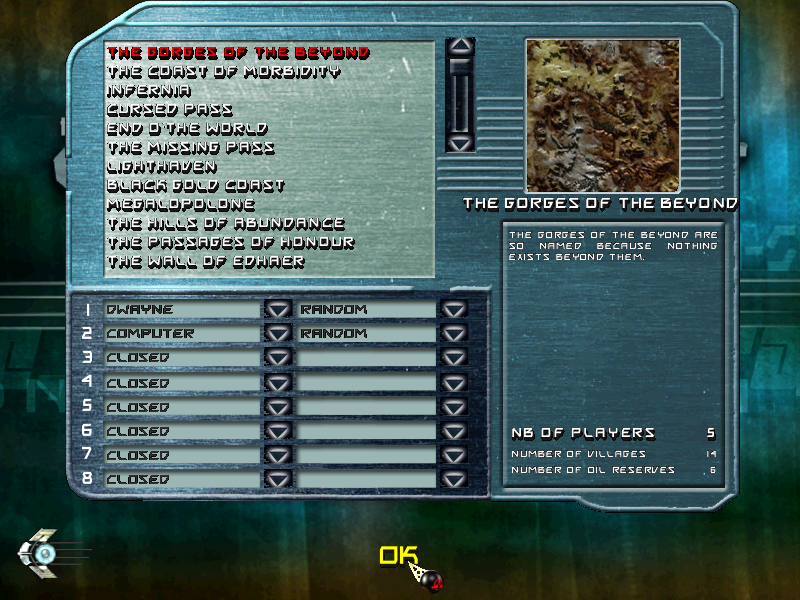
The scale is the headline. Times of Conflict lets you command more than 1,000 units, with macro orders and context-based AI intended to keep a massive force manageable. That makes it a game for gamers who enjoy directing the flow of a war rather than obsessing over a handful of specialists. Battle mode is a useful alternative when you want that warfare without campaign business: choose terrain, enemy count, and enemy civilization, then win by destroying the opposing HQ before yours falls. Network matches for up to eight players add another reason to learn its systems, especially if you have friends who like large RTS brawls.
Graphics
The game uses a 3D, top-down real-time strategy view, putting the focus on seeing a large battlefield and the forces moving across it. That perspective is well suited to a game built around bases, outposts, resources, and armies that can grow into the thousands.
Story
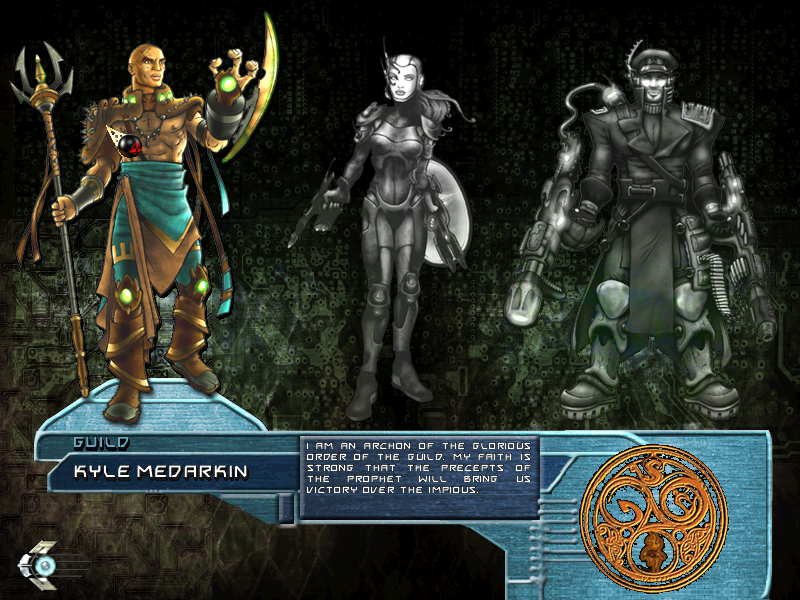
Edhaer begins in the uneasy aftermath of a battle nobody truly won. Three civilizations have been drained by the clash at Isann, but each is still ruled by an immortal elder and each wants the whole planet. It is familiar faction-war material, yet the rebuilding angle gives the campaign a sensible starting point: everyone is wounded, everyone is rearming, and nobody is content to leave the balance alone.
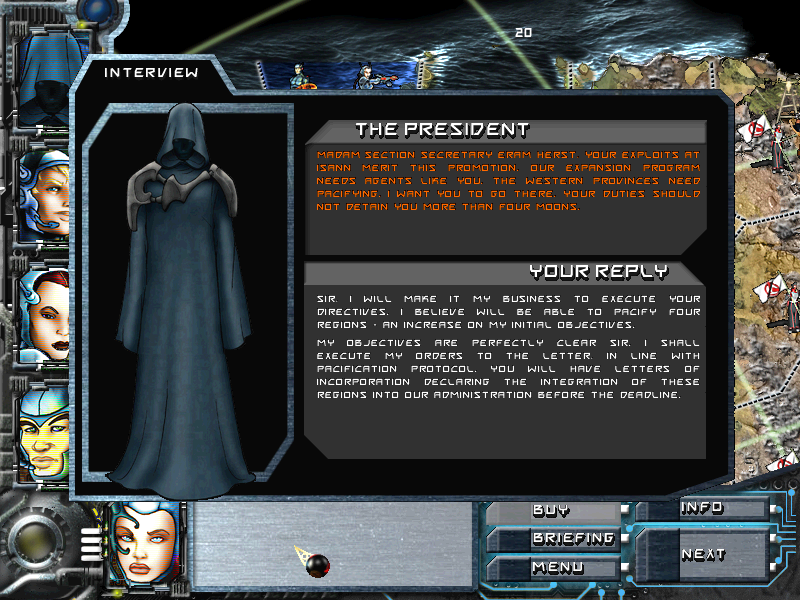
The campaign’s hero promotion ties the plot to your performance neatly. Your elder gives you missions, and completing them quickly earns approval and accelerates your climb through the civilization. That makes the story feel less like a detached excuse for maps and more like a chain of military assignments with consequences for your standing.
Rumors of a powerful Emperor, potential champions sent to stir conflict, uncertainty around the elders, and the valuable resource Aarine give the larger war a layer of suspicion. The writing leans into questions rather than immediate answers, which is a good match for a campaign built around competing loyalties and territorial ambition. Go in for an old-school science-fiction war story with intrigue around its edges, not a quiet character drama.
Overall Experience
Times of Conflict is most interesting when it asks you to think big. Building back from a weakened position, defending your own HQ, breaking an enemy’s, and directing enormous armies gives its conflict real momentum. The campaign adds enough mission structure and hero advancement to make victory feel like progress, while Battle mode offers a cleaner route to the fighting.
Its demands are clear, too. Mission timers ask for decisiveness, and a game capable of fielding over 1,000 units is naturally aimed at someone comfortable making broad strategic calls. You should give it a chance if you want large-scale RTS battles with base-building and objectives that push you forward. It is less likely to win over anyone who wants a relaxed pace or tightly focused small-unit tactics.
The payoff is a strategy game with room for both a directed campaign and repeatable custom wars. The combination of three rival civilizations, non-linear progression, sizable maps, and eight-player network support gives Edhaer more staying power than a one-note sequence of missions. It is an ambitious fit for gamers who want their RTS battles busy, competitive, and driven by conquest.



Reviews
There are no reviews yet.