 Retro Replay Retro Gaming History, Reviews & Emulation
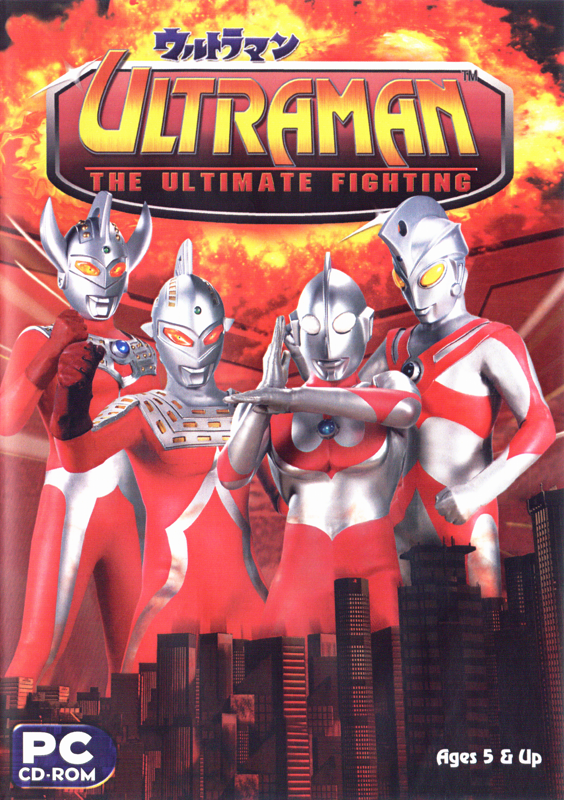
Retro Replay Review
Gameplay
The first few minutes are refreshingly uncomplicated. Pick a combatant, square up in a side-view arena, and start working with the basics: punches, kicks, jumps, and special attacks. Ultraman: The Ultimate Fighting does not ask you to learn a huge system before you can enjoy a match, which makes it easy to bring a second person in for VS mode.
The most important reason to move beyond a couple of rounds is the character selection. Four heroes and six villains give you a clear excuse to test different matchups, while the two hidden characters add a small extra target to chase. Since each fighter has distinct special attacks, changing characters should mean more than changing a portrait; it is where the game has room to keep its fights from feeling entirely interchangeable.
Its adjustable match rules are a genuinely useful touch. You can alter round counts, attack damage, and special gauges, so a quick casual fight does not have to run under the same terms as a longer set with a friend. If you enjoy setting your own house rules, that flexibility will get more use than a fixed fighting-game format would.
Still, the game’s proposition is narrow: it is a straightforward licensed 2D fighter rather than a deep solo campaign. Single Battle is there when you want to play alone, but VS mode is likely the better reason to return. Give it a chance if you want uncomplicated Ultraman clashes and local competition, not if you need a sprawling fighting-game package to stay engaged.
Graphics
The action is framed in a 2D side view, with Ultraman heroes and their villains facing off across seven arenas. Its anime/manga license and roster are the visual draw: you are coming for recognizable character confrontations, not a complicated battlefield full of distractions.
Story
Story is little more than the setup for a fight: Ultraman characters meet their villains in one-on-one battles. That is a perfectly workable excuse for this kind of game, but it does not promise a larger narrative hook.
The hero-versus-villain roster gives each match an immediate bit of fan-facing context. Picking sides can make a bout feel like the confrontation you wanted to see, even when the game is focused on the fight rather than on plot development.
Go in expecting character matchups, not a story campaign. If your connection to Ultraman comes from wanting to control its heroes or pit them against its antagonists, the premise does its job; if narrative is your main reason to play, it will not carry the experience.
Overall Experience
Ultraman: The Ultimate Fighting is a compact, no-nonsense licensed fighter. It earns its entertainment from immediate controls, a hero-and-villain roster, and the simple pleasure of testing special attacks in head-to-head matches. There is no need to overthink what it wants to be.
The adjustable rules are the feature that gives it a little more staying power than a bare set of exhibition bouts. Tuning damage or special gauges can help you shape a match around your group, whether you want a fast knockout-heavy session or something less punishing.
Its limits are equally clear. The selection of modes is small, and the solo side centers on Single Battle, so long-term interest will depend on the matchups and on whether you have someone nearby for VS mode. The roster and hidden characters add variety, but they do not transform the game into a larger adventure.
For Ultraman fans who want an accessible 2D fighting game on Windows, this is an easy, modest recommendation—especially as a local multiplayer diversion. Everyone else should treat it as a focused curiosity: fun when you want a few direct fights, but unlikely to replace a deeper favorite in the genre.


Reviews
There are no reviews yet.